

Roof Damage Repair
Hail, wind, tornado, snow, ice, ponding and seam damage repair for commercial roofs in Rockford, IL, with the damage documented and priced before you commit.
what to know
Roof Damage Repair
Rockford, IL
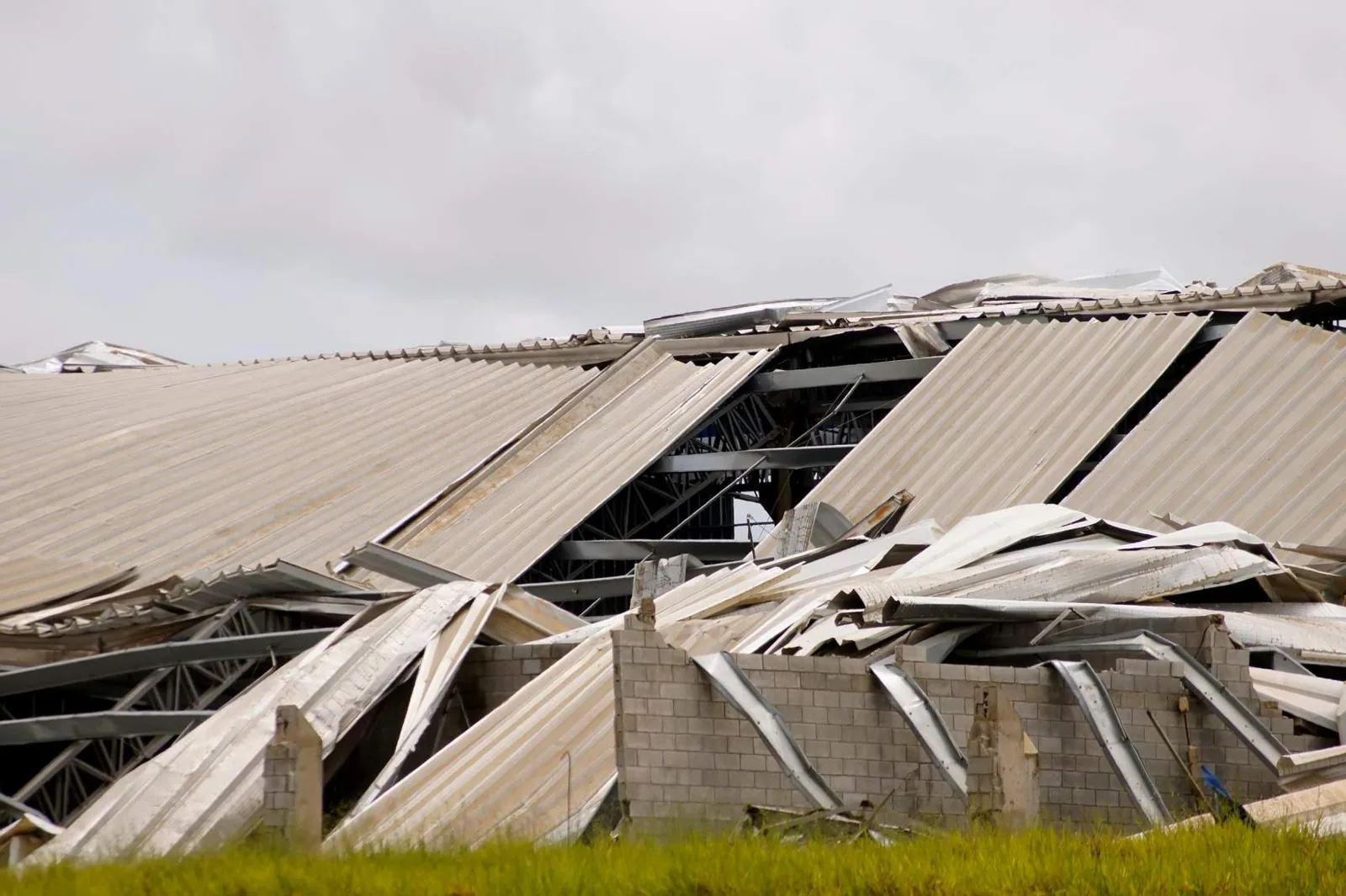
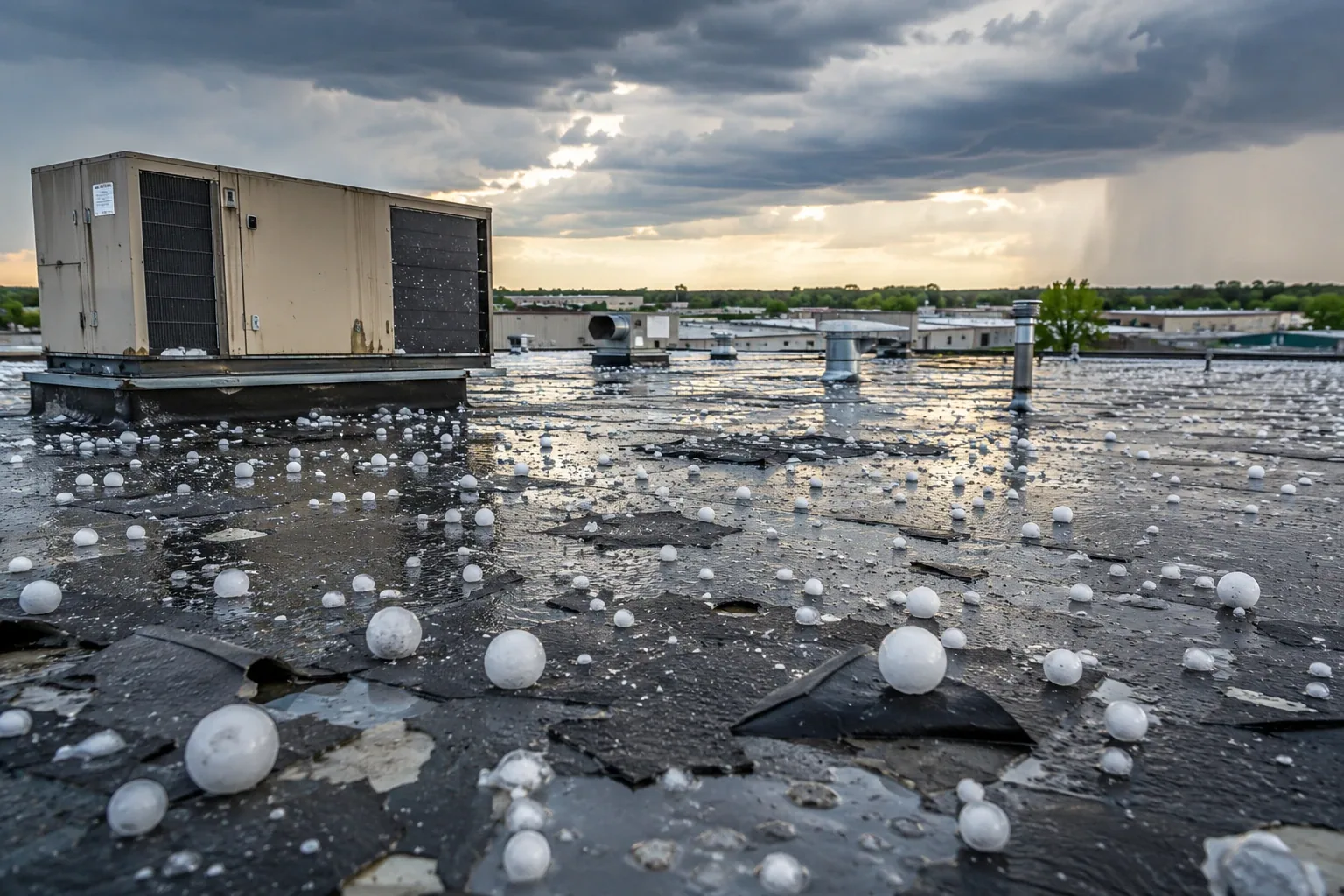
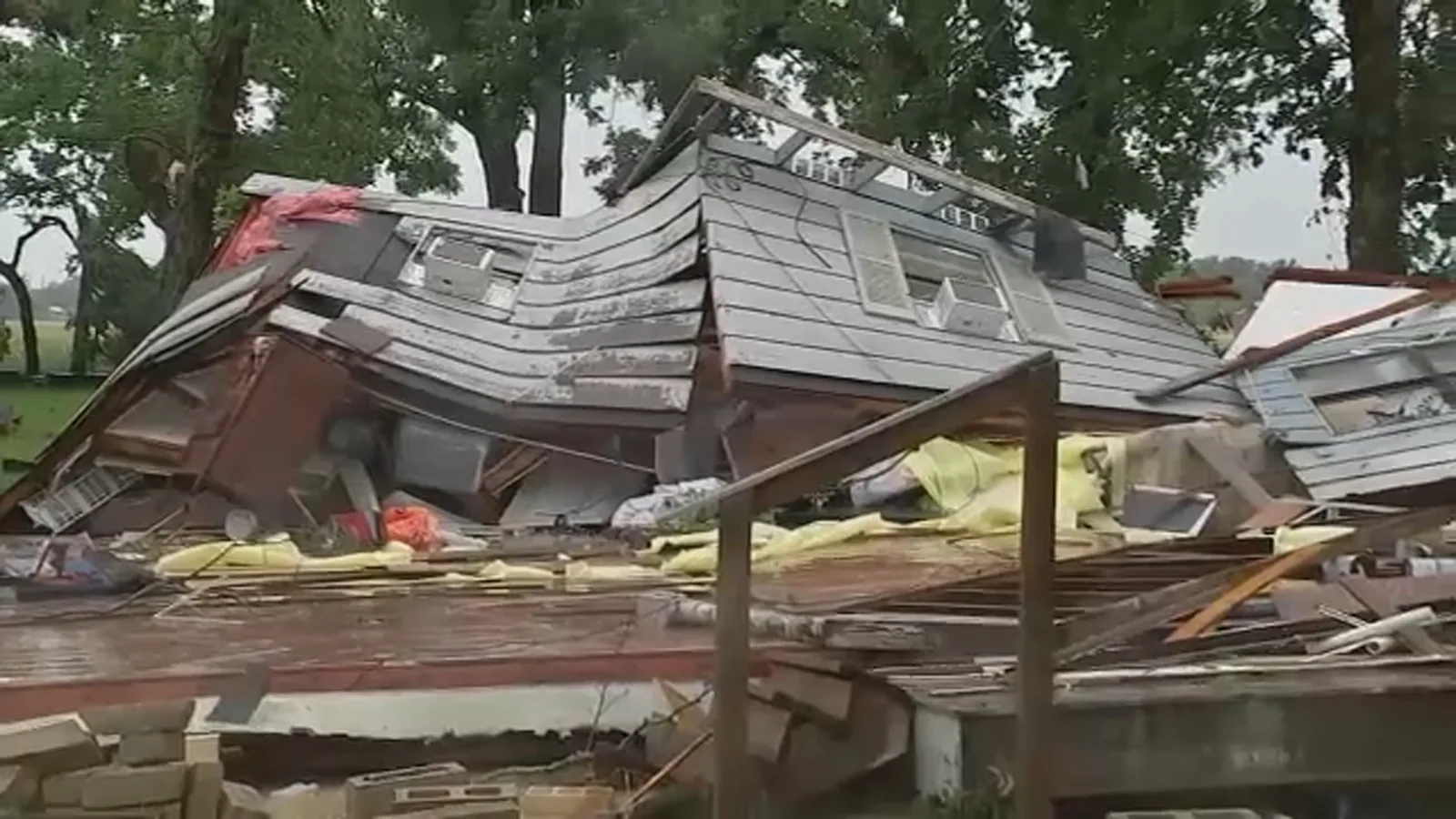
The roof that survived a storm in the fall is not always the roof that comes out of the winter. Hail bruises, loosened flashing and torn edge metal sit quietly until the first hard freeze, when trapped water expands and finishes what the wind started. Rockford, IL has plenty of history to remind owners of this. A tornado rated F4 tore through its factory districts in 1928, another struck nearby Belvidere in 1967, and a storm in November 2020 put a 73 mph gust through Winnebago. Damage like that is cheap to fix the week it happens and costly a year later.
Get the roof walked soon after any storm, and keep every photograph.
Read the damage the storm actually left
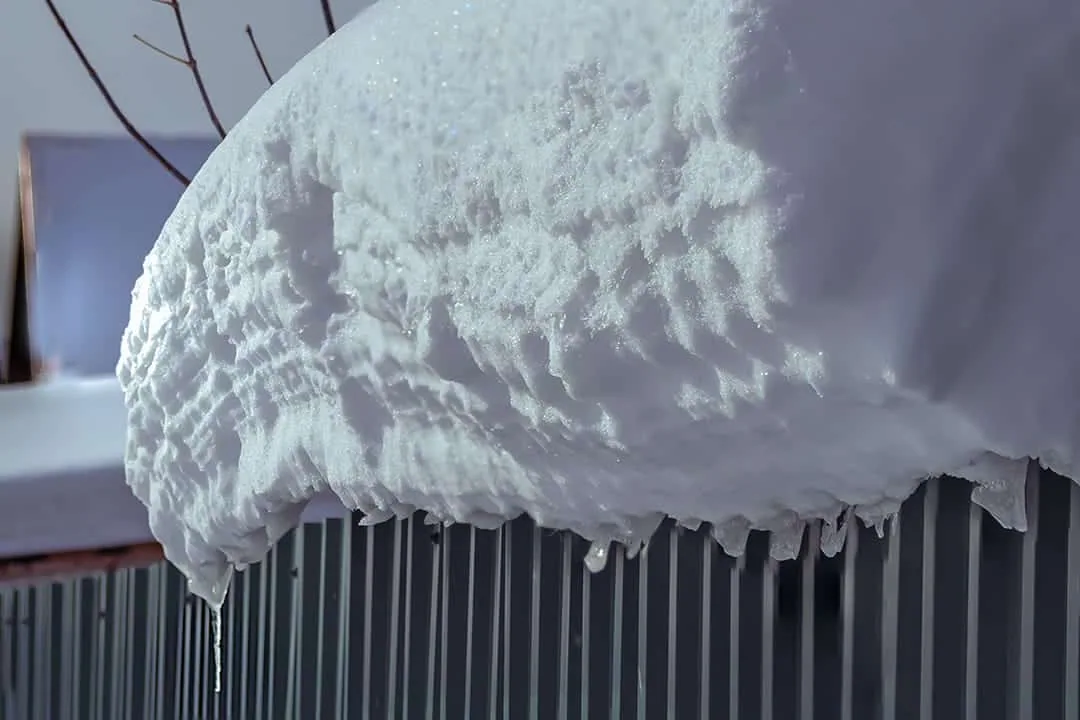
Different weather leaves different marks. Hail damage hides in the membrane as bruises and fractures that a ground-level glance misses. Wind damage peels edges, lifts flashings and scatters ballast. Rare and severe events call for tornado damage repair, and the March 2023 EF-1 near Sinnissippi Golf Course is a reminder that these are not only historical. The long season is the quiet one: snow and ice damage from about 36 inches of snow a year, heavy drifts and ice that backs water under the membrane.
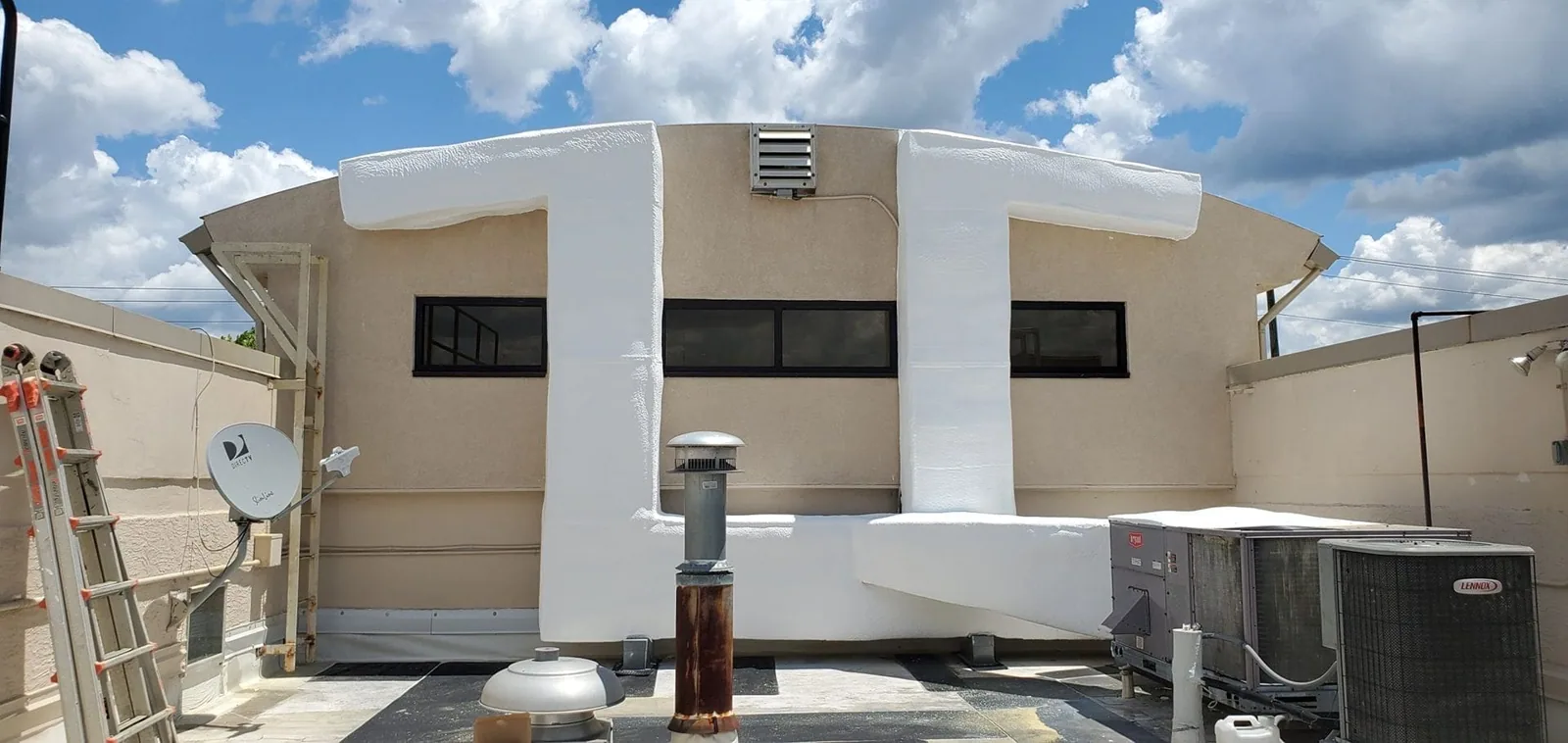
Separate storm damage from old age before you file
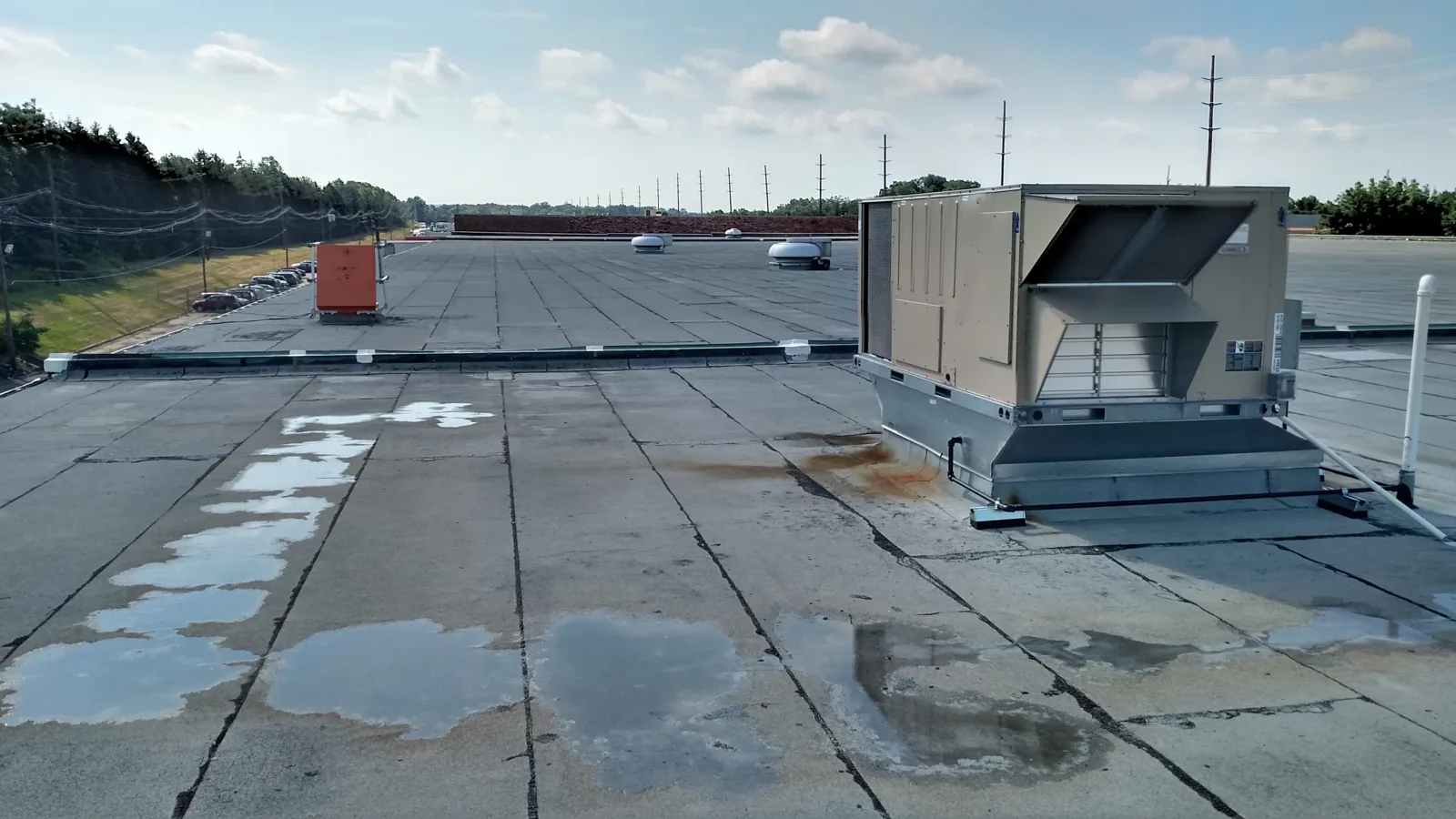
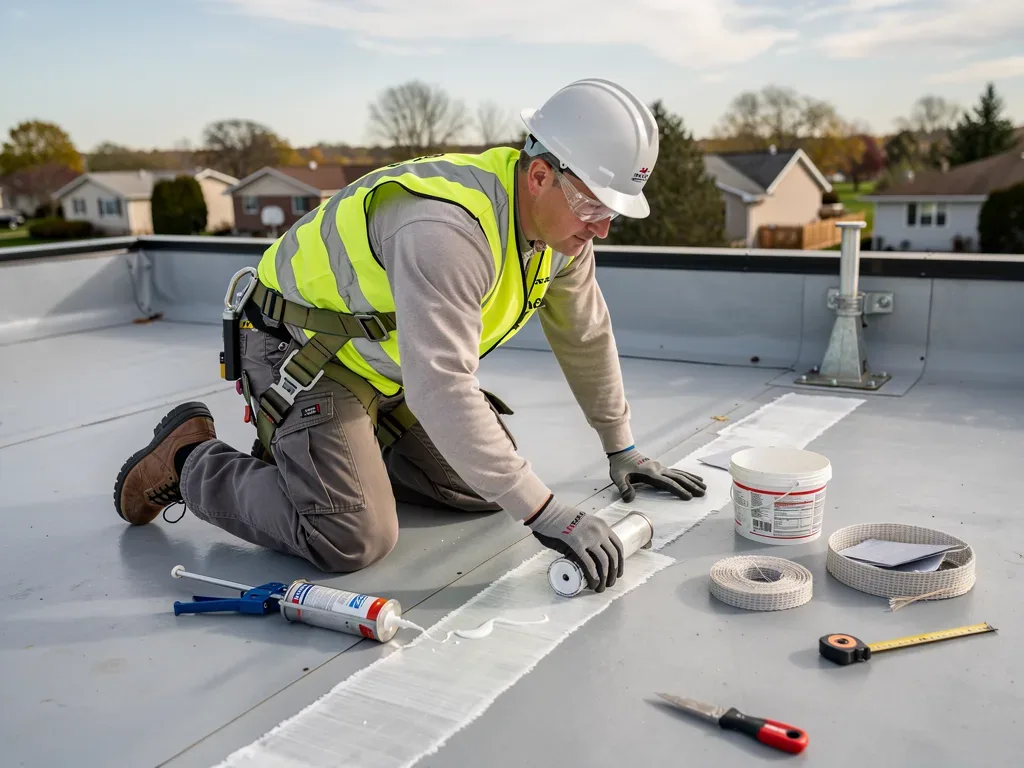
Plenty of wear is mistaken for storm damage, and the reverse happens too. A seam failure can come from a decade of temperature swings. A puncture from a rooftop service call has nothing to do with the weather, and membrane puncture repair belongs in a different conversation with your insurer. Flashing failure and ponding water often grow out of slow problems, which is why the written report should split new damage from old and say which is which. The July 2024 flooding of the city's storm systems is a useful reminder: water that cannot drain off a flat roof becomes your problem fast.
Move quickly, then document everything
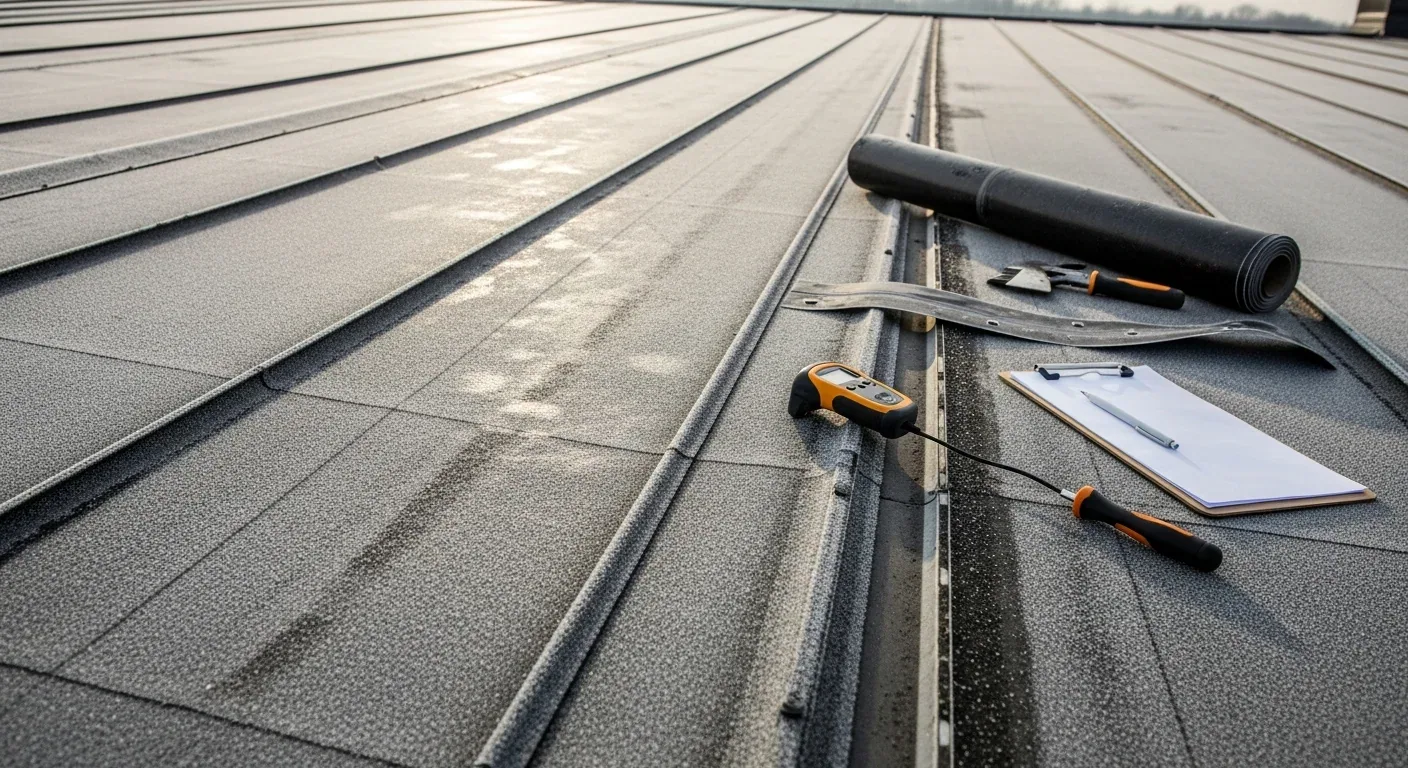
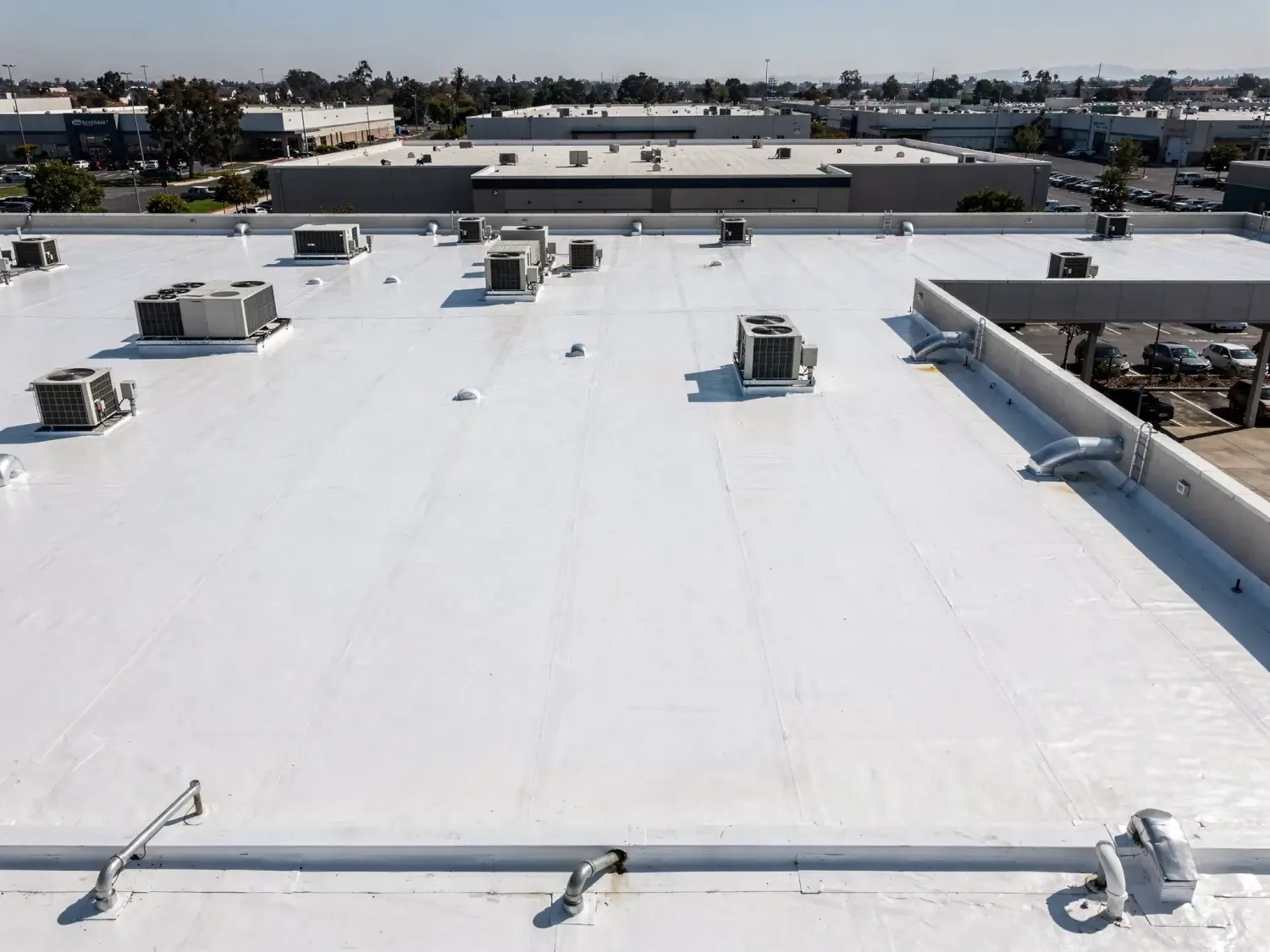
Temporary protection comes first when a roof is open, because a tarp and a sealed opening cost far less than a soaked ceiling and a shut-down floor. After that, we photograph each damaged area, mark it on a roof plan and write up a scope that an insurer or a facility board can follow. Even fire damage, which can compromise decking and insulation well beyond the burned area, gets the same treatment. On a large roof such as the airport cargo buildings or a big manufacturing plant, a drone pass can map the affected areas in a morning. Repair the damage that is damage, keep the claim limited to it, and do not pay for work the storm did not cause.
Draw the repair line from field evidence
Mark affected zones, compare them with adjacent roof areas, and record each test before expanding removal. Keep temporary protection, measured damage, deferred maintenance, and optional upgrades in separate scope lines.
Questions Owners Ask
How long can a stormed roof wait before somebody walks it?
Days, not weeks, and ahead of the next hard freeze if the calendar allows. Early documentation protects your claim and stops small openings from filling with water that later expands.
Will every storm repair end up as an insurance claim?
Not necessarily. Some damage costs less to fix than your deductible, and we will say so plainly rather than push you into a claim that does not pay.
Should all storm-related work share one line item?
No. Separate measured damage, existing wear, temporary work, and upgrades.
What supports an expanded repair boundary?
Photos, measurements, test results, and the condition exposed during removal.