
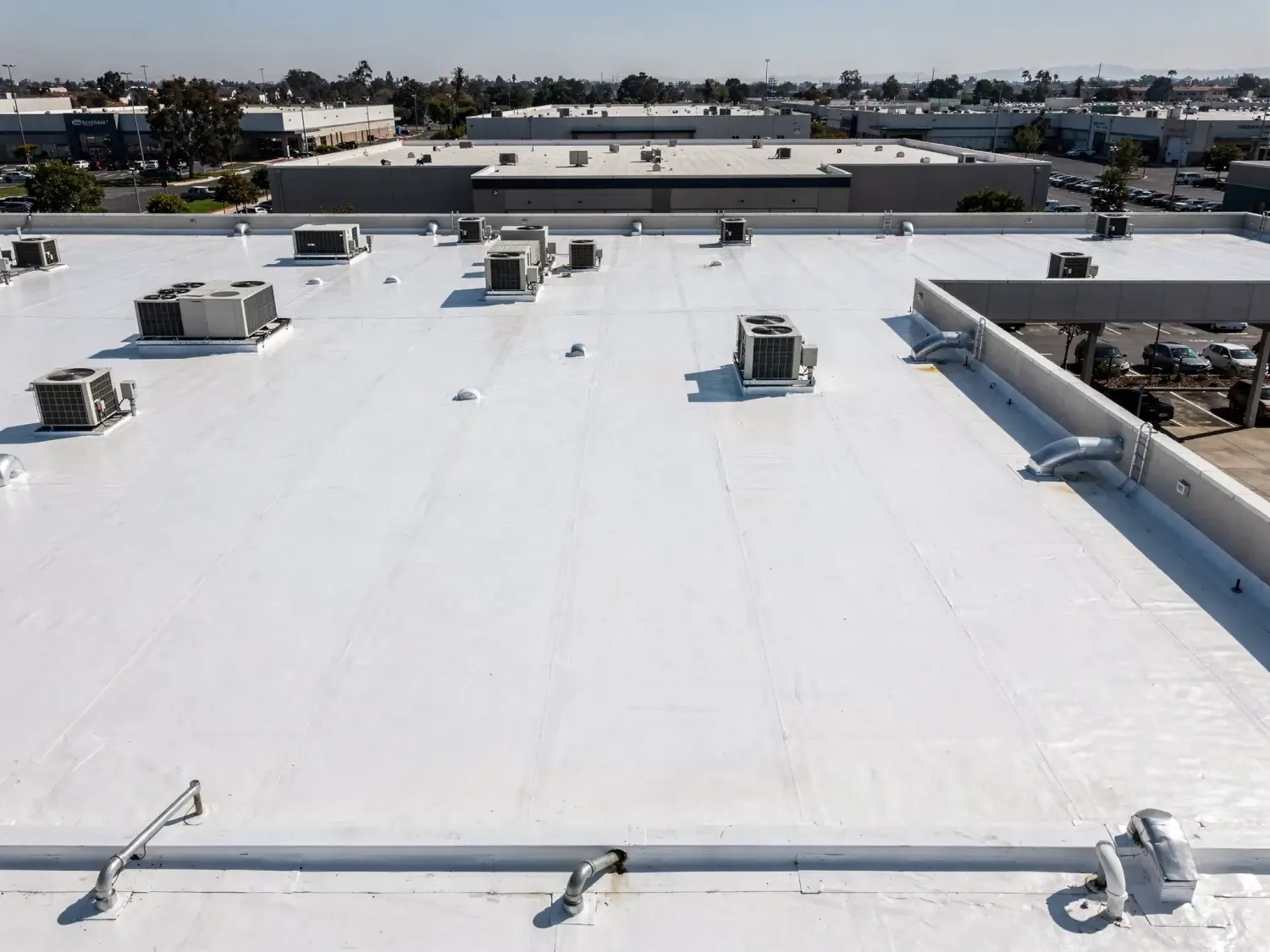
Seam Failure Repair in Rockford, IL
Seam failure repair for commercial roofs in Rockford, IL: split, open and lifted seams found and welded, taped or sealed the right way for your membrane.
Seam Failure Repair
Seam Failure Repair
Rockford, IL
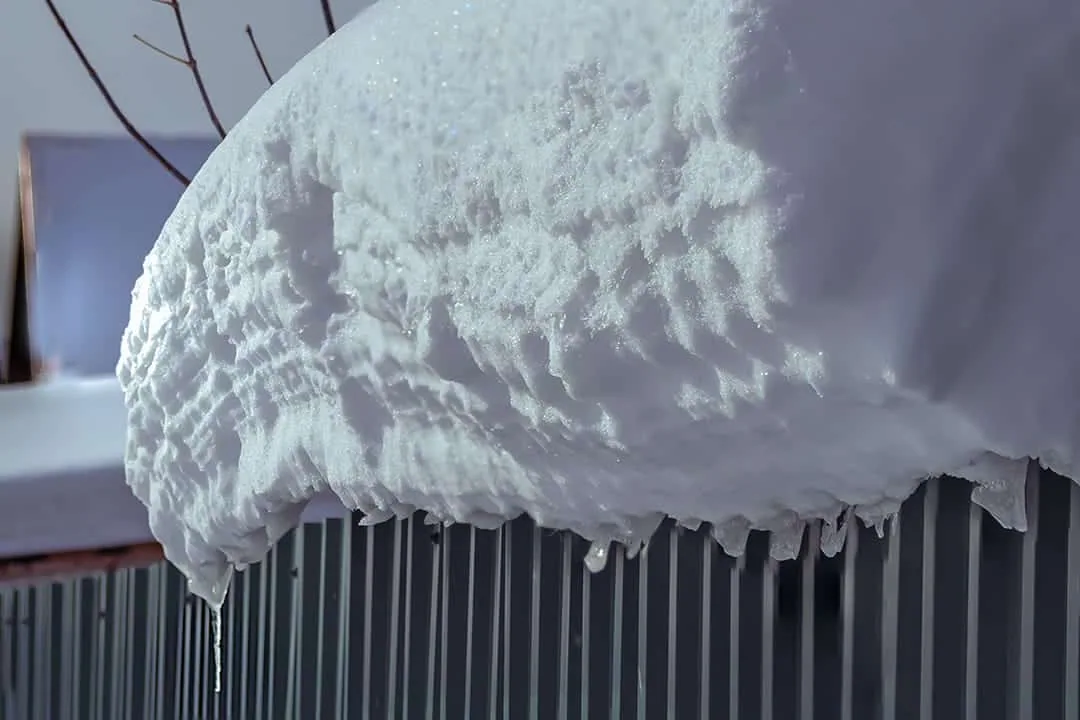
Each freeze pulls the two sides of a roof seam slightly apart, and each thaw lets them sag back, and a membrane that goes through that all winter will eventually show which of its seams were made well. Rockford, IL puts a roof through about 134 days a year at or below freezing and then adds summer heat on dark sheets, so the movement runs in both directions. A seam that opens is a thin line, often only a few inches long, and it is easy to miss from the roof hatch. It is also one of the most common reasons an owner ends up with wet insulation and a ceiling stain in March. The repair is usually modest. The damage from leaving it alone is not.
If your roof is a single-ply or a bonded sheet, walk the seams before the spring rains do it for you.
Learn what a failing seam looks like
A good seam is flat, continuous and tight. A failing one shows an edge that has lifted, a gap you can slide a probe into, wrinkled material along the weld or a thin dark line where dirt has worked in. On welded sheets such as TPO and PVC, look for a seam that has peeled apart where two sheets overlap, and for the small pinholes where a weld was never fully fused. On EPDM, splice tape can creep, shrink or lose its bond. On modified bitumen and built-up roofs, laps open as the sheet shrinks and ages, and exposed edges can curl up and trap water. Standing seam metal roofs fail in a different way, as open or backed-out fasteners and sealant gone brittle at the lap. Each system has its own failure signs, which is why the right repair begins with knowing exactly what is on your roof.
Understand why one seam opens and its neighbor holds
Seams fail for reasons that are almost always visible once you know where to look. Dirt or moisture on the sheet at the time of welding keeps it from fusing. A seam that was welded in cold weather may look solid and carry a weak bond. A membrane that has shrunk with age pulls at its seam edges, and ponded water keeps every lap in a basin wet for weeks. Movement matters, too. On a building as large as the 200,000 square foot aircraft maintenance facility AAR operates at Chicago Rockford International Airport, thermal expansion across any wide membrane puts constant stress on every seam it crosses. When a roof fails in a pattern, with seams opening near a drain or along the same edge of every bay, we look for the cause before we weld a single inch.
Repairing a seam without finding the pattern behind it means coming back for the next one.
Choose between welding, taping and recoating
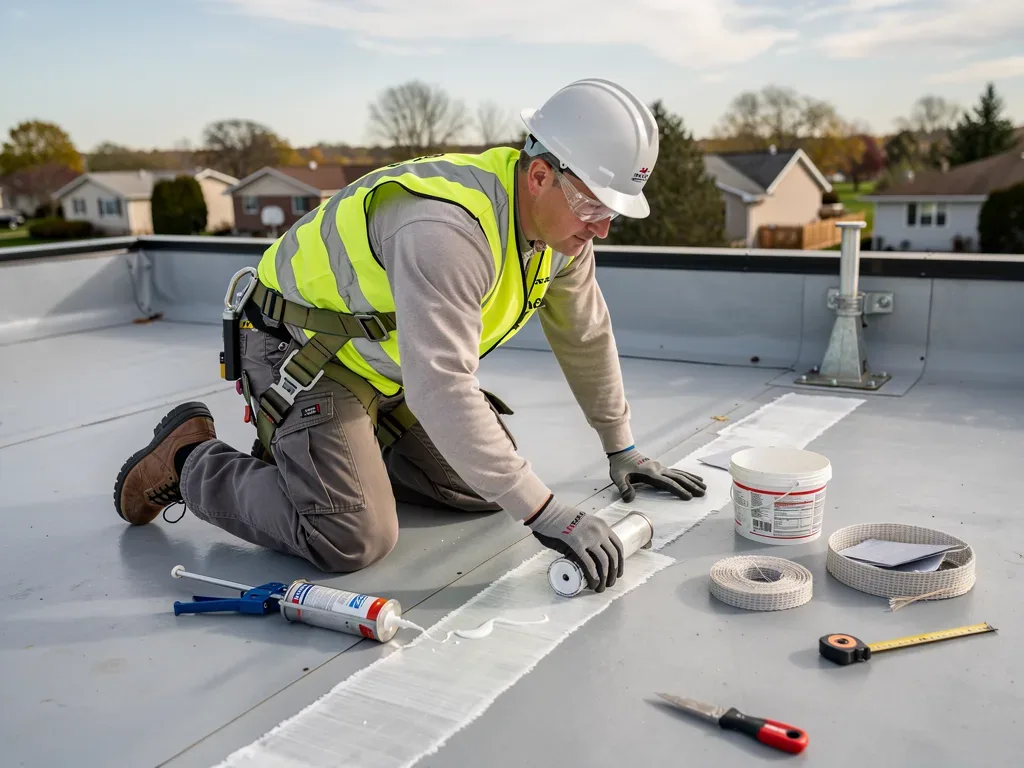
For a few isolated openings on a sound roof, spot repair is the right call. On a thermoplastic sheet that means cleaning the surfaces, probing the seam to find every weak stretch, and hot-air welding a cover strip over the open area. On EPDM, it means cleaning, priming and applying new splice tape or a cured patch. Bonded sheets get heat or adhesive repair with a patch that extends well past the defect. If seams are opening across a large part of the roof, individual repairs stop paying for themselves and the question becomes whether a roof coating or a more extensive repair is the better value. A coating can seal the seams across the whole roof but only when the sheet underneath is sound, so we check the insulation before recommending one.
Ask for a map of every seam repaired. If a contractor cannot show you where the work was done, you cannot check it.

Separate a workmanship failure from wear
A seam that opens on a roof only a few years old is a different conversation from one that opens on a roof twenty years in. The question comes up on new construction too, such as the 335,000 square foot speculative distribution building Hillwood started in Rockford Logistics Park 20 in 2026, once its first winters expose any seam that was made poorly. Workmanship problems may be covered by an installer or a manufacturer, and you protect that coverage by keeping records, photographing the failure and not letting someone else patch the area before the original contractor has a chance to inspect. Ask which party the roof warranty names, and call them. If it has expired or does not apply, a fair repair price is what you are looking for, with the seam work priced separately from any other items so there are no surprises.
Confirm the insulation under the seam is still dry
A seam repair that closes the opening and leaves wet insulation under it only hides the leak. Moisture can travel sideways under the membrane and show up in a spot unrelated to the seam itself. An infrared moisture survey maps wet areas so we cut and replace only what is soaked, and it gives you evidence if an insurer or a prior contractor is involved. This matters on large industrial and logistics roofs, including a plant on the scale of the roughly 600,000 square foot Comer Industries building on Windsor Road in Loves Park, because on a building that size a small hidden wet zone can spread under a very large sheet. Where flashing is part of the same leak path, the repair has to include the failed flashing as well.
Time the weld for dry, mild weather
Hot-air welding, adhesives and many sealants need dry surfaces and moderate temperatures. In winter we can cover an open seam temporarily to keep water out, but the permanent weld waits for a better day, and a temporary fix is never the plan for the next ten years. Cold also makes membrane stiff and harder to work. Spring, once the snow clears and the roof is dry, is the season when most seam work gets done in this area. Ask us about a seam inspection right after the thaw, because that is when winter damage shows and when a small repair is cheapest.
A failed seam needs a repair method matched to the membrane and the failure mechanism. First determine whether the weld or adhesive separated, the sheet shrank, or movement pulled the detail apart. Probe adjacent seams to see whether the defect is isolated, then check for water beneath the membrane. A patch placed over contamination or moisture will not restore a dependable bond. Record the seam length repaired and the material used so a later inspection can tell whether movement is continuing.
Questions Owners Ask
How can I tell if a seam is split or just dirty?
Press a blunt probe along the edge. A seam that is split lets the probe slide under the top sheet, while a dirty one stays bonded. If you are unsure, we check it with you.
Can one open seam leak a whole building?
It can, if the insulation under it takes up water and carries it sideways. A moisture survey shows how far it has spread before you pay for a repair.
Should I just coat the whole roof to close the seams?
Only if the sheet and insulation underneath are sound. A coating over wet insulation or a failing membrane covers the problem for a season at best.
Who pays when a new roof's seams open in its first winters?
Often the installer or the manufacturer, if the defect is workmanship and is reported in time. Photograph everything and read the roof warranty terms before anyone else touches it.
Is a seam repair worth doing on an old roof?
Frequently, if the rest of the membrane is in decent shape. Price it next to replacement and let the numbers show where the repair stops making sense.