Fire and Smoke Damage Roof Repair in Rockford, IL
Fire and smoke damage roof repair in Rockford, IL: structural check, drying, claim documentation and a rebuild plan that works around northern Illinois cold.
Fire and Smoke Damage Roof Repair
Fire and Smoke Damage Roof Repair
Rockford, IL
Chemtool's lubricant plant in Rockton suffered an explosion and fire on June 14, 2021 that forced a one-mile evacuation. A loss that size is the extreme case, but even a small fire on a plant roof in the Rockford, IL area does its second round of damage after the flames are out. Firefighters pour water onto a building to save it, and that water soaks into roof insulation, runs down through the deck and keeps working for weeks. Smoke leaves residue on membranes and drains. Heat can soften single-ply sheet, melt foam insulation and warp steel deck without leaving a mark you can see from the parking lot. Then a Rockford winter arrives and freezes whatever is wet. A fire loss is not a roofing problem first and a paperwork problem second. It is both at once, and the owner who treats it that way keeps more of the money the policy is meant to provide.
Do not let anyone on a fire-damaged roof until someone qualified has said the structure can carry them.
Sort the loss into heat, smoke and water
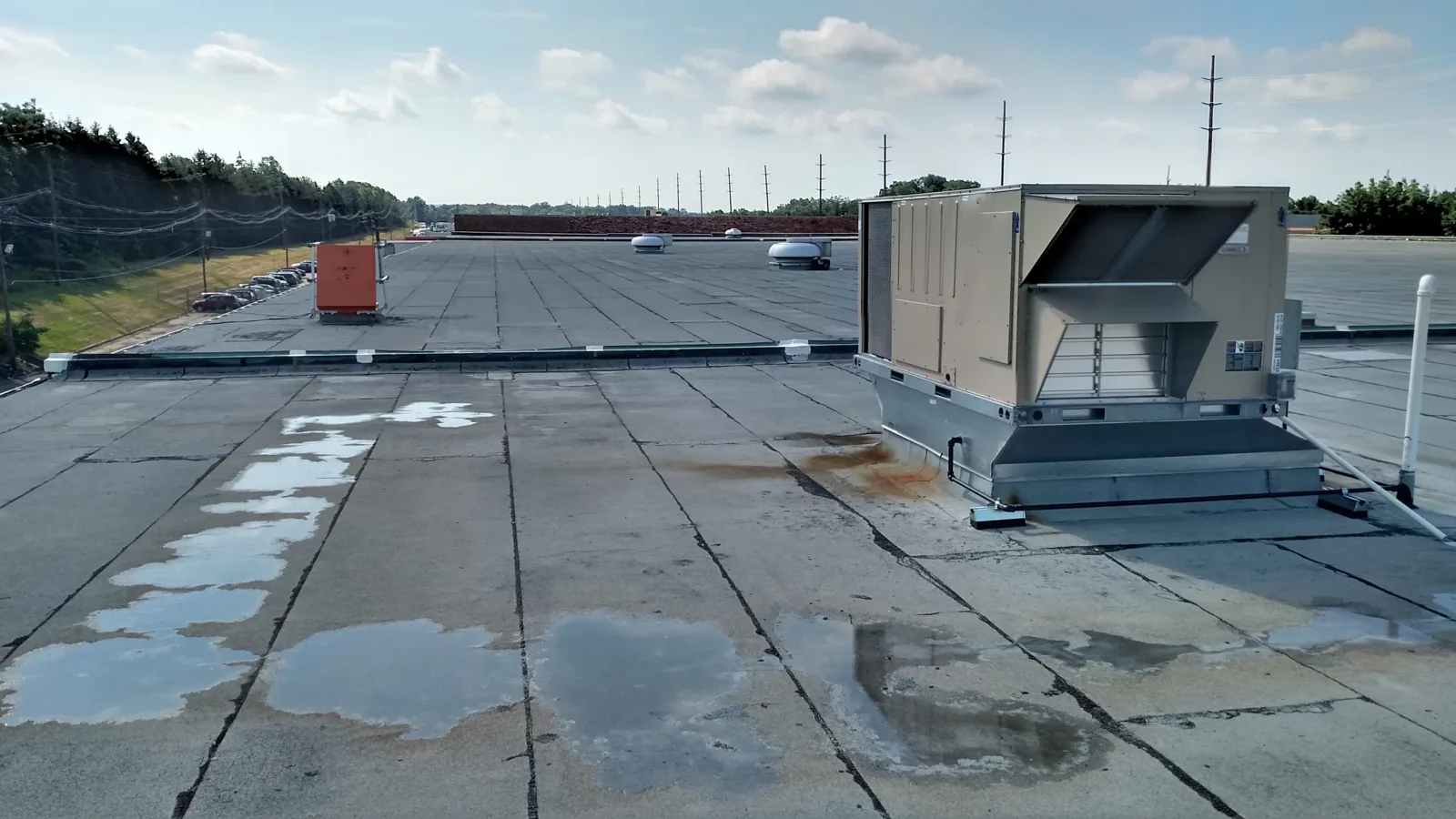
Fire damage to a roof comes in three layers, and each needs its own answer. Heat is the obvious one: scorched, blistered or melted membrane, charred insulation, and deck that has buckled or lost its coating. Smoke is quieter. It can stain and contaminate membrane, clog scuppers and drains with soot and ash, and leave residue that interferes with adhesives and sealants when repairs begin. Water is often the largest loss. A building that took hundreds of gallons from hoses has wet insulation, wet deck and wet ceilings, and in a plant with sensitive machining or painting lines under the roof, wet insulation is a problem you cannot ignore. Each of the three is checked and recorded on its own so the claim, the repair and the dry-out all line up. Taking the roof in layers also tells us how far the damage runs beyond the burn.
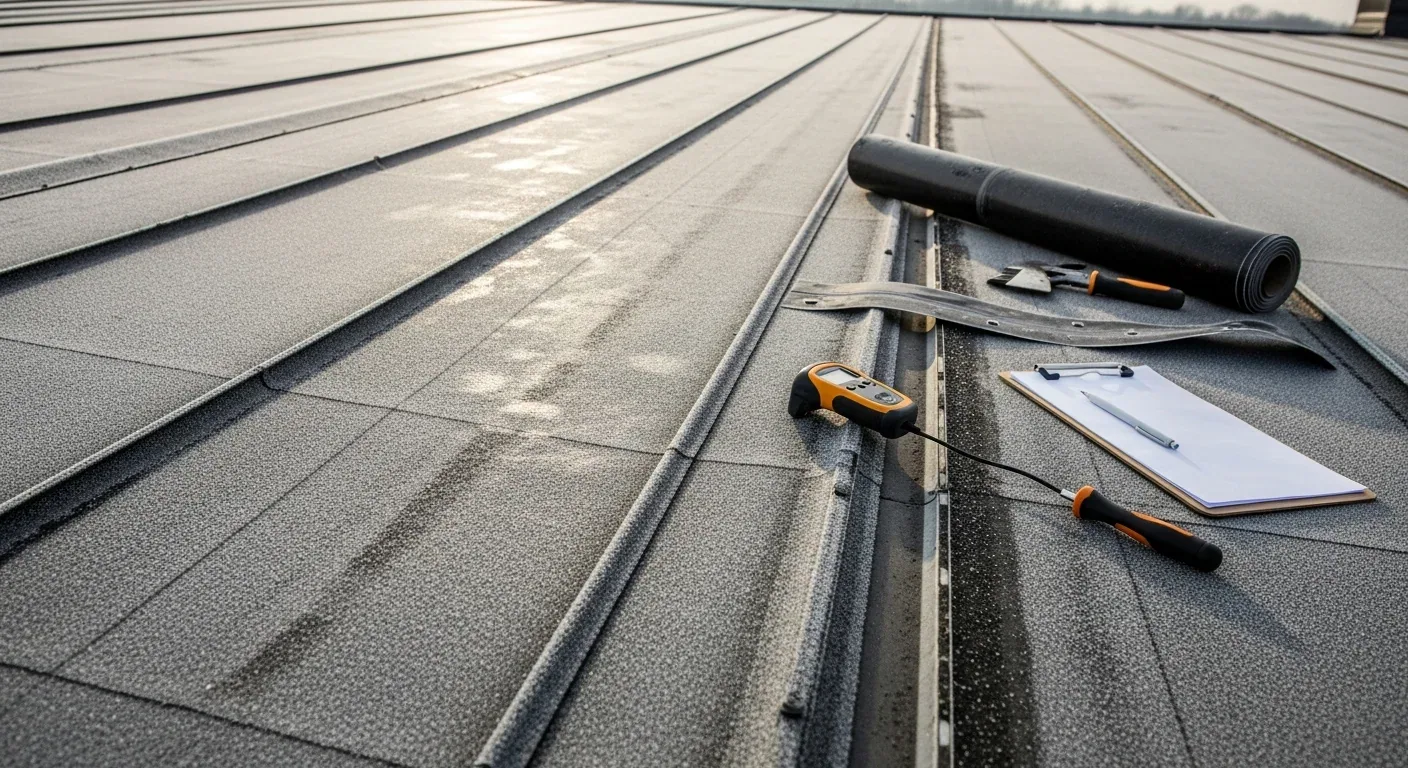
Get a structural opinion before the roofing work starts
A fire can weaken steel without changing how it looks. Roof deck, joists and connections that have been heated may not carry the load they were designed for, and a snow load on top of a compromised roof is a bad way to find out. That is a job for a structural engineer, and we will tell you to hire one before our crew walks the roof, not after. Once the structure is cleared, we inspect the roof from above, with a drone inspection where the roof is not safe to cross, so we can see the damage pattern without adding weight to a weakened deck. Large manufacturing plant roofs raise the stakes. Comer Industries' Windsor Road plant in Loves Park holds machining, assembly, painting and warehousing in roughly 600,000 square feet, and on a building that size heat and smoke can travel a long way across the deck before anyone notices, so we scan and walk the whole roof, not just the burn.
Wait for the engineer. A fast start on a roof that cannot carry a crew is the most expensive mistake available.
Record everything before the cleanup begins
Fire claims are decided on evidence, and the evidence disappears quickly once cleanup starts. Photograph the roof before anything is swept, scraped or tarped. Note where the burn is, where water entered and where smoke staining sits. Keep samples of damaged membrane and insulation if the adjuster asks for them. We build the written record in a form your adjuster can check line by line, as part of our roof insurance claim assistance, and you decide what goes into the claim you file. If the first estimate seems low for the damage you can see, ask for a second opinion before you sign a release. Settling too early is one of the costliest mistakes after a fire, because the full extent of water damage often shows up weeks later.
Decide between repair and replacement on the evidence
A small fire at one rooftop unit may leave a burn scar that can be cut out and patched. A larger fire, or one where firefighting water soaked the insulation across much of the roof, may push the answer toward replacement. An infrared scan backed by core cuts shows how much of the insulation is wet before you decide. Foam insulation that has been heated can shrink or char, and a membrane that has been cooked will not bond to new material properly. If replacement is the answer, the project falls under the same rules as any commercial roof replacement, with the City of Rockford following the 2021 International Building Code and Fire Code and the 2024 Illinois Energy Conservation Code deciding the new insulation. Ask for the repair price next to the replacement price whenever the damage is partial.
Keep the building dry while the claim works its way through
Claims take time, and weather does not wait for them. A fire-damaged roof needs a temporary cover that is secured against wind and rated for the snow it will carry, and that cover has to be inspected after every storm until the permanent work is done. Our emergency roof repair crews come out at any hour, holidays included, to get that cover on the night the fire trucks leave. Keep every receipt. Many policies expect you to protect the property and may reimburse reasonable costs, so read yours and ask your adjuster before you spend. A tarp that blows off in January and lets in a month of snow will cost more than the tarp ever saved.
Stage the rebuild around the cold
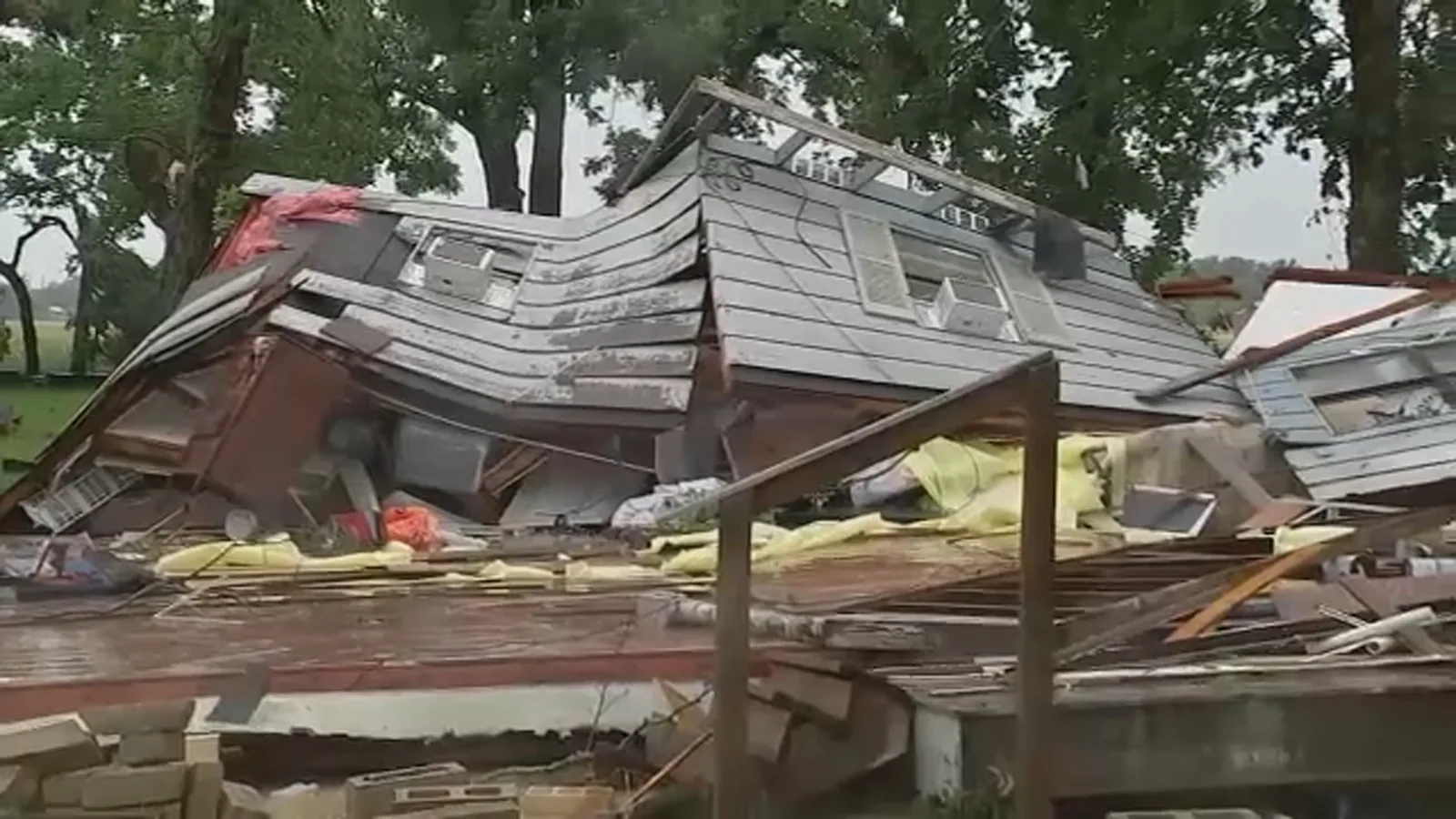
Rockford spends about 134 days a year at or below freezing, and most permanent roofing work wants better weather than that. A fire in November often means a temporary roof through the winter and a full rebuild in spring, with the structural repair and the dry-out done in between. We lay that out in a schedule so the roofing, the other trades and your own operations are not stepping on each other. When a storm starts the fire, torn edges and lifted membrane can come with it, and wind damage roof repair goes into the same scope, and where tornado damage came with the fire, the structural review runs deeper still.
Questions Owners Ask
Who should look at a fire-damaged roof first?
A structural engineer. Heat can weaken steel and deck without any visible sign, so confirm the roof can carry people before a roofer or an adjuster steps on it.
Does smoke damage need roof work if nothing burned through?
Often, yes. Soot clogs drains and stains membrane, and residue can stop new adhesives from bonding, so a cleaning or partial repair may be part of the scope.
Can the water from firefighting do more harm than the fire?
On many roofs it does. Soaked insulation keeps water against the deck for months, and in a Rockford winter that water freezes. We map it before the repair price is set.
How long should I wait before accepting my insurer's first number?
Long enough to see the full damage. Hidden water and heat damage show up weeks later, so get the roof documented and have someone independent check the number before you release a claim.
Will the new roof have to meet current energy code?
A full replacement generally has to. The 2024 Illinois Energy Conservation Code is in force in Rockford, so plan on insulation that meets it, and ask the building department whether a large partial repair triggers the same rule.