ABOUT US
Rockford roofs carry long freeze cycles, heavy snow, summer heat and sudden storms. Our work is focused on commercial buildings across the region: we inspect, repair, restore, replace and maintain low-slope and metal systems. We explain what we found in direct terms, show where water is entering, and compare a repair with a replacement when both are reasonable choices.
A spring visit is useful because freeze-thaw movement leaves evidence at drains, laps and wall transitions. We check whether the stain inside lines up with a roof defect above, and whether water could have traveled beneath the membrane before it appeared. If the roof is still serviceable, targeted work can preserve it. If wet insulation is widespread, we explain why a patch will not solve the underlying problem and show the evidence before pricing a larger project.
Know what we do and what we install
We work on leaks, seams, flashing, drains, coatings and complete roof replacements. Our crews install and repair TPO, PVC, EPDM, KEE, modified bitumen, built-up and metal systems, plus foam and coatings. The roof's structure, use and condition guide the recommendation; a product preference should never replace an inspection. We work with roof systems chosen to fit the building's assembly and operating needs.
System choice depends on more than the material name. Deck condition, slope, roof access, existing layers, rooftop equipment and future tenant plans all affect whether repair, recover or tear-off makes sense. A recover can avoid interior disruption when the assembly and code allow it, while a tear-off exposes the deck for repair. We document those trade-offs so an owner can compare the likely service life, installation limits and scope of each option.
Follow the work from the first call to the final walk
A sound decision starts with a walkover. We inspect field seams, edges, drains, curbs and penetrations, then record conditions with photographs and a roof plan. If moisture extent is uncertain, an infrared moisture survey and cores can help define it. The written inspection report separates urgent repairs from work that can be budgeted.
Reports are meant to be used after the visit. Each finding should identify a roof zone, show a dated photograph, describe what was observed and distinguish a confirmed defect from an area that needs further testing. Budget ranges are tied to a defined scope, not a vague allowance. That gives an owner something concrete to compare across bids and lets a facilities team put the most urgent work on its schedule without losing the rest of the roof map.
Meet the buildings and owners behind the roofs
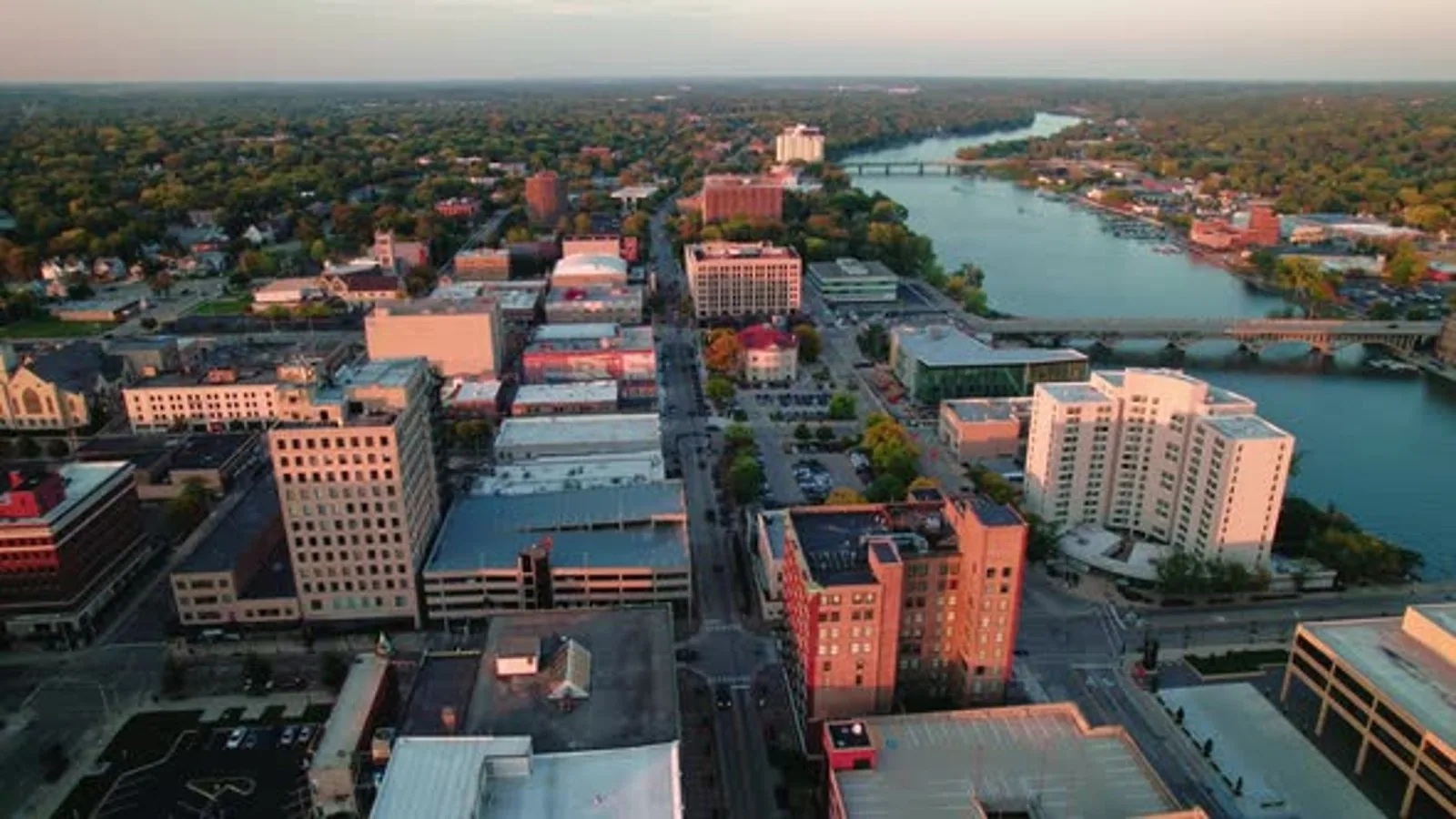
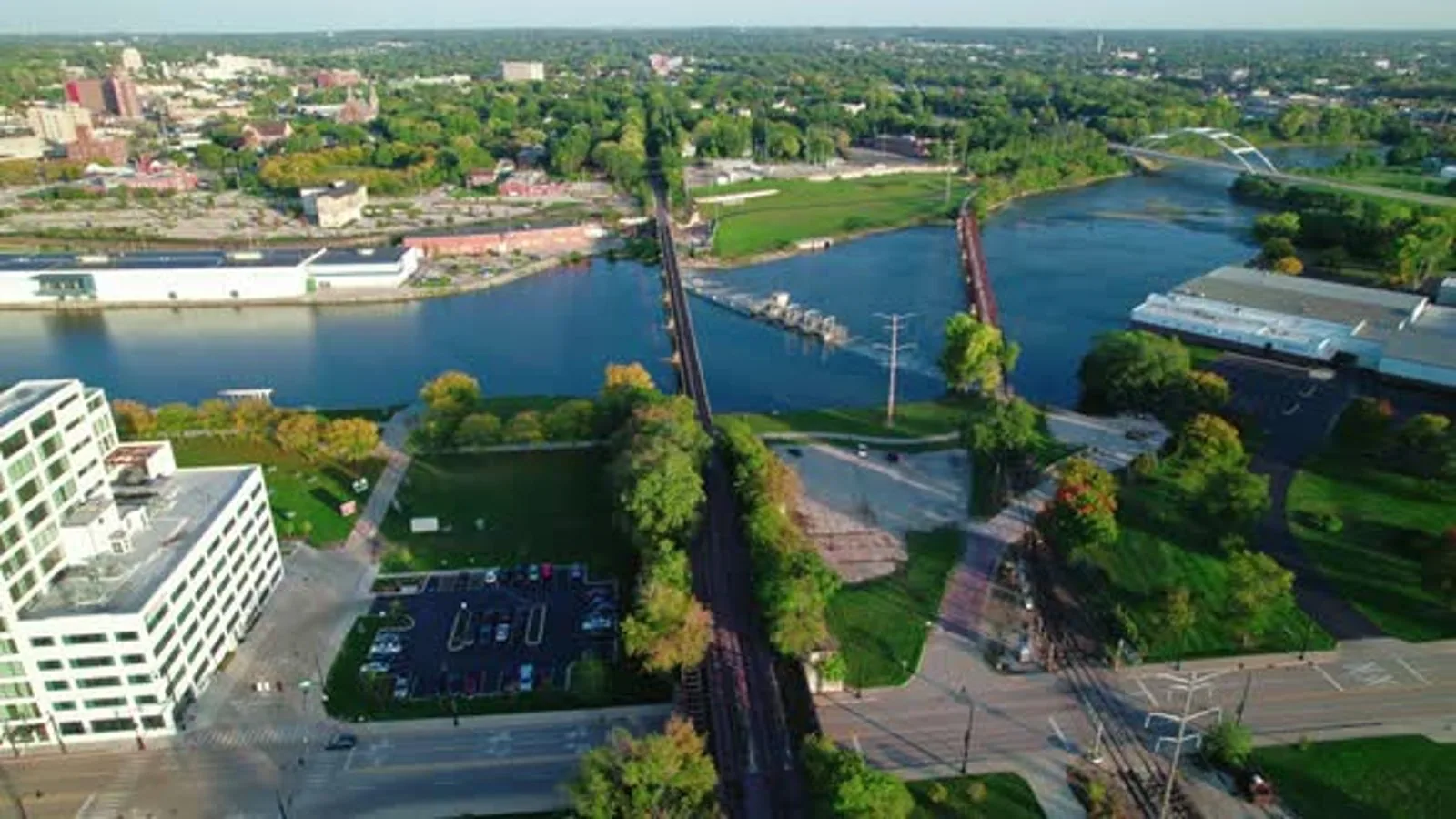
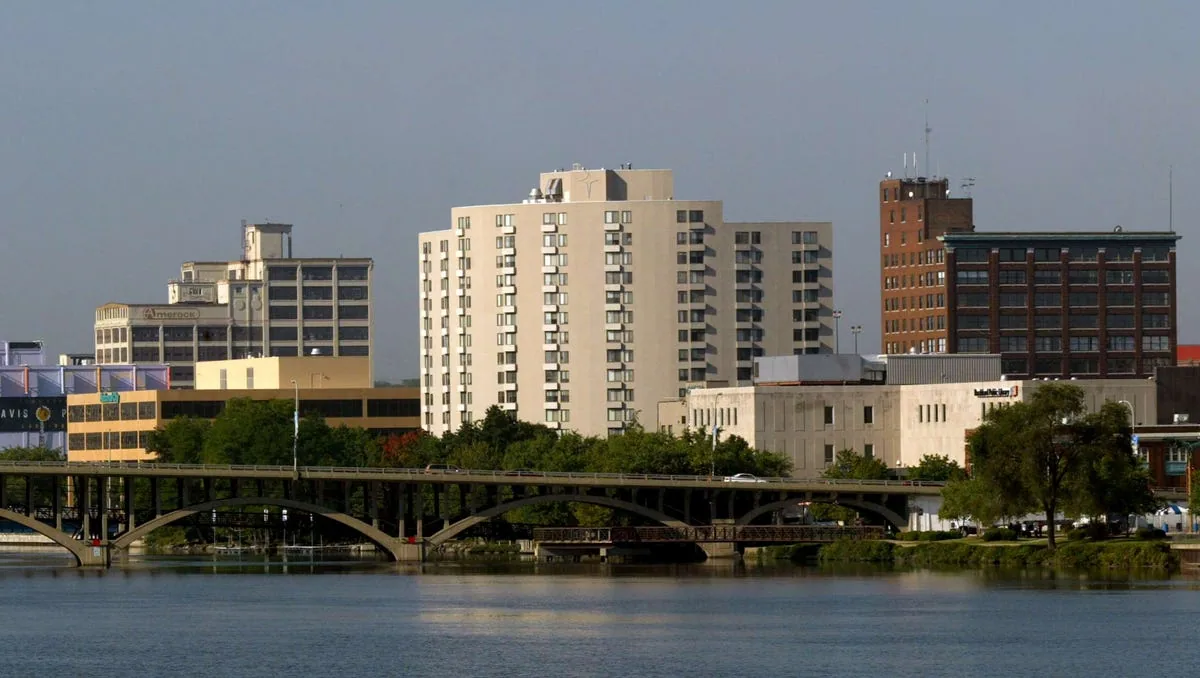
Rockford's mix of manufacturers, logistics facilities, healthcare, schools, retail and downtown redevelopment puts different demands on each roof. The North Main logistics area and East State Street retail corridor illustrate that range. Older buildings being converted to new uses also need a careful look at insulation, drainage and penetrations before construction decisions are locked in.
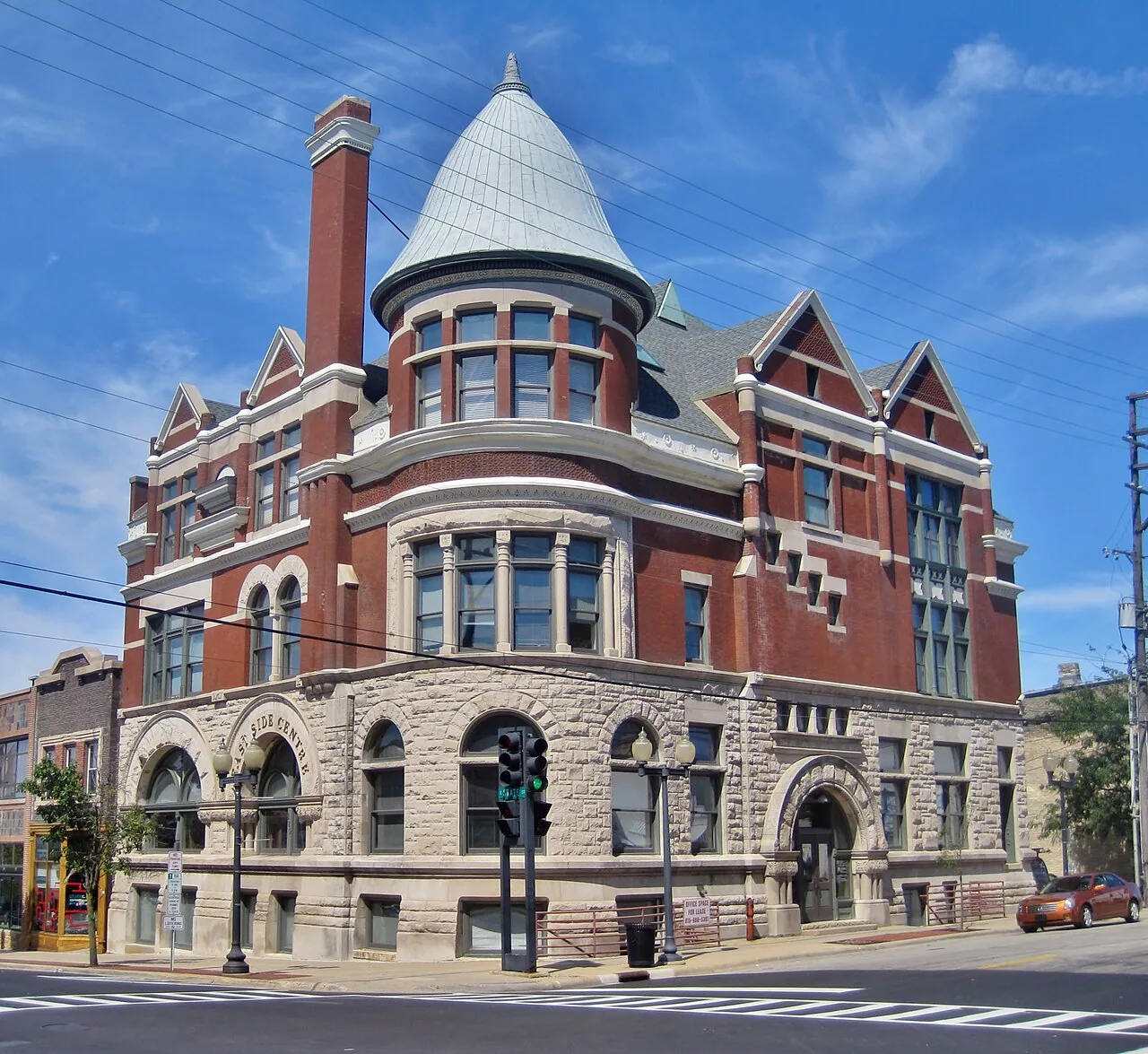
The region's building mix makes a one-size inspection checklist a poor fit. A warehouse may have long drainage runs and many rooftop units; a clinic adds air-intake protection and patient access; a school needs work timed around the academic calendar. Historic commercial buildings downtown may have several generations of patches and transitions. We adjust the inspection route and report to the building's actual use, access conditions and roof layout instead of assuming its size tells the whole story.
Keep tenants, patients and operations running
Most properties stay open while roofing work proceeds. Occupied building reroofing includes sequencing, temporary protection, controlled access and coordination around entrances, intakes and working hours. For guard or federal facilities, military installation roofing begins with access requirements, escort rules and the owner's security process.
Before mobilization, the property team should agree on where materials will be staged, which entrances remain open and who can authorize a temporary shutdown. Work above a kitchen, lab, production line or occupied office may need added protection below the deck. Daily closeout matters too: the crew should leave a watertight boundary, remove debris and tell the site contact what changed. These steps reduce interruption and make it easier to identify the source if a new concern appears.
Answer when the weather does not wait
Storm response starts with protecting the building from additional water entry, then recording visible damage and identifying permanent repairs. Our emergency roof repair work can include a temporary dry-in followed by a scoped repair. When wind, hail or falling debris has damaged the roof, storm and hail damage repair should match the observed condition and the building's operating needs.
After high wind, hail or a large rain event, a safe inspection should separate visible damage from conditions that require closer testing. Photographs taken from a consistent roof-zone map make later comparisons more reliable. If water is already inside, temporary protection comes first, followed by a permanent scope once the membrane, insulation and deck can be assessed. Owners should keep repair invoices, photographs and dated notes with their property records so the sequence of events remains clear.
Protect your money over the long haul
Planned maintenance can keep drains open, seams visible and flashings in service before a small defect becomes an interior loss. Preventive roof maintenance, condition reports and replacement forecasts help owners plan work across seasons. We provide photographs, findings and clear pricing so a property manager, board or lender can understand the recommendation and decide what should happen next.
A maintenance record also protects continuity when the property changes hands or the facilities manager changes. Keep the roof plan, warranty documents, inspection notes, repair invoices and photographs in one file, with dates and locations attached. A recurring walk can catch loose edge metal, debris at drains or sealant movement before those defects reach the interior. When a major capital decision is near, a current condition report gives the owner a practical starting point rather than a guess based on the last leak. For a multi-building portfolio, use the same roof-zone names from one visit to the next so repair history and spending forecasts stay comparable across properties.
Questions Owners Ask
Will you give me a second opinion on a bid I already have?
Gladly. Send us the scope, and we will look at the roof and the bid together, and tell you whether the work and the price make sense. You owe us nothing for the opinion.
How do you decide between repairing and replacing?
We check the membrane, the seams and, most of all, whether the insulation under it is wet. A dry roof with scattered problems is worth repairing, while a roof with widespread moisture usually is not.
What does an assessment cost me?
Call and ask us. We will explain what is involved in the walk-through and what you will receive at the end, so there is nothing hidden in the arrangement.
Do you work outside the city limits?
We do, across the surrounding towns and into southern Wisconsin. The inspection, the written findings and the honest pricing stay the same wherever the roof is.