Commercial Roofing in the South Rockford Logistics Corridor, IL
Roof inspection, repair and replacement for new and existing warehouse and distribution buildings along the South Rockford logistics corridor in Rockford, IL.
South Rockford Logistics Corridor

South Rockford Logistics Corridor
Rockford, IL
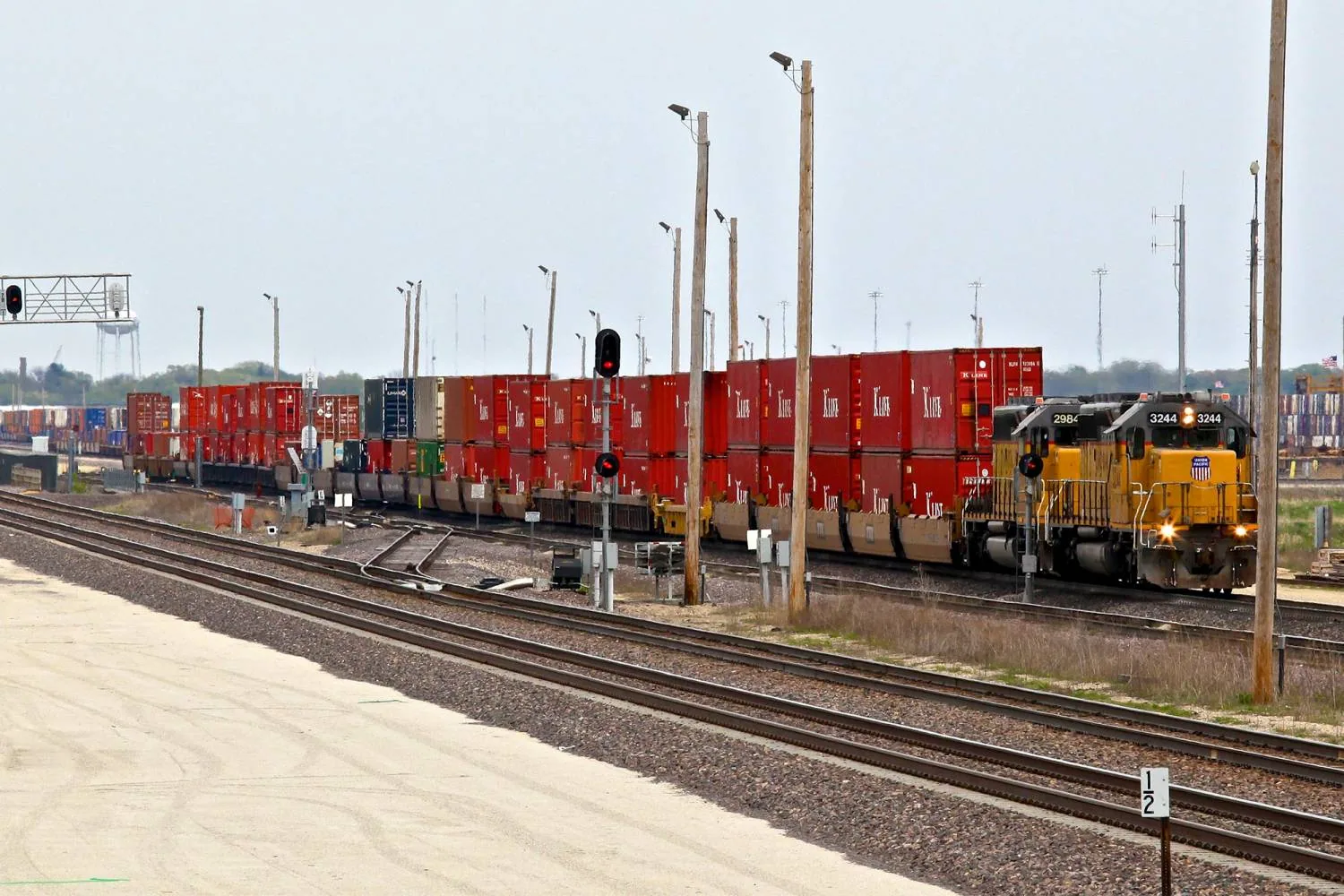
South Rockford's logistics corridor is expanding around U.S. 20, South Main Street and the airport, with a mix of existing industrial buildings, rail-served land and new distribution development. Hillwood's Rockford Logistics Park 20 is one visible project, but the corridor includes multiple properties whose roofs will see different tenants, dock schedules and equipment loads. Large roofs need a first-year inspection even when the warranty is new: check drains, seams, edges and rooftop curbs, and keep the closeout record tied to each building. In Rockford, about 134 annual freezing days put new and aging assemblies through the same repeated movement.
If you own, lease or manage space in this corridor, arrange the roof walk around dock operations and keep the warranty documents with the dated inspection photos.
Walk the new roof before the first tenant moves in
Roof defects on new buildings are mostly workmanship, and they show up early. Unwelded seam ends, flashings terminated too short, fasteners backing out of a deck, and drains set slightly high all start small. A speculative building makes that harder to catch, since nobody is inside to see a stain and the owner may be an investor who is not on site. A first-year inspection with photographs is the cheapest insurance you can buy, because a defect found inside the contractor's warranty period is a call to the installer, and a defect found later is your problem.
Heavy rain is part of the test. The July 2024 flood overwhelmed Rockford's stormwater systems, and a big flat roof that holds even a few inches of water over a low spot is carrying real weight. Check that every drain and scupper is clear and that the roof slopes toward them. Owners often miss the small details of roof drains and scuppers on a new building, such as a sump set an inch high.
Keep the warranty paperwork where you can find it
A roof warranty is only worth the file it lives in. Many owners cannot say who installed the roof, who the manufacturer is or what activity voids the coverage, and they learn it when a leak appears and the clock has already run. Put the contract, the warranty and the as-built roof plan in one place before the building is turned over to a tenant. Then ask the tenant to call you before anyone else cuts into the roof, because a rooftop unit installed by the wrong crew can void the coverage in one afternoon.
Good roof warranty management means tracking those obligations from day one, and a due diligence roof survey lets a buyer see what a roof really holds before closing.
For a multi-building site, assign each roof a permanent building ID and mark drains, expansion joints, and equipment zones on its plan. Tenant names change, but a stable roof map still sends a leak report to the right building and dock area.
Expect the penetrations to multiply
A speculative building starts life with a clean roof, and tenants change that. Every rooftop unit, exhaust fan, solar mounting, antenna and sprinkler riser adds a hole or a support, and each one needs flashing that will last through freeze-thaw cycles. A warehouse that begins with a handful of penetrations can have dozens within a few years, and many are installed by trades who do not repair membranes for a living. Insist that roof work done by other trades be reviewed by a roofer before the crew leaves.
The roof type matters too. Many large distribution roofs use white single-ply membranes, and a TPO roof reflects summer sun well but depends on tight seams and careful details at every curb. A distribution center roof and a plain warehouse roof behave much alike, with long runs, few interior walls and heavy dock traffic below. Ask for a written plan for each penetration before it goes in, not after the leak.

Plan for what is coming to Edson Road and U.S. 20
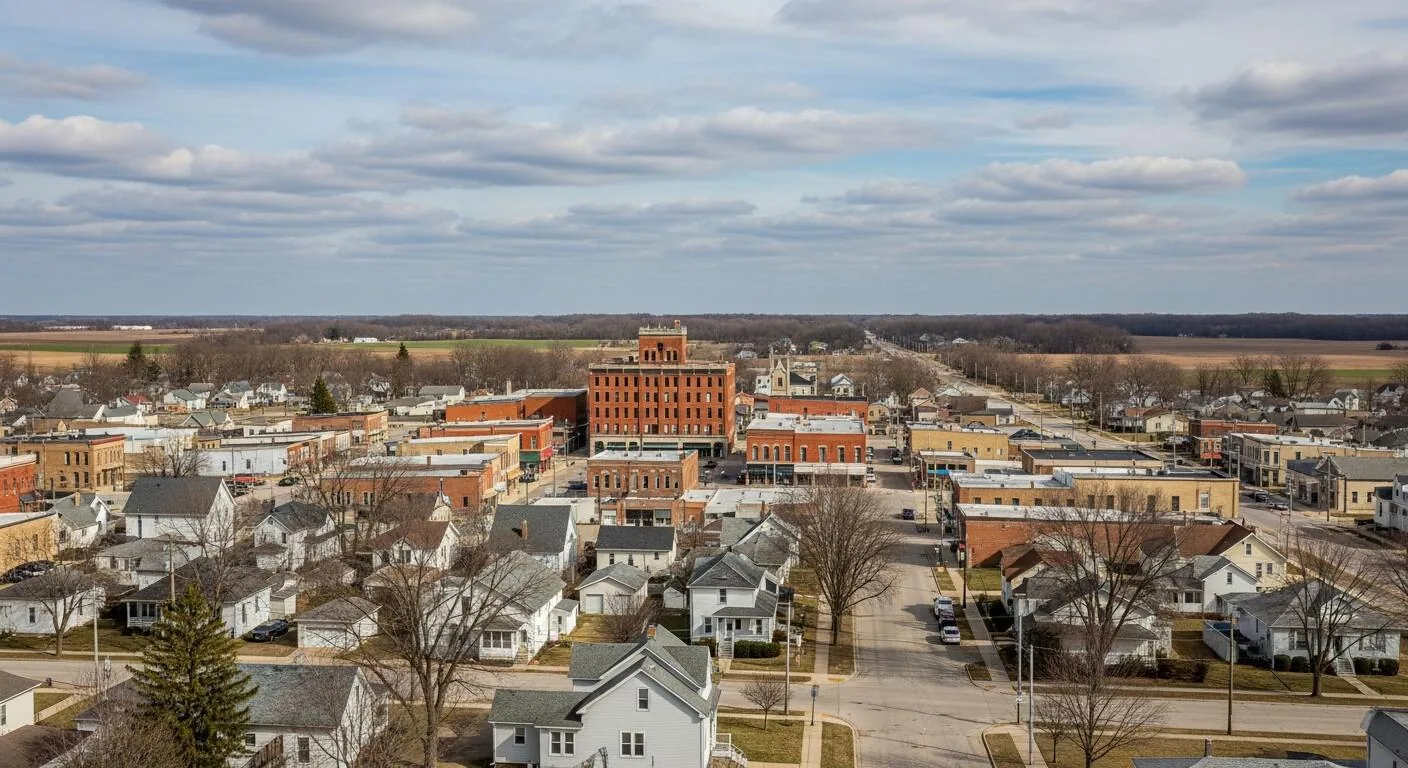
The corridor is still being built. On July 20, 2026 the city council approved the South Rockford Industrial TIF. It takes in the old Global Trade Park South ground plus roughly 166 acres where Venture One plans an industrial park off Edson Road. The state has put $3.68 million toward water and sewer for a 316 acre site at the southwest corner of South Main Street and U.S. 20. A data center has been floated for a large Edson Road tract that has carried I-2 zoning since a 2008 annexation, but no site plan has been filed, so treat it as a possibility only.
That means roof demand here may grow, and quality will vary. Ask any contractor you consider how many roofs of this size they have actually finished, who supervises them and what the schedule looks like if a storm arrives in the middle of a tear-off. If a data center ever does arrive, its roof would carry heavy equipment loads with a very low tolerance for leaks, and any data center roofing bidder should be held to that standard.
Time roof work around freight and the thaw
Distribution buildings run hardest when the weather is worst, since the holiday freight surge lands in cold months. Roof repairs that can wait should be done in the mild weeks of spring or early fall, when seams bond and sealants cure properly. Anything urgent in winter calls for a dry-in first and a permanent repair later. Wind is the other worry. The storm of November 10, 2020 sent a 73 mph gust through Winnebago and left damage all over the county, so a large roof deserves a look after any blow that strong.
The airport is about a mile from Rockford Logistics Park 20, and roofs near the cargo ramps at Chicago Rockford International Airport raise the same questions about crane limits and debris control. Logistics and 3PL operators answer for customer freight under the roof as well. A building in Downtown Rockford has different delivery and access needs, so its plan stays separate.
New distribution buildings south of U.S. 20 need a closeout record from the first season, even when the roof is still under warranty. Keep the approved assembly, daily progress photos, seam test results and drain locations in the facility file. For speculative or phased developments, map each building separately and name the party responsible for rooftop changes after tenant occupancy. Before a future solar or HVAC project, verify the structural capacity and warranty process rather than relying on the original construction schedule.
Questions Owners Ask
Does a brand-new warehouse roof still need inspection?
Yes, in its first spring. Defects from installation show up early, and finding one inside the warranty period means a call to the installer rather than a bill to you.
What happens to my warranty when a tenant adds a rooftop unit?
It can be voided if the wrong crew cuts the roof or skips the manufacturer's flashing details. Require tenants to call you first, and have a roofer review the work.
Should an investor test the roof before buying a speculative building?
Test it. A survey and a set of photographs will show whether the work was done right and what it will cost to fix whatever was not, before you commit.
Which roof system suits a large distribution building?
White single-ply membranes such as TPO are common because they reflect heat and weld at the seams. The sheet matters less than the attachment, the insulation and the detail work at every curb.
How do I keep roof repair from stopping the dock?
Phase the work in sections away from the active doors, schedule the loudest tasks between shifts, and agree in writing on how the crew will protect freight below.