
Built-Up Roofing in Rockford, IL
Built-up (BUR) roofing in Rockford, IL: how multi-ply gravel roofs carry snow and age, when to repair or replace, and what removal and disposal really cost.
Built-Up Roofing
Built-Up Roofing
Rockford, IL
Two feet of wet snow is a lot of weight on an old gravel roof, and Rockford, IL has seen worse: the winter of 1978-79 dropped 74.5 inches, against an average of about 36. A built-up roof is heavy by design, with layers of bitumen and reinforcing felt topped by stone, so it sits on the deck all winter along with whatever the sky adds. For a building owner that raises two questions at once. Is the structure still carrying the load comfortably, and is the roof itself still sound under the gravel? Built-up roofs are common on older low-slope buildings, and many are still doing the job. The issue is that gravel hides problems, so by the time a stain shows on the ceiling the water has often been in the insulation for years. Knowing what is under the stone is the first piece of money you can protect.
Before you spend on a built-up roof, have it scanned or cored. Do not guess from the surface.
Count the plies before you count the years
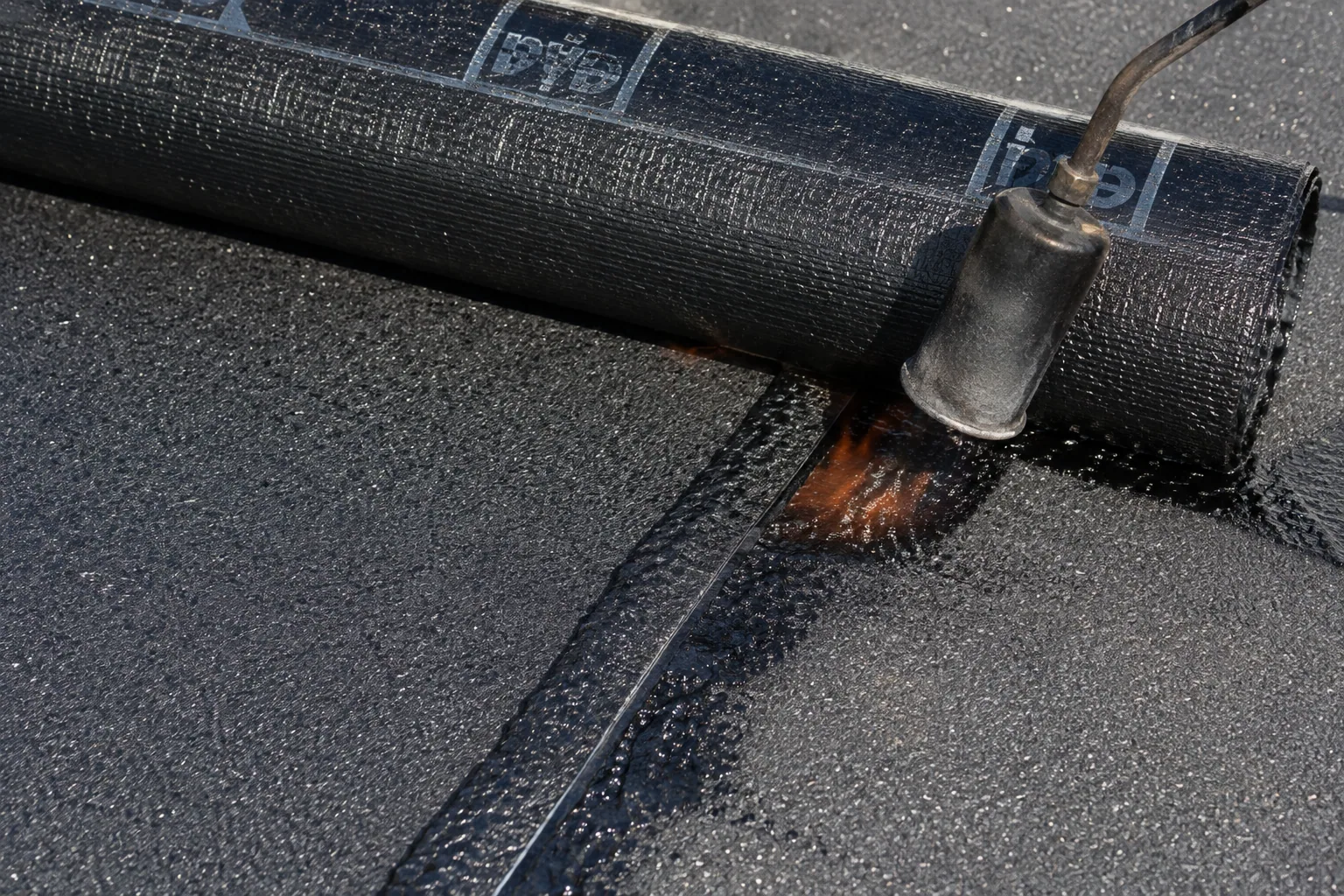
A built-up roof, or BUR, is made on the roof itself: alternating layers of hot asphalt or coal tar and reinforcing felts, three or four deep, finished with gravel, a mineral-surfaced cap sheet or a reflective coating. That layering is its strength. A pinhole in one ply is covered by the plies above and below it, and the redundancy is one reason BUR has a long track record on flat roofs. It is also why a failing BUR can look healthy for a long time and then show water in several places at once. Freeze-thaw cycling, about 134 freezing days a year in Rockford, opens splits at the edges and at the seams over insulation joints, and the thermal movement of a flat roof with gravel is slow and constant. We count plies by cutting cores, and we read the layers for moisture, brittleness and delamination.
Get the ply count and the layer condition in writing. They set the price of every option you will be offered.
Weigh the snow, the gravel and the deck
Gravel protects the bitumen from sun and hail, holds the roof down in wind and gives some fire resistance. It also scours the membrane if it blows loose, clogs drains, hides blisters and splits and makes a leak hard to trace. Buildings from the 1960s and 1970s, such as the 5.3 million square foot Belvidere Assembly Plant, which opened in 1965, come from an era when built-up roofing was the default for large flat roofs, and a roof on a building that age may have been recovered more than once. The lesson is the same for any building of that age: find out what is on top and how many layers there are, check the structure, then check the roof. When the snow load, the gravel and any prior recover layer add up, the deck has less reserve than the original design assumed, and an engineer should look before anyone adds a layer.
Ask whether the deck can hold another layer before you sign for a recover. A new roof on a tired structure is an expensive mistake.
Decide between repair, restoration and replacement
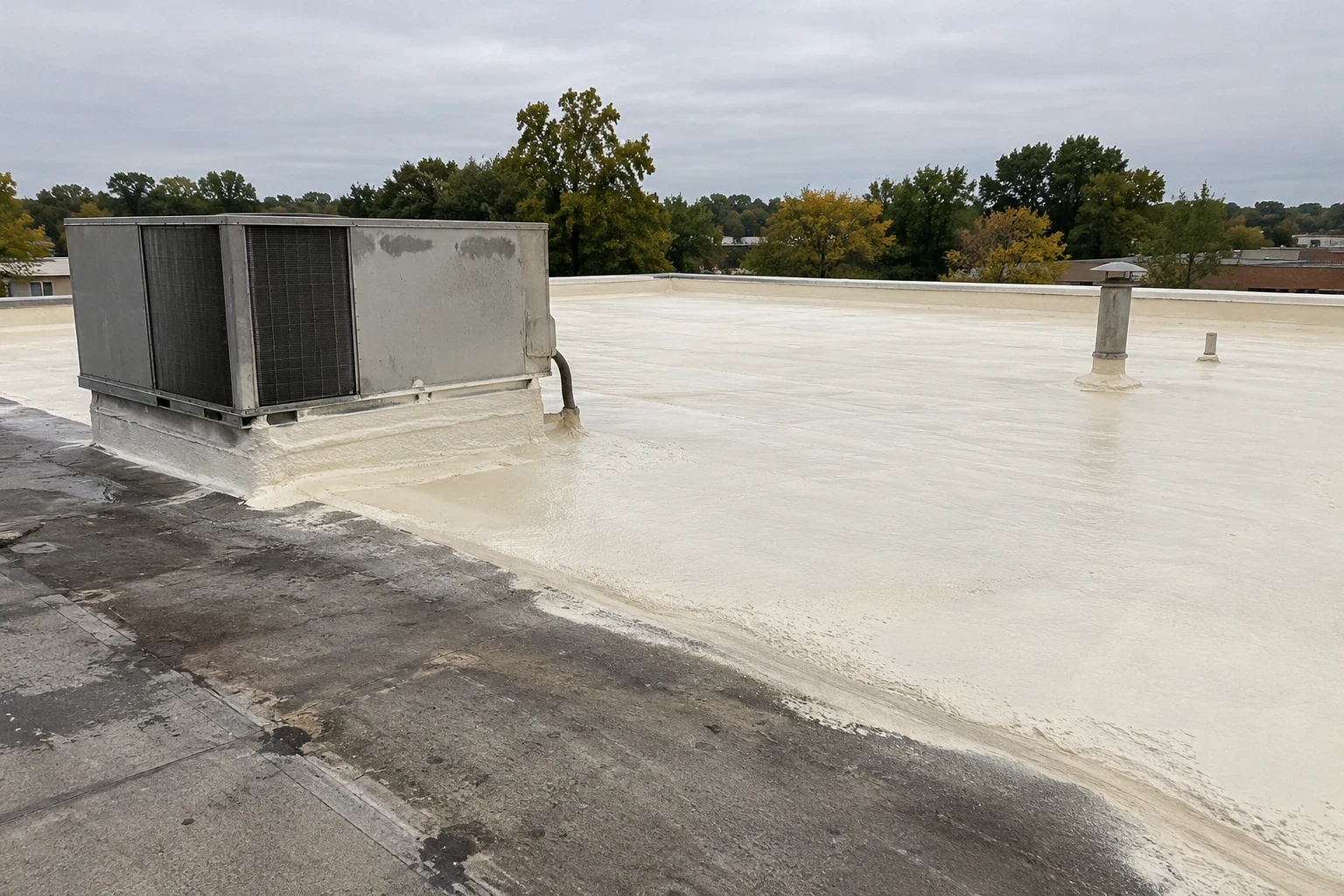
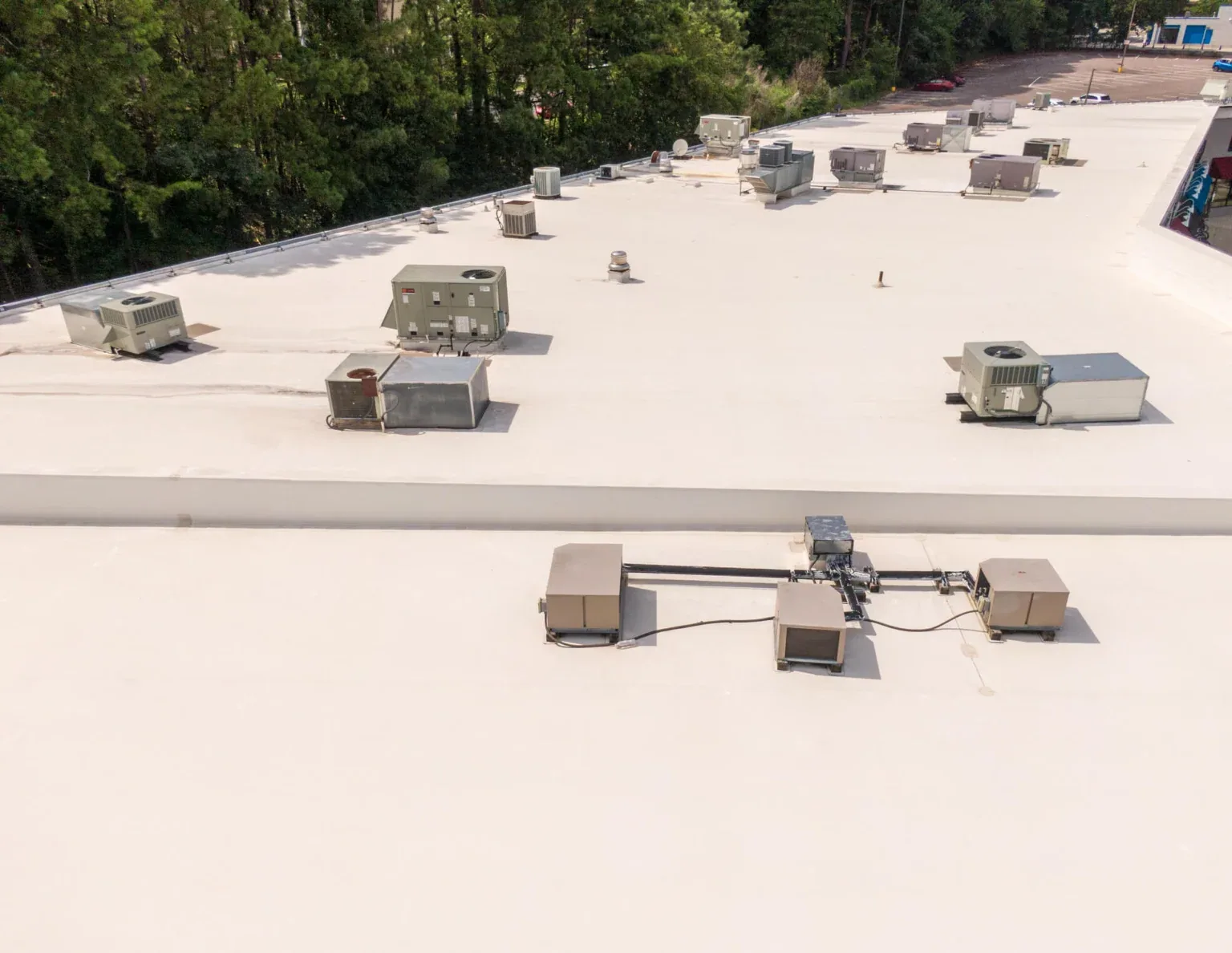
An aging BUR does not always have to come off. If the insulation is dry and the plies are intact, a flood coat of fresh bitumen with new gravel, or a coating and restoration system, can add years for much less than a tear-off. If water has soaked large areas of insulation, the money goes to the wrong place when you patch. That is the call a moisture survey makes clear, because it maps the wet areas before anyone cuts a core. Replacement on a roof that has failed is a bigger bill, and it should include insulation that meets the current energy code. Rockford follows a 2024 Illinois Energy Conservation Code based on the 2021 IECC, so a new roof usually means more insulation than the old one had. Ask for the replacement price, the repair price and the restoration price side by side.
If only one price is offered, that is a sales pitch, not a recommendation.
Ask about kettles, fumes and the neighbors
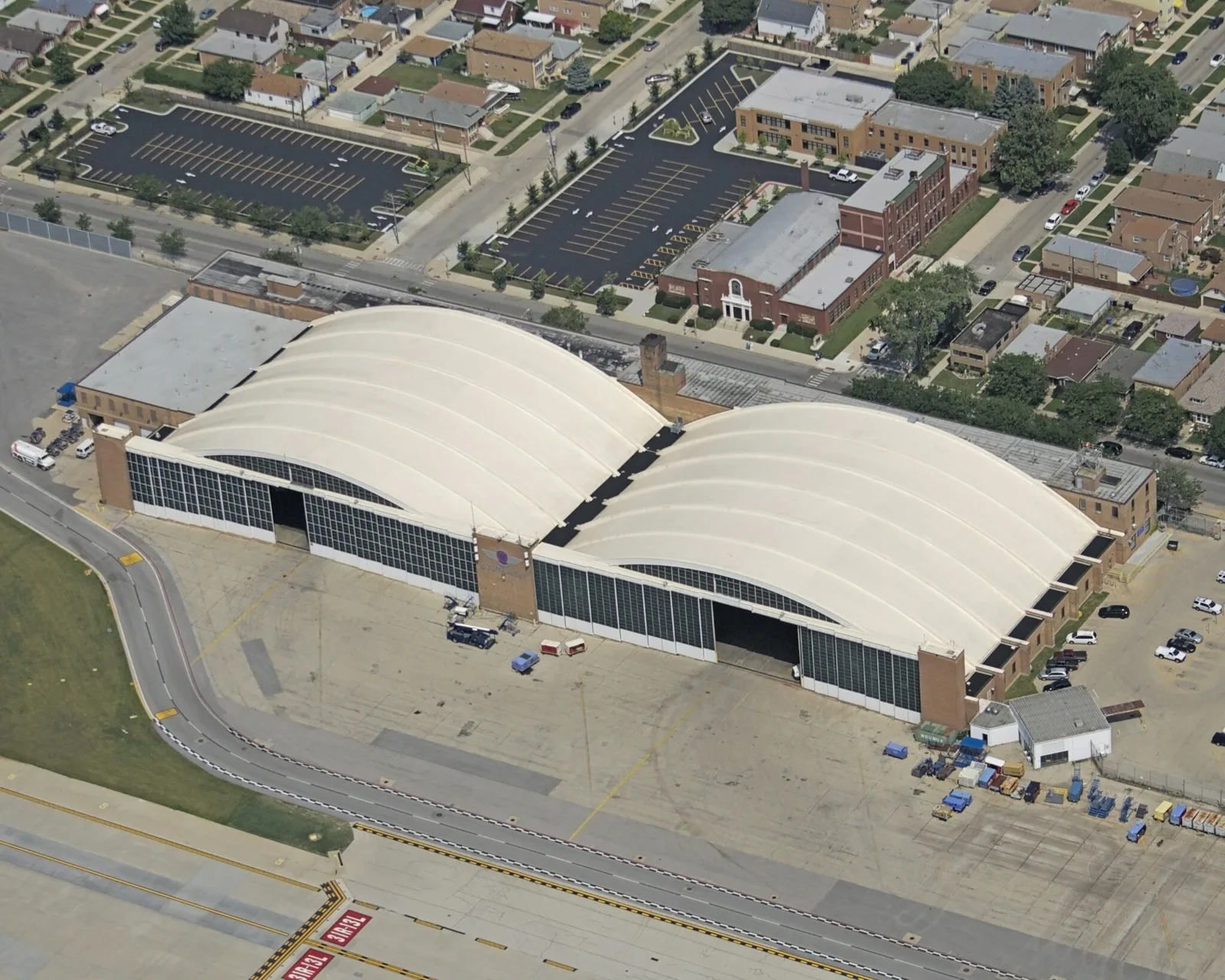
Hot-applied BUR means a kettle on the ground or a tanker on the roof, heated bitumen and fumes that can drift. Plants, hospitals and schools with sensitive air intakes need a plan for where the kettle goes, which intakes get covered and when the work happens. A hospital campus along Riverside Boulevard, with continuous operations, is the extreme case, but any precision plant, whether it makes energy control systems like Woodward in Loves Park or fasteners, runs equipment that is sensitive to dust and smoke. Cold-applied adhesives and modified systems like modified bitumen can replace hot work where fumes are a concern. Older roofs can also contain asbestos in felts or flashings, so test materials before demolition and handle removal by the rules.
- Where will the kettle sit, and which intakes are covered?
- Has the old roof been tested for asbestos?
- What happens to the gravel and the debris?
Budget for removal and disposal, not just the new roof
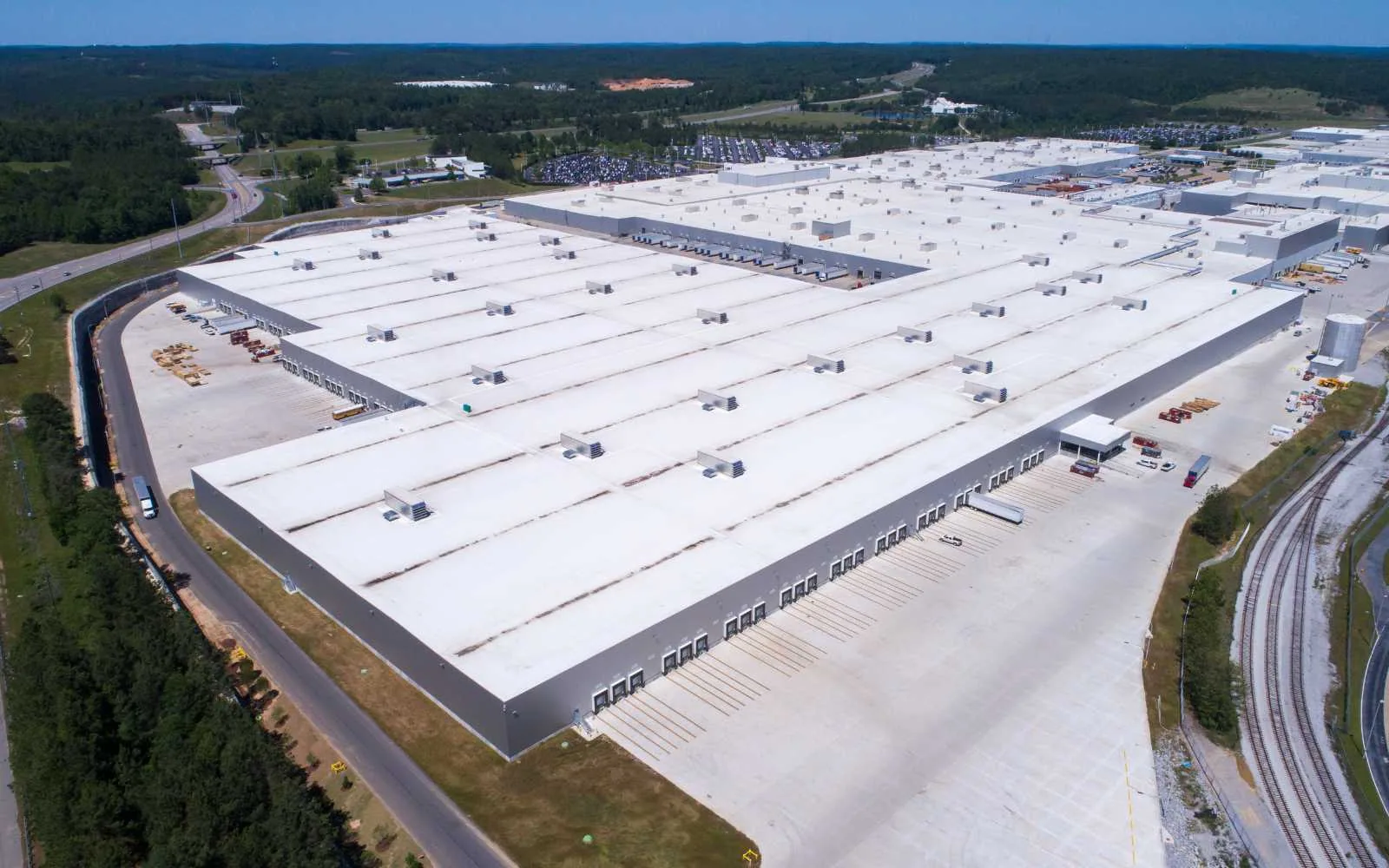
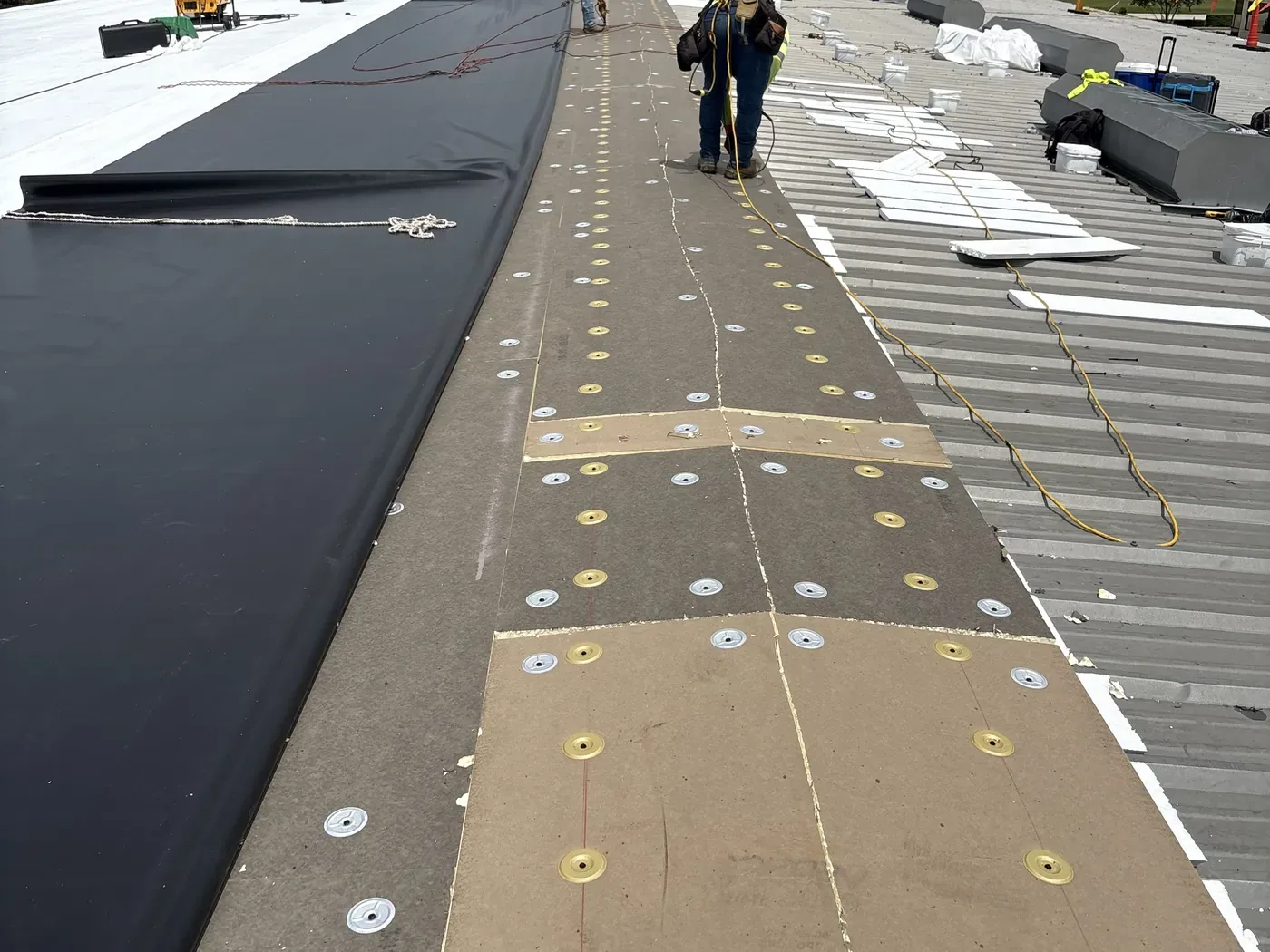
Tearing off a gravel roof is heavy work. Stone has to be swept, bagged or vacuumed, the layers are hauled away and the deck must be inspected before anything new is installed. That labor and disposal can make up a surprising share of a bid, so check that it is spelled out instead of buried. In Rockford, schedule the tear-off for warm, dry weather and plan the structure for what comes next, which may be TPO or another low-slope system that weighs far less than the old gravel roof. Roofs over manufacturing plants and hospitals are best done in sections, with each section dried in before the crew leaves.
Get the removal quantity, the disposal plan and the deck repair allowance in the bid. Those are the lines that turn into change orders later.
A built-up roof can contain several plies installed at different times, so a surface patch may conceal a much larger separation. During inspection, record the surfacing, identify alligatoring, blisters and exposed reinforcement, then select test cuts that reveal the actual layer sequence. Gravel should be moved and restored carefully around drains and wall flashings. For a building in the North Main area or an older downtown property, document how each addition ties into the original roof before pricing a recover or tear-off.
Questions Owners Ask
How long can an old built-up roof keep going?
As long as its plies stay bonded and its insulation stays dry. Cores and a moisture scan give a better answer than the calendar, so start there.
Why do I have gravel on my roof?
It shields the bitumen from sun and hail and helps hold the roof in wind. The tradeoff is that it hides defects and makes leaks harder to find.
Can a new roof go over my old gravel roof?
Sometimes, with a cover board and a dry roof underneath, but the deck and local code must allow it. Many gravel roofs have already been recovered once.
Is hot asphalt still allowed near my air intakes?
It can be done with a plan: covered intakes, a kettle placed downwind and timing that avoids peak occupancy. Cold-applied choices exist if the risk is too high.
Does a new roof have to add insulation?
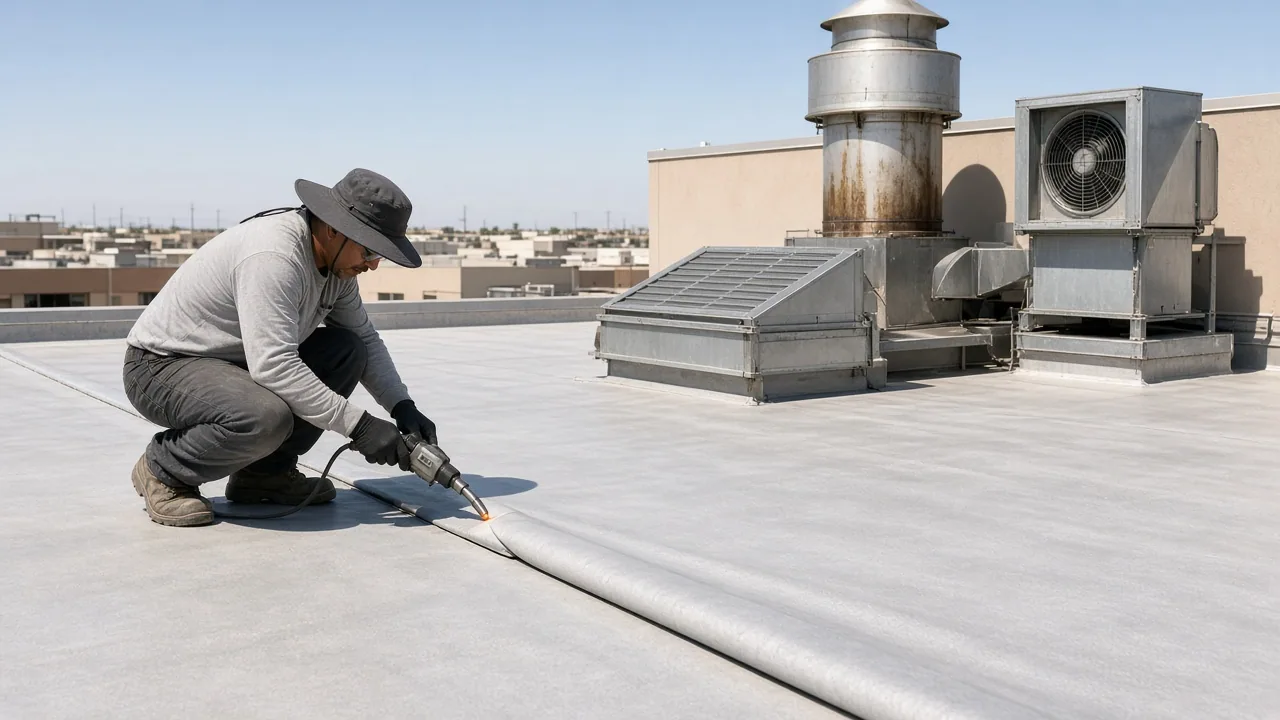
Usually, yes. A full replacement is a trigger for current energy code requirements. Your contractor should show the number and what it costs before work begins.