
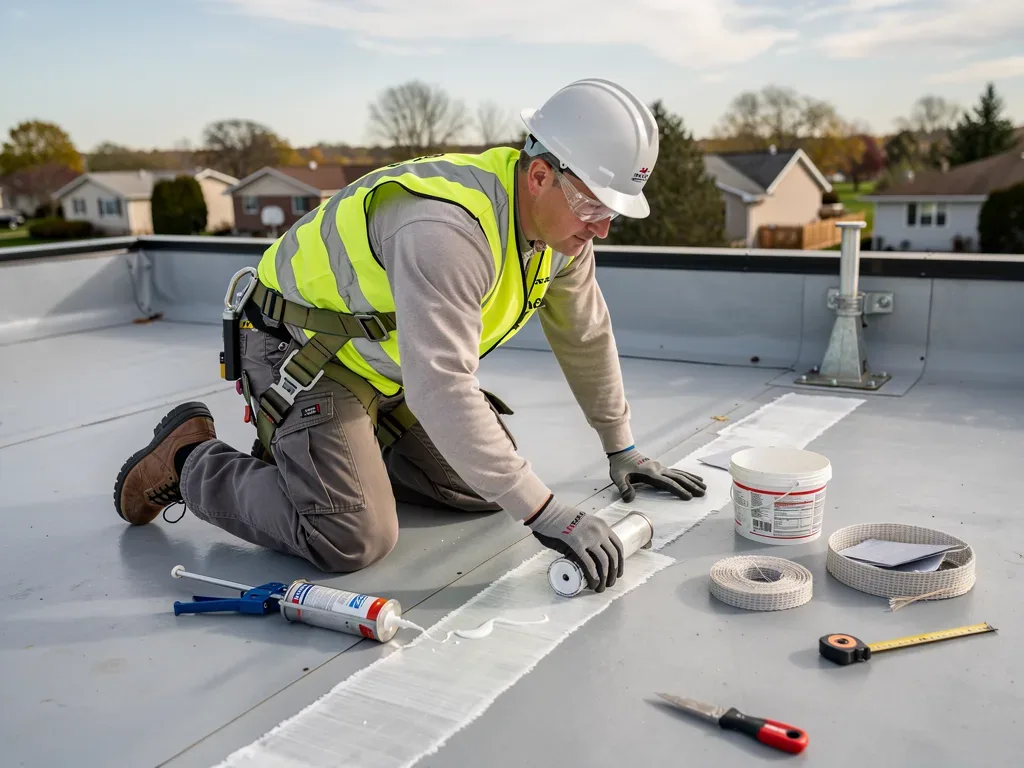
Membrane Puncture Repair in Rockford, IL
Membrane puncture and foot-traffic damage repair for commercial roofs in Rockford, IL: find every hole, dry the layers underneath and patch it to last.
Membrane Puncture Repair
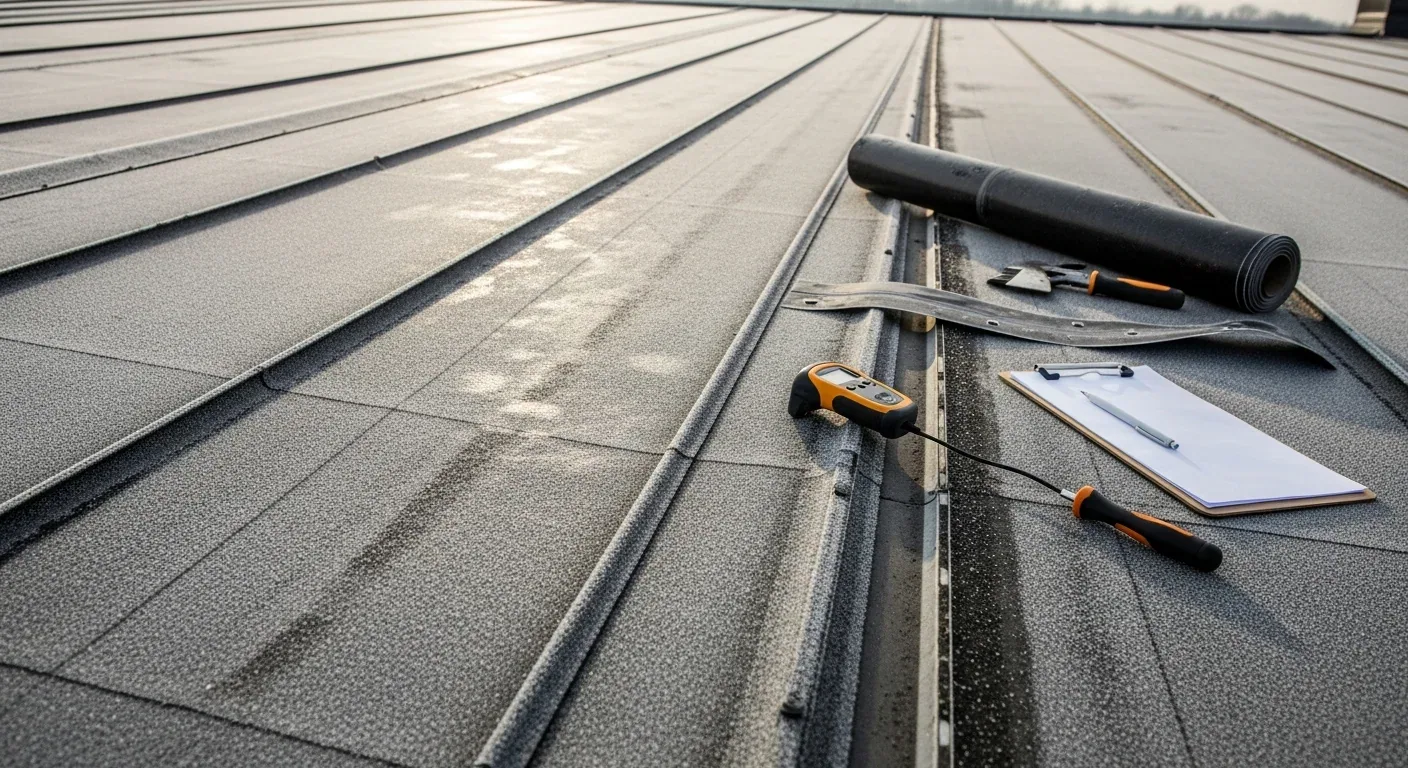
Membrane Puncture Repair
Rockford, IL
Most punctures happen on the way to something else. A technician carries a tool bag across the roof to a rooftop unit, a ladder foot settles on a soft spot, a screw drops from an unfinished repair, and the membrane takes a small hole that nobody sees. In a Rockford, IL winter the hole matters more than it did in July. Snow hides it, meltwater finds it, and the water that gets through freezes in the insulation and thaws again, working outward through a roof that looked fine from the hatch. Cold also makes single-ply sheet stiffer, and Rockford logs about 12 days a year below 0 F, so a boot that would barely scuff a warm roof can crack a cold one. Foot traffic is the damage the owner pays for twice, once for the repair and once for the wet insulation.
Find out who has been on the roof, and look where they walked.
Follow the footprints from the hatch to the equipment
Punctures cluster where people go. They line up between the roof hatch and the rooftop units, around the curbs, at the base of ladders and wherever a trade stopped to work. On a building the size of CherryVale Mall, two levels and more than 850,000 square feet of floor, the walk from the hatch to the far side of the roof is long, and every trip is another chance for a boot or a dropped tool to find the membrane. Big footprints like the 200,000 square foot AAR aircraft maintenance building at Chicago Rockford International Airport make the same point: the longer the walk, the more membrane gets stepped on. Once you know where the traffic runs, you know where to inspect first. Other damage patterns mix in as well: dropped tools leave round punctures, a sharp-edged piece of debris from a storm leaves a gash, and gravel or fastener heads working up through a tired sheet make pinholes from below.
Walk the traffic route first. Most of the damage is within a few steps of it.
Treat the hole as an opening into a layered system
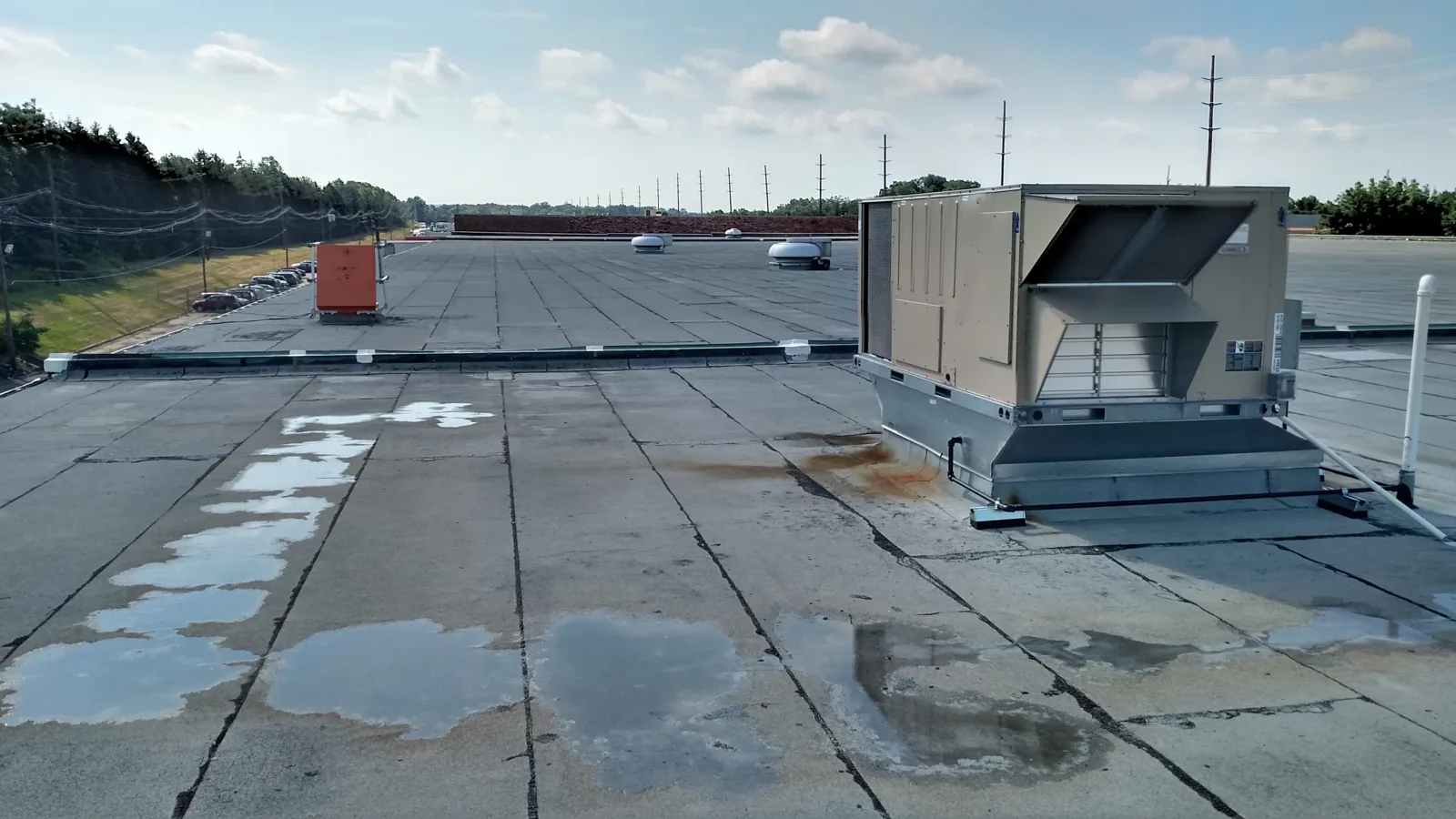
A puncture is not just a hole in the top sheet. Under it sit insulation, a cover board and the deck, and water that gets through travels along the layers, not straight down. That is why a tiny hole can produce a stain several bays away, and why the repair has to deal with what the water has reached. We probe around every puncture for soft or wet insulation and use moisture detection to see how far the water went, including infrared moisture survey work when the roof is large or the damage is widespread. If the insulation is dry, the patch can go on quickly. If it is wet, it comes out and is replaced, because a clean patch over a soaked board only seals the water in.
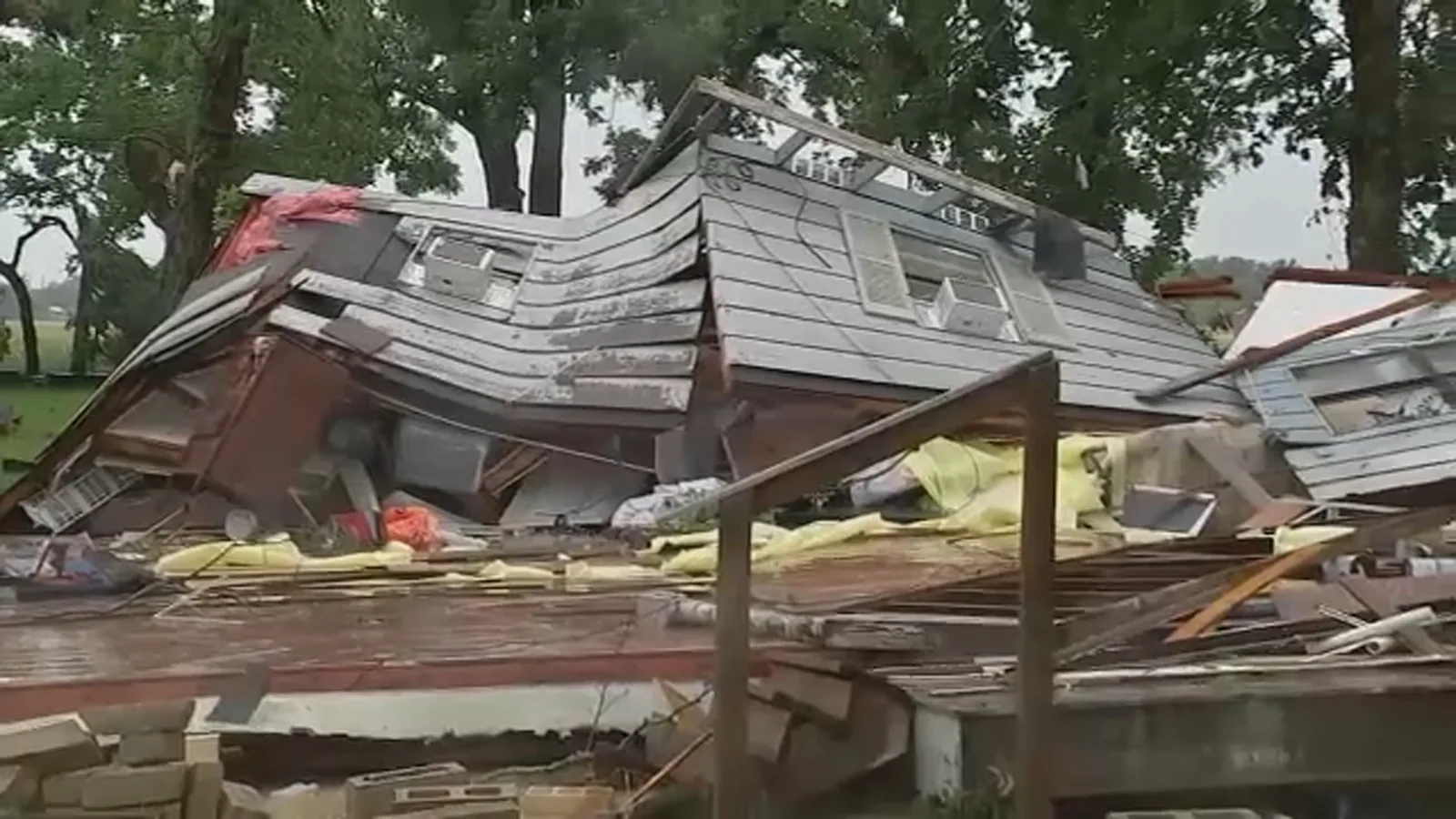
Winter adds a hazard of its own. Snow hides punctures, and it also tempts crews to clear a roof with a metal shovel or an ice chopper, which can slice a sheet that was perfectly good. Use plastic tools, leave a layer of snow on the membrane where you can, and keep everyone off a roof that is glazed with ice. In a city that averages about 36 inches of snow a year, a roof does not need to be shoveled all the way down to the membrane, and every pass with a blade is a chance to cut it. When an owner calls us after snow removal, the damage is usually a long, straight gash, and we also look for a second one near the first, because the person who made one rarely made only one. A fast look after any snow clearing, even a careful one, is cheaper than the leak that follows a missed cut.
Match the patch to the membrane underneath
The repair depends on the sheet you own. A thermoplastic roof like PVC gets a welded patch cut to round corners and extended well beyond the hole. EPDM takes a primed, taped or adhered patch, and a modified bitumen or built-up roof gets reinforced and sealed with compatible material. Round corners matter, because square ones lift. The surface has to be cleaned and prepared, and the patch has to be made of the same family as the sheet or it will not bond. For scattered punctures across a roof with a lot of traffic, we also look at adding walkway pads along the routes people take, so the next technician has a defined path. Hail can leave holes that look like punctures too, and a hail-damaged roof needs the whole sheet checked, not one spot.
Make the person who made the hole pay for it
If a heating contractor, a satellite installer or a rooftop equipment technician put the hole there, that is a cost worth chasing, and the evidence is easy to lose. Photograph the damage, note the date and ask who was on the roof. Some building owners require every trade to sign in before going up, which makes the question simple to answer later. A sign-in sheet and a photograph before and after each visit costs almost nothing and can recover a repair bill many times its size. We document punctures in a form you can hand to another party, so a dispute does not turn on memory. This is also a place to be careful with your money: a patch is a few hours of work, and a quote that turns a puncture into a replacement should be met with a request for the repair price next to it.
Do not let a small hole sit while you work out who owes you for it. Repair first, then collect.
Close the hole quickly and make it last later
A punctured roof can be made watertight the same day with a temporary patch, and our crews respond around the clock for that, holidays included. In cold weather an emergency patch bridges the gap until the temperature allows the permanent welded or adhered repair. Because a quick patch is not the same thing as a lasting one, we mark each temporary repair and book the permanent one. For roofs that see regular service, the better long-term answer is a preventive maintenance program with a walk after every trade visit, plus protected routes to rooftop equipment. Compared with the cost of drying out and replacing wet insulation, those walks are inexpensive. Seams that open after repeated foot traffic are a related failure, and a failing seam gets its own repair.
On a large retail roof along the East State Street and CherryVale corridor, mark each puncture by roof zone and note whether carts or service work caused it. At the North Main freight area, track the route used by maintenance crews so repeat damage does not return beside the repaired sheet.
Questions Owners Ask
How can I find a puncture on a big roof?
Start along the path from the hatch to the equipment. A drone scan or moisture survey finds holes that foot traffic and snow hide, and it saves walking acres of membrane.
Is a small puncture an emergency?
In winter, treat it as one. Water that reaches the insulation can freeze and spread, so a temporary patch the same day is worth far more than a perfect repair next week.
Can a rooftop-unit technician be held responsible for the damage?
Often, yes, if you can show who was on the roof and when. A sign-in sheet and dated photographs make that case much easier.
Do walkway pads actually prevent punctures?
They take the wear and give technicians a marked path. Pads do not stop a dropped tool, but they protect the membrane where most boots land.
Will a patch hold up in freezing weather?
Temporary patches can seal a hole against water for a while. Welds and adhesives want mild weather, so the permanent repair is timed for it.