Office Building Roofing in Rockford, IL
Roof repair, maintenance and replacement for office buildings in Rockford, IL, planned around tenants, leases and winter, with fair prices and plain reports.
Office Building Roofing
Office Building Roofing
Rockford, IL
Every thaw in Rockford sends meltwater looking for the nearest ceiling, and in an office building that ceiling belongs to a tenant. The roof over a downtown mid-rise or a suburban office park sees about 134 freezing days a year, drifts of snow around the penthouse and rooftop units, and about 15 days a year above 90 F that bake a dark membrane. Each season pulls on the same flashings and copings. A leak that would be a bucket in a warehouse becomes wet carpet, a rent concession and a call from a tenant's lawyer in an office building in Rockford, IL.
If you manage or own an office roof, do not wait for a complaint. Get the roof inspected, get the report in writing, and know what condition it is in before the next lease renewal does the asking for you.
Follow the meltwater from the roof down to the lease
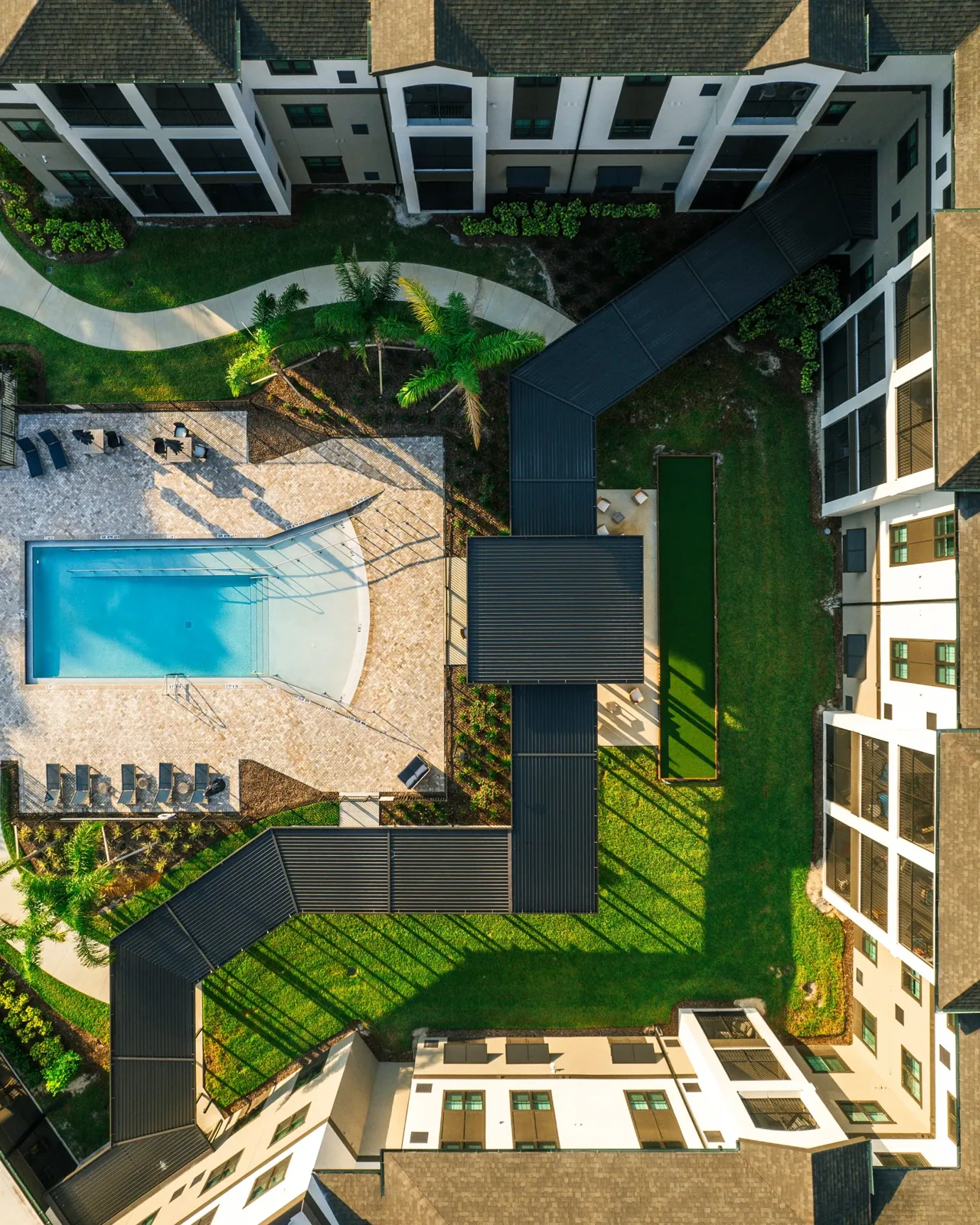
Office roofs are often a patchwork of old membranes, equipment screens, drains and tapered insulation that was installed in stages as tenants moved in and out. Ice builds at drains and scuppers and backs water onto the roof. Parapet copings that open a sixteenth of an inch let meltwater in behind the wall, where it travels along the top floor and appears in an inside corner. Rooftop HVAC units add curbs, lines and condensate drains that stay wet all summer, and summer heat then bakes everything they touch.
Downtown shows how much a roof survey has to find out. The Ziock Building, a 19-story tower in downtown Rockford, was converted to an Embassy Suites in 2020 (a hotel roof now), the 1929 Faust Hotel stands 186 feet tall, and the Chicago Northwestern freight station in downtown Rockford, a 1902 brick building, is a 1902 brick building headed for conversion. Nobody should assume what sits on top of any of them, and the same goes for any building in downtown Rockford: each roof gets its own survey.
Keep the cost of the roof off the tenant's back
On a multi-tenant office building, roof costs flow through leases, so find out how yours treat repairs and capital replacement before the work starts. Many leases allow repairs as an operating expense but treat replacement as a capital item, and a poorly documented repair history can start an argument with a tenant over what the roof is really costing. A written roof condition report keeps the record straight and supports whichever number you have to defend.
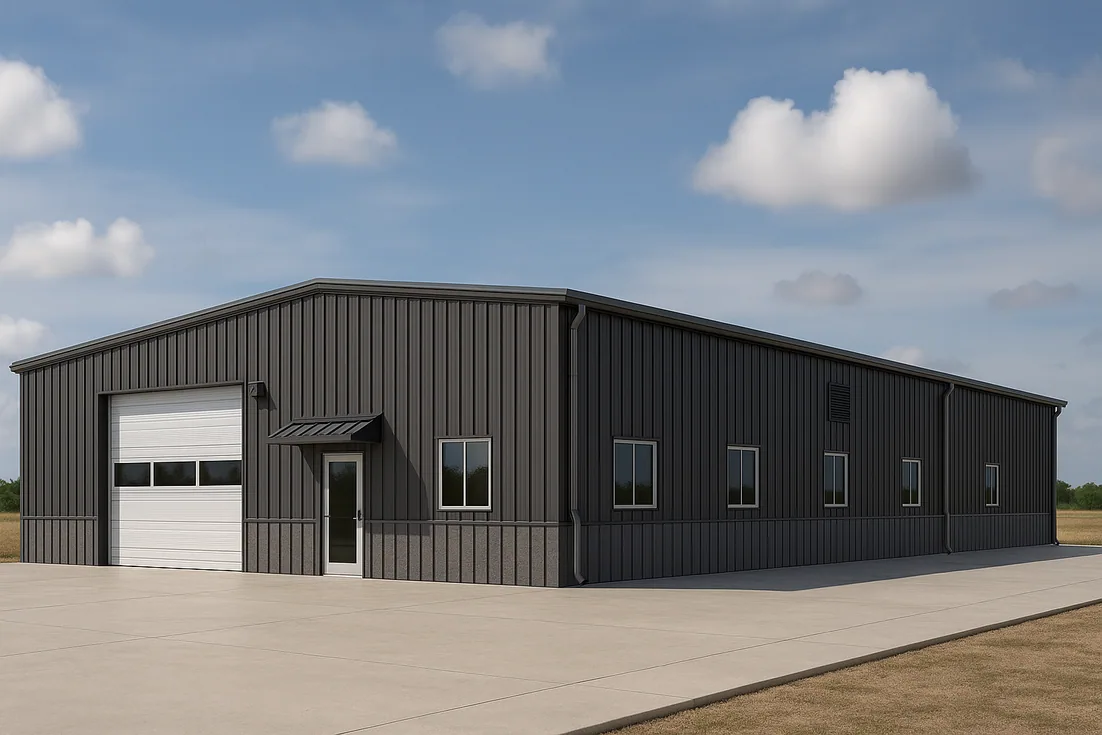
The things that drive cost in an office roof are the square footage, the number of curbs and penetrations, access for materials on a multi-story building, and whether the tear-off can be done without disturbing tenants. The 2024 Illinois energy code sets how much insulation has to go back on a replacement. Ask each bidder to list those items separately, and keep a second opinion in your pocket when a number is much higher than the rest.
Weigh repair, recover and replacement for the whole building
For an office building the right call depends on the age of the membrane, the condition of the insulation and how much of the roof is in use. A well-kept roof with a few leaking details may need nothing more than targeted repairs. A roof that is leaking in many places, or is carrying wet insulation, is a replacement candidate. Commercial roof repair keeps a roof running while you plan the capital project, and a recover over dry insulation can save tear-off and tenant disruption when the numbers support it.
Choose the membrane with the building in mind. White TPO and PVC suit most flat office roofs, while an older roof with heavy rooftop traffic may call for a built-up or modified bitumen system. If a roof deck is used as an amenity space, we detail pavers and pedestals so the waterproofing stays protected.
Ask what the crew will do to your tenants' day
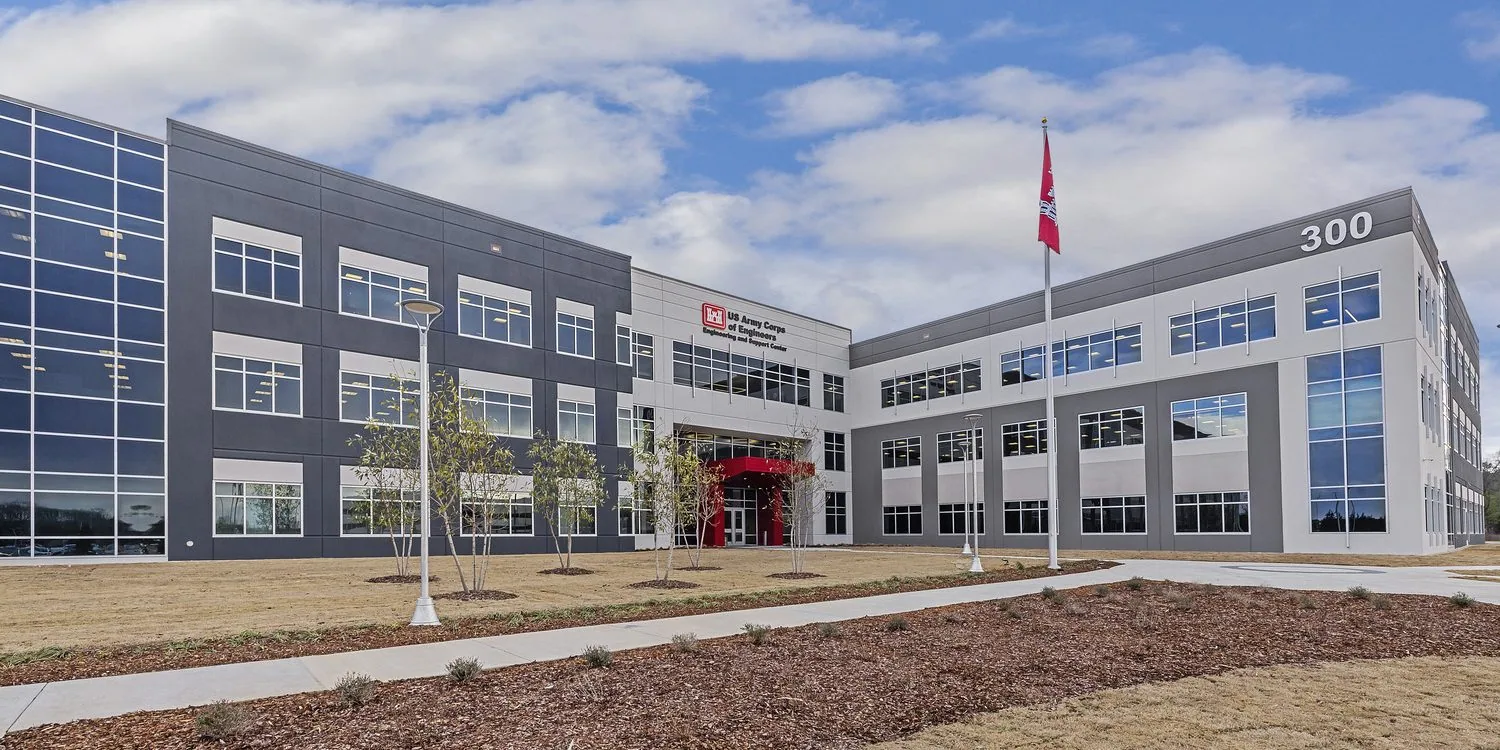
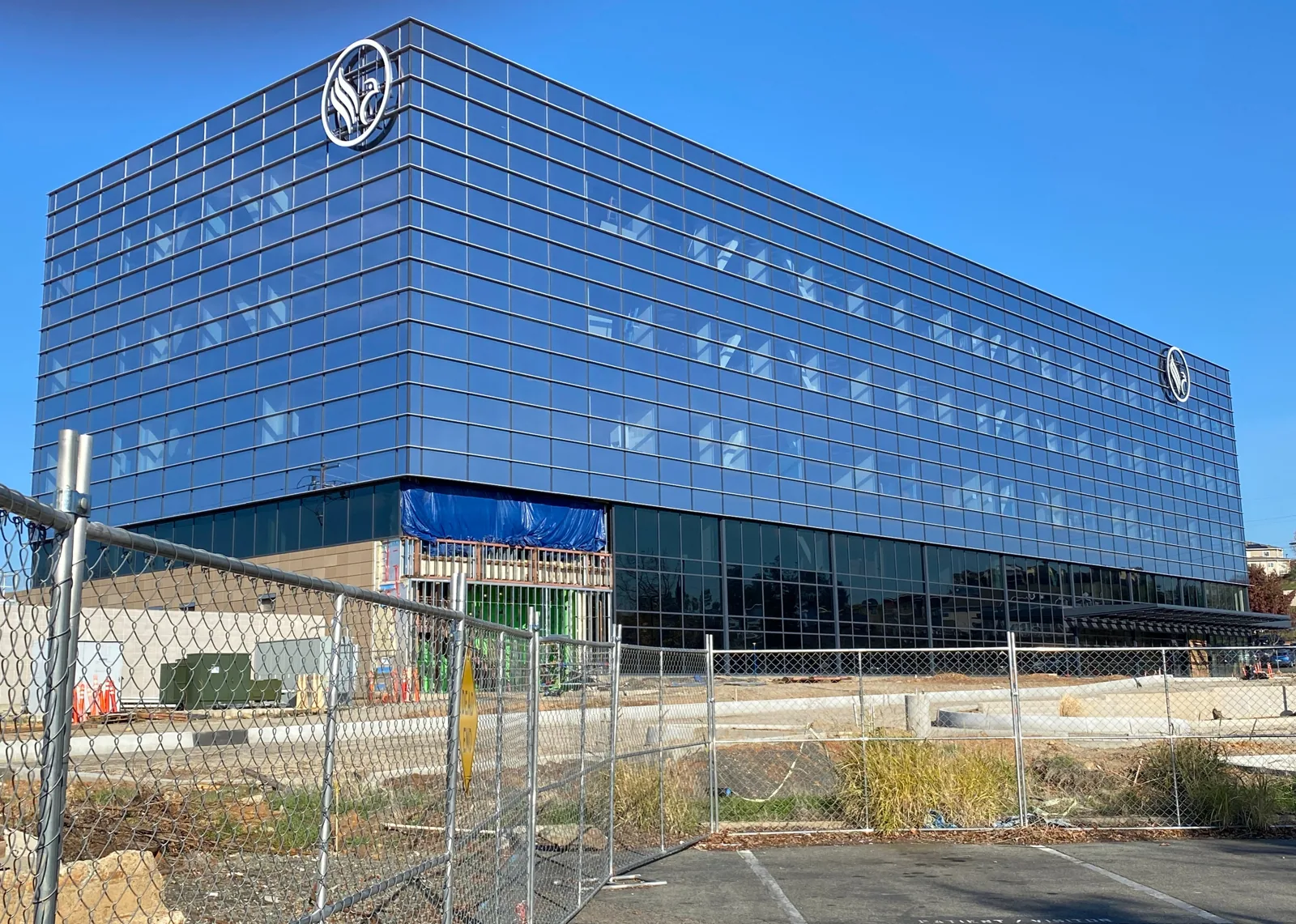
Tenants judge a property manager by how disruptive roof work feels, so the plan for noise, access and safety belongs in the proposal. Ask these before you sign:
- How will the crew control noise above meeting rooms and call centers?
- How are materials hoisted and where are they stored during the job?
- How are building entrances, parking and walkways protected from falling debris?
- How will tenants be warned about hot work, fumes and rooftop intake locations?
- What happens to the interior if a leak occurs mid-project?
A contractor who answers each in writing is planning for people, not just a roof. The same standards apply to medical offices and other buildings where tenants cannot easily relocate. Firms managing many suites, such as property management companies, should expect the same level of detail from every roofer they hire.
Time the roof around leases, budgets and the weather
The best time to reroof an office building is when the budget is approved, the weather is dry and the lease calendar is quiet. In northern Illinois that usually means late spring through early fall. A tenant renewal is a good moment to show them the roof report, and a capital plan that puts the work ahead of a lease expiration gives you room to negotiate. A roof that is replaced before it leaks is cheaper than one replaced after the third complaint.
Redevelopment is changing the market. The redevelopment plan for the 26 acre former factory complex at Colman Yards on South Main Street calls for over 970 apartments and townhomes and about 100,000 square feet of commercial space, which gives tenants more places to look. A dry roof and a clean report help an older office building keep the tenants it has. If water gets in on a holiday weekend, our emergency line answers all day and all night.
Office roofs often change as tenants add condensers, screens, antennas and cabling. Each new support or conduit can disturb the original waterproofing, and maintenance contractors may leave traffic paths outside the protected walkway. A survey in Downtown Rockford should note roof sections with separate renovation histories; a larger office area near the East State Street corridor may have broad drainage runs and equipment clusters. Keep an equipment log tied to roof zones so future service work does not obscure the original roof condition.
Questions Owners Ask
How do I prove roof condition to a tenant or a buyer?
With a written report that has dated photos, moisture findings and a plain recommendation. It shows what you knew and when you knew it, and it holds up better than a verbal assurance.
Why do copings leak on an older office building?
Joints open from repeated freezing and thawing, and the sealant ages. Water gets behind the wall below the coping and shows up on the top floor. We reseal or replace the coping and flash the wall.
Should rooftop equipment be moved during a reroof?
Often it can stay. We flash around curbs and supports properly, and only lift units when the curbs need rebuilding. Your mechanical contractor handles the shutdown and restart.
What does a roof loss do to my insurance?
Insurers look at maintenance records and the cause of loss. A documented inspection history and prompt temporary repairs help. We write up storm damage with photos so a claim is easier to support.
Is a green or amenity roof a good idea on an office?
It can be, but it adds weight, drainage and maintenance. The waterproofing underneath has to be protected and inspected. We review the structure and the leak detection plan before you commit.