Emergency Roof Repair in Rockford, IL
Around-the-clock emergency commercial roof repair in Rockford, IL, with tarping, dry-in and honest advice on what the permanent fix should be.
Emergency Roof Repair
Emergency Roof Repair
Rockford, IL
Roofs let go fast when the wind arrives, and November 10, 2020 showed how widely: a 73 mph gust at Winnebago, hail up to 1.25 inches near Rockton, and wind damage to buildings across Winnebago County. A roof does not give any warning before that kind of storm. The owner gets a phone call from a tenant or a night manager, and by then water is already in the insulation and moving toward the ceiling. What you do in the next few hours decides whether the damage is a repair or a rebuild. Sorting out who to call after the water is inside costs time that you do not have.
Call first. Emergency response from us in Rockford, IL runs 24 hours a day, every day of the year, holidays and weekends included.
Call first and protect what is inside
The first priority is people, then product, then the building. If water is coming through a ceiling over electrical gear, inventory or a patient area, move what you can and shut off what you must. Photograph everything before you move it. Then call us with the building address, what you see, and whether the roof is accessible. We will tell you what to do while we are on the way, and we will send a crew to look at the roof as soon as it is safe to be on it. Snow, ice and high wind change that timing, and a crew that goes up too early is a crew that gets hurt.
Do not climb on a roof coated in snow or ice, and do not try to pull back a loose membrane in the wind. Wait for people with the right equipment.
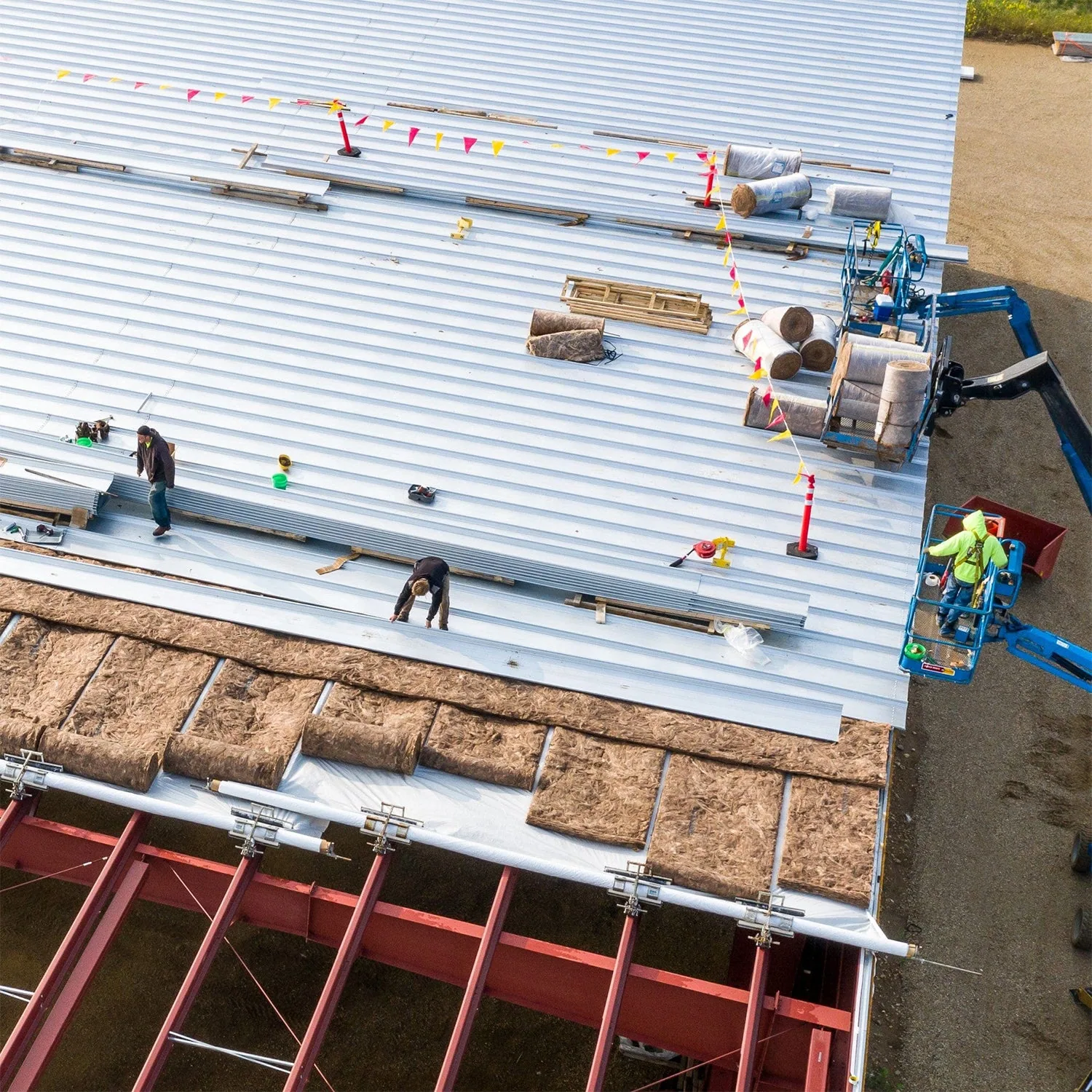
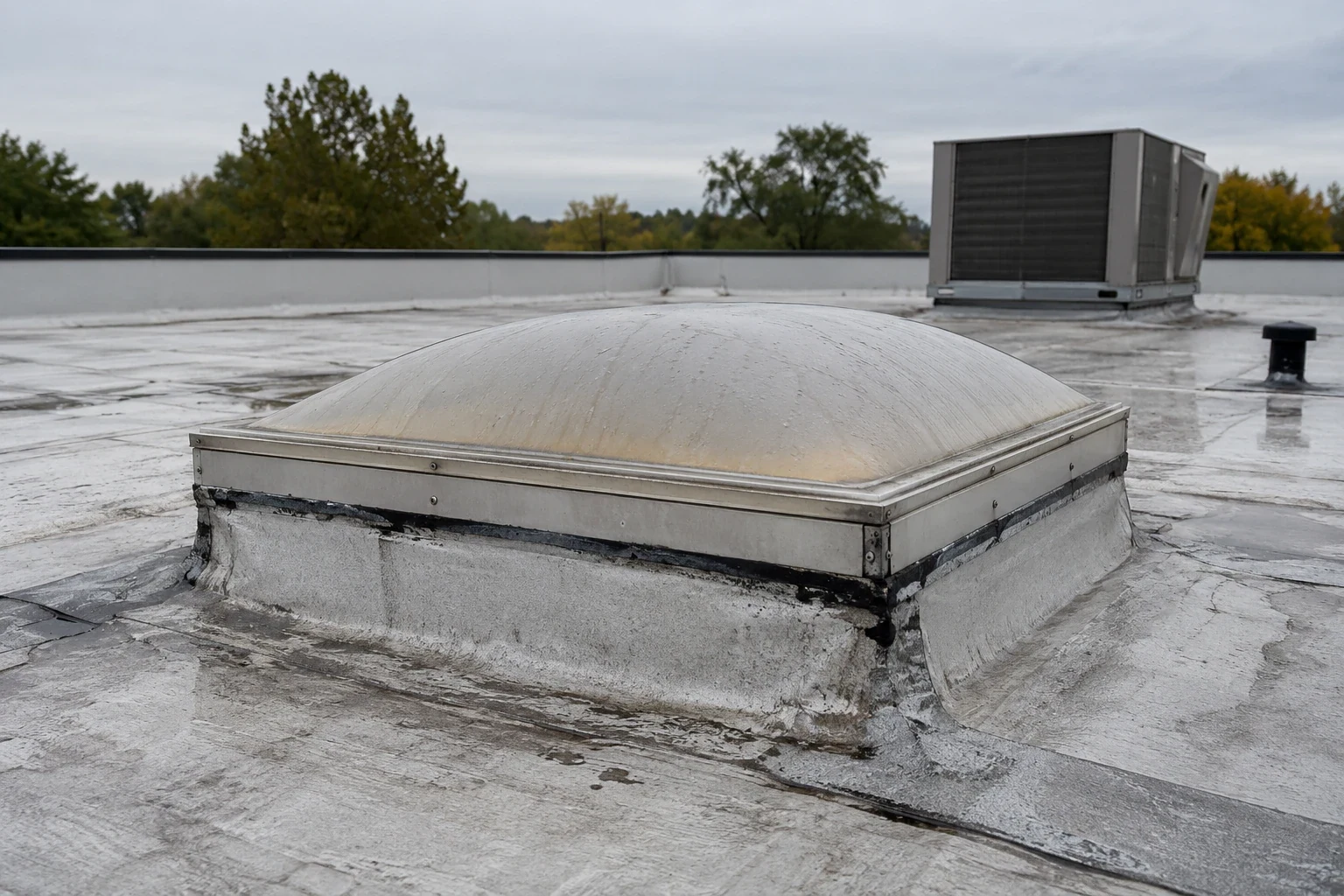
Know what a tarp and a dry-in can do
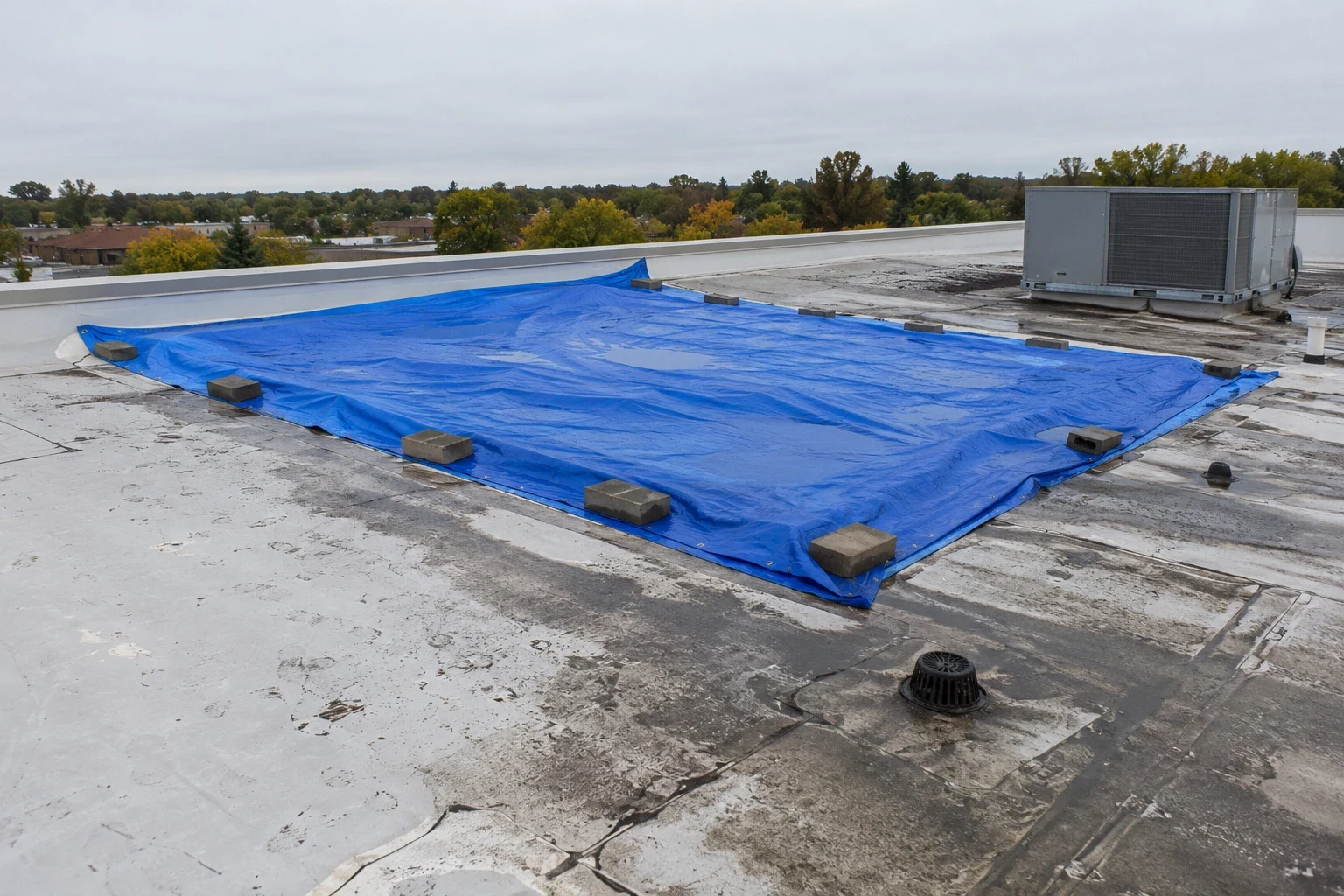
Emergency work is temporary by design. Its purpose is to stop water entering the building, and it usually takes one of a few forms. A tarp secured over an open section stops rain and snowmelt. A temporary membrane patch or sealant closes a puncture or a split seam. Plywood or board covers a hole where a unit was torn loose. Debris is removed, drains are cleared, and loose metal is secured so it does not fly off in the next gust. The roof is not repaired yet, but the building is dry, and that is the goal.
After the building is safe, move to the permanent fix. Lifted edge metal and torn seams call for wind damage roof repair, while a broader loss needs the scope of storm damage roof repair, with the timing set for good weather.
Keep emergency costs honest
People call for emergency service when they are stressed, and stressed owners get overcharged. Ask for the scope in plain terms before any work starts: what will be done, what materials will be used, what the response charge is and how the work is billed. Temporary work should be priced like temporary work. If a crew arrives and tells you the roof is a total loss within ten minutes, that is the moment to slow down and ask for evidence. A tarp is not a replacement, and a reasonable emergency bill does not include a full roof sale.
- Written scope and price before work begins.
- Photographs of the damage, the dry-in and the finished work.
- A clear line between temporary and permanent repairs.
- No pressure to sign a replacement agreement on the spot.
Emergency work is also where change orders multiply. If the crew finds more damage once the debris is cleared, you should hear about it before the work expands, with a photograph and a price. The right call in most emergencies is the smallest action that stops the water, followed by a calm decision about the permanent fix once everyone has slept.
Document the damage before it dries out
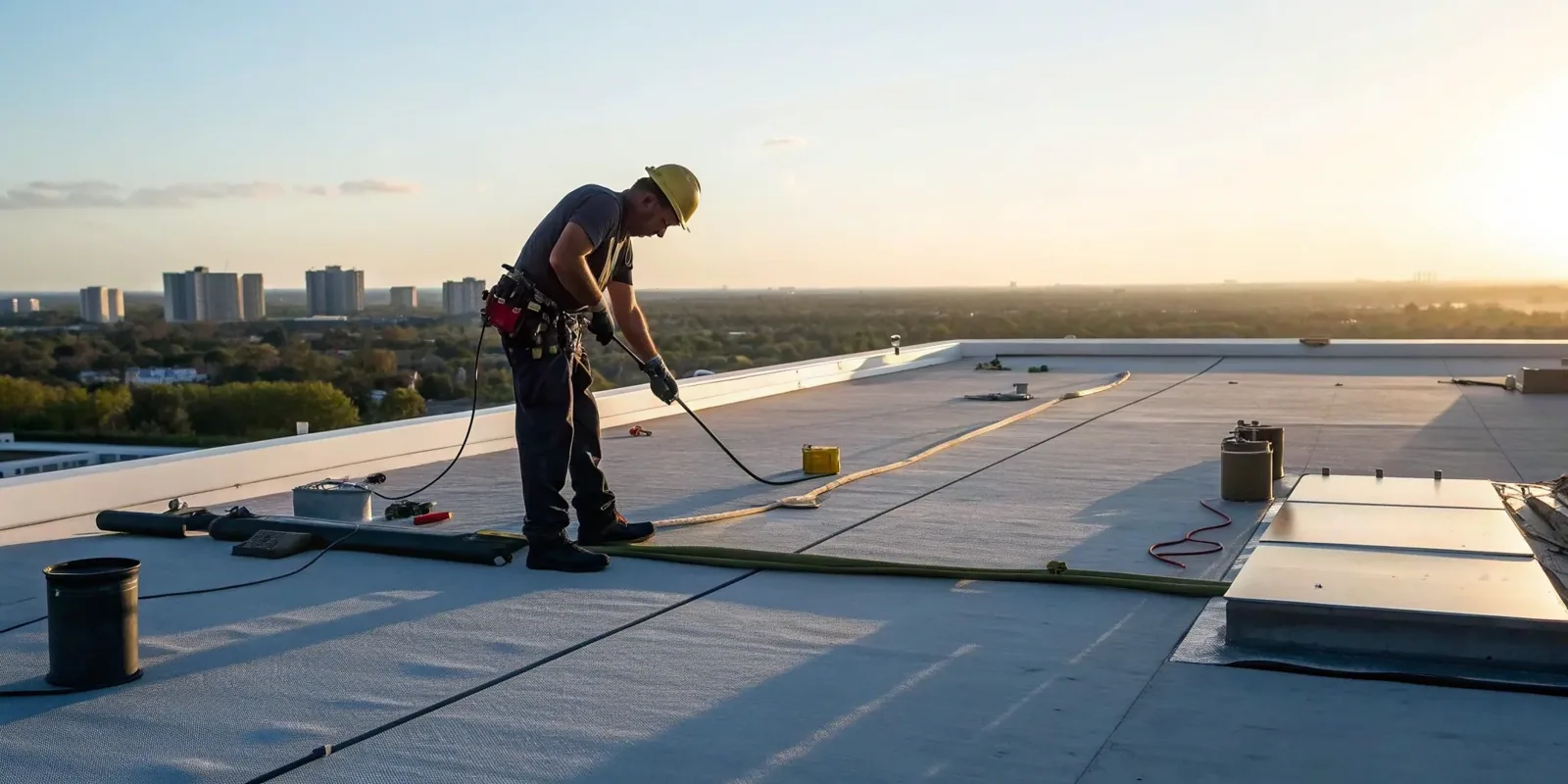
If a storm caused the damage, your insurer will want proof. Take photographs and video of the roof, the interior and any damaged contents before cleanup begins, and keep every receipt. We photograph the roof as part of the emergency visit, and that record can be used with your claim. Roof insurance claim assistance goes further, with a written report of what was damaged and when. Tornado history in this area is real, from the 1928 F4 that tracked about 25.8 miles through Rockford's factory districts to the EF-1 confirmed on March 31, 2023 near Sinnissippi Golf Course. The aftermath of a twister is its own kind of job, and tornado damage roof repair starts with the same dry-in.
Plan before the next storm
Emergency calls pile up during big storms, and crews cannot be in ten places at once. Owners who have already walked the roof, know where their shutoffs are and have a number to call get help sooner. Roofs that have been looked at in the last year also tend to fail less often in the first place. Set up a contact with us now, give us your building details, and tell us who can open the doors at two in the morning. If your building is in Roscoe, Rockton or out along the U.S. 20 corridor, tell us that too, so we know where to send the crew.
Large industrial roofs deserve extra thought. The 200,000 square foot AAR maintenance facility and the cargo buildings at Chicago Rockford International Airport are the scale at which a wind event can open a lot of roof at once. Knowing in advance which areas matter most, such as production lines, dock doors and server rooms, lets a crew prioritize the dry-in in the order that protects your operation.
Once the water is stopped, a proper roof inspection shows what the storm really did.
When water is entering, protect people and contents first, then reduce the opening without creating a second hazard. Move equipment or inventory, isolate electrical exposure and collect water where safe. A temporary cover must be secured for the expected wind and should not block drains or conceal a dangerous deck. Record the time, affected roof zone and visible interior damage before conditions change. Schedule the permanent inspection promptly so the temporary measure does not become an undocumented long-term repair.
Questions Owners Ask
How fast can you get to my building?
We answer calls around the clock and send a crew as fast as conditions allow. Tell us the address and what you see, and we will give you an honest arrival window.
Will a tarp fix my roof?
No. A tarp keeps water out while a permanent repair is planned. It buys you time, usually days or weeks, and it does not replace flashing, membrane or insulation.
Who pays for emergency repair?
You do, in most cases, though storm damage may be covered by your policy. Keep every receipt and photograph, and we will give you documentation for your carrier.
Can you work in snow, ice or high wind?
Only when it is safe. Roof surfaces that are icy or gusts that lift materials put crews at risk, and we will not pretend otherwise. We secure from the inside or wait for a window.
Should I call my insurer first or you first?
Call us first if water is coming in, because stopping the water limits the loss. Then call your insurer the same day, before any permanent work begins.
What happens after the emergency visit?
We give you a written summary of the damage and the permanent options. You can use it with us or with another contractor. There is no obligation to hire us for the full repair.