Commercial Roof Inspection in Rockford, IL
Hands-on commercial roof inspections in Rockford, IL with photographed findings, urgency ratings and a report you can use with any contractor.
Commercial Roof Inspection
Commercial Roof Inspection
Rockford, IL
Every April a Rockford, IL roof comes out from under months of snow and ice with a new list of problems nobody has looked at yet. The winter delivered about 36 inches of snow on average, and it dropped the temperature to zero or below for about 12 days, so seams have been stressed, flashings have been lifted and drains have been packed with ice. Most owners find out how that went the hard way, with a ceiling stain in May. A hands-on inspection finds the damage first. It costs far less than the repair that follows a missed defect, and it tells you whether the roof has years left or is quietly running out of them.
Do not treat inspection as a sales visit. Treat it as a second opinion on your own building.
Walk the whole roof, every season that matters
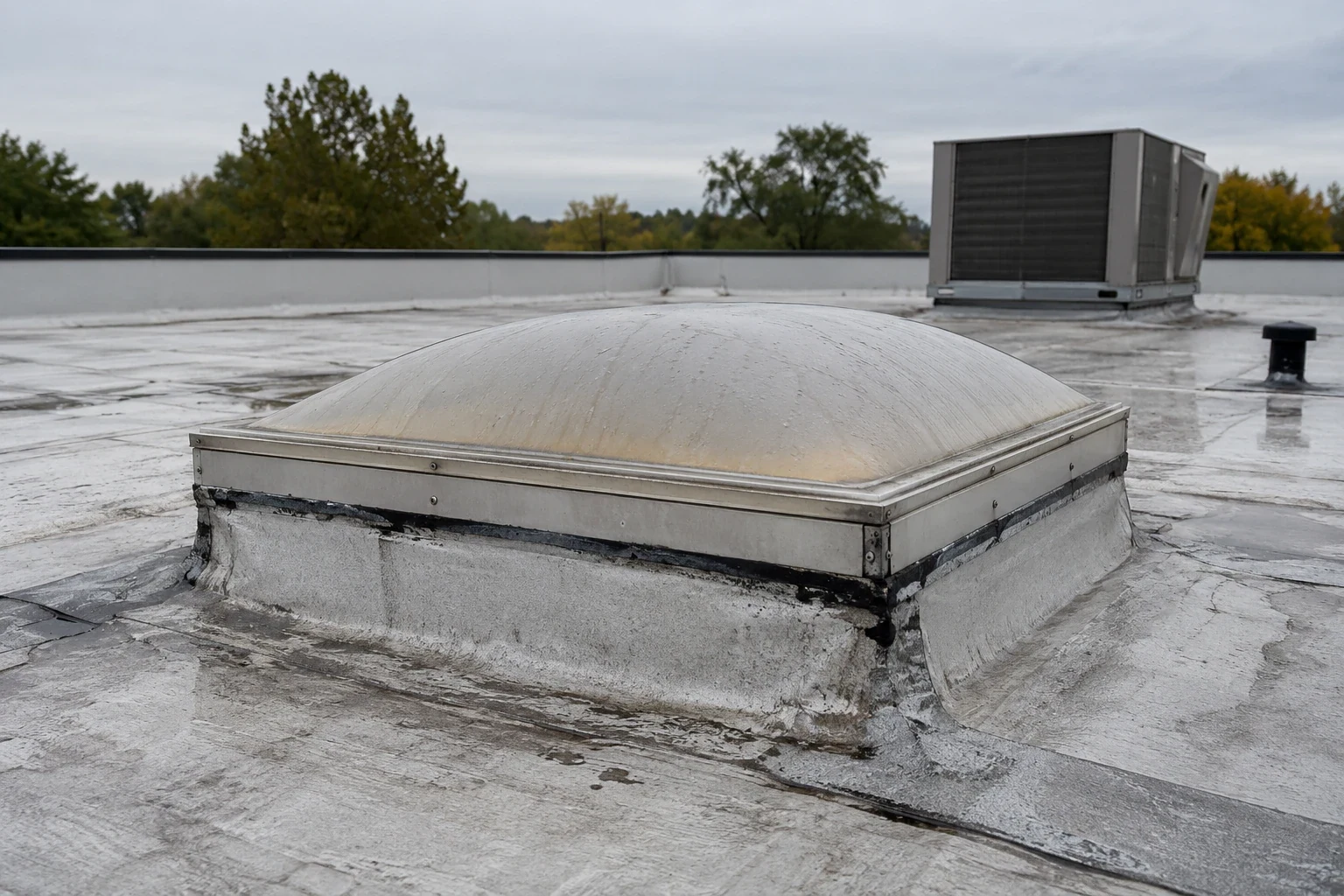
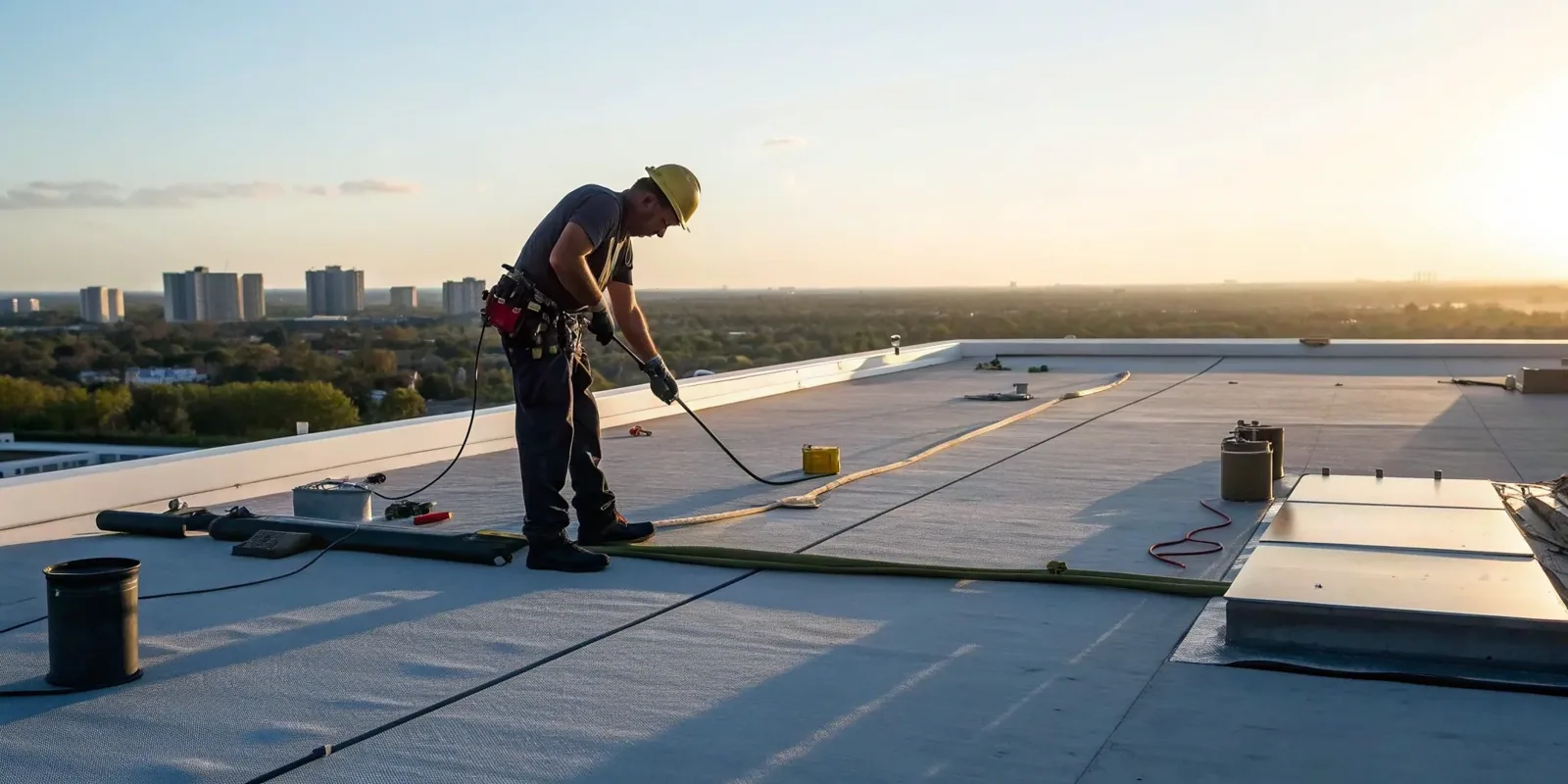
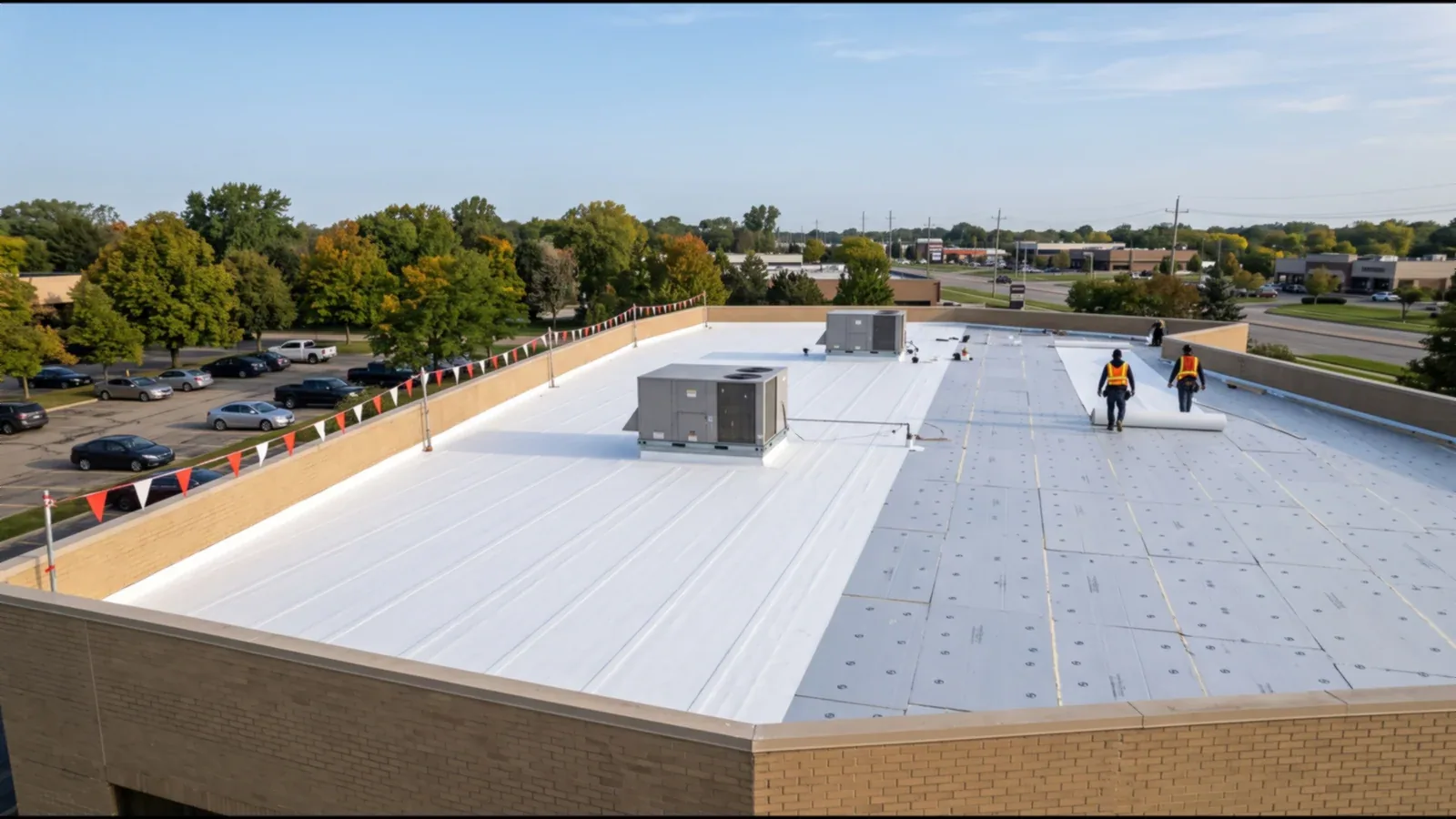
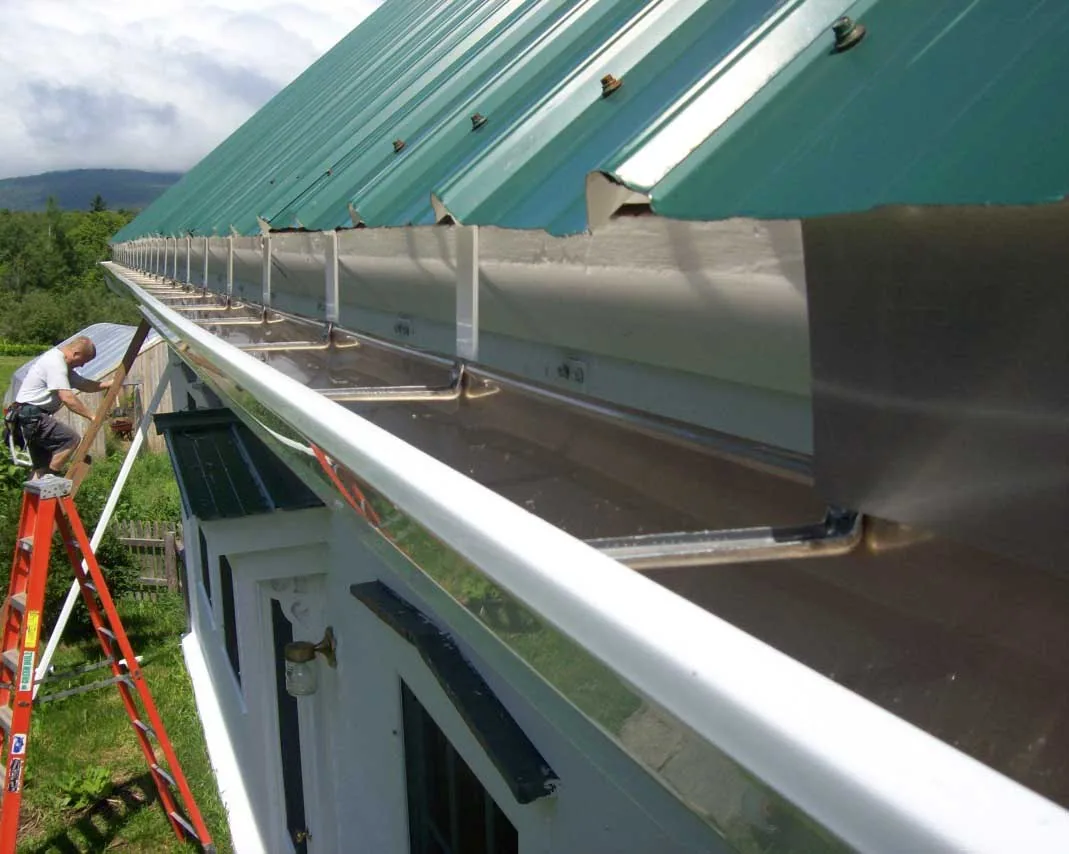
A real inspection means someone walks the roof, not photographs it from a ladder. We start at the access point and work across the field of the roof, checking seams, laps, fasteners, blisters, ponding areas, splits, patches and areas of foot-traffic wear. Then we move to the details: base flashing at parapets and curbs, coping joints, expansion joints, pipe boots, skylight curbs, scuppers and drains. We look at the rooftop equipment, because condensate lines, refrigerant lines and electrical conduit often create the next leak. And we check the roof from the inside, because ceiling tiles and the underside of the deck show things the surface hides.
Fall is the best time for a walk before winter, and spring is the best time to see what winter did. Summer adds its own data, because dark membranes that run hot can show shrinkage, pulled seams and softened patches that stay hidden in cooler months. About 15 days a year top 90 degrees here, and those days are enough to leave a mark on a roof that is already fatigued. Whenever we visit, we record the weather and the roof surface condition so the findings can be compared year over year.
Choose the right depth of inspection
Not every roof needs the deepest test. A visual walk fits most buildings with a roof in good or fair condition. An infrared moisture survey is worth adding when leaks have happened, when you are planning a recover or when you are buying the building. A drone roof inspection helps on large or hard-to-reach roofs where a person on foot cannot cover every square foot safely. Core cuts confirm what the scan shows, and they are the only way to see what is inside the roof assembly.
Ask us which combination makes sense. We would rather recommend a basic walk than sell you an expensive test you do not need.
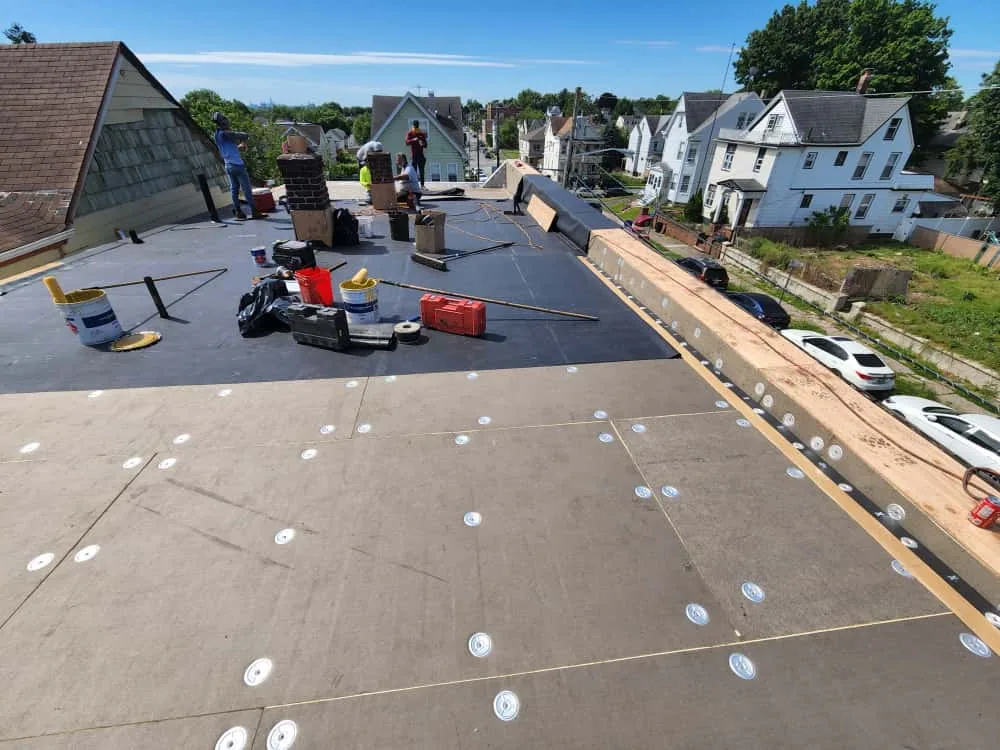
Access matters too. Roof hatches, fixed ladders and fall protection need to be in place before anyone goes up, and we bring our own safety equipment. Tell us about any skylights, fragile surfaces or restricted areas, such as rooftop units that cannot be shut down during production hours, so the plan covers them. On large plants, we divide the roof into labeled sections so every finding has an address you can find again.
Demand a report you can use
The inspection is only worth what the report is worth. A useful report has dated photographs, a plain description of each defect, a rating of how urgent it is and a rough budget range for the work. It also says what is not wrong, because owners need to know which parts of the roof are in good shape. A written roof condition report should be something you can hand to a lender, an insurer, a board or another contractor. A report that is a few paragraphs and a lump-sum figure is not enough. Ask for the roof drawn out in sections, with defects marked on a plan.
- Dated photographs for each finding.
- Urgency ranking: now, this season, watch.
- Remaining service life estimate in plain language.
- Repair and replacement options with rough budget ranges.
Use findings to spend less, not more
Inspection is where you find out whether to repair, recover or replace, and getting that call right is worth far more than the cost of the visit. A roof with isolated defects can be kept alive for years through steady repair, and a preventive maintenance program keeps those defects from stacking up. A roof with widespread wet insulation needs a different plan. The former Barber-Colman factory complex in the Kishwaukee corridor, 26 acres being turned into apartments and commercial space, is the kind of place where a roof check belongs ahead of any new tenant.
If you are buying property, a due diligence roof survey lets you price the roof before you close and not after. A hospital such as Mercyhealth's Javon Bea Hospital-Riverside, which opened on Riverside Boulevard in 2019, needs a roof that tolerates almost no downtime, so inspections there focus on what could fail without notice. A written, dated record also helps when a lender or insurer asks what condition the roof was in on a certain day, because you can answer with photographs and not with memory.
Book it before the problem books you
Inspect before the weather decides for you. Fall inspections let you repair and prepare for winter, and spring inspections catch freeze-thaw damage while it is still small. Owners of tall historic buildings in downtown Rockford, such as the 1929 Faust Hotel at 186 feet and the 19-story Ziock Building, now an Embassy Suites, benefit from a yearly look at the roof in particular. Any roof that has taken a hailstorm, a windstorm or a tornado touchdown nearby also deserves a walk afterward, even if nothing looks wrong from the ground.
A useful inspection record should distinguish what the technician saw from what still needs testing. Mark each defect on a roof plan, label photographs by zone, and note whether the surface was dry, wet, snow covered or inaccessible. Where a stain appears indoors, inspect the corresponding area above and nearby transitions because water can travel before it reaches a ceiling. Finish with a short action list that separates immediate water entry, near-term repair and routine observation.
For a downtown Rockford property, the report should distinguish roof areas added in different renovation periods; a larger retail roof near the East State Street and CherryVale corridor often needs its own zone map for long drainage runs and rooftop equipment.
Questions Owners Ask
How frequently should the roof be looked at?
Twice a year is a good habit, once in fall and once in spring, plus after any major storm. Older roofs and roofs with known problems may need more frequent checks.
What does an inspection cost?
It varies with roof size and the depth of testing. We will quote it before we climb. Ask for the price in writing so there are no surprises.
Will you tell me if the roof is fine?
Yes, and we say it when it is true. A good inspection protects you from unnecessary work as much as from missed problems.
Do I need an inspection if nothing is leaking?
Probably. Most defects show up as hidden moisture long before a stain appears. A walk catches problems while repairs are still small.
Can I use the report with another contractor?
The report is yours outright. Hand it to any bidder to compare prices, or hold anyone's scope up against the findings.
What if the roof is on a military or government site?
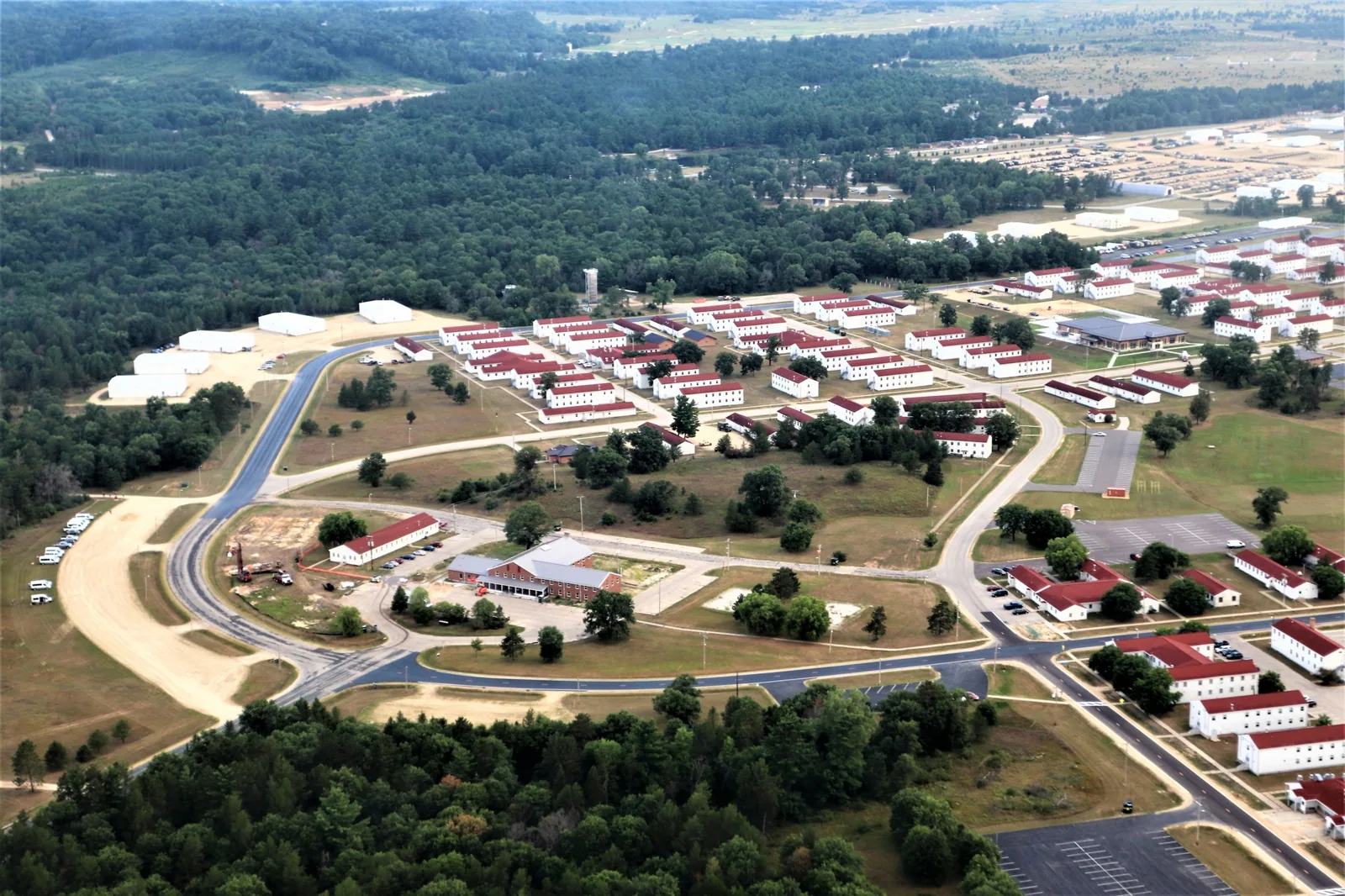
Access rules, escorts and badging come first, and the visit is planned around the base or agency schedule.