Commercial Roofing in Mount Morris, IL
Older publishing-town and converted school roofs in Mount Morris, IL face freeze-thaw and snow. Honest repair and replacement advice for building owners.
Mount Morris

Mount Morris
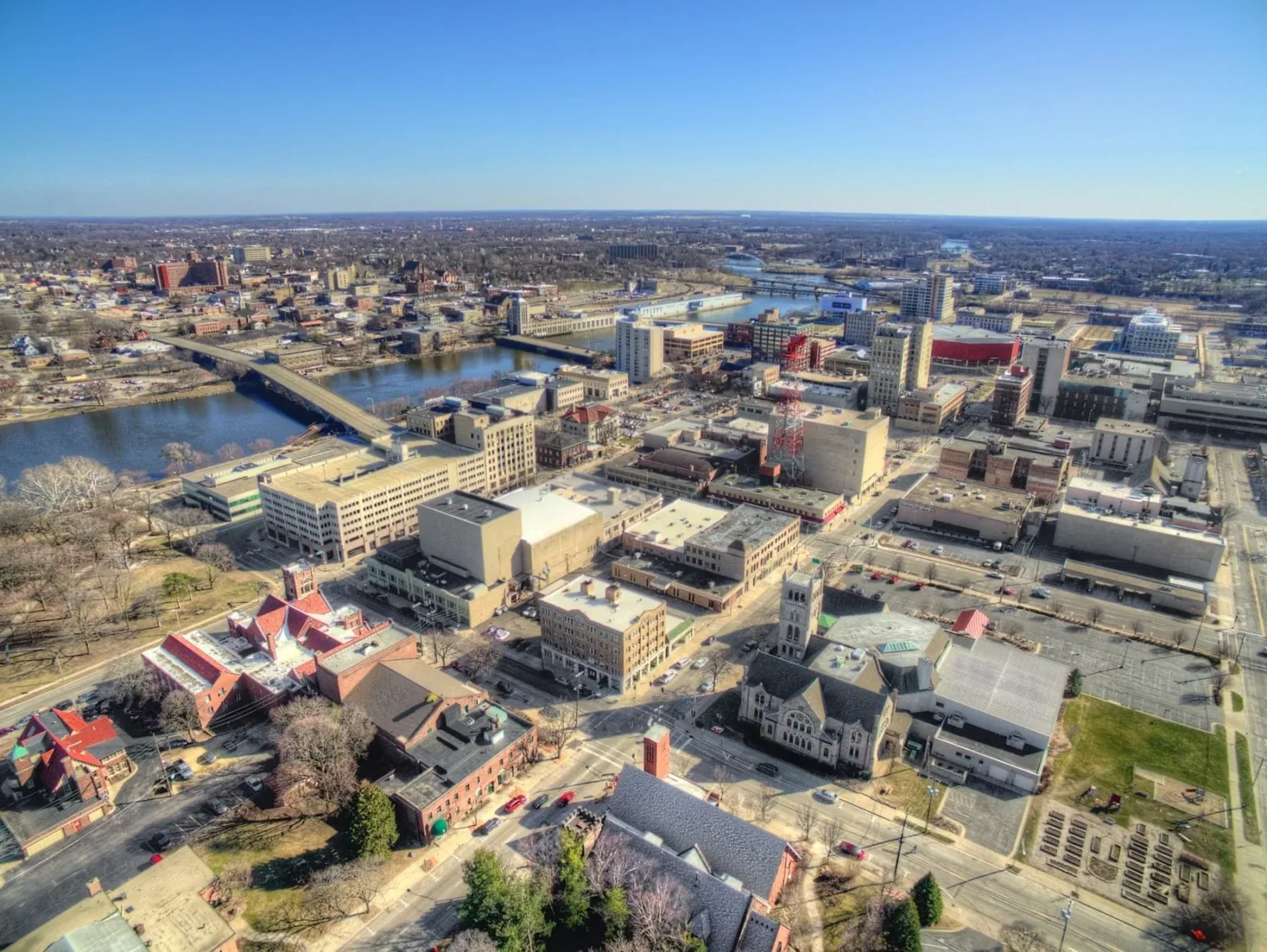
Rockford, IL
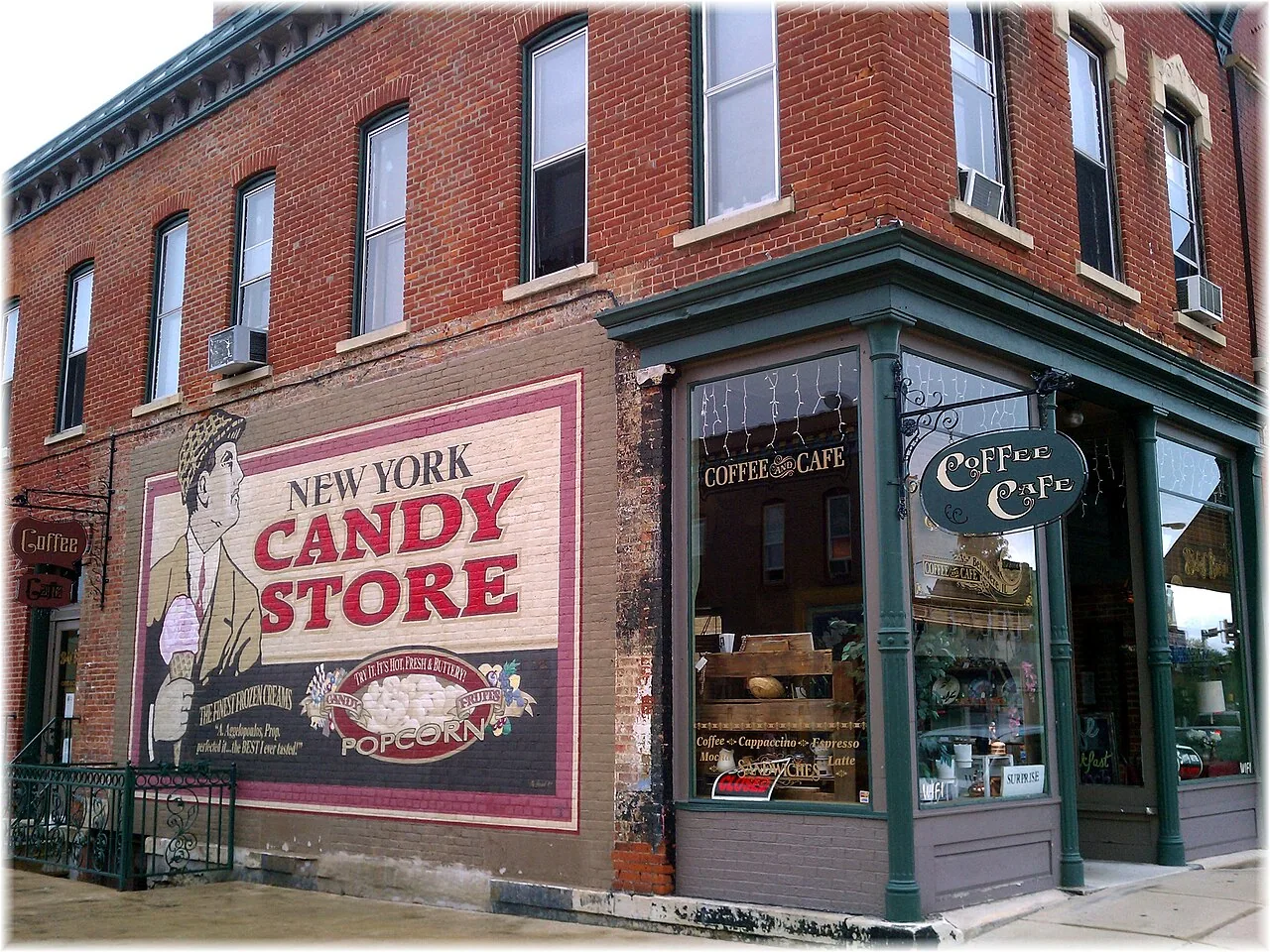
Every thaw goes looking for the weak spot in an old roof, and the longer a building has stood, the more patching its roof has usually seen. Mount Morris, IL is a historic publishing town that housed the Kable News Company building, and in a town with that history the buildings were made for the work of their day, not for whatever occupies them now. Add the older school buildings converted for other uses after Oregon CUSD 220 consolidated its schools following a 1993 junior high fire and a 2004 fire at Rahn Elementary, and you have a town where roofs may be carrying new jobs under old assemblies. By Rockford's count, northern Illinois delivers about 134 freezing days a year and roughly three feet of snow to every one of them, and no change of use has ever made a roof younger.
If you own, manage or are thinking of buying one of these buildings, get the roof checked before you commit money to the inside. We will tell you what is worth saving.
Study what the thaw reaches in a large old building
A big, older roof has more of everything that can leak: more seams, more flashings at walls and penetrations, more places where one repair meets another. Over decades the roof has usually been patched, coated or recovered at least once, and the layers hide each other. Freeze-thaw cycling pries at the oldest joints every winter, and snow melting on the warm side of a poorly insulated roof refreezes at the eaves, forcing water backward under the edge. Add a hot summer afternoon, with about 15 days a year above 90 F in Rockford, and a dark surface stretches and shrinks again. The wear is steady, and it is hardest on the details long before the field of the roof looks bad.
Start with a hands-on look at every wall junction, drain and edge, and ask for moisture mapping if the building has ever had a stain. A commercial roof inspection with photographs gives you a baseline you can compare against next year.
Decide whether an old roof is worth saving
The right answer comes from the insulation, not from the surface. A roof that looks tired but has dry insulation and a sound deck is often worth repairing, coating or recovering, and spending replacement money on it would be a waste. A roof with wet insulation, soft deck or layers that have fused into a sponge is past the point where patches help. The test is a handful of cores and a moisture scan, which is a small cost compared with the price of guessing wrong in either direction.
Once you know the condition, ask for both prices in writing, repair and replacement, side by side. A roof coating restoration can stretch the life of a roof in good shape, but it will not fix wet insulation, and any bidder who says otherwise is selling a coat of paint. If a section has to go, ask whether the insulation and cover board can be upgraded at the same time, because that is where the energy code in effect in Illinois since January 2024 shows up in a bid.
Ask whether the roof was sized for the new use
A building that changes use usually changes what sits on its roof. A former school that now holds offices, storage or a community program may gain rooftop units, vents and exhaust fans, each of which punches a hole in the membrane and adds weight where the structure was never expecting it. Interior humidity changes too, and a room that once held desks and now holds something wetter can send moisture up into the roof assembly and wet the insulation from below. None of that appears on the outside until the ceiling stains show up.
Ask the contractor and the design professional to look at curbs, supports and flashing as part of the same job, and see how a new unit is carried. Proper rooftop equipment curbs and supports keep a heavy unit from crushing insulation or opening a seam. A converted school is still a school building from the roof up, so the habits of school roofing, such as walking every wall junction and penetration, apply even when the new tenant is not a school.
Price the roof before you price the conversion
The most expensive surprise in an older building is a roof that turns out to need full replacement after the interior work is finished. A new ceiling and fresh paint do not survive a leak, and removing a roof over a finished space costs far more than doing it first. Before you buy or begin renovation, get a written survey with core samples, a moisture map and a ranked list of repairs. It tells a buyer what to offer and tells a lender what the building really is.
That is the purpose of a due diligence roof survey, and it is worth more than a verbal opinion from the seller. Ask any bidder to separate the base price from allowances for deck repair, and be careful with change orders written in the middle of the job. A fair price is one where every line item is clear before the old roof comes off.
Manage open flame and the schedule with care
The school fires of 1993 and 2004 behind Oregon CUSD 220's consolidation are a reminder of what fire does to an old building, and roofing is one of the few trades that brings fire to a job on purpose. Torch-applied membranes put an open flame near insulation, wood blocking and old decking, and in a building with hidden voids a spark can smolder for hours after the crew leaves. On older structures, ask whether cold-applied, self-adhered or mechanically attached systems can do the same job. If a torch is the right tool, require a fire watch afterward and a final check before everyone goes home. After any fire, a fire damage roof repair starts with a careful look at heat damage to the deck and insulation, since a roof can be hurt without a visible flame.
Illinois Route 64 crosses town, so plan deliveries and crane placement with the highway in mind. Work in the dry months, and have the roof closed in before winter. The same dry-month calendar governs work in Oregon and Byron, both in Ogle County.
Questions Owners Ask
Can a roof over an old publishing-era building still be good?
It can be. A large roof with dry insulation and a sound deck often outlasts expectations. Cores and a moisture scan will tell you more than the age of the building or the look of the surface.
What does a roof look like after a fire that never reached it?
Heat and smoke can damage a roof without any visible flame. Membranes blister, insulation shrinks and decks can warp. Ask for a written assessment before you decide whether the roof stays.
Do I need a new roof to give an old school building a new use?
Not always. A change of use often triggers a code review, though, and the roof must carry any new rooftop equipment and meet the insulation rules. Ask the local building official early, and check the roof before the interior work starts.
Is torch-applied roofing safe near an older building?
Open flame carries the highest fire risk of any roofing method. On older buildings we prefer cold-applied or mechanically attached options where they will do the job, and any torch work gets a fire watch afterward.
How should I compare two bids on an old building?
Line them up scope by scope: tear-off or recover, insulation thickness, flashing and edge metal, and an allowance for deck repair. The cheaper bid usually leaves one of those out, and the gap shows up later as a change order.