Roof Insulation, Tapered Systems and Cover Board in Rockford, IL
Commercial roof insulation, tapered systems and cover board in Rockford, IL, with straight answers on wet insulation, energy code and hail protection.
Roof Insulation, Tapered Systems and Cover Board
Roof Insulation, Tapered Systems and Cover Board
Rockford, IL
Heat leaves a Rockford, IL building through the roof all winter, and the insulation under the membrane decides how much of your heating budget goes with it. The area logs about 134 days a year at or below freezing and about 12 days below zero, so a roof with thin or soaked insulation works the furnace hard from November to March. Wet insulation is worse than thin insulation. It holds water against the deck, rusts steel, loses much of its resistance to heat flow and freezes and thaws in place until it crumbles. Owners often see it only as a soft spot underfoot or a ceiling stain, long after the damage began. A roof is a stack of layers, and the layer you cannot see is the one that costs the most to ignore.
Before you approve any new membrane, find out what the insulation under it is doing.
Learn what the energy code asks of your roof
Illinois put a new statewide energy code into force on January 1, 2024, built on the 2021 International Energy Conservation Code with Illinois amendments, and a roof replacement in Rockford now gets reviewed against those insulation requirements. In practice that means a tear-off down to the deck usually brings the current insulation rules into play, while a small repair does not. A recover over the existing roof sits in between and depends on how the building department reads it. Ask the City of Rockford before you price the job, because insulation thickness is one of the largest line items on a replacement, and a bid that ignores the code will grow when the permit reviewer catches it.
If a contractor says insulation is not part of the plan, ask them to show you where the code allows that. If they cannot, you are looking at a change order waiting to happen. A commercial roof replacement bid should start with this question.
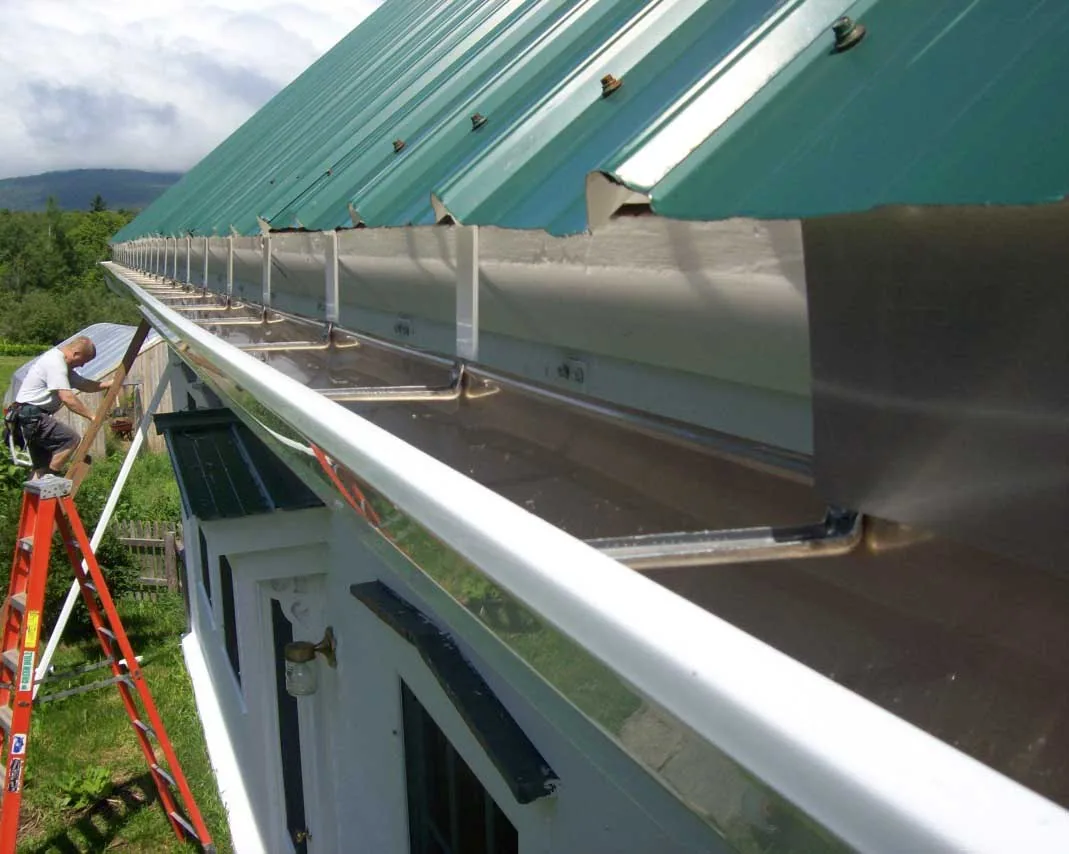
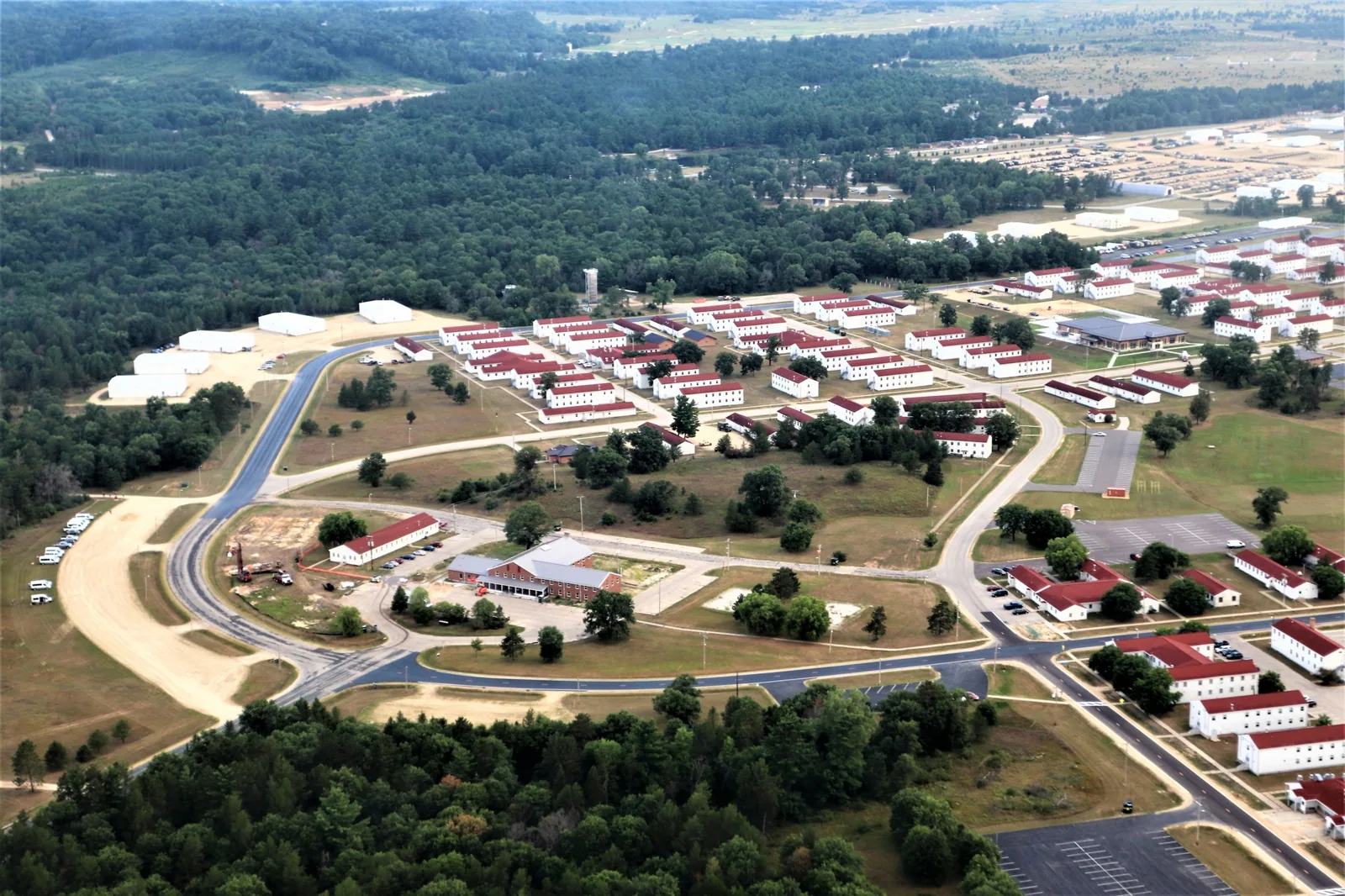
Pick the board for the weather, not the catalog
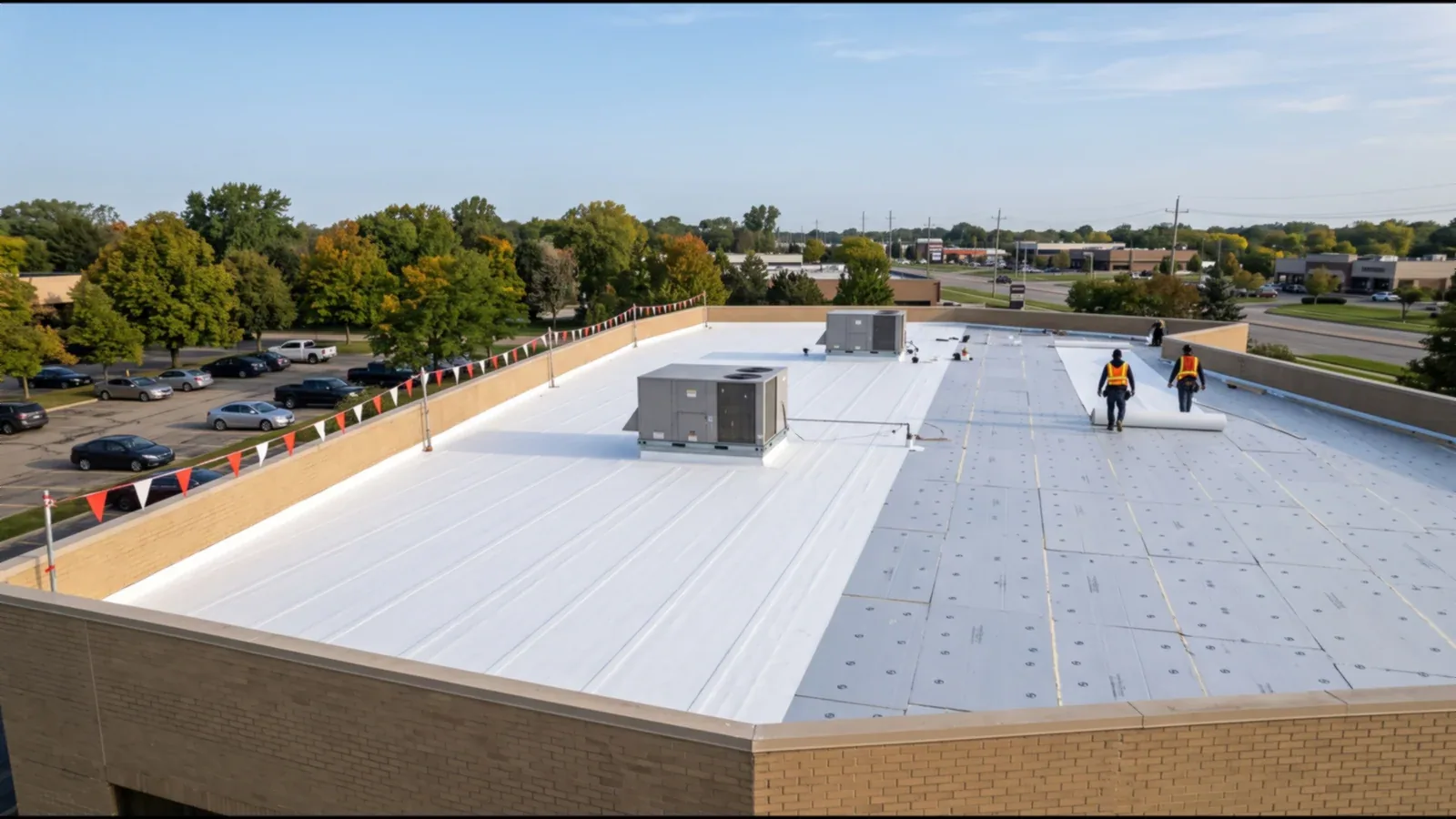
Polyisocyanurate is the common choice on commercial roofs because it carries a high resistance to heat flow for its thickness, and it can be laid in two staggered layers so that joints do not line up and leak heat. It does lose some of that resistance in extreme cold, which is a real consideration in a place with sub-zero days. Extruded and expanded polystyrene take moisture and cold differently and suit some assemblies, and mineral wool gives a fire and sound advantage in others. Each is attached by adhesive or fasteners, and the choice has to match the membrane above it, such as TPO, and the wind rating of the assembly. Freezers and coolers behave differently again. Belvidere, home to a Walmart cold storage facility reported at over 1.2 million square feet, shows the scale of the problem: in cold storage roofing the vapor moves the opposite way, so the vapor control layer has to be placed with care.
Do not accept an insulation spec that you cannot read. Ask for type, thickness, number of layers and attachment.
Add a cover board where hail and boots will land
A cover board is a thin, rigid layer set between the insulation and the membrane. It protects soft insulation from foot traffic, helps the membrane bond to a firm surface and gives hail something to hit besides the insulation. Common boards include glass-faced gypsum, high-density polyisocyanurate, wood fiber and perlite, and each has its own strengths in fire rating, moisture tolerance and compression. On November 10, 2020, hail reached 1 inch in Roscoe and up to 1.25 inches around Rockton, and stones that size can bruise a thin membrane laid straight over soft insulation. A cover board will not make a roof hail-proof, but it makes damage less likely and lets the roof take impact in more places before something breaks. A hail damage roof repair assessment shows whether a roof took that kind of impact.
It costs more up front. Ask for a price with and without, and decide with both numbers in front of you.
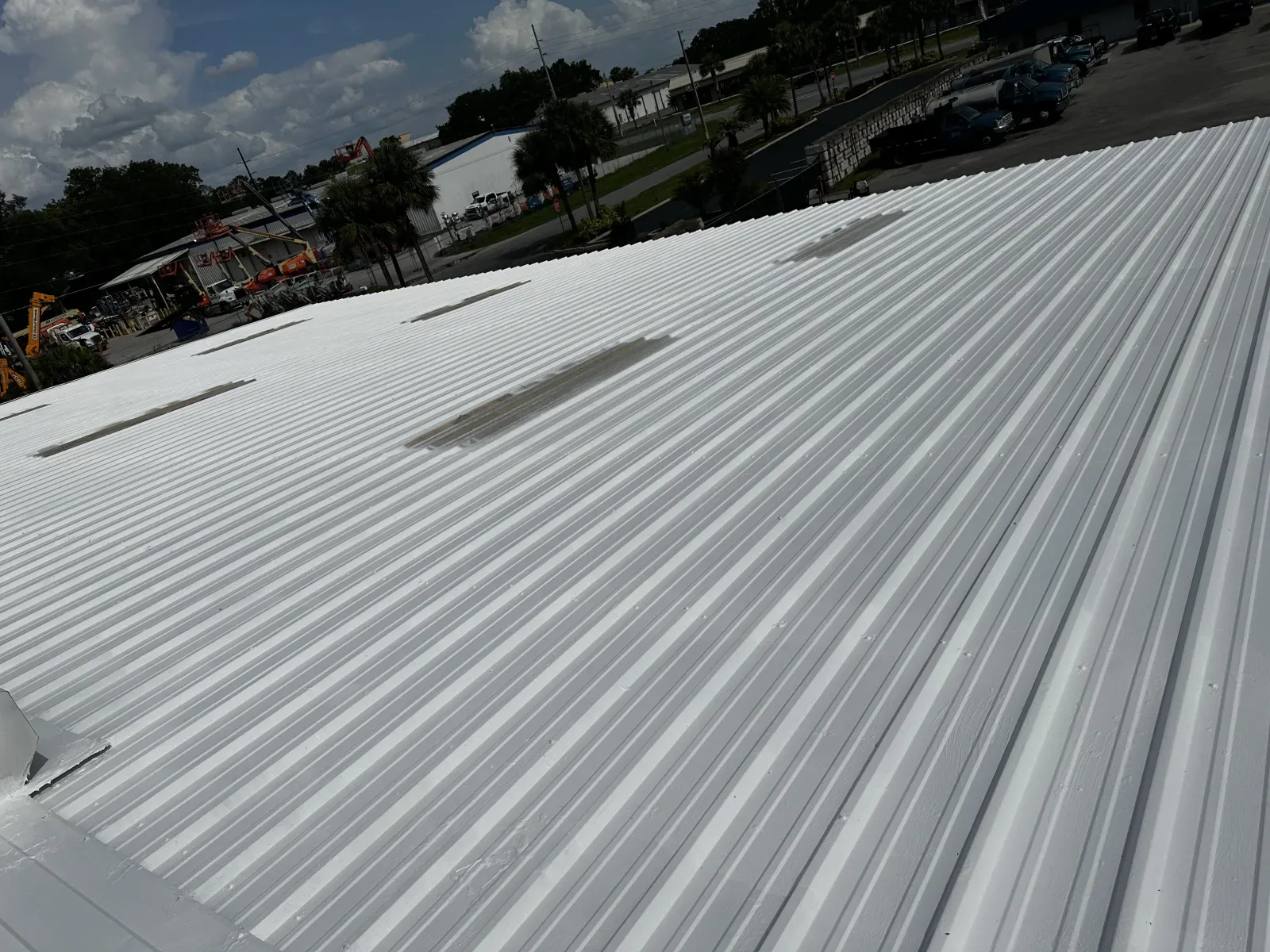
Build the slope into the insulation with taper
Flat roofs are never truly flat, and when the structure does not give water a path, tapered insulation does. It is cut in wedges of varying thickness so that the roof surface falls toward drains at a quarter inch per foot or better, with crickets built behind curbs and units to turn water around them. It solves ponding from the inside, as opposed to a patch from the outside, and it adds thermal resistance where it is thickest. It also adds height, which affects flashing heights at walls, curbs and doors, so the design has to be checked before the order goes in. Once the slope is right, the roof drains and scuppers have to be sized and placed to carry the water away.
If a tapered package arrives without a layout drawing, send it back. A wrong wedge in the wrong place is worse than none.
Pay for dry insulation only
Moisture decides how much insulation you replace. A moisture survey maps where the water is, core cuts confirm it, and the proposal should state in square feet how much gets removed and what the unit price is for anything beyond that. Insulation that is only damp near the surface of a few boards is different from a saturated field, and the price should reflect which one you have. If you recover the roof without testing, wet insulation stays under the new membrane, and the new roof ages faster than it should. If you replace it all without testing, you may pay for dry board you did not need to remove. The right answer is a number from the survey, not a guess, and any roof recover and overlay depends on that number.
Get the moisture map and the unit price in writing before the first panel is lifted.
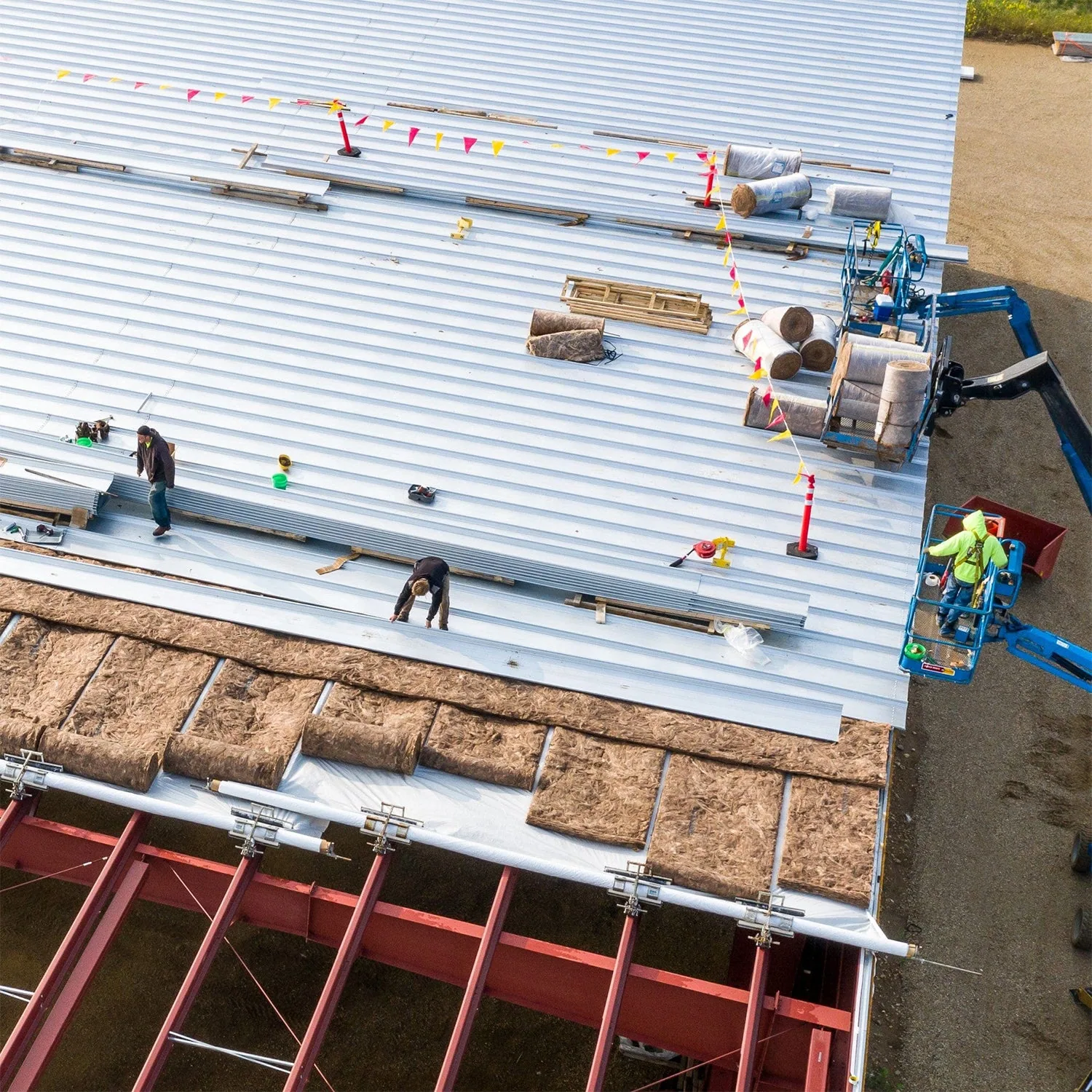
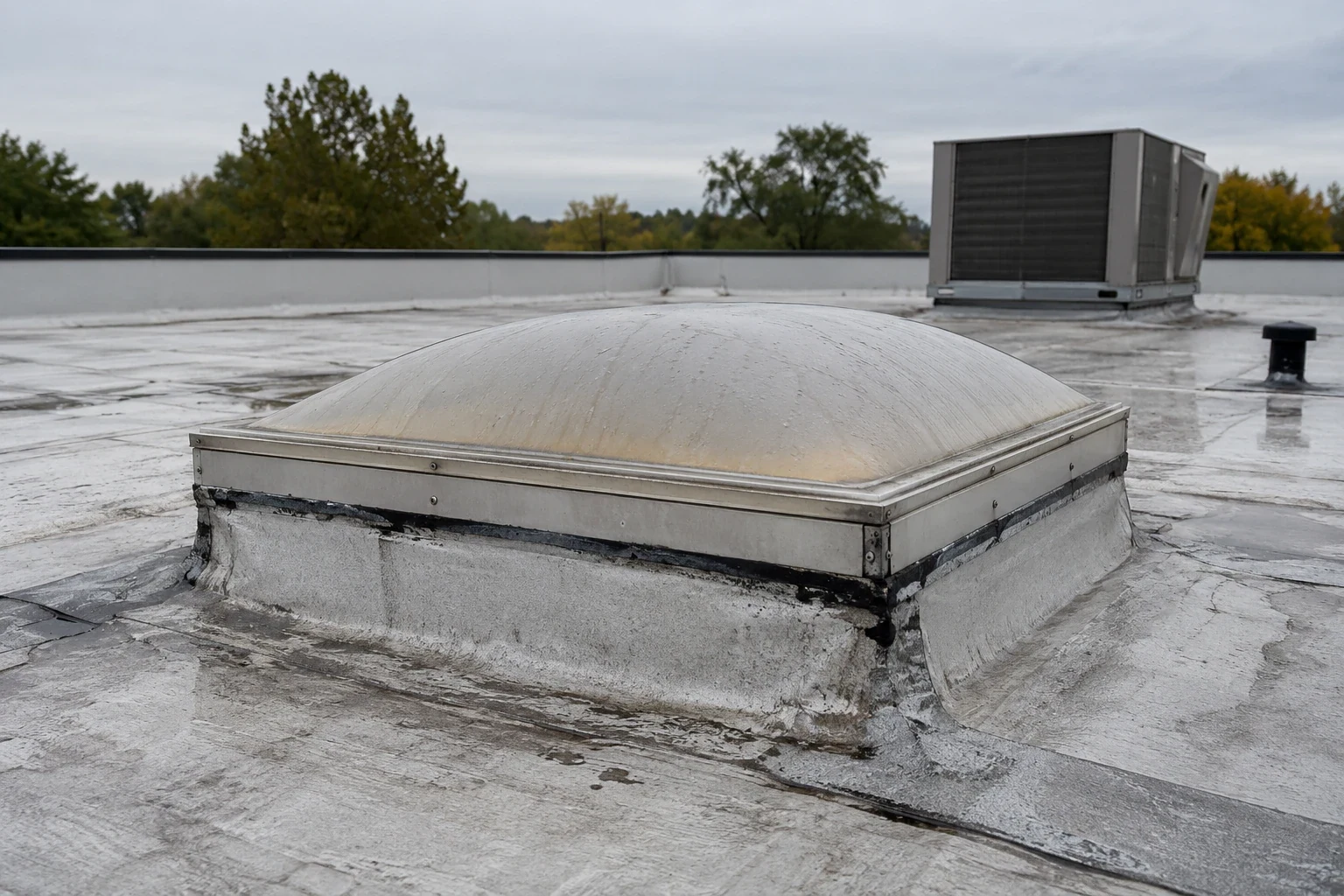
Install the board dry and cover it the same day
Insulation and cover board must stay dry from the moment they arrive to the moment the membrane goes over them. That means staging material off the deck, taping and tarping stacks, and closing in each day's work before the weather turns. Snow on the deck, morning frost and a wet forecast are all reasons to stop. Late spring through early fall offers the most reliable windows, and special-order tapered packages and cover boards can take weeks to arrive, so order well ahead of the crew.
Questions Owners Ask
How do I know whether the insulation is wet?
Scan the roof for temperature patterns, then cut cores where the scan shows warm or cool spots. A core shows what a scan only suggests: wet, compressed or dry.
Does a cover board matter on a roof that has never seen hail?
It still protects the insulation from foot traffic and gives the membrane a firmer surface to bond to. Whether it is worth the price varies with the system and the traffic.
Will replacing my roof force me to add insulation?
Probably. A tear-off down to the deck generally brings the current energy code into play, and the City of Rockford building department confirms what applies. Ask them before you price.
Can I add tapered insulation over my existing roof?
Sometimes, after the roof passes a moisture test. It adds height at curbs and walls, so we check flashing heights and the overlay rules first.
Is polyiso still a good choice in a cold climate?
Yes, for most roofs, with the layers staggered and the cold-weather rating checked. In freezers and cold storage we look harder at the vapor side.
What happens to the old wet insulation?
It comes out, goes to disposal and gets replaced with new board at the right thickness. Leaving it in wastes the new roof, because the water does not leave.