Commercial Roofing in Oregon, IL
Old buildings, hard Northern Illinois winters and layered roofs: honest repair, recover and replacement advice for commercial owners in Oregon, IL.
Oregon
Oregon
Rockford, IL
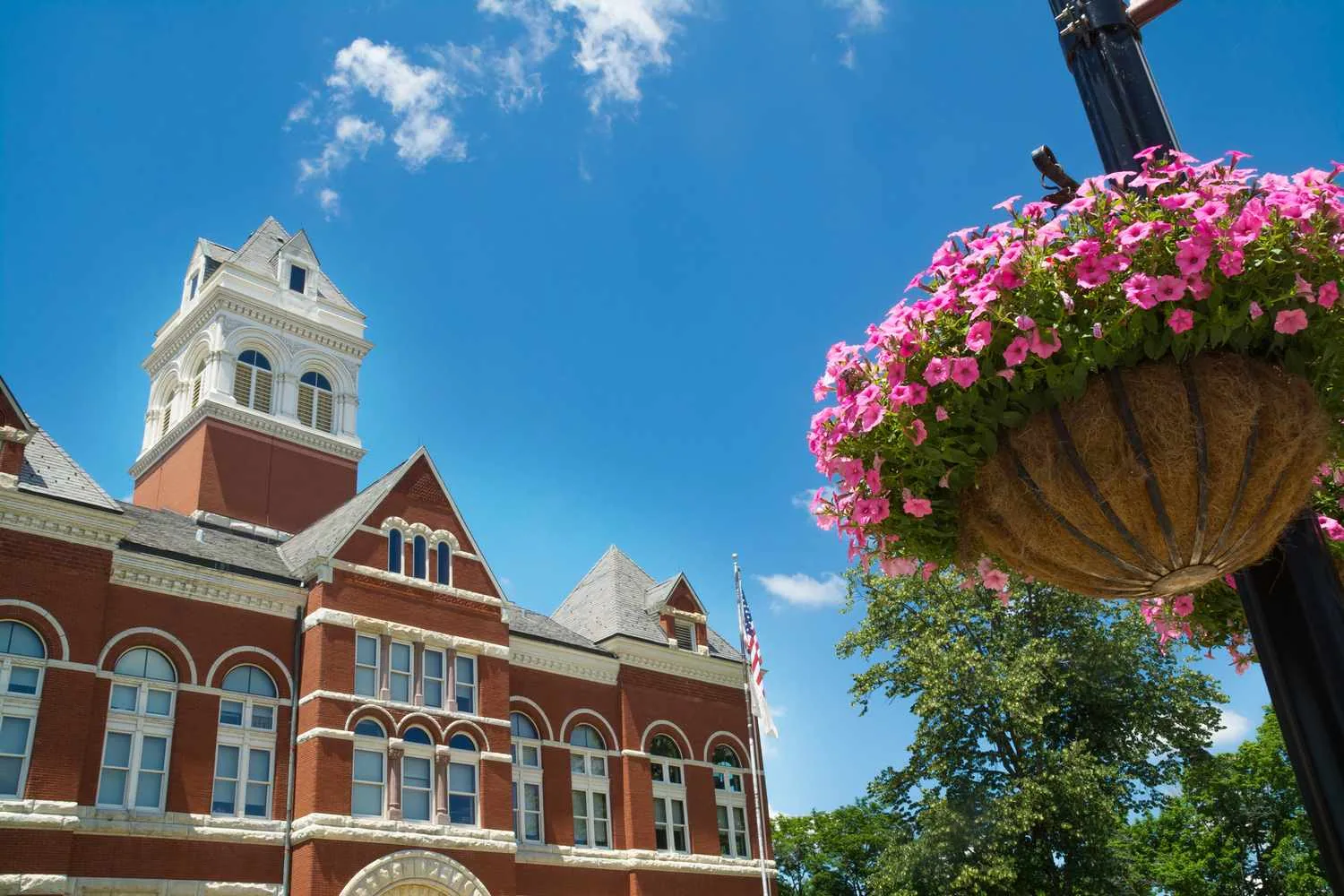
A building raised in 1891, like the Ogle County Courthouse at Washington and Fourth streets in Oregon, IL, has been through well over a hundred Northern Illinois winters, and whatever roof sits on an old building today has usually been patched, overlaid and flashed against by more than one generation of repairs. Rockford's count is roughly 134 days a year at or below freezing, and in a winter like that every layer, seam and wall joint on an old roof gets pulled open and pushed shut again. Old buildings forgive a lot, but they hide trouble, and the money that disappears into a mature roof is rarely lost in one dramatic leak. It leaks away in small repairs that treat the symptom.
Before you approve another patch on an older roof, find out what is under it. We will cut a few cores, scan for wet insulation and tell you plainly whether the roof is worth repairing.
Read the layers on an old roof before you add another
Roofs on older buildings often carry two or three systems stacked on top of each other: a built-up roof from one era, a recover over it, and a coating or a patch field on top of that. Each layer adds weight and traps moisture in a different place. When snow piles up, and Rockford saw 74.5 inches in the record winter of 1978-79 against an average near 36, the structure under all of that is carrying the sum of the layers plus the drift. Parapet walls collect that snow and hold it against the base flashing, which is exactly where old flashing gives out first.
If the roof has been recovered more than once, the code may not let a third layer go on, and it should not anyway. A thorough commercial roof inspection counts the layers and checks the deck, and the same habit drives snow and ice damage repair: find where the weight and the water sit, then decide.

Judge a former mill or factory roof on what it carries now
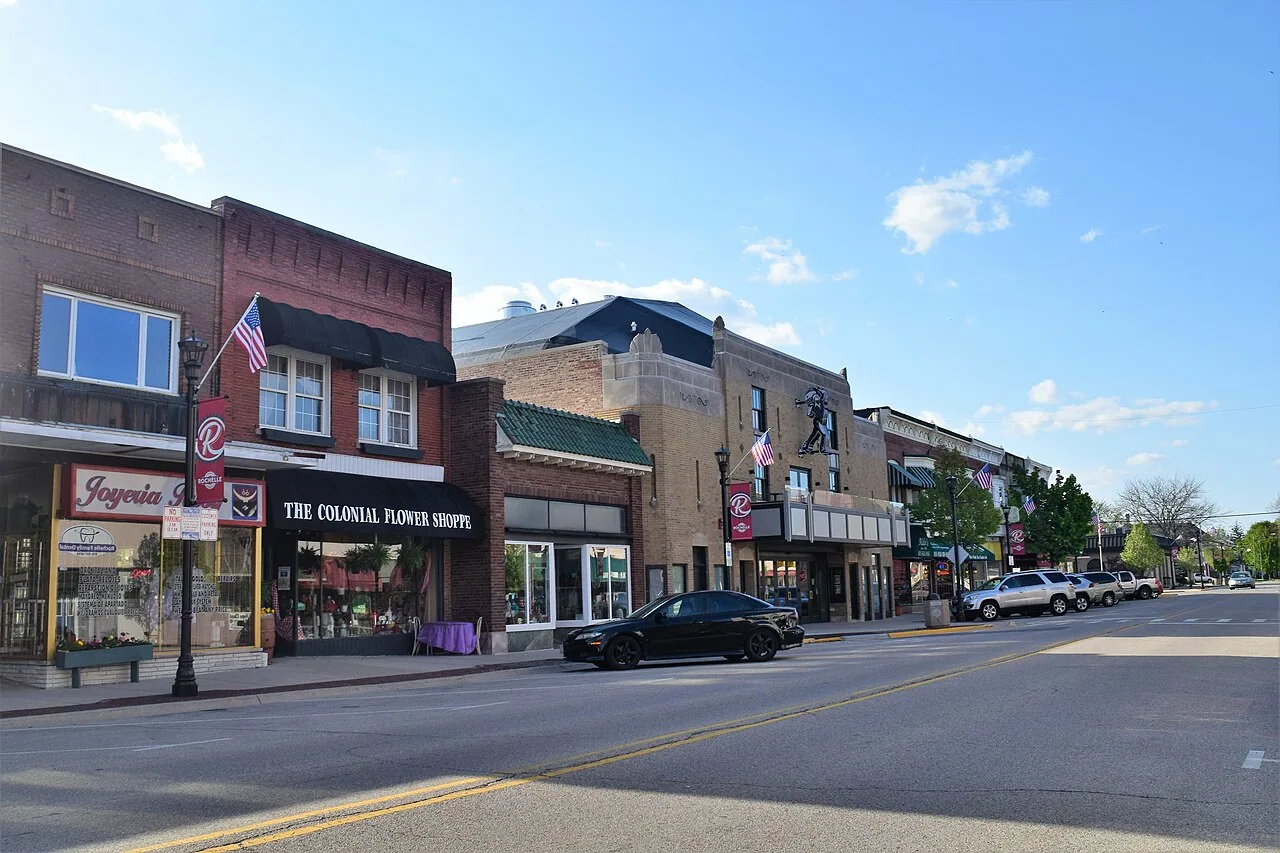
Oregon has an industrial past that includes the Paragon Foundry, an oatmeal mill and furniture and chair factories. If you own a building that started life as one of those or something like them, the roof probably covers a large area, and it may be crowded with penetrations from equipment that left decades ago. Abandoned stacks, capped vents, old curbs and skylights are where a roof like that leaks first, because every one of them is a flashing someone has to maintain. Removing what no longer serves the building is often the cheapest roof improvement available.
Walk the roof and mark every penetration, then ask which ones still do a job. A list like that is where skylight and penetration flashing work begins. Where the old membrane is finished, a built-up roof may still be the right match for the structure, and in other cases a lighter single-ply fits better. Price both side by side, and ask what each does to the deck load.
Guard your budget against what the deck hides
The most common change order on an older roof is rotted deck, found only after the old membrane comes off. It is a fair charge when it is real and a bad surprise when no one planned for it. Before you sign, ask for a unit price on deck repair, per square foot of deck replaced, so a surprise has a number attached on day one. Ask, too, whether the old roofing might contain materials that need special handling, because on buildings of this age the answer can change the schedule as well as the price.
The same discipline applies to wet insulation. A roof that looks fine from above can hold saturated board that no longer insulates and keeps the deck damp all winter. An infrared moisture survey shows how much of the insulation is wet, and that number decides whether a patch or a replacement is the right answer. The insulation and cover board scope should be priced on what the survey finds, not on a hunch.

Ask for public-building standards even on a private roof
A county courthouse is a public building, and public owners put roofs out for bid with a written scope, a spec and a way to check the work. A private owner in town can borrow that rigor without the paperwork. Ask each bidder for the same scope: the same insulation thickness, the same flashing details, the same disposal and the same cleanup. Bids that match line for line can be compared. Bids that do not are a way of hiding the difference in price.
A municipal or county owner already works this way, and government building roofing rests on the same written scope. Illinois Route 64 and Illinois Route 2 meet in Oregon, and any crew bringing insulation and membrane to a job in town has to stage trucks and a hoist on town streets, so ask how deliveries and hoisting will be staged around the street and the neighbors. A contractor who has thought about it can tell you in a sentence.
Schedule the tear-off for the weeks the weather cooperates
Older buildings do not like to sit open. If a crew strips a roof in a wet week, a sudden storm can send water into plaster, wiring and the stock inside. We phase older roofs in sections small enough to close up the same day, which costs a little more in setup and saves a lot in interior damage. Spring and early fall are the best windows in Northern Illinois, and winter is for emergency dry-in and targeted repair only.
A preventive plan stretches the time between those emergencies. Yearly preventive roof maintenance visits clear drains, reseal flashings and photograph conditions each year, which makes the next replacement decision a matter of records instead of guessing. A plan like that fits owners in Byron and Mount Morris too.
Oregon's historic core and its industrial past create buildings with varied roof geometry and renovation histories. A courthouse-era masonry property needs attention to wall intersections and drainage, while a former factory may have a broad low-slope deck with layers from different periods. Along Route 64 and Route 2, plan material delivery around local traffic and public access. For older structures, document roof conditions before adding equipment or changing interior use, then coordinate flashing details with the building's masonry and trim.

Questions Owners Ask
Can a roof from a century-old building be saved?
Sometimes. The roof is rarely the original, so the question is the deck and the insulation underneath. If both are dry and sound, a repair or recover can buy real time.
How many layers of roofing are too many?
Code limits how many can stack, and the structure has to carry them plus snow. A core sample counts them. Past two, the sound advice is usually to tear off.
Old stacks and vents from a closed factory: leave them or remove them?
Remove what has no job. Every unused penetration is a flashing that can fail, and capping and patching one costs less than chasing a leak around it for years.
What should a deck repair price look like on my bid?
Ask for a unit price per square foot of deck, written into the contract. That way a rotted section becomes a line you agreed to, not an argument after the tear-off.
Will a private owner get the same scope from every bidder?
Only if you ask. Hand each roofer the same written scope, with insulation thickness and flashing details named, and the bids will line up so you can compare them.