Due Diligence Roof Surveys in Rockford, IL
Roof surveys for Rockford, IL acquisitions and refinancing: moisture scans, core cuts, remaining-life ratings and repair or replace pricing.
Due Diligence Roof Surveys
Due Diligence Roof Surveys
Rockford, IL
Snow can sit on a Rockford roof for weeks, and a buyer who toured the building in January saw the snow, not the roof. The area averages about 36 inches of it a year and roughly 134 days at or below freezing, so many sales close in the months when the membrane is buried or iced over. Whatever the winter did to the seams, flashings and insulation stays out of sight until the thaw, and by then the contingency period is over and the money is spent.
A due diligence roof survey puts a number on that risk while you can still use it. It tells you what condition the roofs are in, how long they will last, what they will cost to fix and whether the price on the table reflects that. Do not sign a purchase or a loan on a seller's roof invoice alone. Make the roof prove itself, and use what we find to negotiate, whether or not you hire us for the work afterward.
Test what the seller's paperwork cannot show
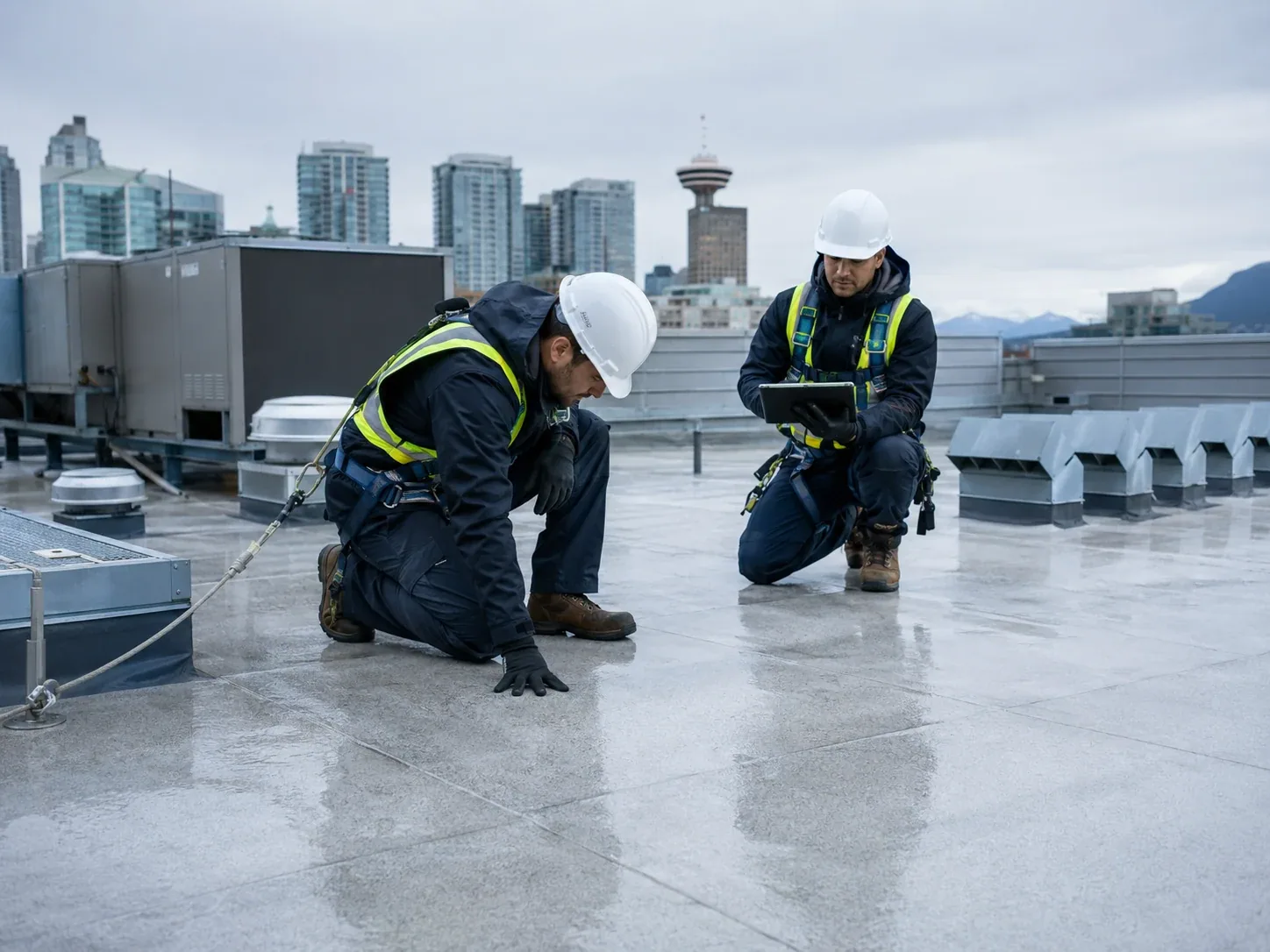
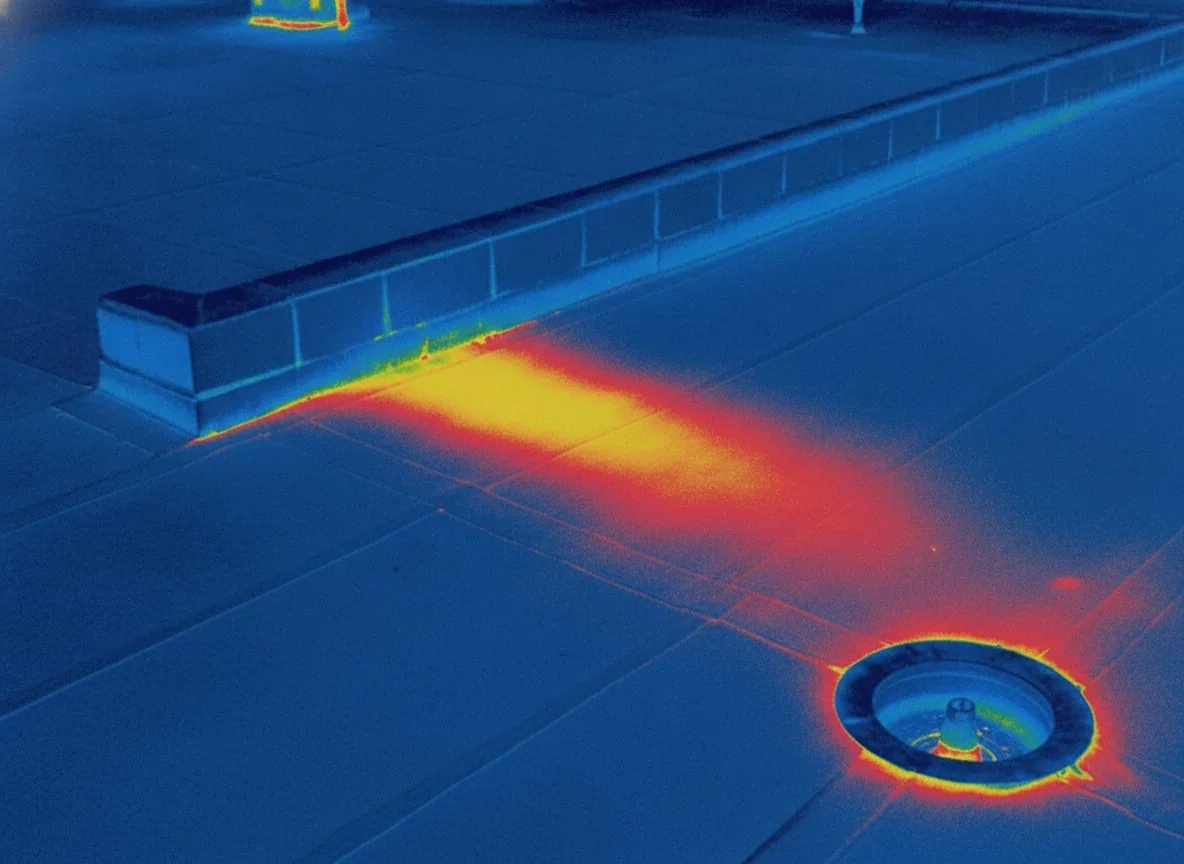
An invoice tells you what was installed and perhaps when. It does not say whether the insulation under it is dry. We start with the records, then walk every roof, then test. An infrared moisture survey flags suspect areas on a clear evening, and core cuts confirm what the scan suggests by showing the actual layers, their thickness and their dampness. A drone flight covers large or steep roofs quickly and finds problems that are hard to see from the edge.
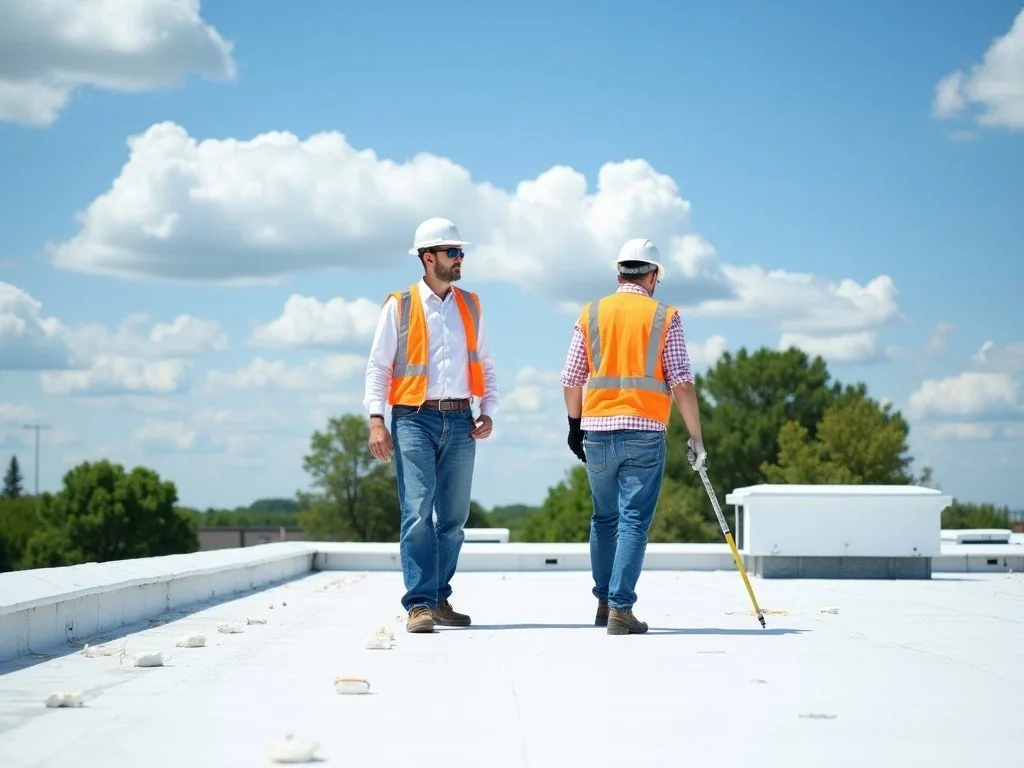
Ask the seller for every warranty, repair invoice and leak complaint on file, and ask who has been on the roof in the past few years. Gaps in that history are information too. A roof with no records is not necessarily bad, but it should be priced as one that might be.

Count the storms the building has already survived
Weather leaves a trail you can read. The November 10, 2020 storm put hail up to 1.25 inches near Rockton and 1-inch hail on Roscoe, and a March 31, 2023 EF-1 tornado touched down in Rockford near Sinnissippi Golf Course. A building in one of those paths may carry bruised membrane, loosened fasteners or lifted edge metal that never produced a leak but shortened the roof's life. Ask whether a claim was filed, whether it was paid and whether the repairs were done.
A survey that records storm damage separately from age and wear is worth more to a buyer, because it supports a price adjustment and tells you which items an insurer may still owe. Keep the photographs. They matter in a claim and in the next sale.
Read a vacant box roof twice
Empty buildings fail quietly. The former Kmart along the East State Street corridor, close to 106,000 square feet, closed in 2018 and stood vacant, and a global market and food hall is now proposed for it. Machesney Park Mall along the North Second Street corridor lost Burlington in January 2025 and has no large-store tenant left. A big roof without heat or tenants collects debris, clogs drains and goes unwatched, and meltwater can reach the deck for years before anyone sees a stain.
When you buy a building like that on the East State Street corridor or along Machesney Park's North Second Street, treat the roof as an unknown until the cores say otherwise. Price in a full drain clean-out, a close look at the deck and a realistic replacement range, because a redevelopment plan will usually need a dry roof first.
Give your lender the report it will ask for
Lenders often want to see a roof's age, condition and remaining life before they commit, and a refinancing can stall on a roof that nobody has examined. A written survey with photographs and a replacement range gives the underwriter something firmer than a seller's word, and it often shortens the argument over a required reserve. Pair it with a capital plan so the lender sees the roof budget laid out over years.
Ask the lender early what format it wants. Some require a stamped report or a specific rating scale, and a survey written to that scale saves a second visit. We will write to your lender's requirements where we can, and we will tell you if a request looks like more testing than the building needs.
Plan the first winter before you close
The roof you buy is the roof you will have to carry through your first freeze. Use the survey to sort the work into what must happen before winter, what can wait a year and what belongs in a long-term plan. Check what any existing warranty requires for transfer, and make sure the notice is sent on time. Build the repairs into the purchase price or into a credit at closing, not into a surprise bill in March.
For a larger acquisition, such as an older plant or a portfolio, ask how the roofs fit with the other property systems and how the work will be phased. The same survey can start your ongoing roof records after you take title, which is how owners and REITs carry a roof program from one acquisition to the next.
For a transaction, ask the consultant to separate conditions that affect closing from capital work that can be scheduled later. A roof map should identify each section, its covering, visible repairs, drainage points and access limits. In Rockford, comparing a downtown conversion with a broad retail building along East State Street requires different assumptions about penetrations, use and staging. Make sure the report distinguishes observed conditions from items that need cores or destructive testing, then carry those open questions into the purchase agreement and reserve.
For a buyer, the final deliverable should also list unanswered questions, access limits and recommended follow-up tests. That lets the team assign responsibility for each open item before the roof becomes an operating expense.
Questions Owners Ask
How long does a survey take on a large building?
A few days for a single large roof or a small group of buildings, plus time to write the report. Core cuts and moisture scans need dry, clear weather. Tell us your closing timeline at the start and we will plan the testing to fit inside it.
What if the seller will not allow roof testing?
Then you decide how much risk to take. Many sellers allow a walk and a drone flight but resist cores. A written request that promises to patch every cut often changes their answer. If they still refuse, price the roof as if the worst case is true.
Can I use the survey to lower the price?
That is its job. Findings of wet insulation, failed seams or short remaining life support a price reduction, a repair credit or a longer escrow. The report names each issue with a repair price beside the replacement price, so the negotiation rests on numbers.
Is a survey needed on a building I plan to tear down or redevelop?
Often it still matters. A roof that leaks into a building under renovation damages new finishes and delays tenants. Test it before the work starts, and plan a temporary roof repair if redevelopment will take more than a winter.
Does a new roof make a survey unnecessary?
Not entirely. Check the warranty, the closeout papers and the installation quality. New roofs are sometimes built over wet insulation or poorly flashed. A shorter survey of the details and a few probes can confirm the work is sound.