Acrylic Roof Coatings in Rockford, IL
Acrylic roof coatings in Rockford, IL: a lower-cost way to restore a sound, well-drained roof, plus the weather limits and prep that make or break the job.
Acrylic Roof Coatings
Acrylic Roof Coatings
Rockford, IL
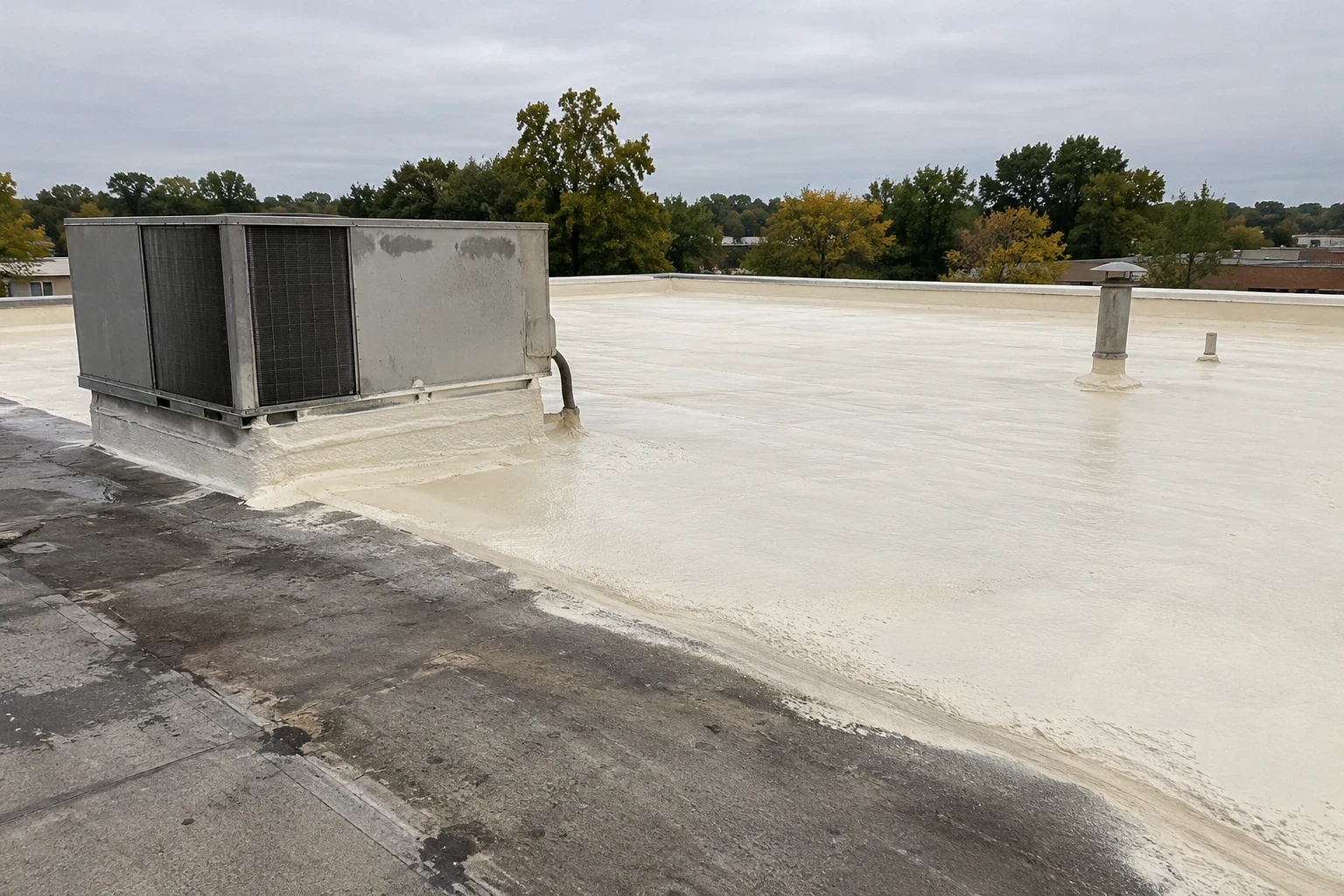
One cold, wet night before a coating has cured can undo a week of work, and from October on Rockford, IL hands out plenty of those nights. Acrylic is the water-based coating that makes the most sense for owners watching a budget: it costs less than most alternatives, goes on in light colors that throw back summer heat, and can be washed and recoated again and again as it wears. It also carries rules that a sales pitch tends to skip. It needs a roof that drains, a surface that is clean and dry, and a run of mild weather that northern Illinois only gives you part of the year. Used on the right roof, it is a sensible way to add service life to a membrane that still has a good deal left in it.
Used on the wrong roof, it is money spent on a color.
Read how acrylic handles Rockford sun and freeze
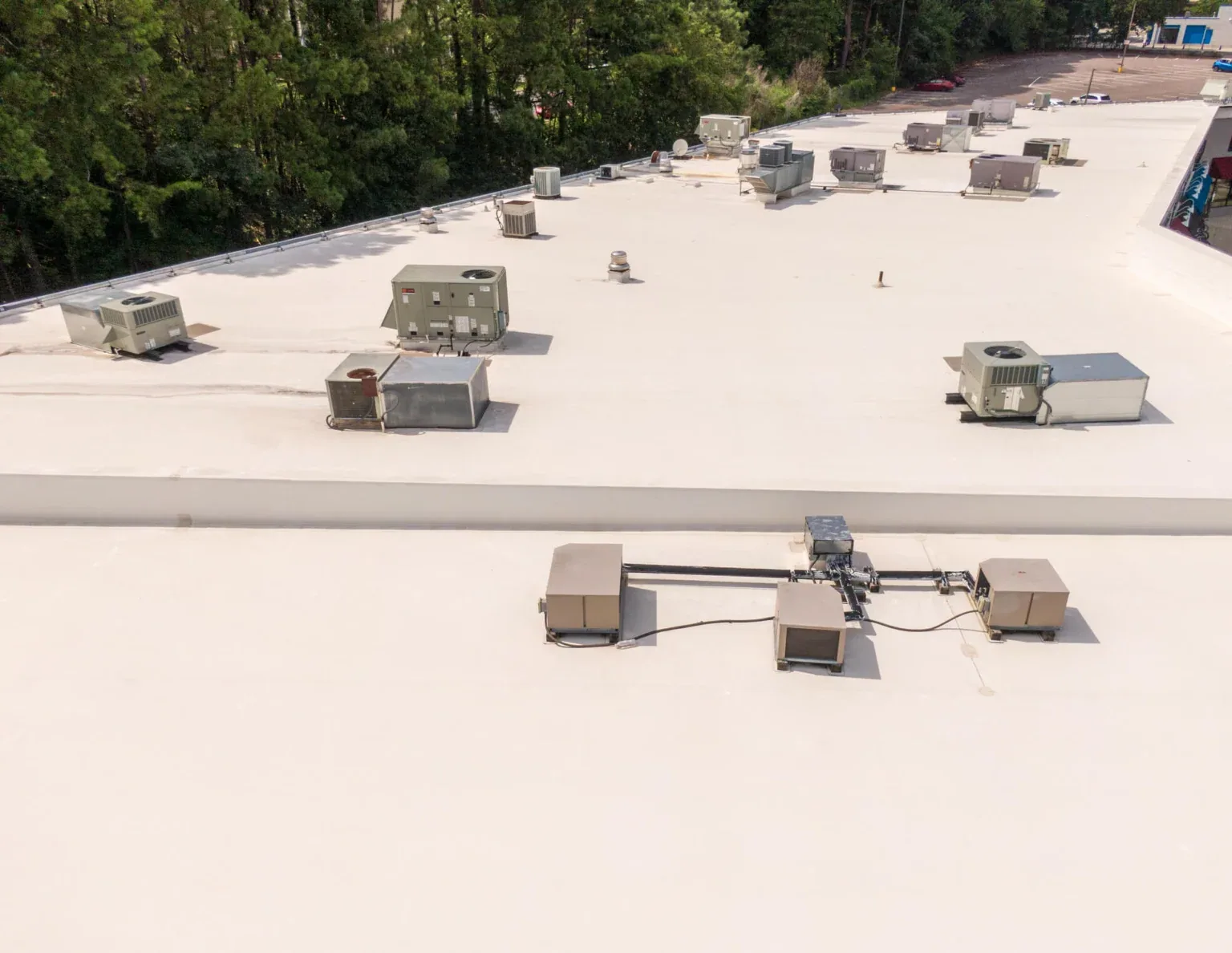
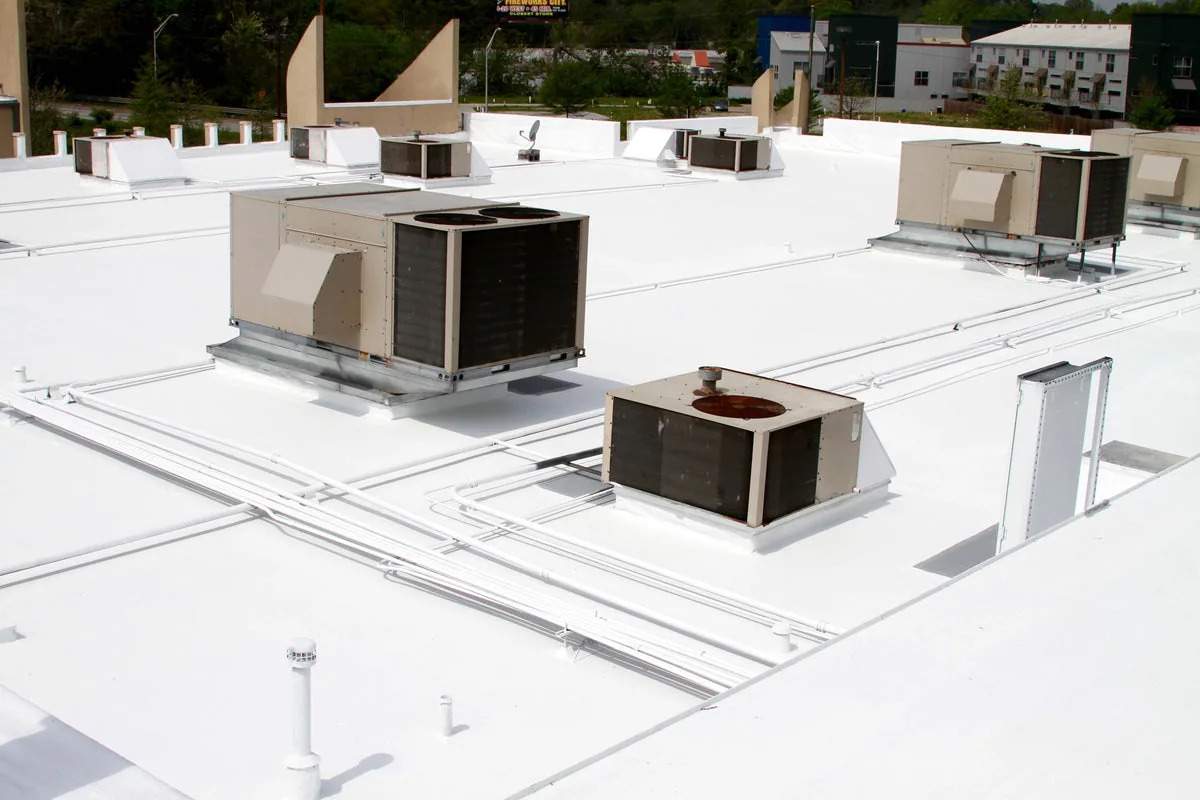
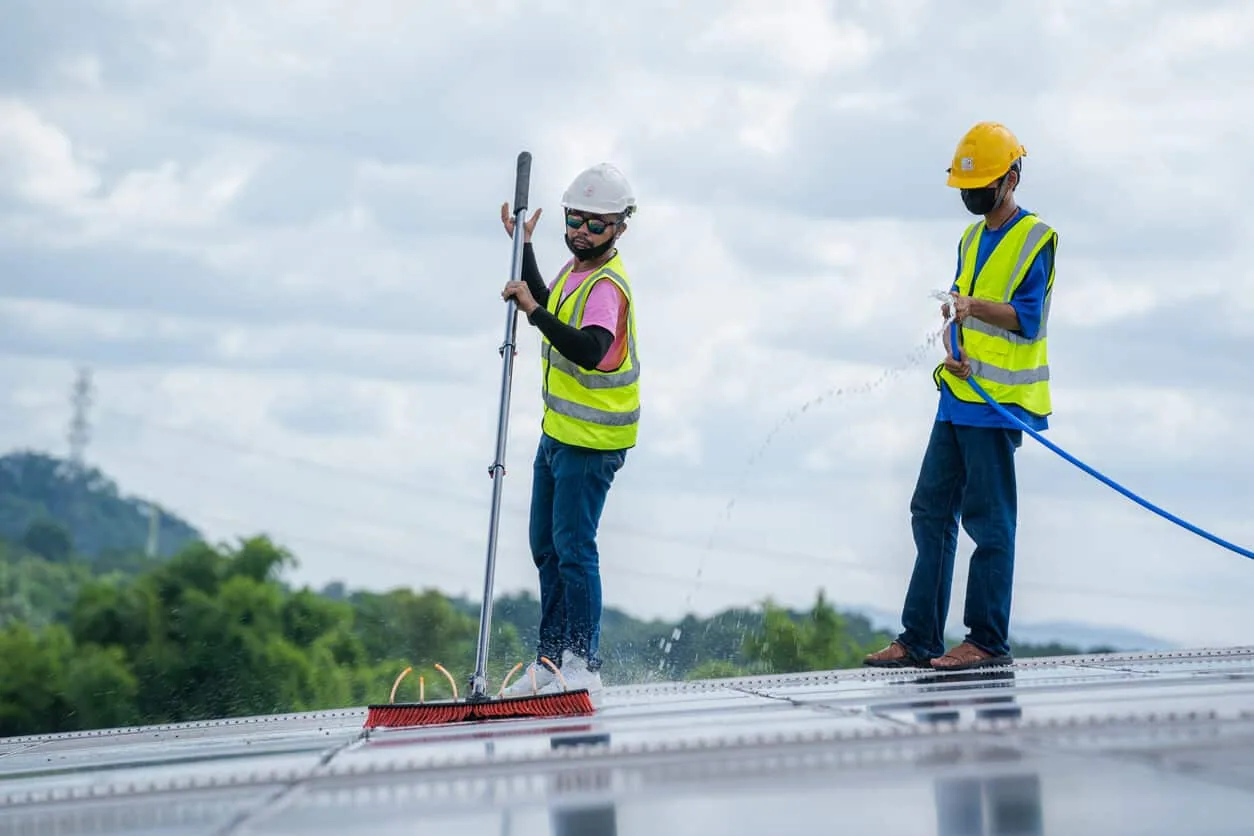
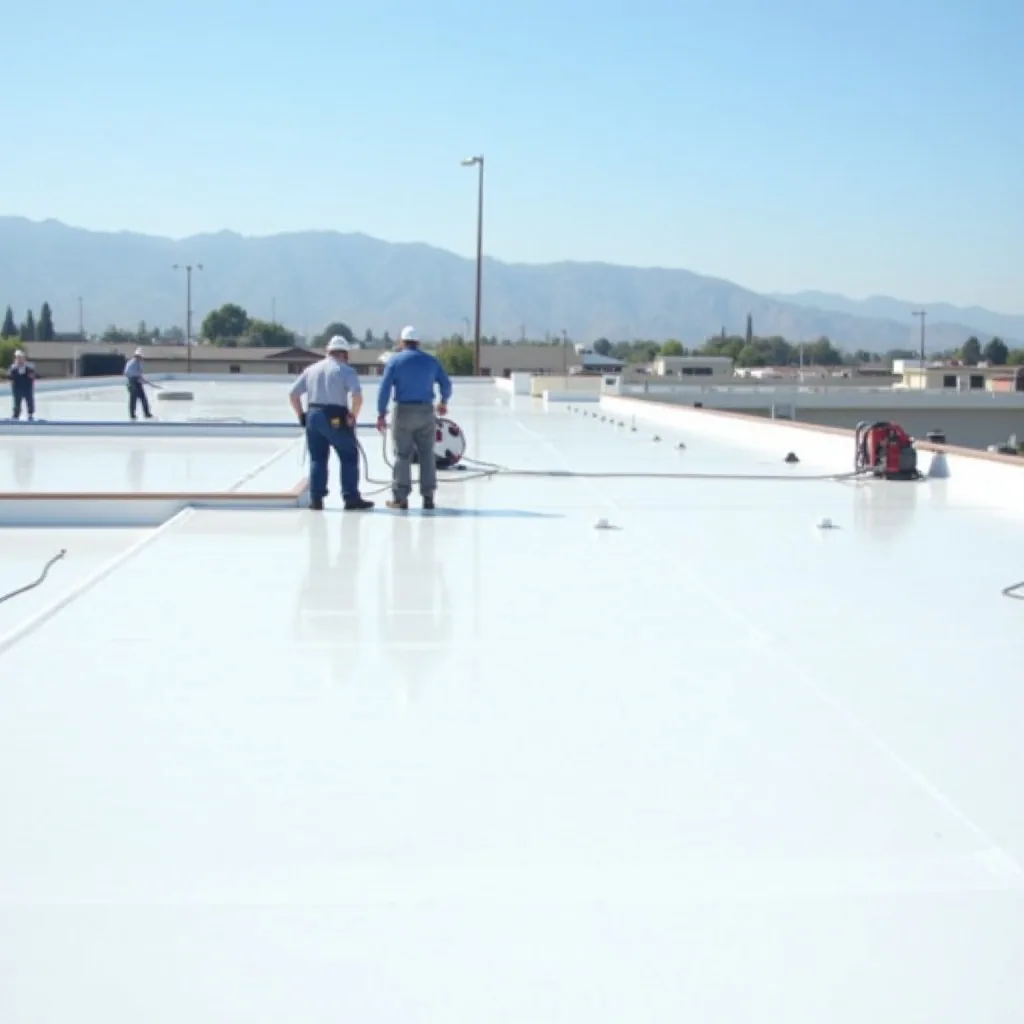
A white acrylic surface reflects sunlight, so the roof stays cooler through the roughly 15 days a year above 90 degrees. That cuts the daily expansion and contraction that tires a dark membrane, and it can take some load off rooftop cooling equipment. In winter the story is different. A roof here sits at or below freezing about 134 days a year, and acrylic is stiffer in the cold than silicone, so it relies on the membrane beneath it to do the flexing. A coating over a roof with open laps or loose flashing will crack along the same lines the roof does. Hail is a limit too. A coating adds little impact resistance, and the November 10, 2020 storm that dropped hail up to about 1.25 inches near Rockton would have bruised a thin coat as easily as the roof under it. A coating is a skin, not armor. If flashings are failing, a flashing failure repair comes first, then the coat.
Do not coat over a problem you can still see. It will still be there next spring.
Check the slope before you check the price
The biggest limit on acrylic is standing water. A water-based film that stays wet for days can soften, lift and wash away, so acrylic belongs on roofs that drain within a day or two of rain. If your roof ponds, silicone is the product made for that, and a thick spray foam layer can sometimes correct the low spots. Acrylic bonds well to metal, built-up roofs, modified bitumen and old foam, with the right primer, and it is a common choice for restoring a rusty or chalky metal roof once the fasteners are sealed. It is not the best pick over smooth, welded single-ply sheets unless the maker approves a primer. Walk the roof after rain and see where water lingers. If most of it clears the same afternoon, acrylic may be enough.
If a bidder never asks about drainage, they are not thinking about your roof.
Put the savings in writing
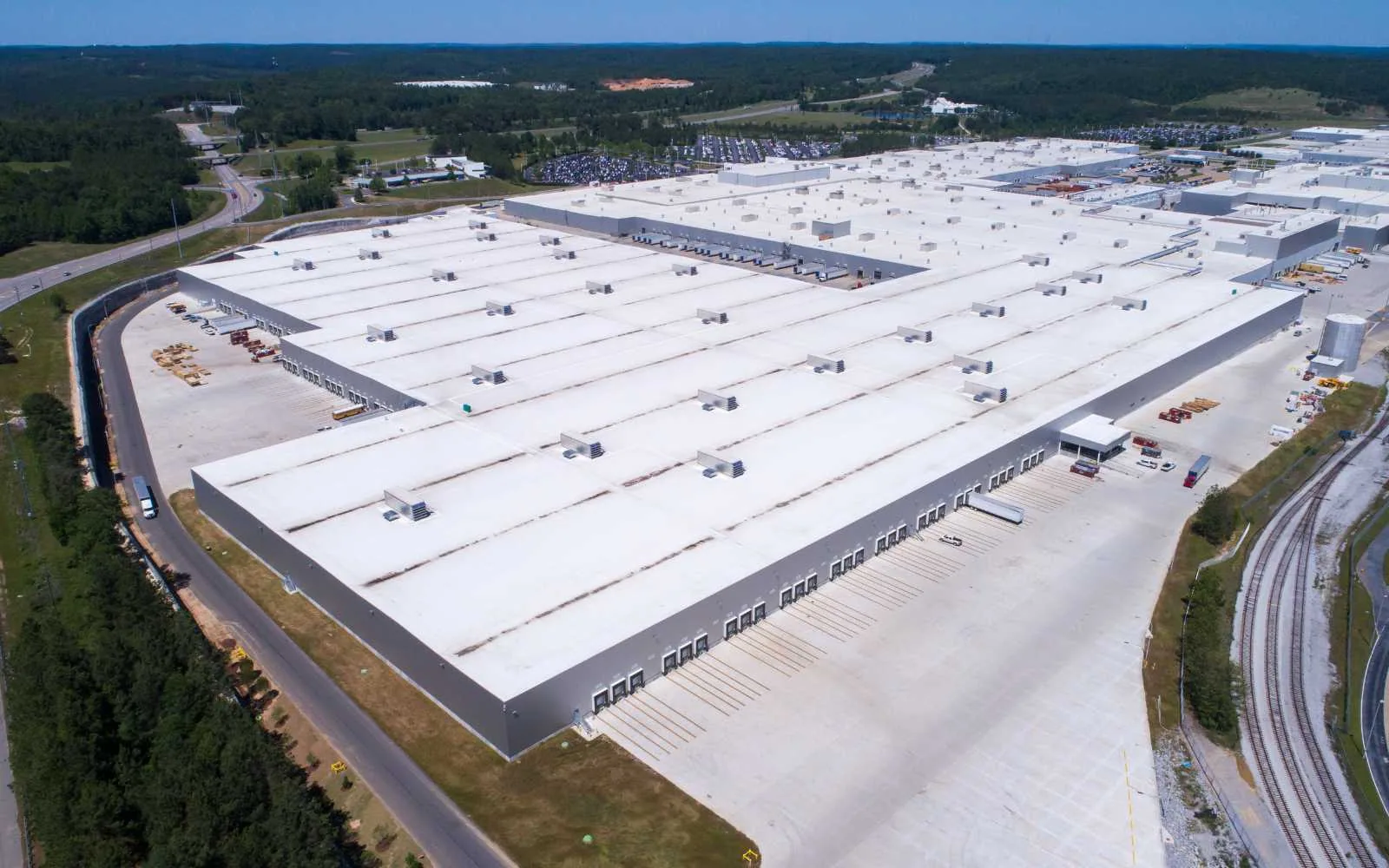
Acrylic costs less per gallon, and that is where owners stop reading. A water-based product loses volume as it dries, so it usually takes more coats than silicone to build the same protective thickness. A fair bid tells you the dry film thickness the maker requires, the number of coats, whether reinforcing fabric goes over every seam, and what each repair costs before coating starts. Then compare it against a full coating and restoration scope on the same building, and against a new roof. Scale matters more than anything. In Belvidere, where a General Mills distribution center is planned at 1.3 million square feet and a Walmart cold storage facility is reported at over 1.2 million, a small difference per square foot becomes a real line in the budget, and an owner in Belvidere should price every option twice.
A coating is a bargain only when it stands in for a replacement. Ask for the replacement number too, so you can see what you are actually saving.
Ask who recoats it after the crew leaves
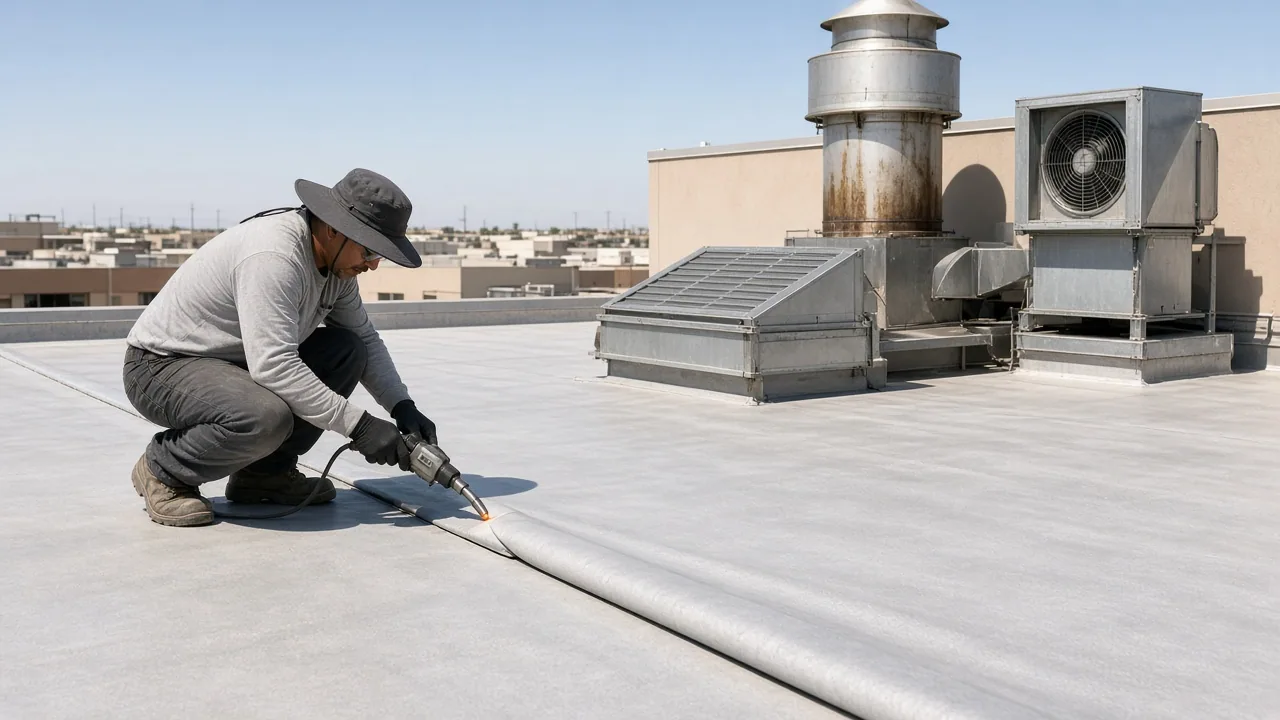
Acrylic is the easiest coating to maintain. Unlike silicone, it accepts a fresh coat of itself or another acrylic after a good wash, so it can ride a planned cycle: inspect each spring, clean, spot repair, and topcoat before the surface wears through. Treat that cycle as an operating cost and put it in a maintenance program, not as a surprise. A campus owner with many low-slope roofs can rotate the work and coat sound roofs on a schedule while putting replacement money into the ones that are failing, and Rock Valley College's 217 acre main campus off the North Mulford corridor is the kind of property where that planning matters. The same logic works for any college or university with a long list of low-slope roofs. Ask what the warranty covers, whether it excludes ponding, and who handles the topcoat in year six or eight. Ask, too, whether projects financed with historic tax credits, such as the Colman Yards factory buildings, need a reviewer to approve a bright reflective finish before it goes up. For coating work on the City’s south-side 11th Street corridor, begin with a substrate and adhesion review.
Get the maintenance plan before you accept the install.
Book the dry weeks early
Acrylic cures by letting water evaporate, which makes it more weather-sensitive than most coatings. It needs a clean, dry surface, temperatures at or above the maker's minimum, no rain for a day or more and no heavy dew overnight. In this part of Illinois that means roughly late May through September, with the best weeks in the middle of summer, and a single stormy week can cost you days. Schedule the repairs and the pressure washing first, and hold the coating for the first long dry stretch. If a surprise shower catches a fresh coat, call us at any hour: our crews respond around the clock, and a washed-out coat caught early is cheaper to fix than one found in October.
If anyone proposes coating in November to hit a budget year, say no. The cold will cost you more than the calendar saves.
Questions Owners Ask
How soon can it rain after the coating goes on?
Plan on a full dry day or more, depending on thickness and humidity. A shower inside that window can wash the film out before it sets. A good contractor watches the forecast for the day after as closely as the day.
Is acrylic good enough for a roof that holds water?
Not if the water sits for days. Acrylic can soften and lift under constant wetting, and a roof that ponds belongs with a different product or with a drainage fix before any coating goes on. Check where the puddles are a full day after rain.
Why is acrylic cheaper than silicone?
It is a water-based product with lower material cost, and you buy that savings with extra coats and a tighter weather window. Compare cost per year of service, not cost per gallon. A cheap coat that fails in two winters is the expensive option.
Can I recoat acrylic when it wears?
Yes, and that is its best feature. After a wash and repairs, a fresh topcoat bonds to the old one, so you can keep extending the roof on a schedule. Build the recoat into your maintenance budget instead of waiting for the surface to fail.
What does acrylic do on a metal roof?
On metal, rust treatment and fastener sealing come first, then a primer and the coating. A white acrylic film cools the panels and seals small pinholes, but it cannot close a seam that has moved apart, so those get repaired before anything is rolled on.
Will a coating hold up to hail?
Hardly. The skin is thin and adds little impact resistance, so large hail can bruise or puncture the roof beneath it. After a storm like November 2020, walk the roof and patch any damage promptly, before water finds the gap.