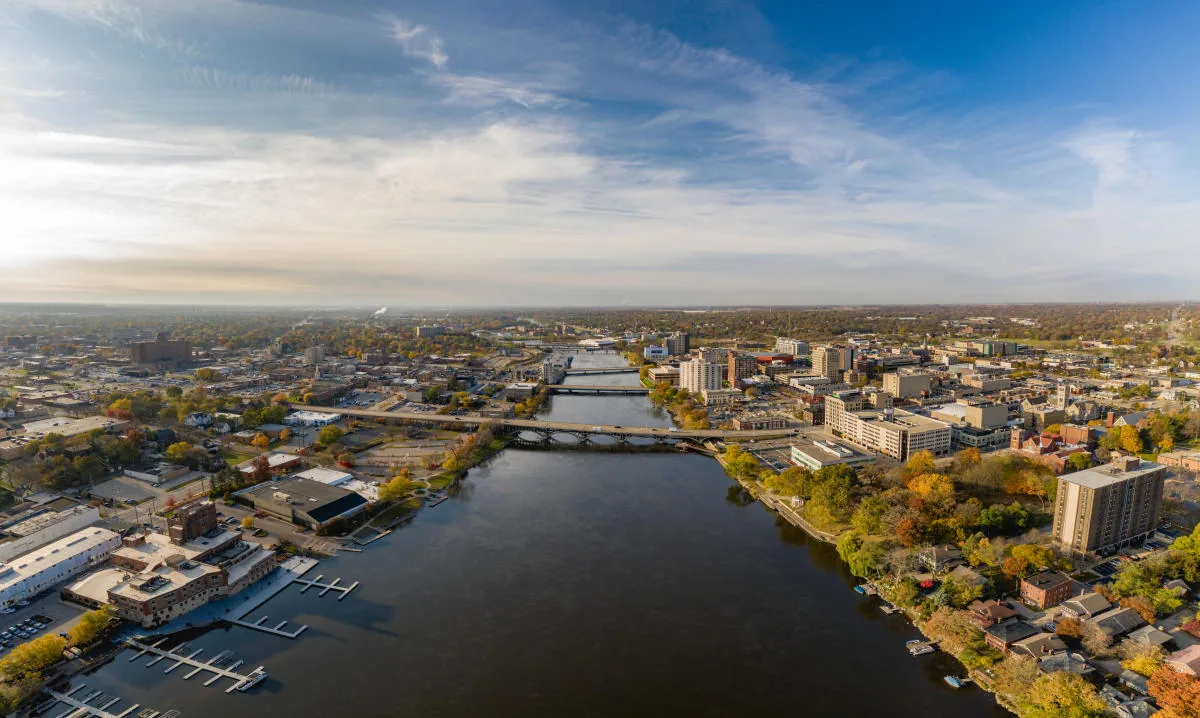
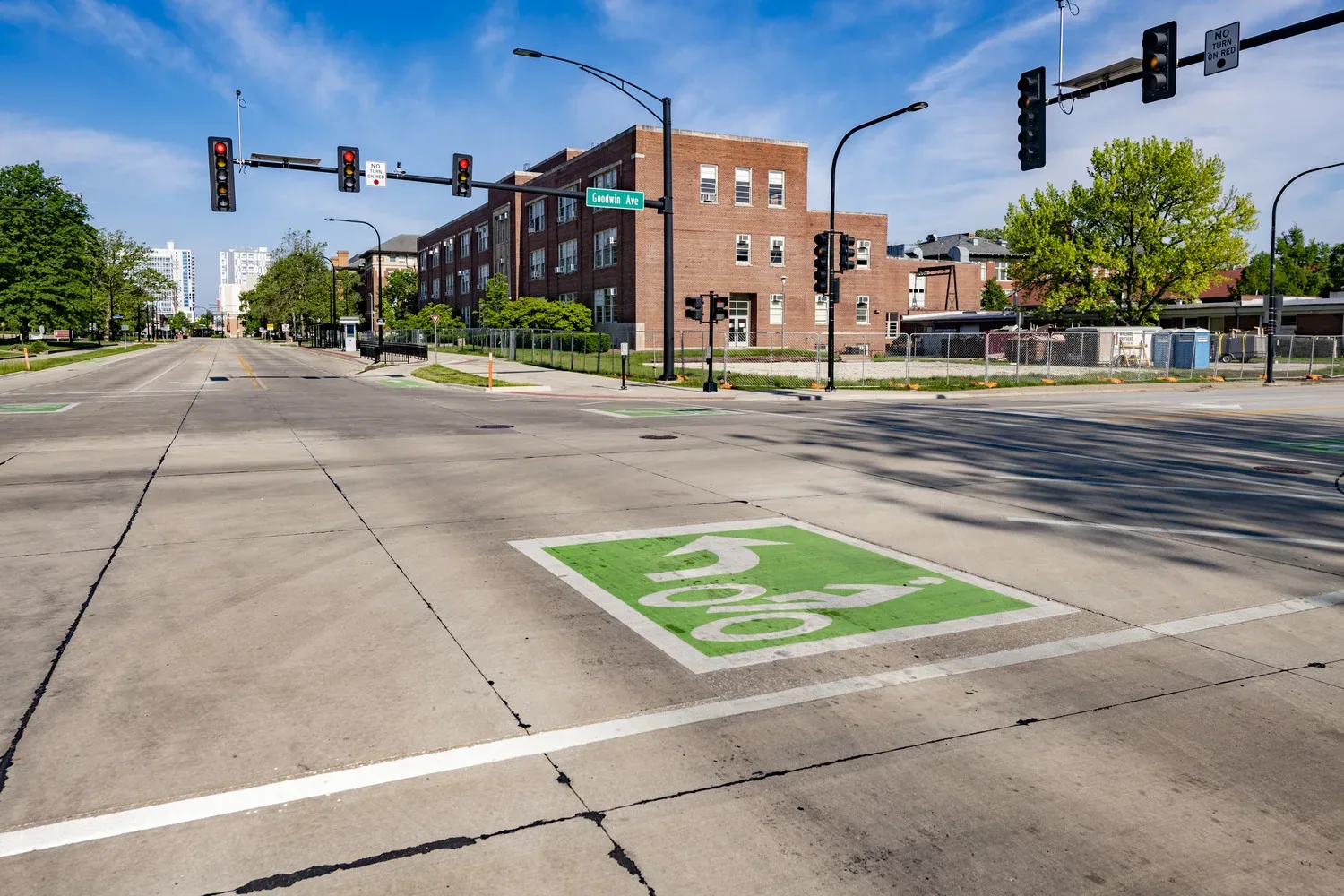
Commercial Roofing on 11th Street, Rockford, IL
Commercial roof inspections and repairs for properties along Rockford’s south-side 11th Street corridor, planned around weather and daily operations.
11th Street
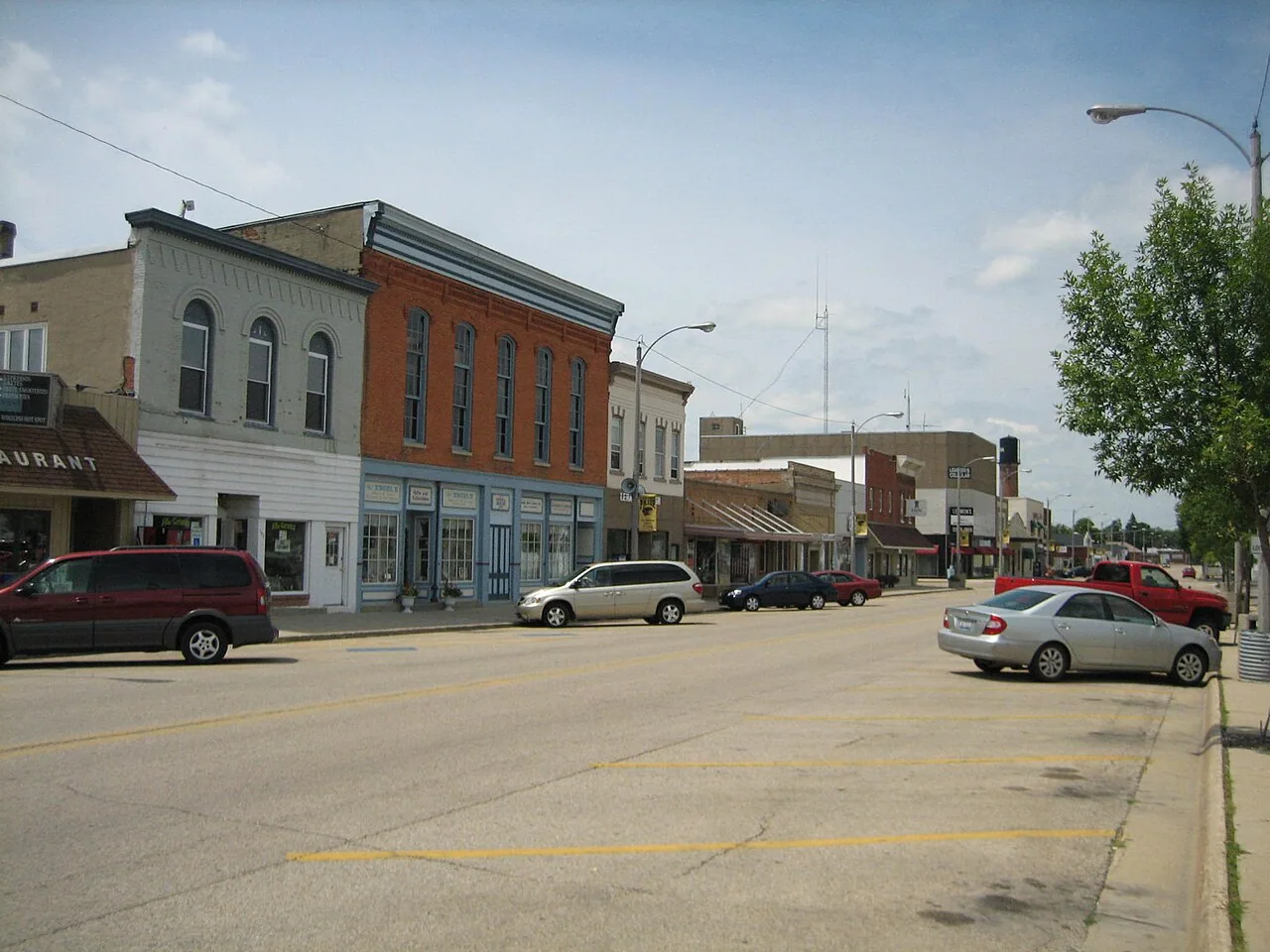
11th Street
Rockford, IL
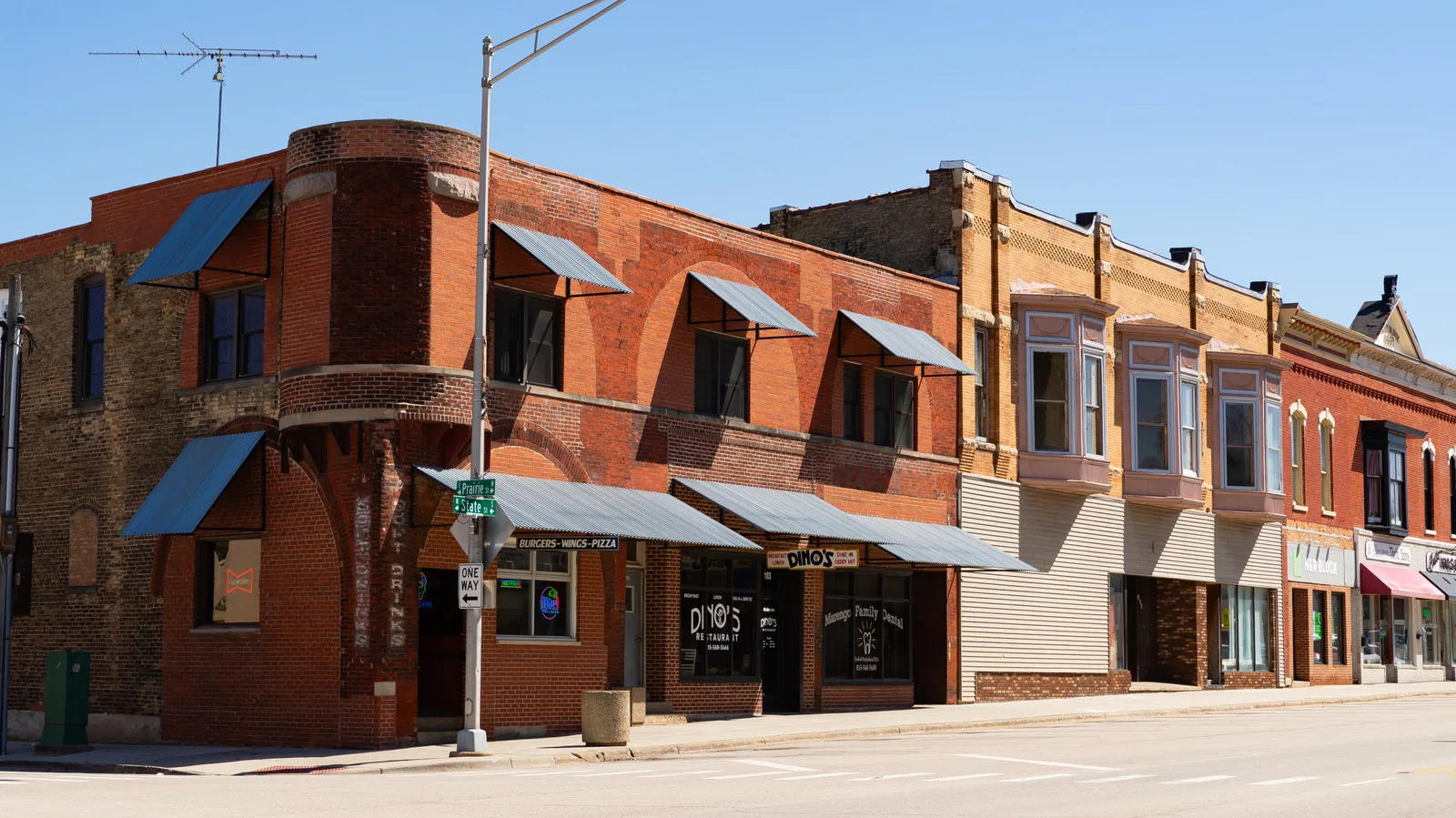
On Rockford’s south side, 11th Street is also Illinois Route 251, a corridor the City has addressed through transportation and economic-development planning. For a commercial owner, the practical question is what the roof needs and how work can proceed without disrupting the property below. A street corridor can include different building types, ages, tenants, and roof assemblies within a short drive. That variety makes a site-specific inspection more useful than assumptions based on a neighboring building. For a condition assessment, a commercial roof inspection can establish a baseline before repairs or capital work are selected.
Rockford averages about 36 inches of snow and roughly 134 days below freezing. Those repeated freeze-thaw cycles put attention on drainage, seams, edge details, and rooftop penetrations. Start with a roof map, document visible conditions, and agree on the access and operating constraints before choosing a repair or replacement path.
How northern Illinois weather changes the inspection
Snow drifts unevenly around parapets, equipment screens, and adjoining roof heights; wind can expose weak edges and lift loose flashing. During a thaw, water may travel beneath snow before it reaches a drain; a later freeze can reveal a backup at a seam or penetration. An inspection should record ponding, drain condition, and transitions at walls and curbs. Where a broad roof cannot be reached safely, a drone roof inspection can document visible conditions before a closer evaluation is planned.
Summer heat brings a different cycle. A dark membrane expands under sun, then contracts as temperatures fall. Repeated movement can stress seams, fasteners, coatings, and metal edges. After hail or wind, photograph damage, protect exposed openings, and arrange an assessment before temporary repairs obscure evidence.
In a multi-tenant property, communicate the inspection route and any restricted areas ahead of time. A drone survey can help document broad roof areas, while close review is still needed where a leak history, ponding, or a mechanical penetration calls for it.
Use a roof condition record to plan capital work
Owners often face a choice between another targeted repair and a larger restoration or replacement. That decision is stronger when the condition record includes the roof’s age, assembly, repair history, wet-insulation findings, drainage performance, and remaining warranty requirements. Mark each affected zone, identify the likely water path, and separate confirmed damage from areas requiring further tests. A consistent roof condition report also gives finance and facilities teams one record to use for prioritization and annual budgeting.
For buildings with multiple sections, inventory each roof independently. Additions may have different decks, slopes, membranes, and insulation even when they share one address. A core sample or infrared survey may be appropriate when visual review cannot establish whether insulation is wet. If the roof is broadly sound, a focused repair or coating may extend useful service life; if moisture is widespread or the assembly is failing, covering the problem can trap damage and increase future cost.
When replacement is approaching, plan for tear-off, disposal, temporary protection, and rooftop equipment coordination. Request a written scope that identifies included work, exclusions, and how concealed conditions will be priced.
Match the work to the roof assembly
A leak is a symptom, not a scope. Water can enter at a seam, edge, drain, curb, or wall transition, then travel before appearing inside. The repair should address the entry point and the surrounding assembly. If the membrane is brittle or seams have failed across several zones, repeated spot patches may not be a durable answer. If the field membrane is sound and the defect is isolated, a compatible repair can be appropriate. On a low-slope commercial property, a compatible TPO roof system is one option to evaluate against existing layers, drainage, attachment, and warranty requirements.
Choose materials based on the existing system, deck, drainage, rooftop use, and project requirements. A recover can reduce disruption when the existing assembly is dry and structurally suitable. A tear-off may be needed where wet insulation, incompatible layers, or deck deterioration is found. Do not select a system from a product label alone; verify compatibility, attachment, edge details, fire and wind requirements, and warranty conditions for the actual building.
For occupied properties along the corridor, the work plan should account for entrances, loading activity, ventilation, and safe routes around the building. A phased schedule can keep sections weather-tight while leaving essential operations available. The project team should identify who can approve access and respond if hidden damage changes the scope.
Questions to resolve before a roofing project
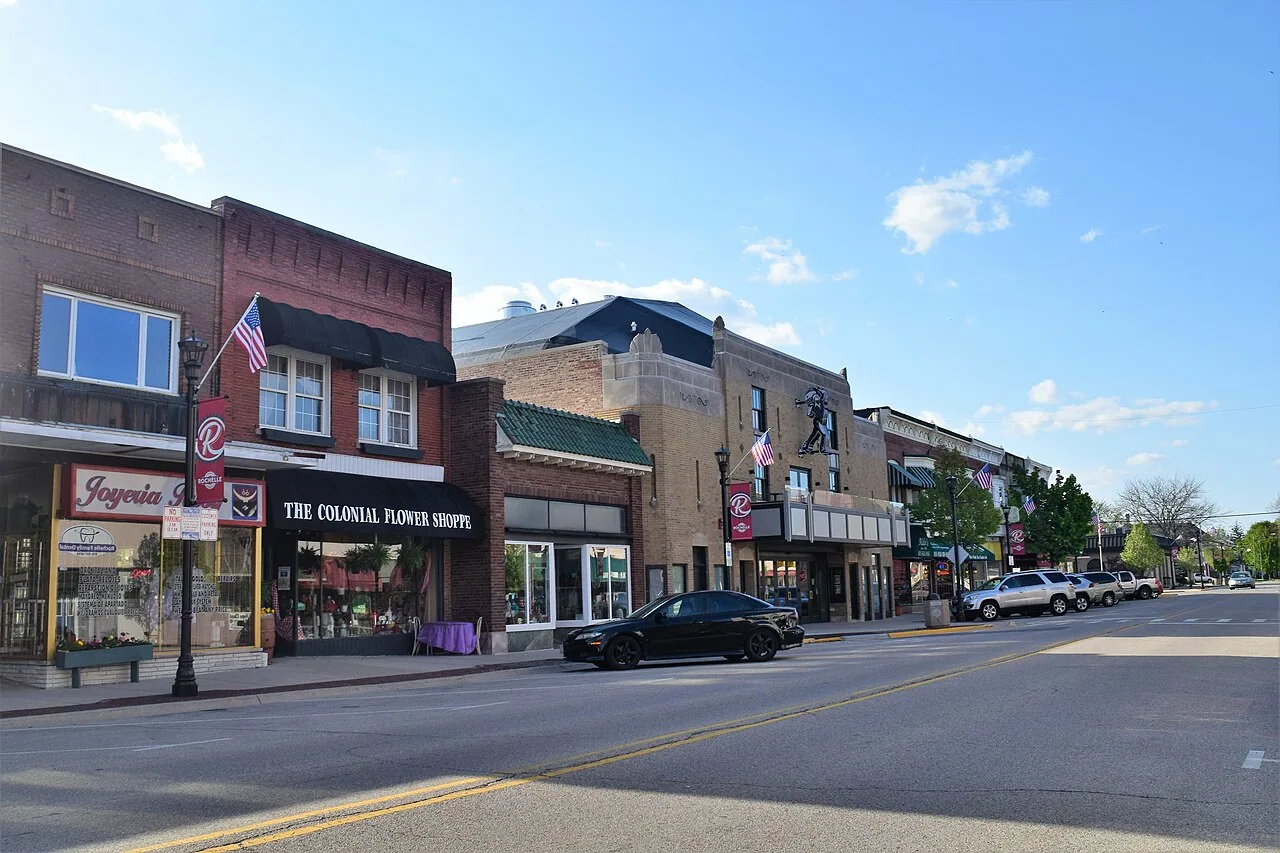
Before work begins, ask the contractor to explain how the diagnosis supports the recommendation. Which roof areas were inspected, which could not be reached, and what tests were used? What evidence shows that insulation is dry or wet? Where does water drain, and are there signs of ponding, blocked outlets, or overflow paths? A useful report answers with photographs and a marked plan. Owners comparing the roof across adjoining suites should also review the separate conditions found on a Downtown Rockford property or along North Main Corridor, rather than treat all nearby buildings as one assembly.
Confirm the details that affect occupied operations: work hours, noise, odor, deliveries, lift placement, rooftop-unit shutdowns, fire protection, and daily cleanup. Name the access contact and decision-maker. For a replacement, review protection for open areas, weather monitoring, end-of-day tie-ins, and the process for responding to a forecast change.
Compare proposals by scope, not only by total price. Check the specified membrane and insulation, attachment method, flashing and edge-metal work, drain treatment, warranty, exclusions, and unit pricing for concealed conditions. A clear written scope gives owners a fair basis for comparison and helps avoid disputes once work is underway.
Schedule around weather and property operations
Roofing schedules depend on dry conditions, temperature, and operations. Spring and early fall can offer workable windows, but northern Illinois weather can change quickly. Keep a contingency for rain, wind, or low temperatures, and do not let a deadline force incomplete temporary tie-ins. Emergency stabilization and permanent repair are separate steps: the first limits immediate exposure, while the second addresses the assembly after conditions allow. For recurring checks after closeout, a documented preventive roof maintenance schedule can keep drains, seams, and edge details on a regular review cycle. A large distribution building may also have different staging and drainage demands than a smaller commercial property, as a distribution center roof illustrates.
Rockford’s 11th Street corridor is part of the City’s broader transportation and economic-development planning, but that planning does not tell an owner how any particular roof is performing. Each property needs its own inspection, access plan, and work sequence. For multi-tenant or industrial operations, identify delivery paths and high-traffic periods before staging equipment. If the site has sensitive interior operations, coordinate noise, dust, ventilation, and temporary closures with the people responsible for those areas.
Maintain a closeout file with before-and-after photographs, daily reports, change approvals, material records, and warranty documents. Record any remaining maintenance items with an owner and due date. That file helps the next facilities manager plan future inspections.
Questions Owners Ask
Do you inspect commercial roofs along 11th Street in Rockford?
Yes. We can assess commercial roof conditions, document findings, and discuss repair or replacement options for properties in the corridor.
Can you repair a leak without replacing the full roof?
Often, if the issue is localized and the surrounding assembly is sound. Inspection and moisture testing help determine the appropriate scope.
How do you plan work at an occupied property?
We coordinate access, work hours, deliveries, rooftop equipment, tenant needs, and weather protection before work starts.
When is a roof replacement preferable to another repair?
Replacement may make sense when failures are widespread, moisture is extensive, or repeated repairs no longer provide reliable performance.
What should an owner gather before requesting an inspection?
Useful items include leak history, prior repair records, roof plans, warranty documents, and details about access and operating constraints.