College and University Roofing in Rockford, IL
Roof repair, coating and replacement for college and university buildings around Rockford, IL, planned around semesters, labs and a long snow season.
College and University Roofing
College and University Roofing
Rockford, IL
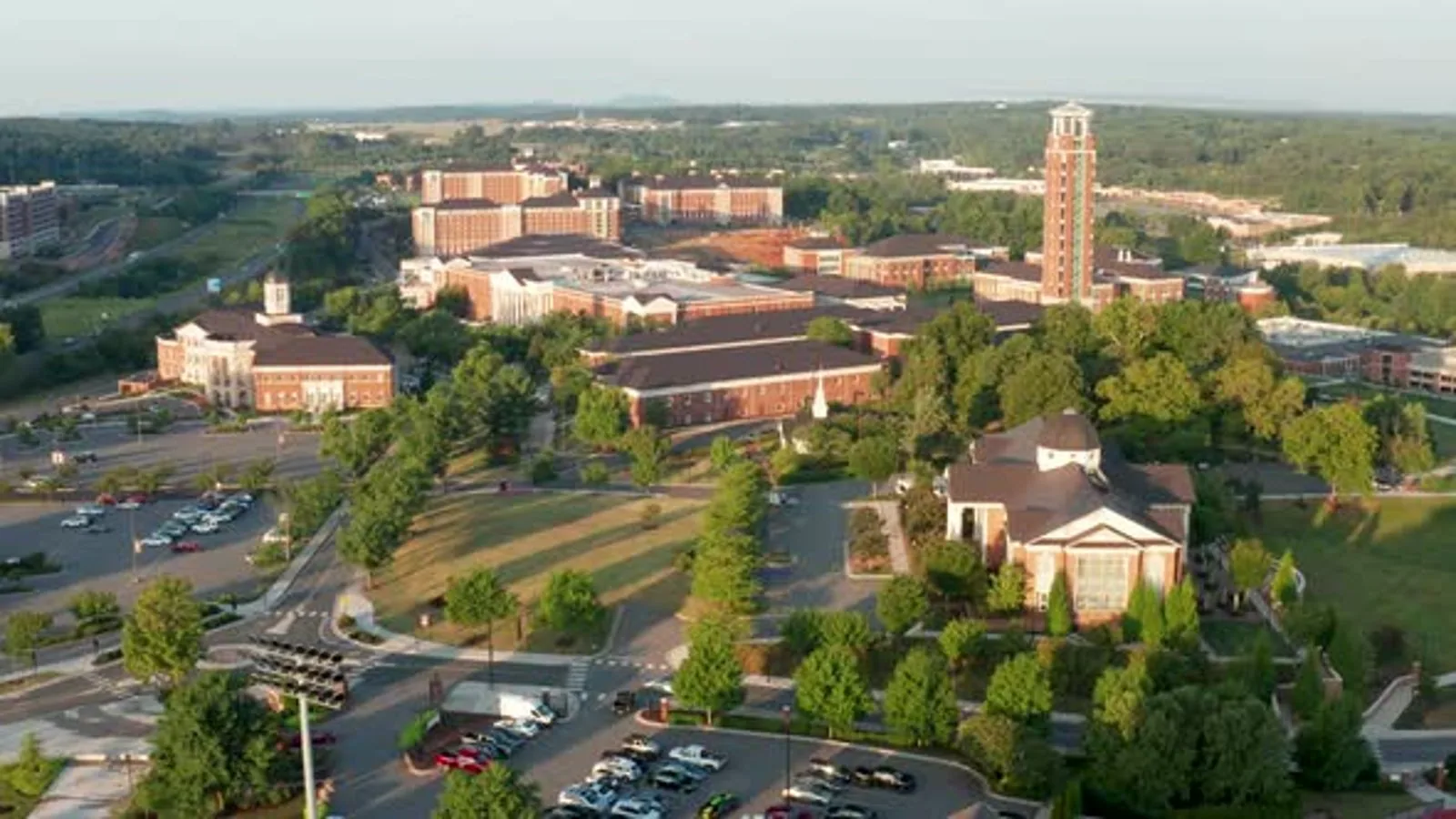
A campus does not have one roof. It has dozens, bought in different decades by different budgets, and a northern Illinois winter finds the oldest one first. Rockford, IL freezes on about 134 days a year and gets about 36 inches of snow, and every one of those days works on seams, flashings and drains that were installed when the building went up. Rock Valley College sits on 217 acres at North Mulford and Spring Brook roads in northeast Rockford, and Northern Illinois University's DeKalb campus covers 756 acres with 64 major buildings. A campus on that scale is a roof portfolio, and owners who treat it like one spend less than owners who wait for the next leak. Campus teams that also oversee buildings along the south-side 11th Street corridor should keep separate roof records for each property.
If you manage campus facilities, start by learning which roofs are quietly failing, then fix them in the order that protects the most money. Do not let the loudest leak set the budget.
Count every roof before you fix the loudest one
Facilities offices tend to know their problem roofs by name, and that is the trap. The roof with the visible stain gets the money, while a quiet roof two buildings over may have been soaking its insulation for winters. A campus roof inventory lists each building, its roof type, its approximate age, its leak history and its warranty status, then ranks every roof by what a failure would cost you in damaged interiors and displaced classes. That ranking is what makes a capital request hold up in front of a board.
Condition matters more than age. A well-kept membrane can outlast a neglected one by years, and the only way to tell them apart is a walk-through followed by core cuts on the doubtful ones. Our commercial roof inspection ends with a written report, photos included, so you hold a record that does not depend on who happens to be working in the office next year.
Brace each building type for its own winter
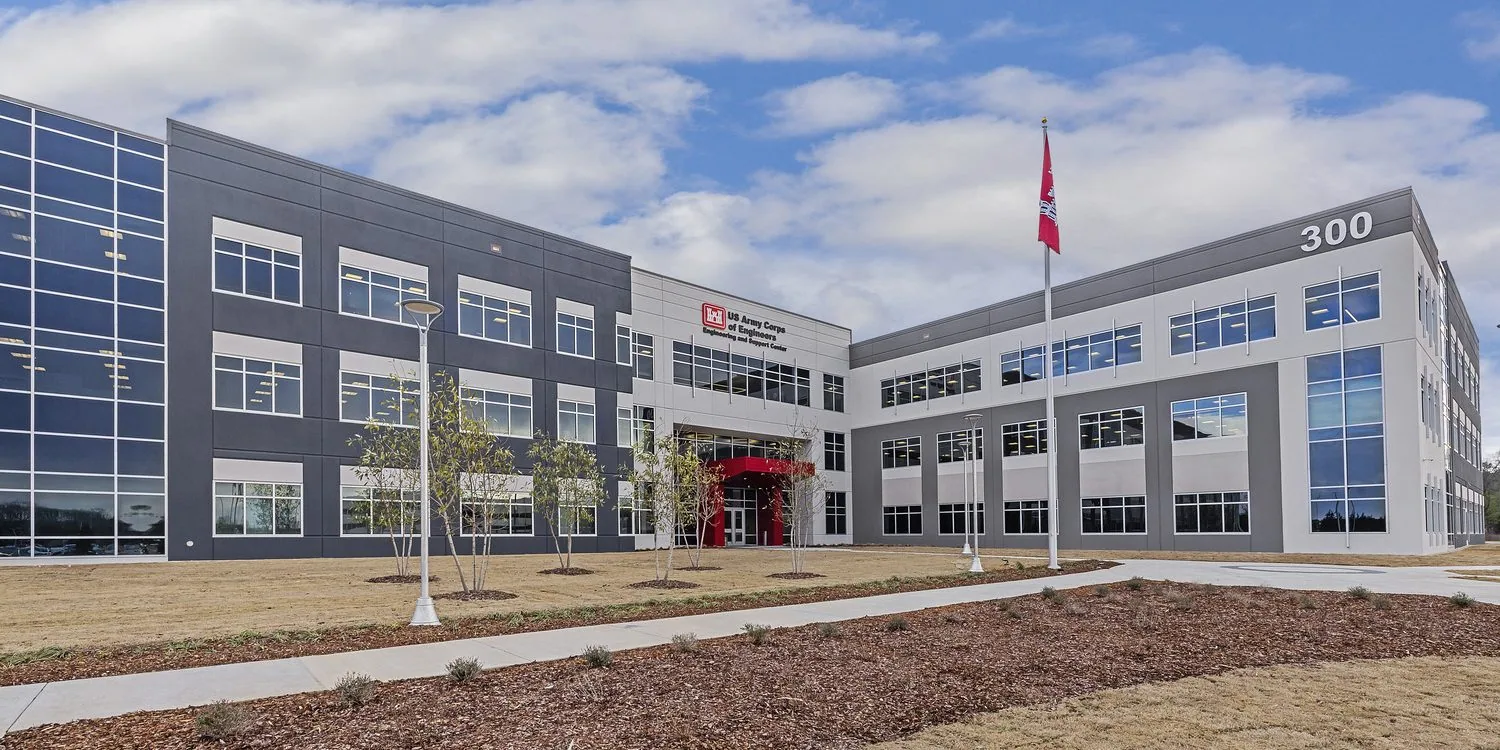
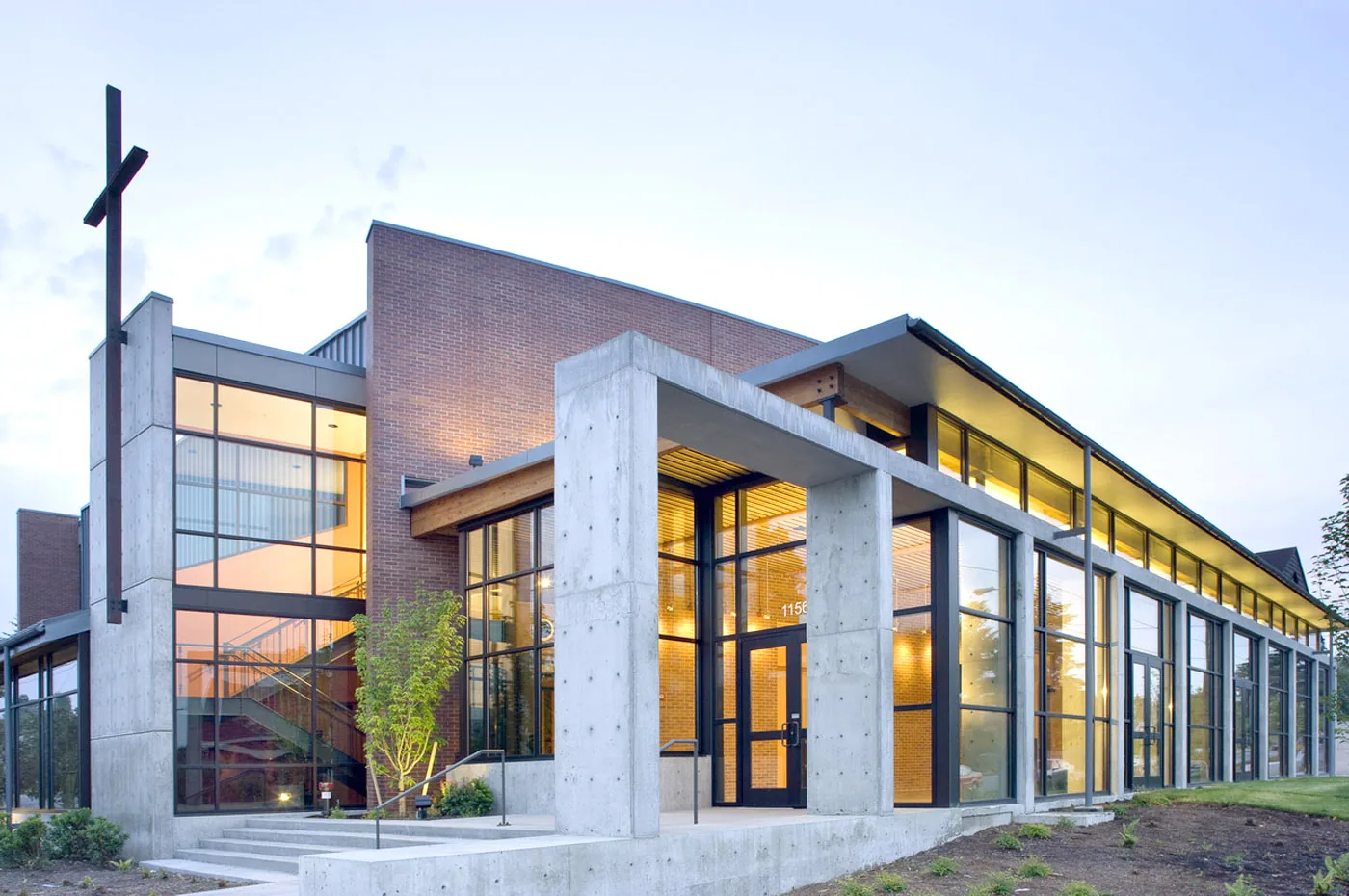
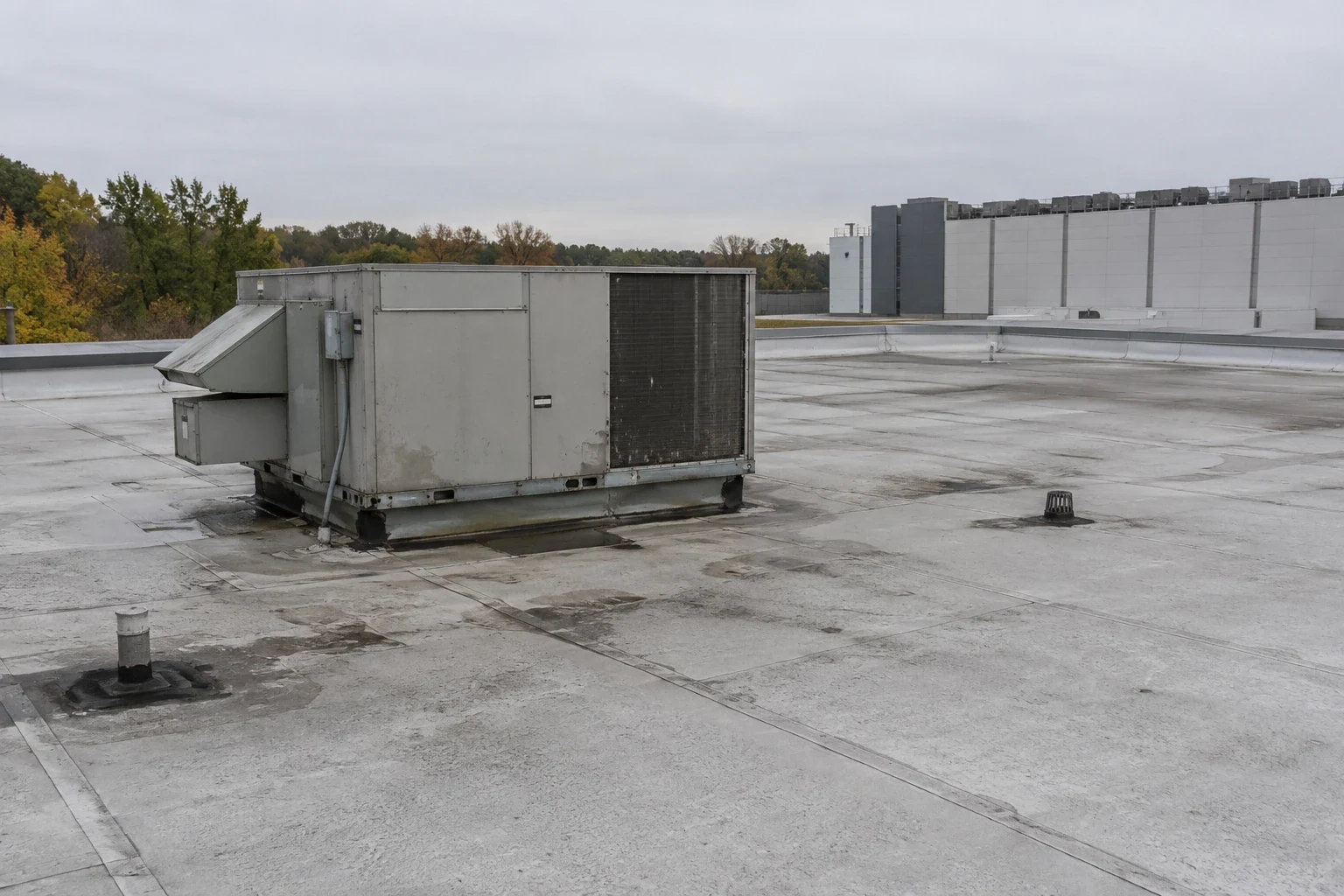
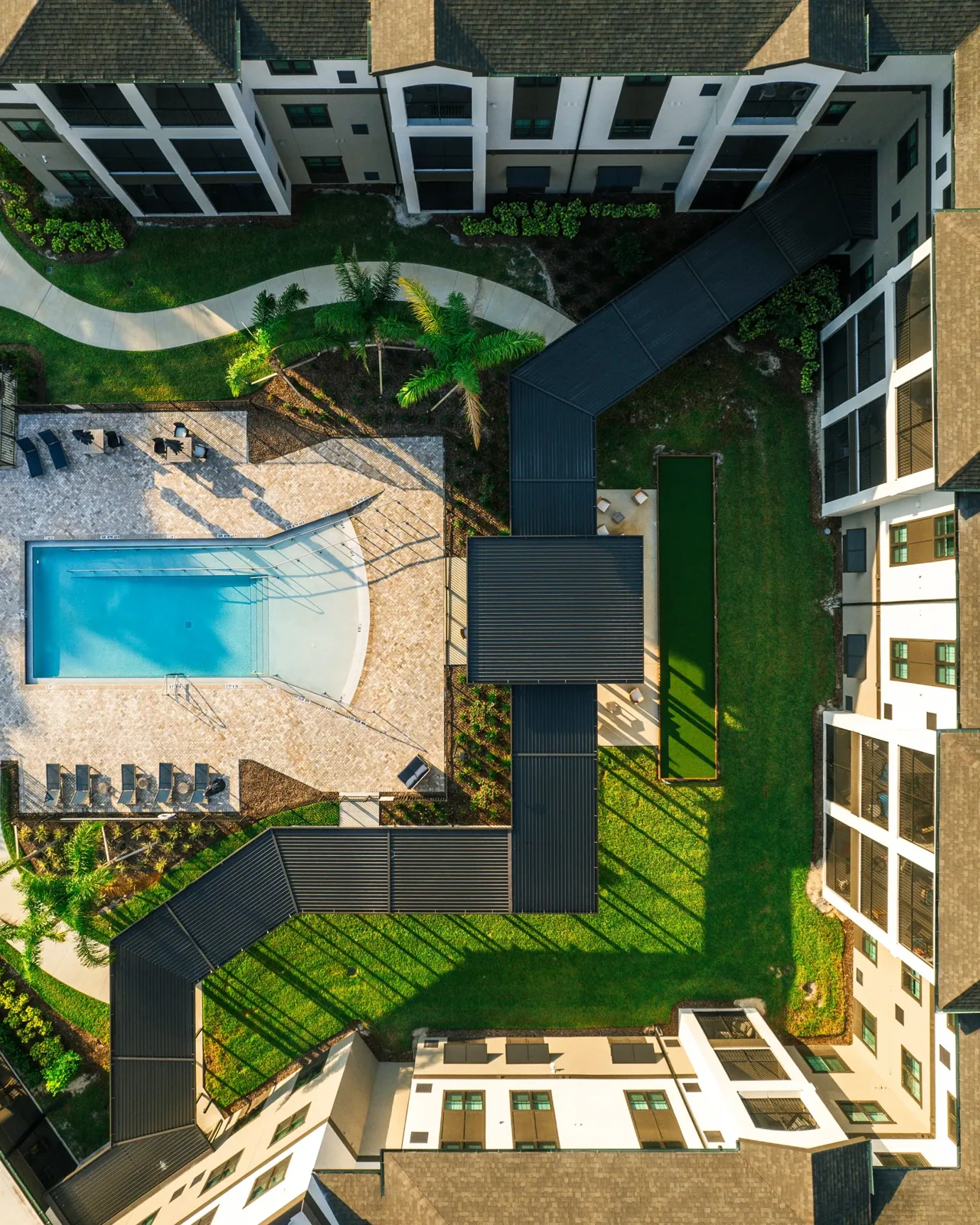
Campus buildings do not age alike. A residence hall, much like an apartment building, has a large flat roof with plumbing vents and exhaust fans punched through it, so flashing failures are the usual story. A gym or arena has a long span that flexes under snow and leaves shallow ponds behind. A lab or technology building tends to carry heavy rooftop exhaust and air handling, and every curb and pipe support is another place for freeze-thaw to pry at a seam. A theatre or performance hall adds tall walls where snow drifts against the roof edge and melts slowly.
Wind and hail add their share. In the November 10, 2020 storm, Rockton saw hail past an inch while Winnebago logged 73 mph, and a campus roof with no tall neighbors takes the full force of wind like that. We look hardest at rooftop equipment curbs and supports, the roof edges and the drains, because that is where a campus roof usually opens first.
Plan the work between commencement and move-in
Campuses have a built-in construction season, and it is short. Commencement in May to residence hall move-in in late August leaves a window that every project on campus wants. Roofing needs most of it, since membranes want dry decks and mild temperatures for proper welds and bonds. Order materials early, finish the tests and cores over the winter, and bring the scope to bid before the spring rush.
Some work cannot wait for summer. Research and instructional space runs through most of the year, and a building with a leaking roof over a lab cannot shut down for a season. In those cases the crew works in sections, protects intakes, and keeps noisy tear-off away from exam weeks and from the weeks when an aviation program or a lab needs quiet. Buildings at airport locations, such as the Aviation Center at Chicago Rockford International Airport, bring their own access and security steps to plan for.
Spend where the roof is losing your money
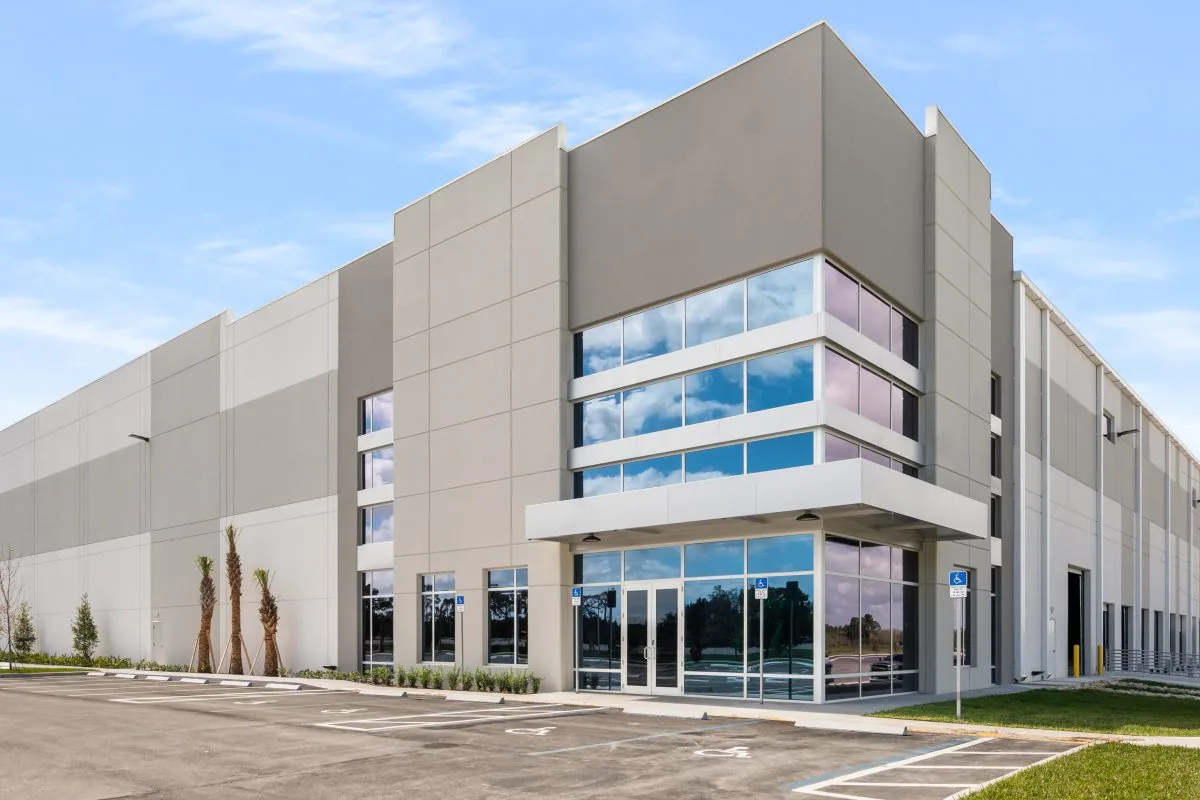
The cheapest roof dollar on a campus is the one spent early on a repair. The costliest is the emergency replacement of a roof that could have been dried out, patched and kept for five more years. Two moves protect your budget. First, rank the buildings and set a maintenance routine for the roofs you plan to keep. Second, document every warranty so that nothing gets voided by a repair done wrongly or an unreported leak. A good roof warranty file lists each warranty's start date, its terms and the repairs that have been done.
For roofs near the end of their useful lives, price the repair next to the replacement. The 2024 Illinois energy code, built on the 2021 International Energy Conservation Code, sets insulation requirements that a replacement has to meet, and a roof coating restoration may be the better call on a sound membrane that is simply tired. Ask for both numbers, in writing, before you sign.
Press every bidder on access, air and records
Campus roof work touches more people than a typical commercial job, so the questions are different.
- How are lab exhaust and building air intakes protected during adhesive work?
- Where will the crane, material hoists and dumpsters stand, and when will paths stay open for students?
- What unit price covers wet insulation or deck damage found at tear-off?
- Who closes out the warranty paperwork, and when do you receive it?
- How will the roof records reach the next person who runs facilities?
A campus with a lab school or an early learning center faces the calendar and safety concerns of school roofing on top of everything above.
Campus roofs are easiest to manage when projects follow the academic calendar but still account for summer research, residence life and events. Map each building separately: a laboratory may have exhaust requirements, a residence hall has occupied rooms below, and an athletics facility may have a long-span deck. Near Downtown Rockford and the North Main area, arrange lift access and deliveries with campus operations before setting a start date. Use phased scopes so deferred buildings remain visible in the capital plan.
Before work begins, identify summer camps, research activity, residence occupancy and scheduled events that continue outside the semester. A campus calendar should be part of the roof phasing plan, with a contact for each building and a daily weather-tight closeout.
Questions Owners Ask
How should a campus decide which roofs to replace first?
Rank them by consequence and by condition. A roof over a lab, a library or a residence hall costs more to fail than a storage building, and cores show which ones are truly wet.
Can residence hall roofs be replaced in a single summer?
Often, yes, if the scope is bid and the materials are ordered by early spring. Large halls may need to be split into sections, with the second section finished before students return.
What does winter do to a campus roof that summer does not?
It pries. Water gets into small openings, freezes and widens them, then thaws and moves deeper. About 134 freezing days a year gives that cycle plenty of repetitions.
Are coatings worth considering for campus buildings?
On sound, dry membranes, a coating can add years and cost far less than replacement. It does nothing for wet insulation, so a scan and core cuts come first.
Who owns the roof records when staff turn over?
You do, as long as they are written down. We deliver photo reports, repair logs and warranty copies in a file your next facilities director can open and understand.