Silicone Roof Coatings in Rockford, IL
Silicone roof coatings in Rockford, IL for roofs that pond: what they fix, which membranes accept them, and how much prep and thickness a fair bid includes.
Silicone Roof Coatings
Silicone Roof Coatings
Rockford, IL
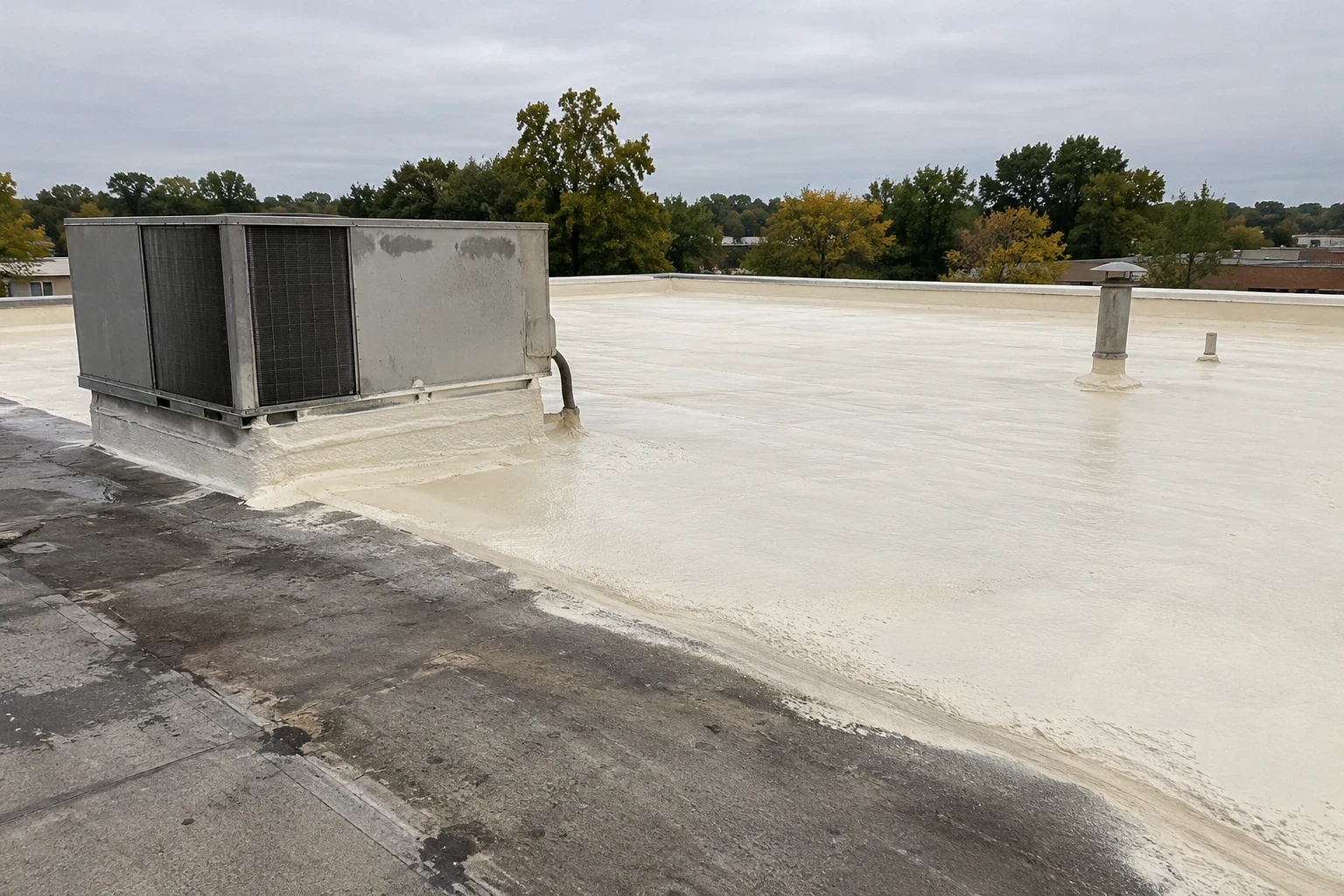
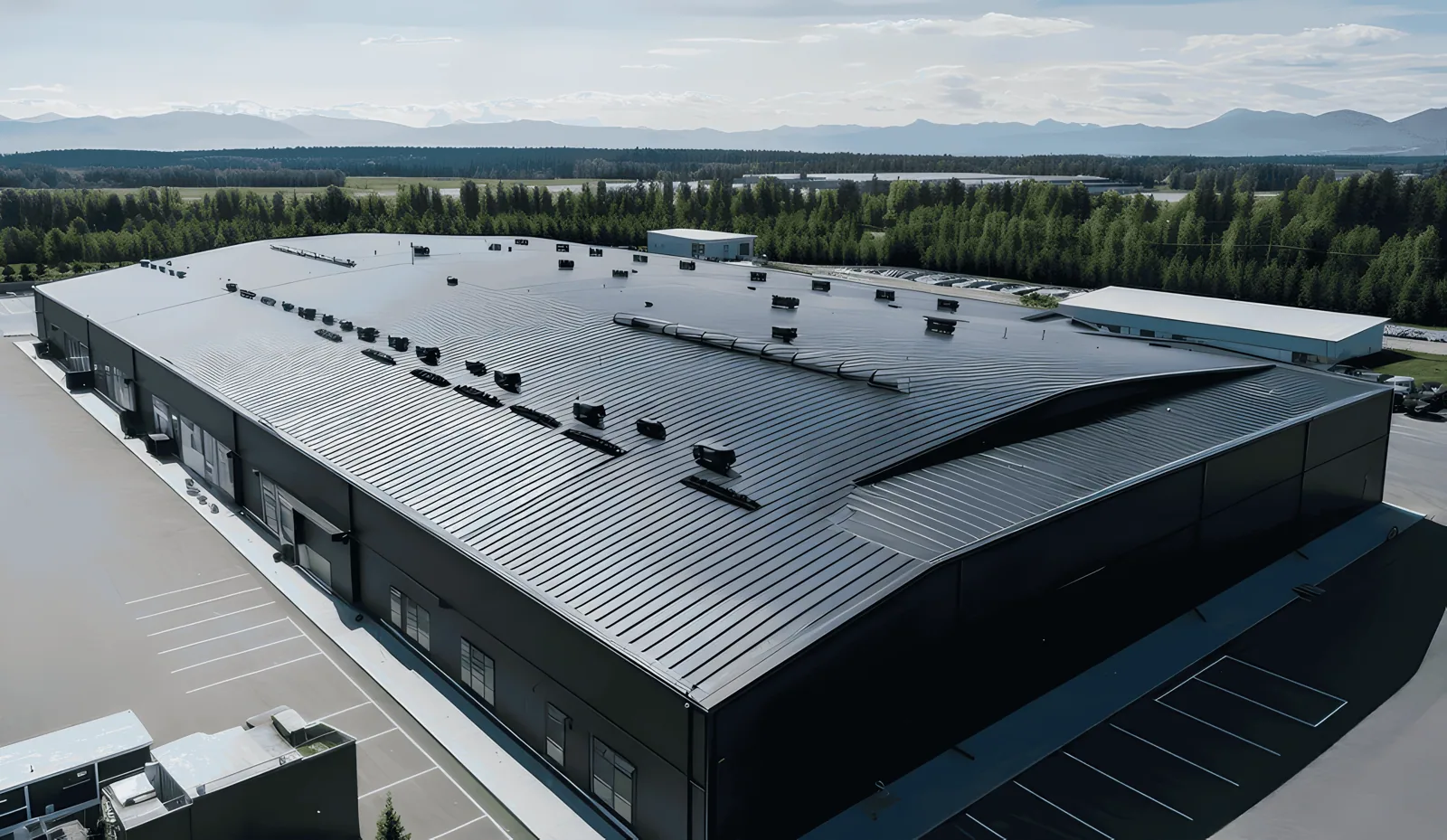
Water that ponds on a Rockford, IL roof in November turns to ice by December and stays put until March, and every thaw in between lets a little more of it work into the membrane below. A roof that holds standing water through about 134 freezing days a year is paying for it in cracked seams, swollen insulation and a surface that wears out years early. Silicone is the coating that was made for that problem. It cures into a flexible, sun-resistant skin that does not break down when water sits on it, which most other coatings cannot say. That makes it one of the few ways to restore a sound but tired roof without replacing it, and it is worth a fair price when the roof under it is dry.
It is also a one-way door. Know that before you sign.
Count what standing water costs you each winter
Rockford averages about 36 inches of precipitation and about 36 inches of snow a year, and the July 2024 flood that overwhelmed the city's stormwater systems was a reminder of how fast heavy rain can arrive. A low-slope roof with a shallow dip near a drain or between two curbs will hold that water for days. Then the cold does its part: ice forms, expands, and lifts the membrane at the edge of the pond, and the daily swing across 32 degrees keeps flexing it. Acrylic coatings soften and break down under that constant wetting, which is why ponding roofs are where silicone earns its place. It does not fix the dip. It simply survives it. If the pond is deep or sits over a failing deck, the better answer may be a ponding water repair to change the slope or add drains first.
Walk the roof after the next hard rain and count the puddles still standing the next afternoon. That number tells you more than any brochure.
Match silicone to the membrane under it
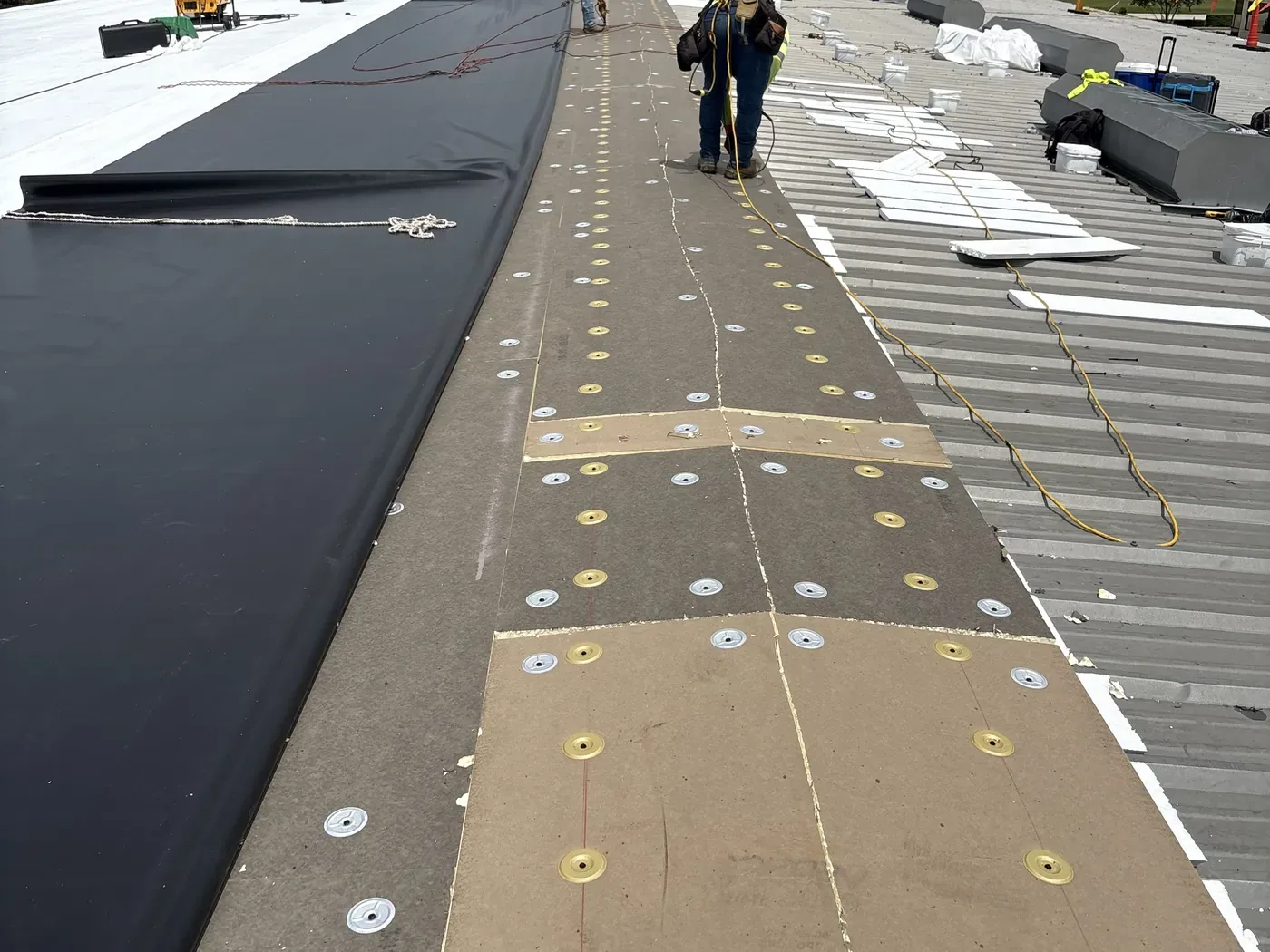
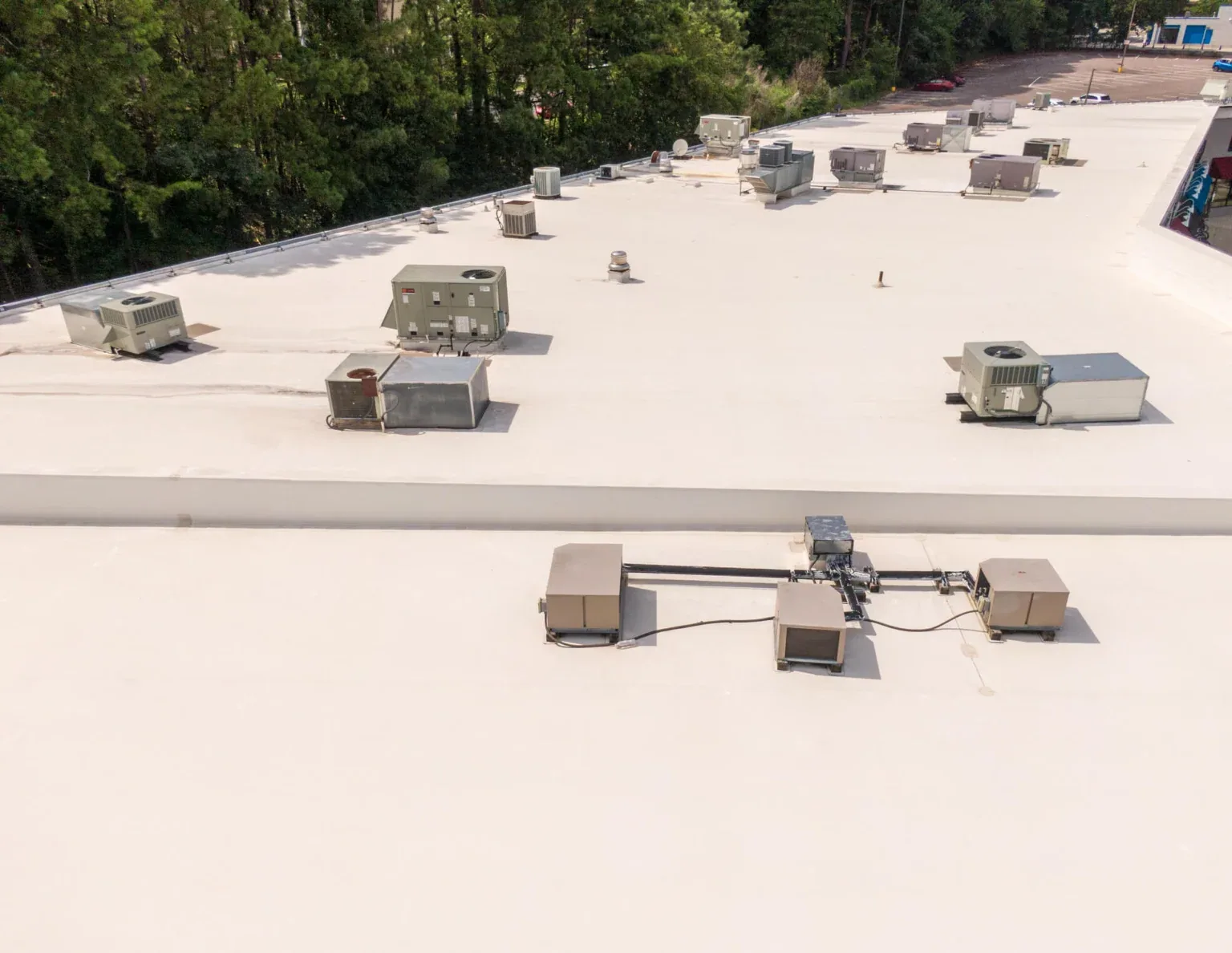
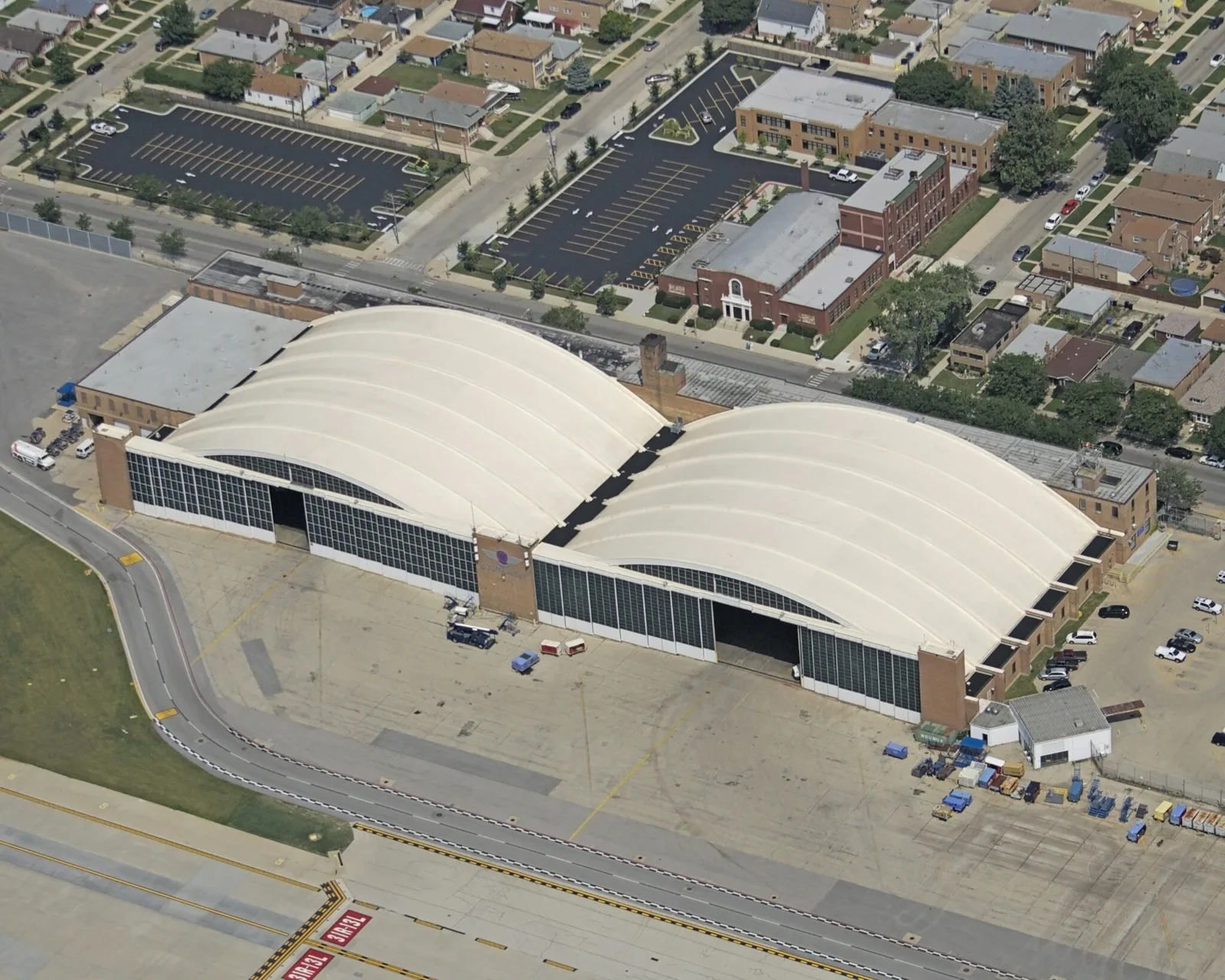
Silicone bonds well to metal, modified bitumen, EPDM and spray foam, usually with a primer or a quick adhesion patch to confirm it. Over TPO and PVC it can work, but those membranes are fussy about surface prep, and a coating that peels off a heat-welded sheet leaves you with a bigger problem than the one you started with. Gravel-surfaced built-up roofs are a poor candidate because the stone has to come off first. A roof with trapped moisture is not a candidate at all, since the coating seals the water in and the next warm week pushes it up as blisters. Long, single-level buildings are where the economics shine. A single-level building the size of the 229,988 square foot Machesney Park Mall in Machesney Park, an open-air plaza that lost Burlington in January 2025, is a long, flat run of roof, and coating a sound one can cost far less than tearing it off.
Ask the contractor to name the membrane they are coating and to put the adhesion test result in your hands.
Pay for the prep and the thickness, not just the gallons
The price of a silicone job is not mostly the silicone. It is the cleaning, the seam and flashing repairs, the wet insulation cut out and replaced, the primer, and the number of mils of dry film on the roof when the crew leaves. A cheap bid usually thins one of those. Ask for the manufacturer's minimum dry thickness in writing, ask how the crew proves it with gauge readings on cured samples, and ask whether reinforcing fabric goes into every seam and around every curb. Compare the total against a full restoration scope and against a replacement, because a coating is only a bargain when it replaces a replacement. Warranties are another place to read slowly: the maker may cover the product but not the labor, and many exclude ponding unless the product was chosen for it. Get a fair price by comparing three things side by side.
- Dry film thickness, with proof
- The repairs and the prep, itemized
- The recoat plan for the next ten years
A fair bid shows its work. If yours does not, ask for a second opinion before you sign.
Ask what you cannot undo
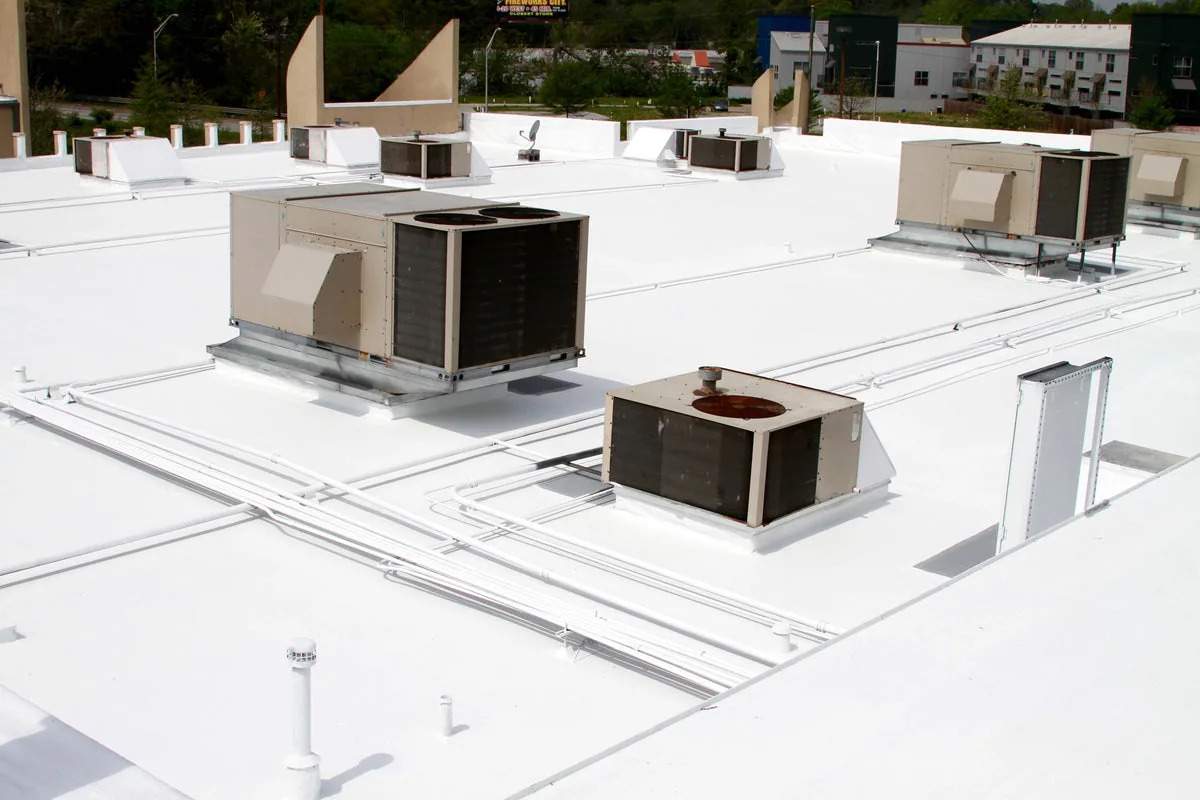
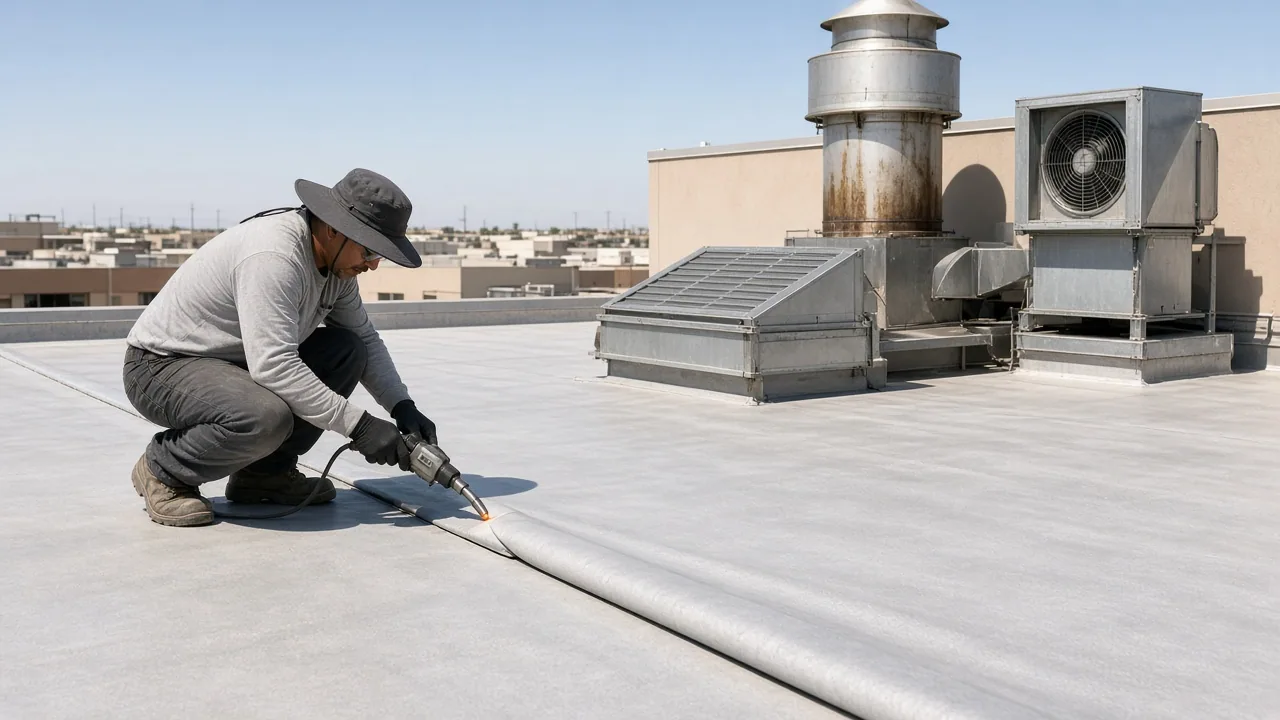
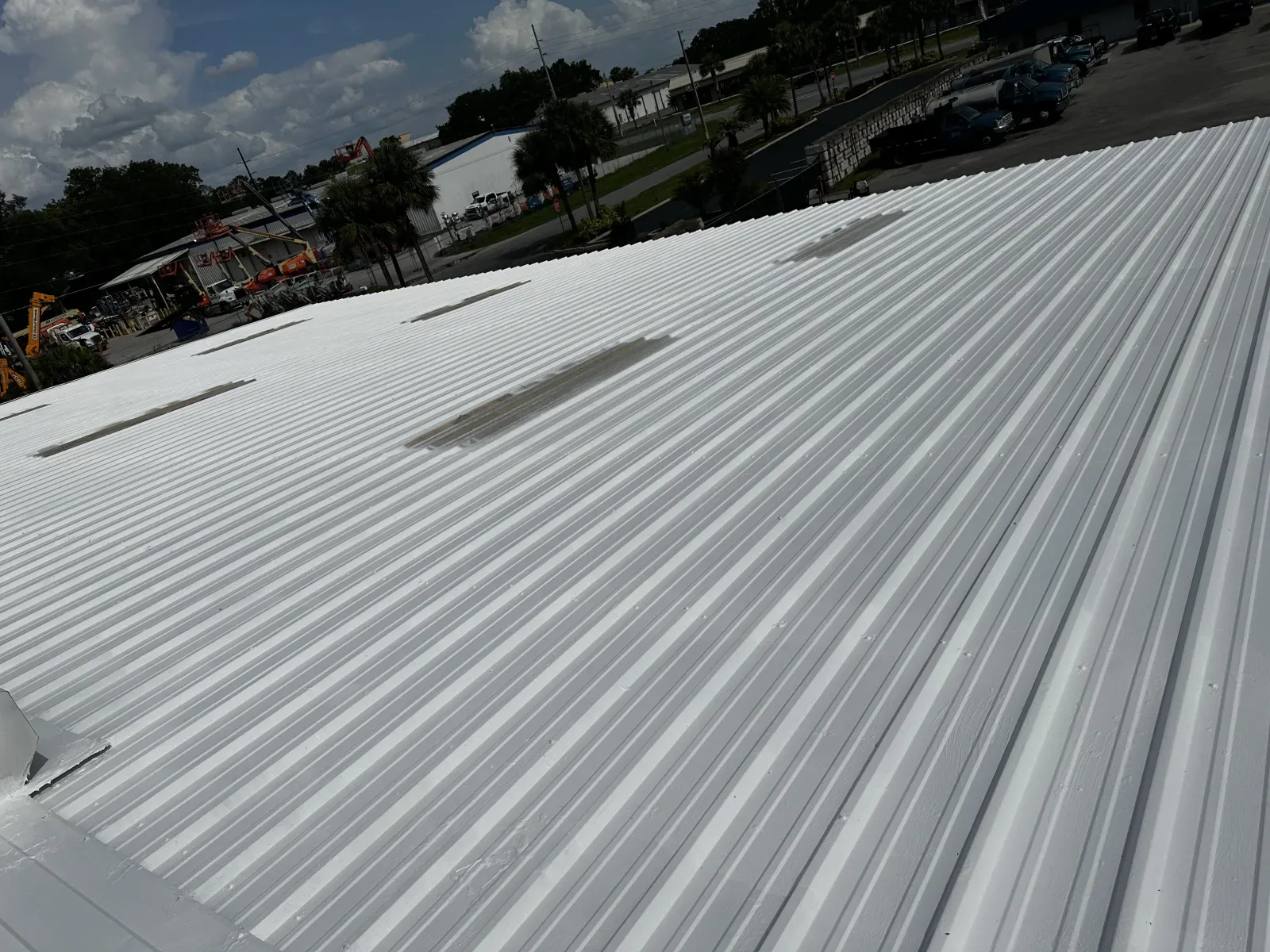
Silicone leaves a slick film, and almost nothing but more silicone sticks to it. That is a fine trade for a roof you plan to keep coating, and a trap for one you may later want to cover with a new membrane or a different product. It also pulls dust and soot, so a roof beside a busy highway or under a cluster of exhaust stacks, such as a hospital roof on Riverside Boulevard, will gray out faster than a clean-air roof and lose some reflectivity. Cleaning can bring it back, which is a line item to ask about. Wet silicone is slippery under a technician's boots, so service paths need walk pads. And overspray is permanent on cars and glass, so ask how the crew controls wind drift. The reflective surface also behaves like a cool roof in summer, easing the heat that builds on a dark roof across the roughly 15 days a year above 90 degrees.
None of that rules silicone out. It means you should choose it on purpose.
Coat when the dew point is on your side
Silicone cures by drawing moisture from the air, so it tolerates humidity better than many coatings, but it still needs a clean, dry surface, warm enough temperatures and a dry window of several hours. A coat that gets rained on or dewed over before it skins can wash out or blister. In northern Illinois that puts the work between late spring and early fall, and the cooler months are the time for the repairs that come first. If you can, finish the coating well before the first freeze, because a fully cured film rides out winter better than a rushed one. Our crews answer emergency calls around the clock, so if a storm opens a seam on a coated roof, you do not wait for office hours to get it closed.
Do not let anyone push a schedule that skips cure time to meet a calendar. Cold, damp work is the most common reason a coating fails its first winter.
Questions Owners Ask
Will silicone stop my roof from ponding?
No. A coating follows the surface it sits on, so a dip stays a dip. What silicone does is let the roof live with the water without breaking down. If the ponding is deep, or it sits over a sagging deck, fix the slope or add a drain before any coating goes on.
Why can I not switch to a different coating later?
Silicone leaves a slick film that other coatings do not grip. Anything applied over it needs special prep or will peel. Plan to keep recoating with silicone, or plan to tear the roof off, and make that choice now rather than after the first failure.
Can silicone go over a TPO or PVC roof?
Over TPO and PVC, only with the maker's primer and a proven adhesion test on that exact roof. Heat-welded membranes resist coatings, and a failed bond is expensive to strip. If the membrane is still sound, ask whether a repair and a few more years of service is the better move.
How thick should the silicone be?
The maker's data sheet sets a minimum in dry mils, and the cured film, not the gallons spread, is what protects the roof. Ask for gauge readings on dried samples across the roof and for the number of coats in writing. A quote that counts only gallons is easy to thin out.
What happens when dirt builds up on a coated roof?
A dirty silicone roof reflects less sunlight and heats up more. A wash with the right cleaner usually restores it, so build cleaning into your maintenance plan, especially near highways such as I-90 or I-39 where grime settles faster.
Is it safe to walk on a silicone roof?
Not when it is wet. The surface turns slick, so crews and service technicians need traction. Ask for walk pads or granule surfacing at hatches, equipment and traffic paths before the job is finished.