

Commercial Roofing in Janesville, WI
Roof repair, recover and replacement for Janesville, WI retail centers, food plants, medical buildings and big-box stores, with honest scope and pricing.
Janesville

Janesville
Rockford, IL
Winter is hardest on the roofs nobody on site is paid to watch, and a Janesville, WI retail center with a long stretch of flat membrane is a good example. Retail properties like Janesville Mall, Pine Tree Plaza and the Super Menards are the kind of building where a big roof area can carry rooftop units, skylights and scuppers, and every one of those details takes its turn in the cold. Janesville roofs take repeated winter freeze-thaw cycles, while summer heat works dark membranes and gradually stresses their seams. Drains, curbs and perimeter flashing deserve close inspection before snow arrives.
A flat roof that is fifteen years old is not automatically a failed roof. Have it tested, then decide what it deserves.
Walk the big-box roofs before the thaw finds them
A big-box or mall roof usually has the same few weak points. Rooftop unit curbs shed water in odd directions, perimeter flashing takes the worst of the wind and ice, and drains clog with debris that blows in from the parking lot. When a thaw arrives, meltwater travels to the lowest point on the roof and sits there, and a pond that stays overnight becomes a sheet of ice by morning. Ice lifts flashing and widens cracks, which is how a minor defect in November becomes a ceiling leak over a sales floor in March.
The remedy is to catch problems while they are small. A routine look at curbs, seams and drains twice a year costs little. For owners of big box retail buildings and shopping centers, we write the findings down with photos so a manager can see which items are cosmetic and which need attention this season.

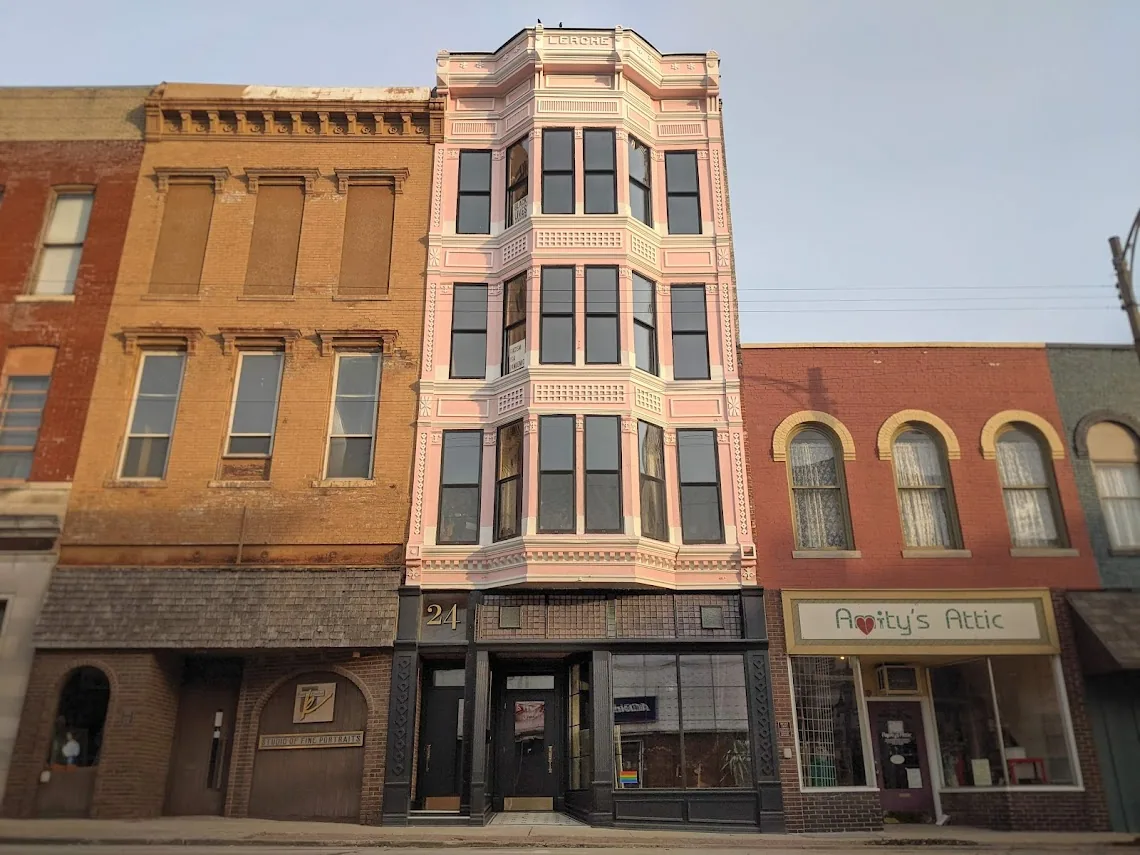
Learn from the GM plant's 4.8 million square feet
The former General Motors Janesville Assembly plant covered about 4.8 million square feet on roughly 250 acres, and it was demolished in 2018 and 2019 for redevelopment. Whatever replaces it, the lesson for roof owners is practical: a building that large is a capital planning problem, and the roof is one of the items that weighs on whether a building is renovated or replaced. If you run a property with several buildings, a written plan that ages each roof, estimates its remaining life and lines up replacements across years is worth far more than an emergency every spring.
New construction deserves a look as well. A new roof on redeveloped ground is not exempt from workmanship defects, and a survey before the warranty period ends is the cheapest time to find them. Our due diligence roof surveys help buyers and lenders see what a roof really is before closing, and the same inspection serves an owner who wants a baseline.
Check food-plant roofs for the moisture that comes from inside
Food processing buildings have a roof problem that retail does not: humid air from the process rises, meets a cold deck in winter and condenses. That water can drip like a leak while the membrane is perfectly sound, and it can soak insulation from beneath. Owners then pay for a roof repair that fixes nothing. Before anyone replaces a membrane over a wet process area, make the contractor show that the water comes from outside and not from condensation on the underside.
The right fix may be better vapor control, more insulation or improved ventilation, and a good contractor will say so even when it reduces the job. The insulation and cover board under the sheet matter as much as the sheet, because a thin or saturated board can ruin a perfectly good membrane. Spending money on the wrong repair is the most common way an owner loses it, and a second opinion costs very little by comparison.

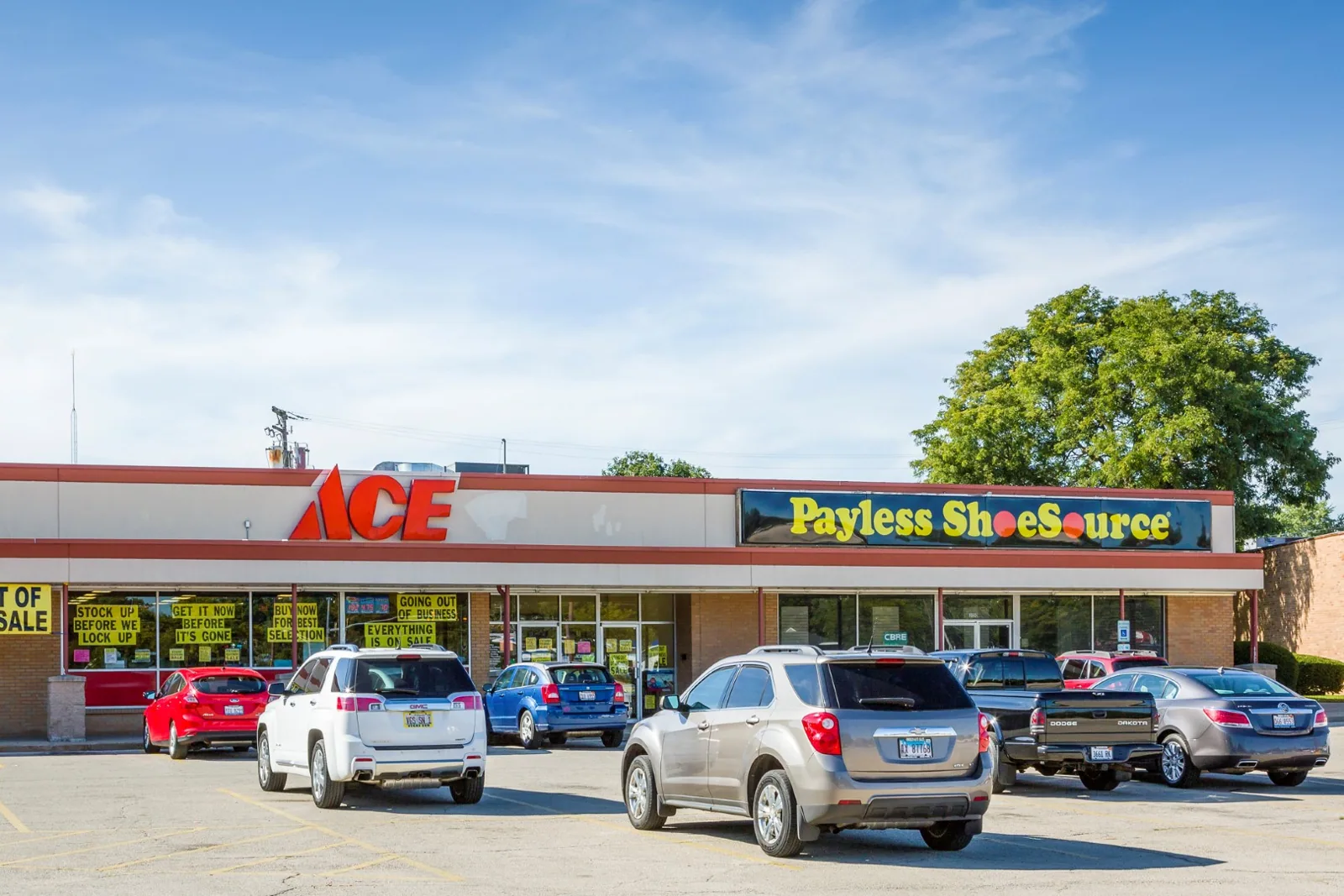
Keep clinics and medical buildings dry and quiet
Mercy Health is among Janesville's employers, and medical buildings take roof work differently from warehouses. Noise, odors, dust and rooftop access all matter to patients and staff, and an air intake near a tear-off area is a real concern. We plan the work with the facility manager: where the crew stages, which air handlers get protection, when the loud tasks happen and how a leak is handled if the weather turns mid-job.
For owners of a medical office or clinic, the phasing matters as much as the membrane. Roof work done in sections lets a building keep operating, and a clear communication plan keeps the staff informed. Healthcare systems that manage many buildings can run roof work as a program, one campus at a time. Ask for a written phasing plan before you sign, and ask what the crew will do if a rooftop air intake has to be shut down for an hour.
Time the job around highway traffic and retail seasons
Janesville is reached by Interstate 90/39, U.S. 14, U.S. 51 and state highways 26 and 11, with Union Pacific rail service, and those routes decide how material trucks and cranes reach a site. A roof at a retail center has its own calendar as well. The weeks before the holidays are the worst time to close a lane or block a loading zone, and a re-roof that lands on top of a sales season draws complaints from tenants and shoppers alike. Work belongs in the dry months of spring and early fall, and we ask for the tenant calendar before we set a start date. A good schedule also leaves room for a rain day, because a roof that is half open on a Friday is a gamble no owner should accept.
Roofing membranes bond best in mild, dry weather, and winter is for temporary dry-in and targeted repair. For a Janesville project, name the applicable Wisconsin and local code, who files the permit and which inspections are required before work begins. For retail sites, confirm loading hours and customer access with the property manager before the roofer books cranes or deliveries. Put those limits in every bidder’s scope so the schedule can be compared fairly. When a storm opens a roof, our emergency roof repair response covers nights, weekends and holidays. Owners in Beloit, Wisconsin and South Beloit can ask for the same walk-through.
Before choosing a start date, have the building contact identify delivery entrances, production-sensitive rooms, outdoor-air intakes and customer peaks. Give the roofer that list with the leak history and ask for a phased schedule that protects each operating area. The bid should name the Wisconsin code and permit requirements that apply to the specific property, then price insulation, edge metal and any concealed deck repairs as separate items.

Questions Owners Ask
My ceiling drips in a food plant but the membrane looks fine. Why?
Look at condensation before you pay for a repair. Warm, humid process air meeting a cold deck drips like a leak, and only a moisture check will separate it from a failed seam.
How do I plan roofs across several buildings on one property?
Age each roof, estimate its remaining life and spread the replacements over several budget years. A written schedule beats an emergency every spring.
Is it smart to survey a newly built roof?
It is, and the best time is before the workmanship warranty ends. Defects found early get fixed on someone else's account.
What slows a re-roof at a mall or retail center?
Holiday traffic, loading zones and rooftop equipment access. We schedule around the busy weeks and work in sections so entrances stay open.
Who answers when a storm opens a Janesville roof at night?
Our crew does, at any hour. That first trip is about closing in the building and shielding what sits below, with photographs of the damage kept for your insurance carrier.