Big-Box Retail Roofing in Rockford, IL
Roof repair, recover and replacement for big-box stores in Rockford, IL, covering wide spans, ponding and snow drifts without closing the sales floor.
Big-Box Retail Roofing
Big-Box Retail Roofing
Rockford, IL
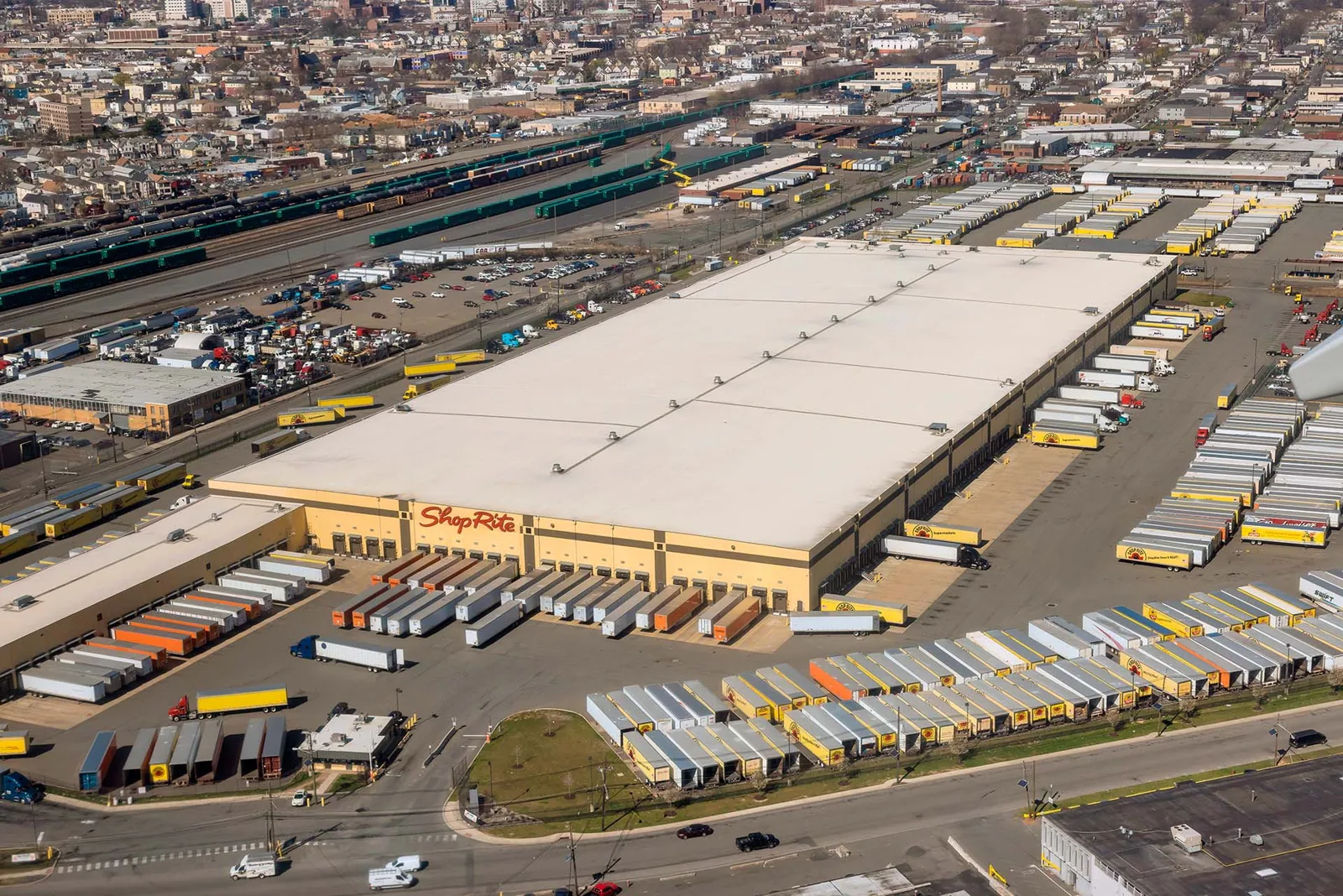
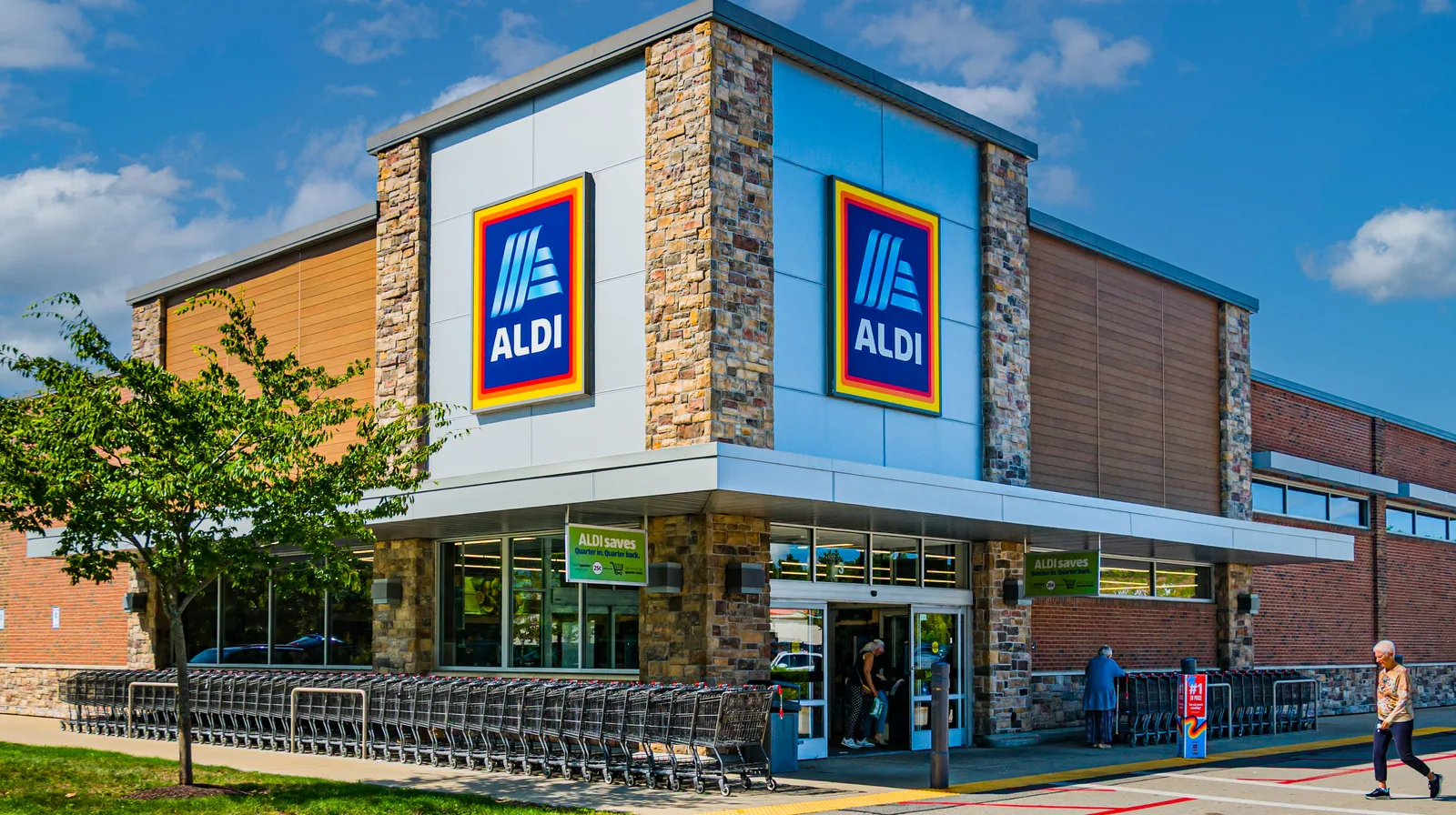
A big-box roof keeps taking snow long after the store goes dark. The old Kmart along the East State Street corridor, nearly 106,000 square feet at State and Mulford, was vacated when it closed in 2018, and a global market and food hall has been proposed to fill it. Rockford, IL winters, with roughly 134 days at or below freezing and some 36 inches of snow, go on loading a building that size whether or not anyone is inside to call in a leak. A roof that goes unwatched that long is the first thing a new occupant should have tested.
If your box is open every day, or if you hold one that sits empty, the first step is the same. Find out what is under the membrane before anyone prices a new use, a sale or a lease. Testing now costs far less than a surprise at the dumpster later.
Test the roof before you sign the lease or the sale
A big box is mostly roof. A buyer or tenant who skips the roof is making a bet on the largest single surface of the building without ever having looked at it. A due diligence roof survey gives that bet some odds. We walk the whole surface, scan for trapped moisture, cut cores to confirm it and photograph every failed seam, flashing and drain. You come away with a written condition report and a repair list, whether the building is a retail box, a food hall or something no one has thought of yet.
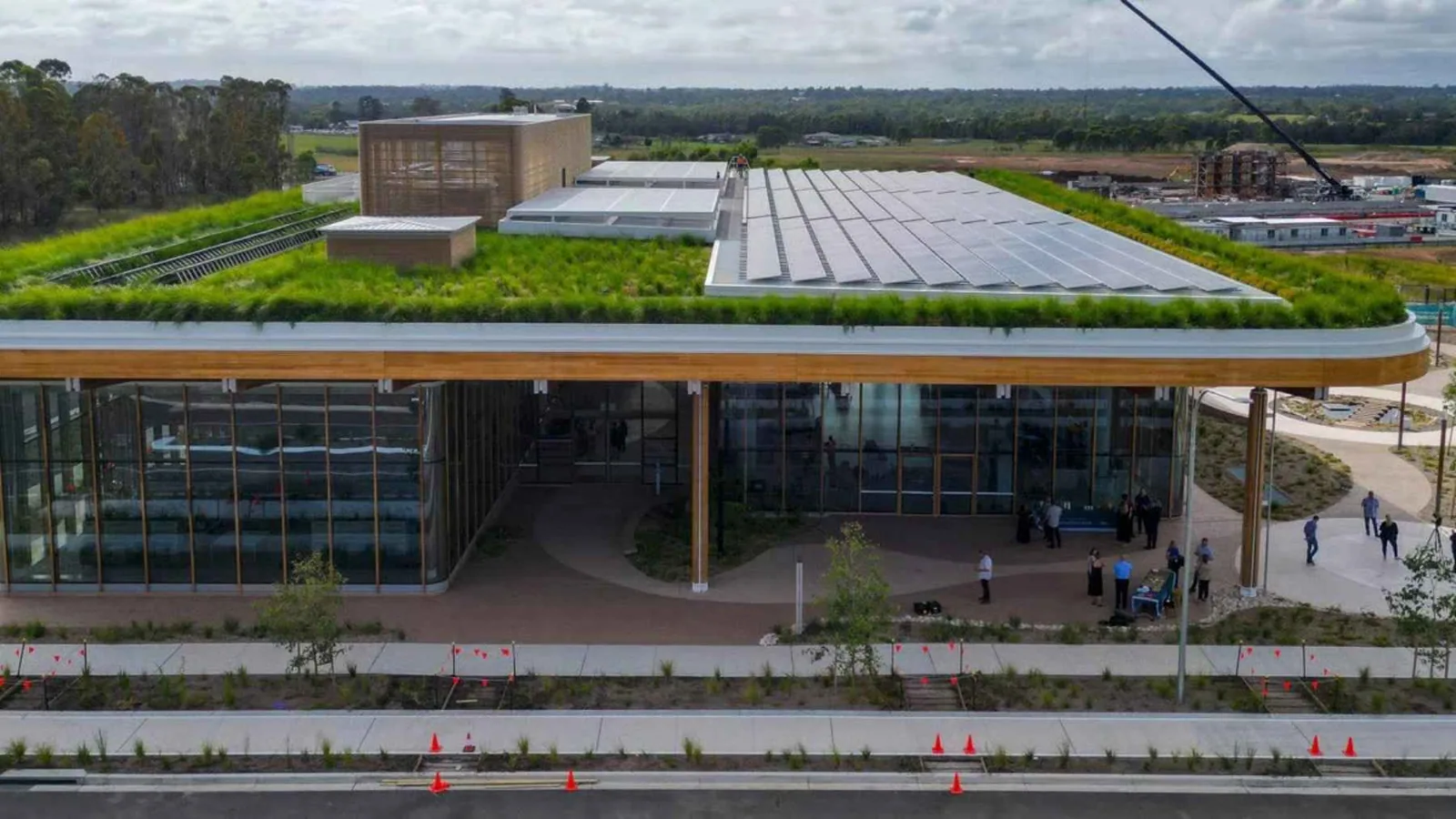
Change of use matters on the roof, too. A food hall means kitchen exhaust, makeup air and refrigeration, and each of those means new curbs, new penetrations and extra rooftop weight that the roof framing has to be checked for. Plan the roof work along with the buildout so crews do not cut into a fresh membrane a year after it goes down.
Watch the wide spans and the interior drains
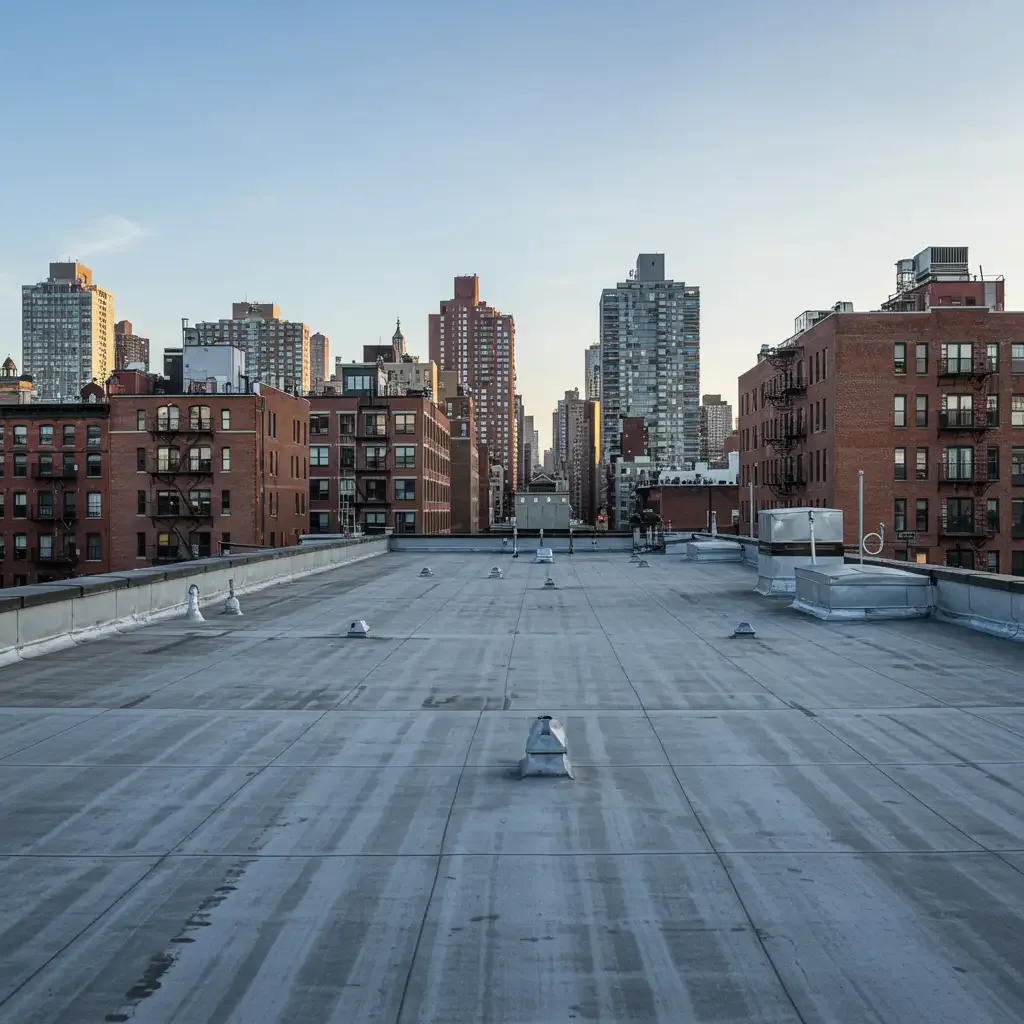
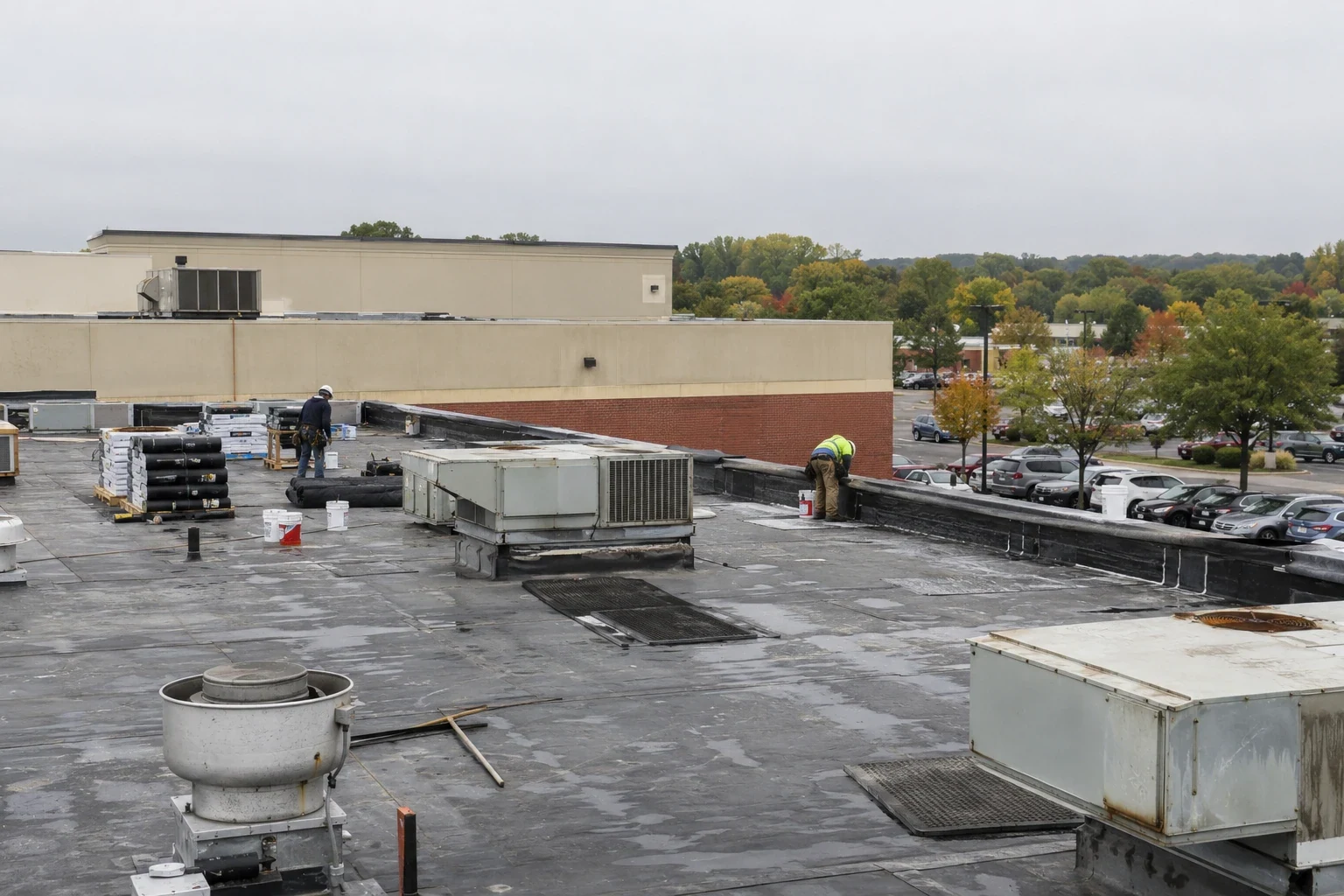
The geometry of a big-box roof makes water a problem. On most big boxes the roof is nearly flat, and the drains sit toward the middle, away from the walls. Where steel joists flex under years of snow and rebound, shallow bowls form between the columns and water sits in them after every thaw. In Rockford, that standing water freezes overnight and thaws by noon, again and again, and the cycle works on seams and flashings the whole time. Ponding water roof repair starts with finding where the roof has settled, then fixing the drainage so water has somewhere to go.
Summer works on the same roof from the other side. About 15 days a year top 90 degrees in Rockford, and a dark membrane over a store with a heavy cooling load swells and relaxes with the heat. Hail makes a third problem. On November 10, 2020, hail near 1.25 inches fell around Rockton and Winnebago recorded a 73 mph gust, and a box with brittle, sun-baked single-ply deserves a hard look after any storm like.
Keep the store open while the roof comes off
Reroofing a store that stays open is a matter of choreography. We stage the roof in sections so each one is dried in before the day ends, keep trucks and equipment away from the front entrance and the delivery docks, and plan crane picks for hours when the lot is quiet. Rooftop units may need to be shut down or disconnected briefly, and that has to be agreed with the store manager ahead of time so the sales floor stays comfortable. Fire protection also needs planning, since hot work and adhesives need a watch and a clear path for the fire department.
Season matters as much as staging. Membranes need dry decks and mild temperatures to be welded or bonded right, so the work belongs between spring thaw and late fall. Retail owners also want the holiday weeks clear, which squeezes the window further. Have the testing finished over the winter and bring the scope to bid in early spring. Because occupied building reroofing is routine work for us, the schedule can hold even when the store never closes.
Pay for the roof you have, not the one in the bid
A roof of this size multiplies every unit price. A few hundred extra square feet of wet insulation turns into real money, and the cost of tapered insulation to fix ponding, new edge metal and a code upgrade adds up quickly. Since the 2024 Illinois Energy Conservation Code took effect, a full replacement has to add current insulation, and a bid that ignores that will grow.
Ask every bidder to price wet insulation by the square foot, to list drain and edge work as separate lines, and to show the repair price next to the replacement. If a salesperson pushes a full tear-off before the roof has been cored, call that an upsell and ask another contractor to look. A recover overlay over dry insulation can save the cost of tear-off and disposal on a roof this large, but only the cores can tell you whether the building qualifies.
Press for specifics on docks, drains and fire safety
Retail owners compare bids line by line, so make the questions specific. For properties beyond a former retail site, Rockford’s south-side 11th Street corridor is a separate commercial service area.
- Which rooftop units will be shut down, for how long, and who coordinates with the store?
- How will the loading docks, fire lanes and customer entrances stay open?
- What happens to the schedule if wet deck or insulation turns up after tear-off?
- Who owns the fire watch during hot work or adhesive application?
- How will the roof be documented, drain by drain, before and after?
A row of tenants sharing one roof is a different problem from one large store, with split responsibility and shared drains, as any shopping center roof shows. A box that behaves more like an industrial building than a retail one has the same long spans and the same drifts as a warehouse roof. A retail chain with several boxes can put them on one inspection schedule, and the old Kmart at State and Mulford sits in the North Mulford corridor.
A big-box survey should follow the drainage layout and the seams between roof sections, not just the outside perimeter. Large buildings can have long internal valleys, extensive rooftop equipment and areas that are difficult to reach safely. Along East State Street, a vacant store and an occupied retail building may require very different access and temporary-protection plans. Ask for separate findings for each zone, including drain condition, membrane movement, wet insulation and any limits that prevent a complete walk.
Questions Owners Ask
Can a vacant big box be left alone until we find a tenant?
Not without inspections. An empty roof still takes snow, ponding and wind, and nobody reports the leaks. A winter or two of neglect can turn a repair into a replacement.
How much of a big-box roof usually needs to be replaced?
Often less than the first bid says. Cores and a scan show which areas are wet, and a roof with only a few failed sections may need targeted replacement and a maintenance plan.
What does a food hall or restaurant conversion do to the roof?
It adds weight and holes. Kitchen exhaust, makeup air and refrigeration each need curbs and penetrations, so plan those with the roof work and not after the new membrane is finished.
Will the store have to close during a recover or replacement?
No, in most cases. We work in sections, protect the entrances and docks, and coordinate any rooftop unit shutdowns with the manager so sales hours are not lost.
Why does water pool in the same spots every winter?
Often the deck has settled. Steel joists can flex under snow and leave low areas between the columns, so water collects there until tapered insulation or added drains move it.