Shopping Center Roofing in Rockford, IL
Roof repair, recover and replacement for strip centers and shopping centers in Rockford, IL, with straight pricing for landlords who share a roof with tenants.
Shopping Center Roofing
Shopping Center Roofing
Rockford, IL
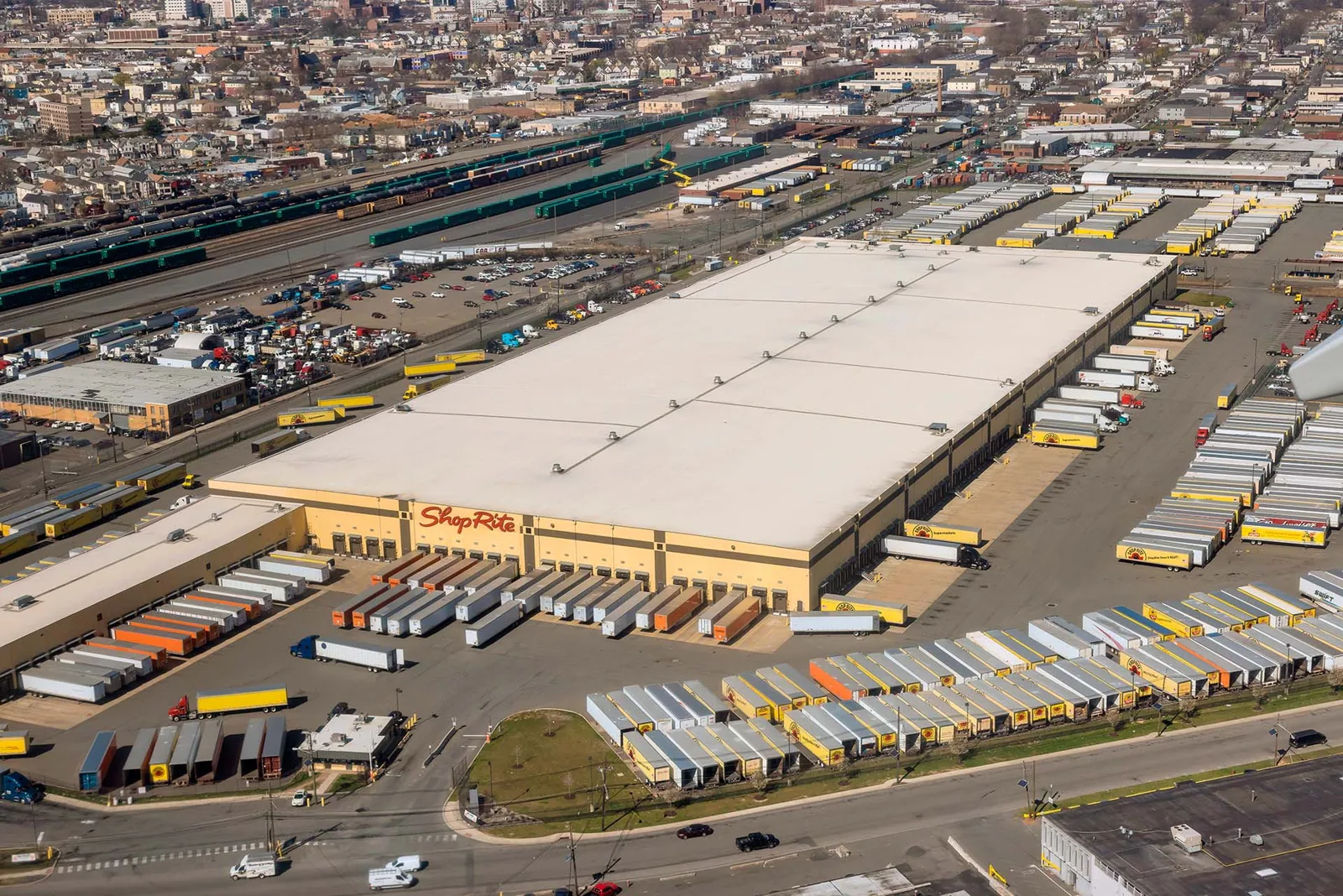
CherryVale Mall opened in 1973, and for more than fifty winters the building has stood under whatever a northern Illinois sky sent down. A shopping center roof is a long, shared surface with dozens of penetrations, one rooftop unit for nearly every tenant and a parapet wall running the whole perimeter. Rockford, IL logs roughly 134 freezing days and 36 inches of snow in a typical year, and a roof like that has plenty of places for meltwater to find its way in. The leak usually appears over one tenant's stock room, while the cause may sit forty feet along the roof in a seam that every other tenant also pays for.
If you own or manage retail space, get the whole roof assessed as a single asset before you argue over which tenant owes what. Splitting the repair bills first and diagnosing the roof second is how owners spend twice.
Follow the water along a shared roof
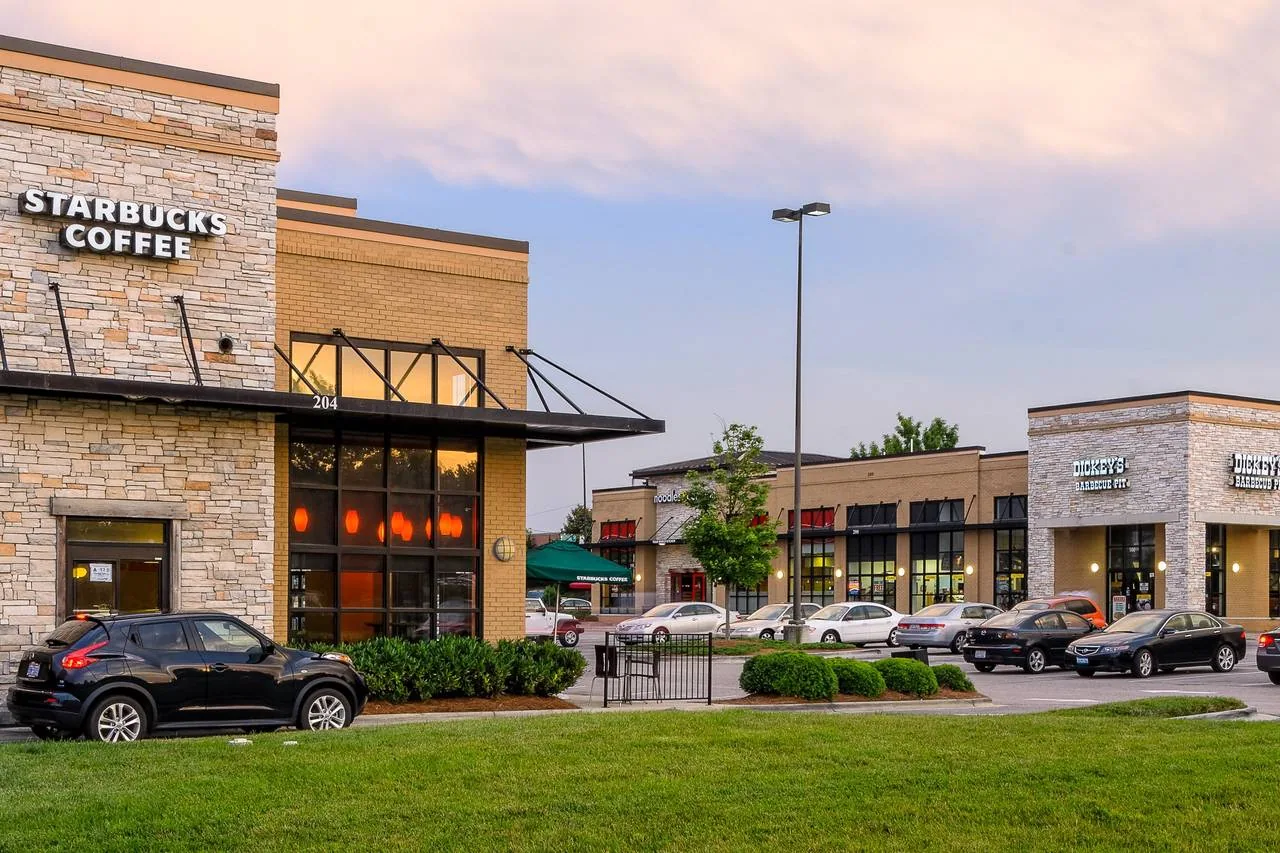
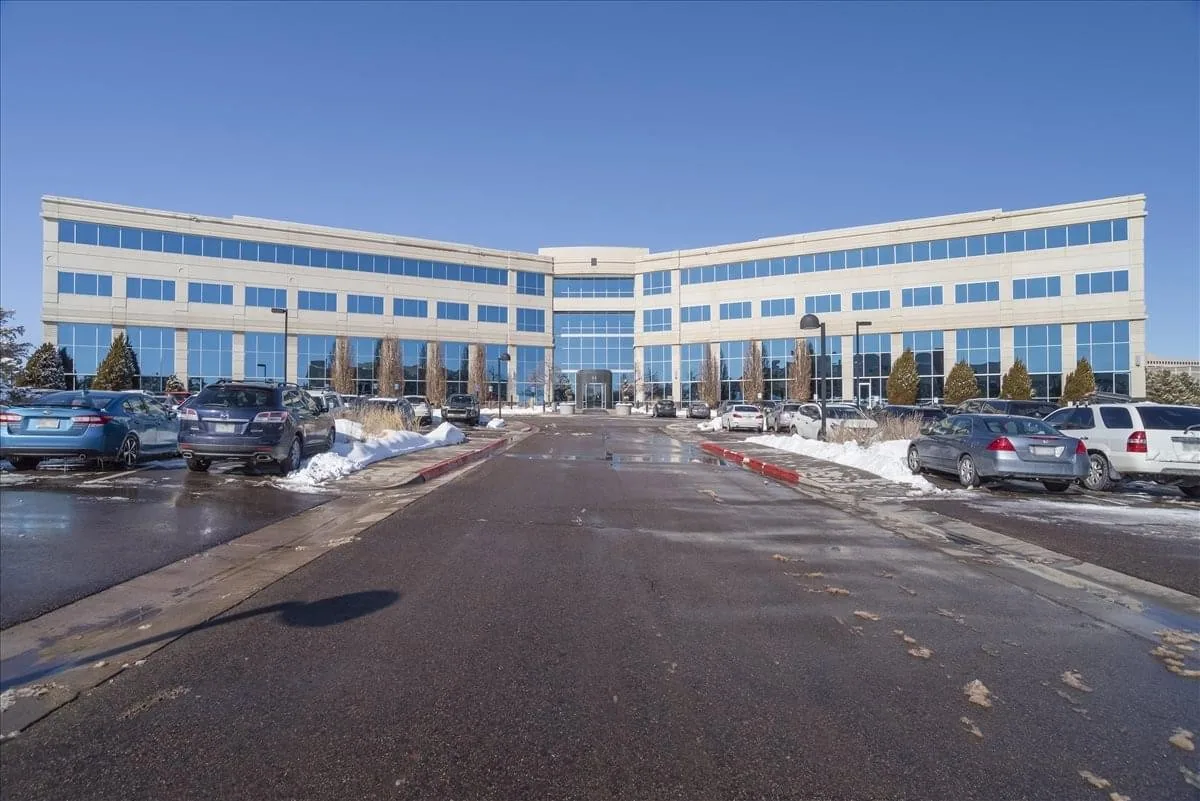
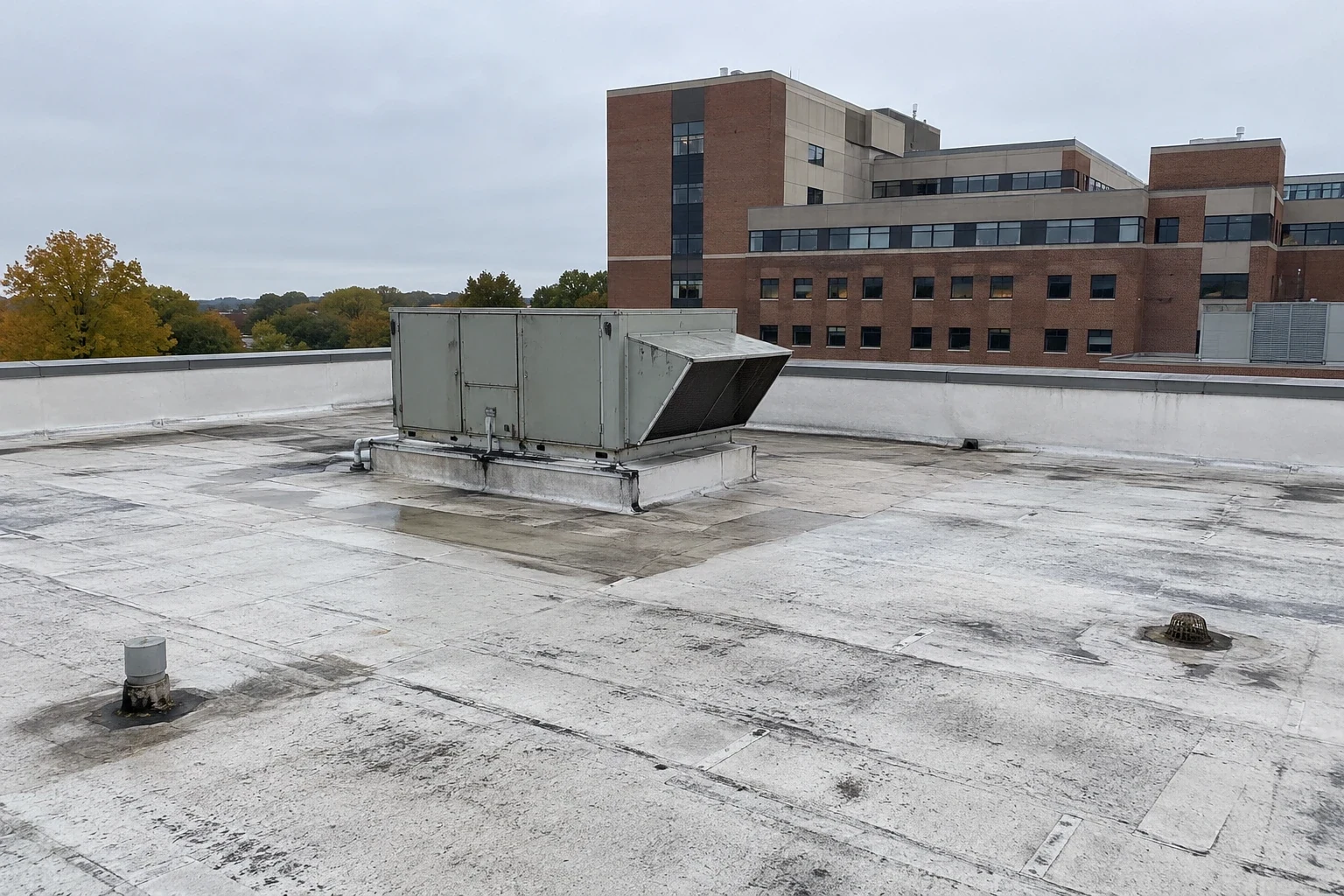
In a strip center, one continuous roof covers a dozen or more tenant spaces, and water does not respect lease lines. Snow drifts against the parapet at the back of the building and against any taller tenant bay, then melts along the base of the wall. Flashings at the parapet, at the roof-to-wall joints and at every rooftop unit curb take that meltwater first, and with about 134 freezing days a year they go through the same swing between freezing and thawing again and again until a seam or a sealant joint opens. Tenant buildouts make it worse. Every added rooftop unit, curb or support, exhaust fan, antenna, satellite dish or refrigeration line is a hole somebody cut, and not always a hole somebody sealed correctly.
Hail and wind finish the job on older roofs. The November 10, 2020 storm sent 1 inch hail through Roscoe and a 73 mph gust through Winnebago, and the storm damaged buildings across Winnebago County. A retail roof with an aged membrane or loose edge metal is where wind like that finds its way in first. We check the edge metal and the penetrations before we check anything else.
Tell a worn roof from a failing one
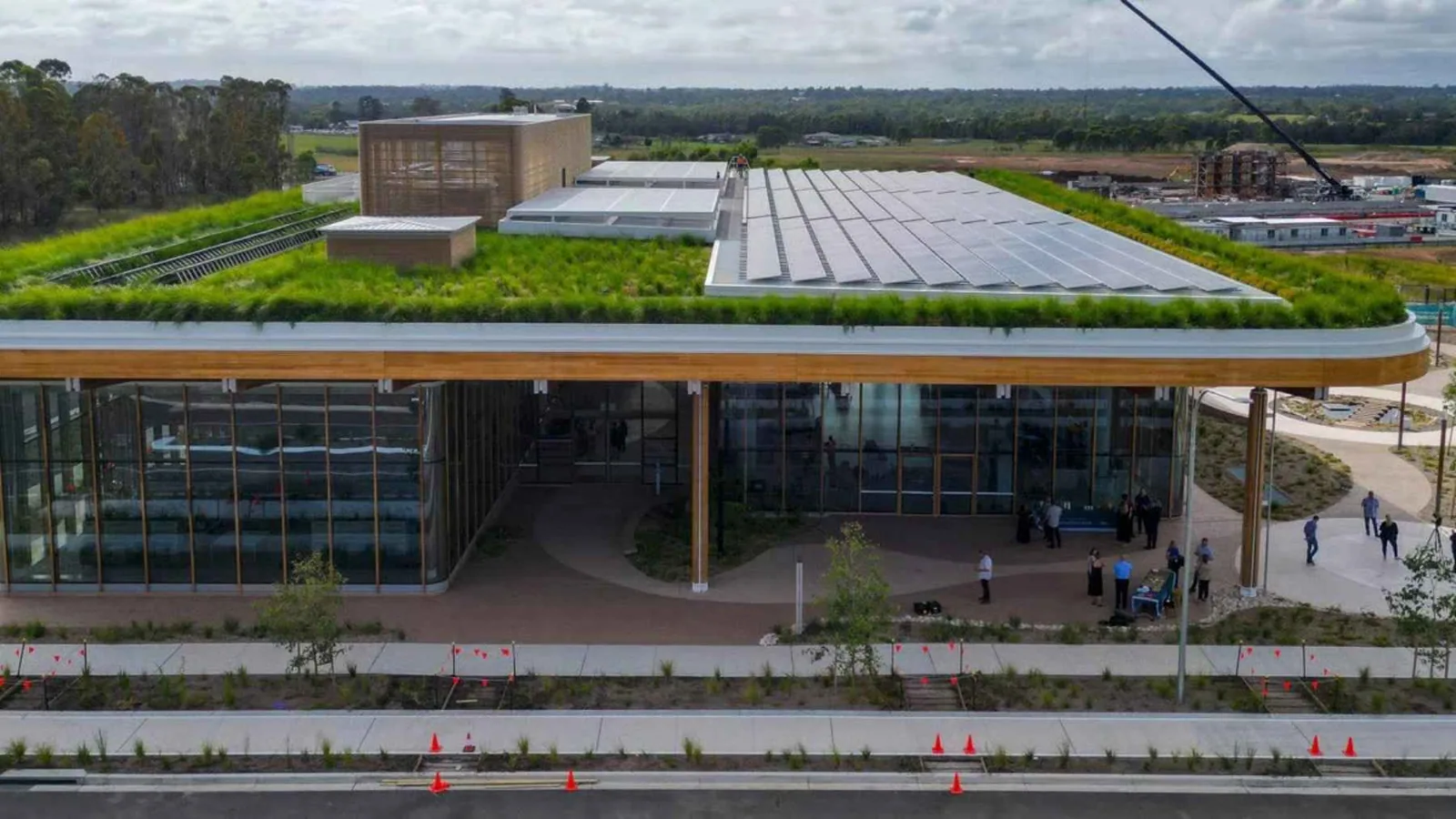
Older retail centers often hold several generations of roof under one skyline. One bay may have been recovered a decade ago, another may still have its original membrane, and a third may carry a patchwork of repairs from different tenants. Do not price them as one roof. A moisture survey and a set of core cuts tell you which sections have wet insulation and which are merely dirty, and that lets you replace the sections that need it and repair or maintain the rest.
The Colonial Village mall opened on Rockford's east side in 1962, and State Street west of Mulford Road is described as a prime retail corridor. A building in that corridor with a long history of patching is a strong candidate for a hard look at the whole roof, because patch costs on a failing roof add up fast. When the membrane is mostly sound and the leaks sit at details, a few focused repairs and a maintenance schedule are the right call, and we will put that in writing.
Sort out who pays before the first estimate
Investors and real estate owners know that in most multi-tenant leases the roof belongs to the landlord, and the cost is passed through to tenants in common area charges. How that works depends on the lease language, so read it before you bid, not after. The roof bill is easier to defend when it comes with a written condition report, photos of every failed detail and two prices: the repair and the replacement. Tenants and their accountants rarely argue with a report they can see.
Vacant space needs special attention. Machesney Park Mall along the North Second Street corridor in Machesney Park opened in 1978 as a 229,988 square foot mall and is now an open-air plaza without major tenants, after Burlington moved out in January 2025. An empty bay is easy to forget: nobody walks it, nobody reports its leaks, and a roof can soak for a winter before anyone notices. Even if no tenant is paying rent, someone still has to pay for the roof, so budget for inspections of the empty bays too. If the building is changing hands, a due diligence roof survey keeps you from buying a deferred-maintenance bill.
Get answers in writing before work starts
Retail roofs have more moving parts than they look like they do, so ask the following in writing.
- Who seals the penetrations that tenants cut, and who logs them?
- How will the work be staged so entrances, loading areas and fire lanes stay open?
- What is the unit price for replacing wet insulation, and who confirms it is wet?
- What does the proposal say about rooftop unit disconnects and crane time?
- How will tenants be warned about noise and odor, and what hours are the loudest tasks?
Answers like these tell you whether the contractor plans for your tenants or only for the roof. Owners with several centers can add preventive roof maintenance to the budget so every roof is walked in spring and fall and the small leaks are patched before the tenants call.
Time the reroof around the retail calendar
Retail roofs have a bad season and a worse one. The membrane work needs dry, mild weather, which means spring through late fall in northern Illinois. The holiday selling season takes the busiest weeks of the fall away from you, because owners and tenants do not want a crane in the parking lot in December. That leaves a practical window of late spring through early fall, and it fills fast. Have the scope written and the tests done in winter so you can bid early.
Work on a center that stays open is an everyday job for us. We stage by bay, keep equipment away from entrances, and schedule the loudest work for early hours. A single large store carries one roof and one tenant, which changes the bid the way it does on a big-box retail job. A center on the east side works under the same winters as the retail along East State Street and CherryVale. A restaurant roof needs the same public-route controls plus separate kitchen exhaust details.
Questions Owners Ask
A tenant says the roof leaks over its space. Is that the landlord's repair?
Usually the lease says so, but read the language first. We trace the source, which is often a flashing or a tenant-cut penetration, and report it with photos so the cost lands where it belongs.
Why do patches keep failing on our strip center roof?
They are going onto a wet or aged roof. A patch over soaked insulation or a brittle seam only buys weeks. Core cuts show whether the roof is worth repairing at all.
Can one bay be replaced without touching the others?
Yes, provided the tie-ins at the dividing walls are detailed properly. We tie new membrane into the old with flashings that shed water and keep the roof warranty paperwork clear.
How should we handle a vacant space with a bad roof?
Inspect it on the same schedule as an occupied space. Empty bays hide leaks, and a roof that soaks all winter turns a repair into a replacement.
What does the roof add to a sale or a refinance?
A dated condition report with photos shows a buyer or lender what is under the membrane. It removes guesswork and often keeps a negotiation from stalling over unknowns.