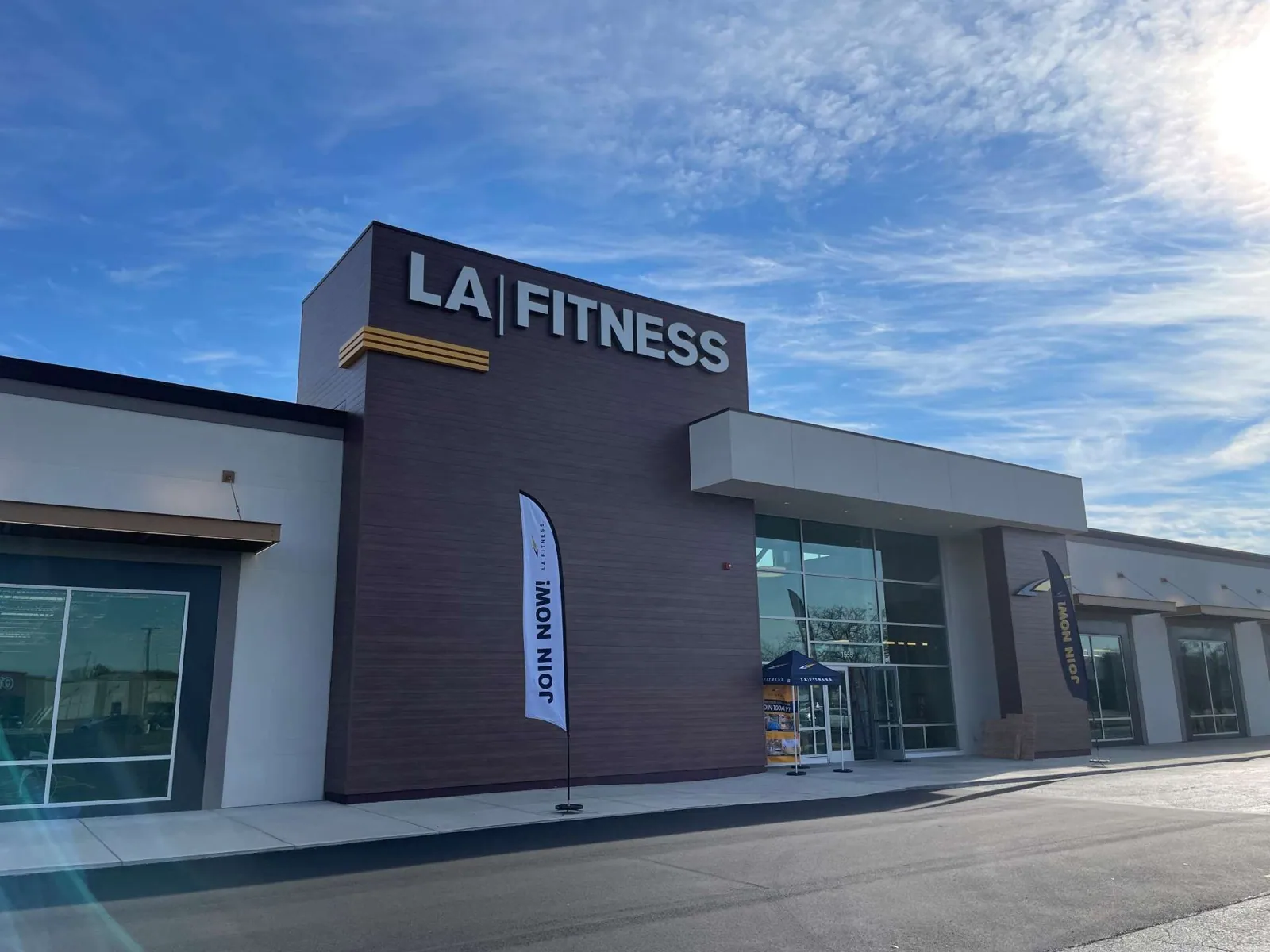
Fitness Center Roofing in Rockford, IL
Roofing for gyms, rec centers and fitness facilities in Rockford, IL: condensation, wet insulation and noisy work handled around your class schedule.
Fitness Center Roofing
Fitness Center Roofing
Rockford, IL
A gym breathes out moisture all winter, and the roof is where it lands. Rockford spends about 134 days a year at or below freezing, so a fitness center with warm, humid air inside and a frozen deck outside is a setup for condensation. Breath, sweat, showers and a pool room push water vapor up through the ceiling, and where it meets a cold layer in the roof assembly it turns to liquid and soaks the insulation from below. That is why some gym owners chase a leak all February and never find an opening in the membrane. The roof may be intact, and the moisture may be coming from inside the building. In Rockford, IL a fitness facility that treats every ceiling stain as a roof leak is likely to pay for the wrong repair.
Before you hire anyone to patch the roof, find out where the water is really coming from. Get the roof scanned for wet insulation, and ask the contractor to check the ventilation and air barrier as well.
Separate roof leaks from indoor condensation
Fitness buildings come in several forms. A strip-center gym sits in a single bay under a shared roof. A recreation center has a big gymnasium with a long-span roof and a pool wing. A converted big box has a wide, low-slope roof over a former retail floor. Each one makes its own kind of moisture. A natatorium or locker room has high humidity year-round and needs a proper vapor retarder under the insulation. A big gym floor with hundreds of people working out sends warm, damp air up to the deck, and in January the deck is a cold surface.
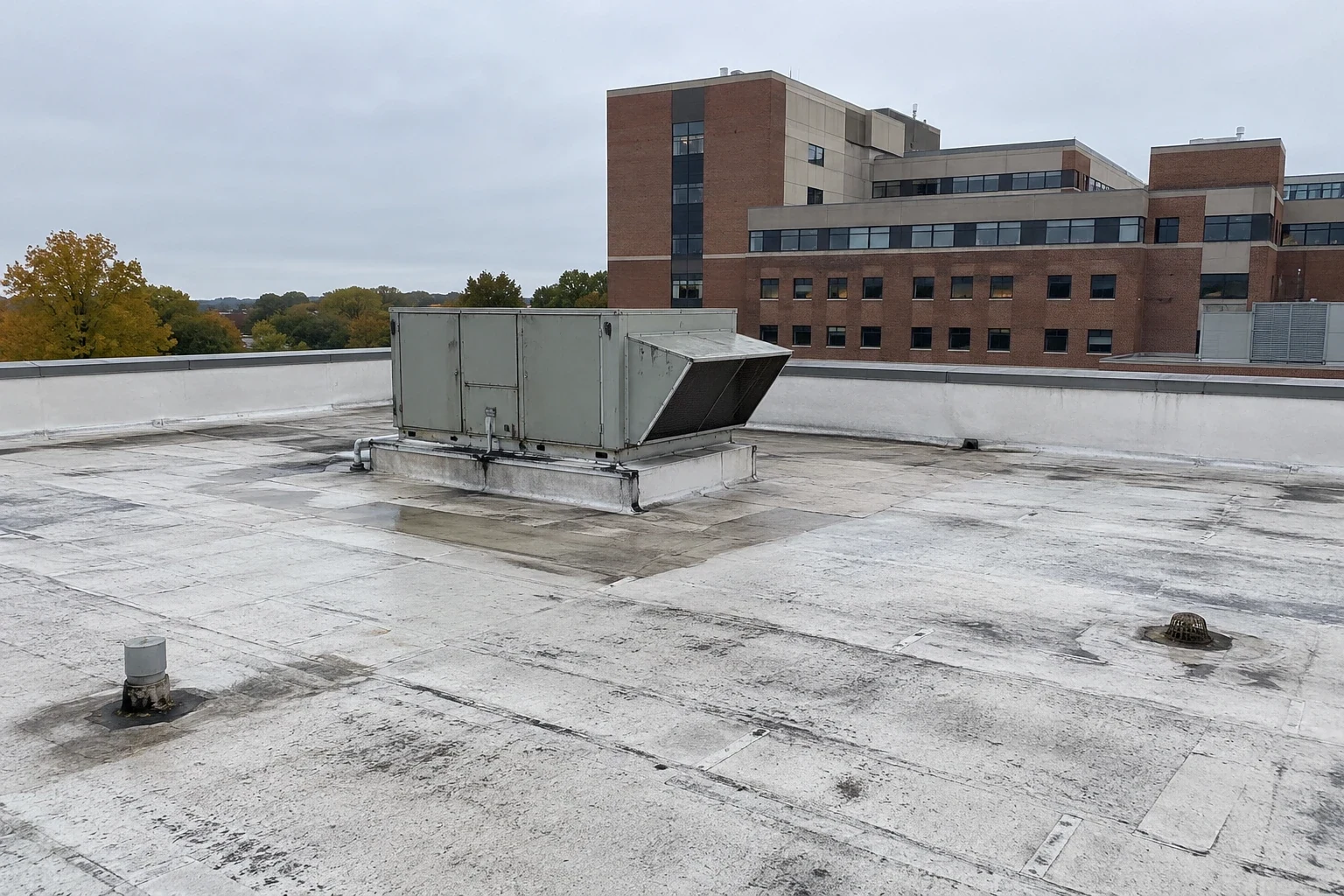
Outside moisture adds to the problem. Snow drifts against rooftop units and parapets, ponds in low spots and works under flashings as it melts. We look at both sides of the roof, inside and out, and mark where the two meet. A moisture survey shows which areas are wet and which are dry, and core cuts confirm whether the water came from above or below.
Fix the insulation and vapor path before choosing a membrane
The membrane matters less than what sits under it. On a fitness or pool building, the order of layers, the vapor retarder, the insulation and the cover board decide whether the new roof will stay dry. A new membrane over wet or poorly protected insulation will fail faster than the old one. If the insulation is wet, it comes out. If the vapor path is wrong, the new assembly corrects it. Specifying the insulation and cover board as one assembly keeps each layer working with the next.
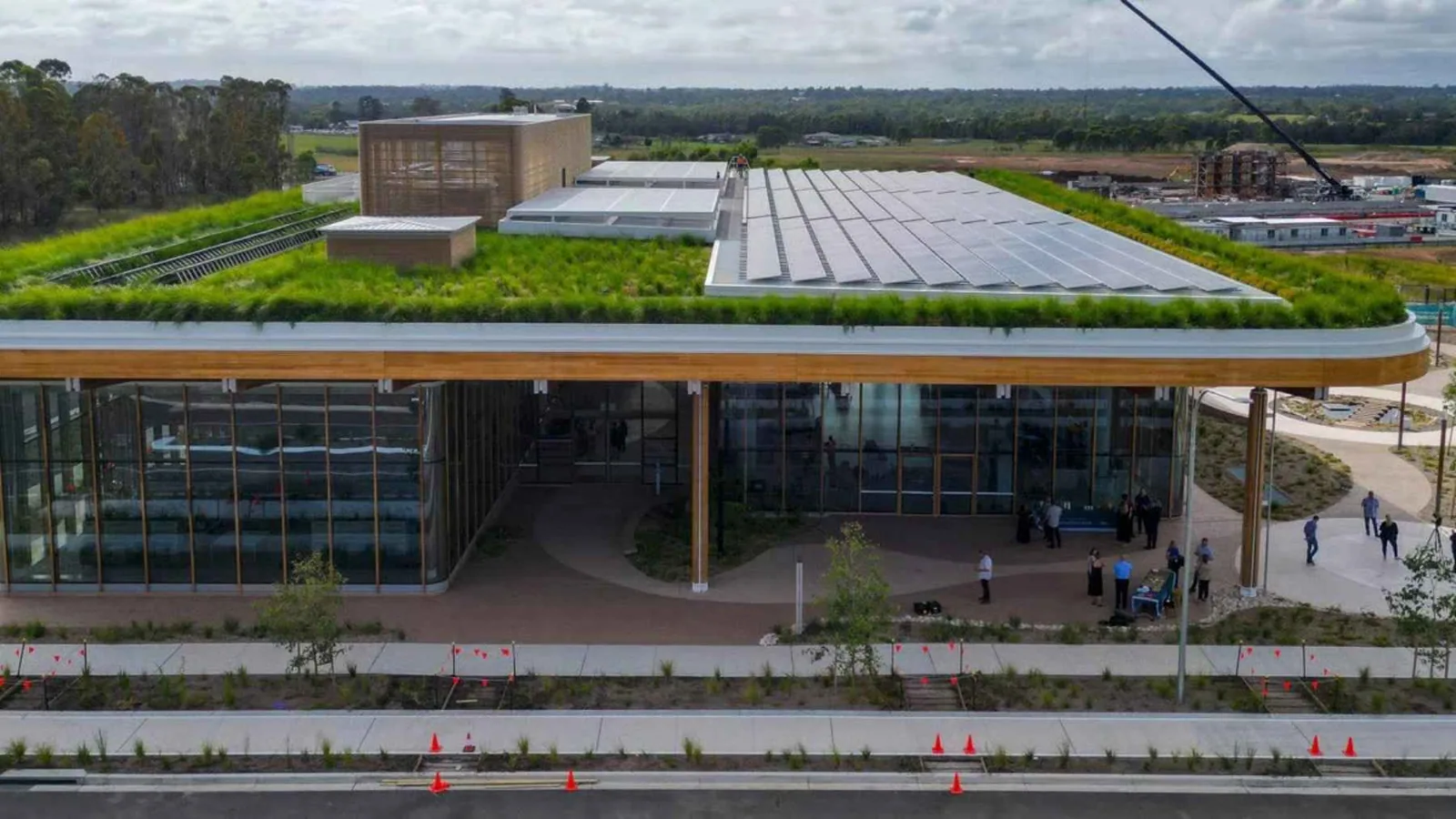
For the membrane itself, a heat-welded PVC roof suits wet, chemical-heavy spaces such as pool rooms and wash areas, while white TPO suits most gym roofs. Closed-cell spray foam roofing adds insulation and an air seal in one, which can help on a building with condensation trouble, provided the roof under it is dry. Compare each option by installed cost, expected life and upkeep.
Count what a wet ceiling does to floors, equipment and members
A roof leak in a fitness center costs more than a leak in a warehouse because of what sits below. Wood floors cup and buckle, rubber flooring traps moisture, and electronics, sound systems, cardio equipment and lighting get wet. Mold shows up in ceiling tile, and a cancelled class or a closed zone means lost membership revenue. These indirect costs are usually larger than the roof repair itself, which is why a small early fix is such a good value.
- A written condition report before any contractor quotes a price
- A unit price for wet insulation replacement, agreed before work starts
- A separate line for rooftop units, curbs and exhaust fans
- A plan for protecting floors and equipment below
Ask every bidder for the repair price beside the replacement price. Rooftop equipment curbs and supports deserve a look as well, since dehumidification and ventilation units are heavy and put a lot of weight on the roof. If a contractor jumps to replacement without a moisture scan, get a second opinion before you sign.

Plan the noisy work around classes and peak hours
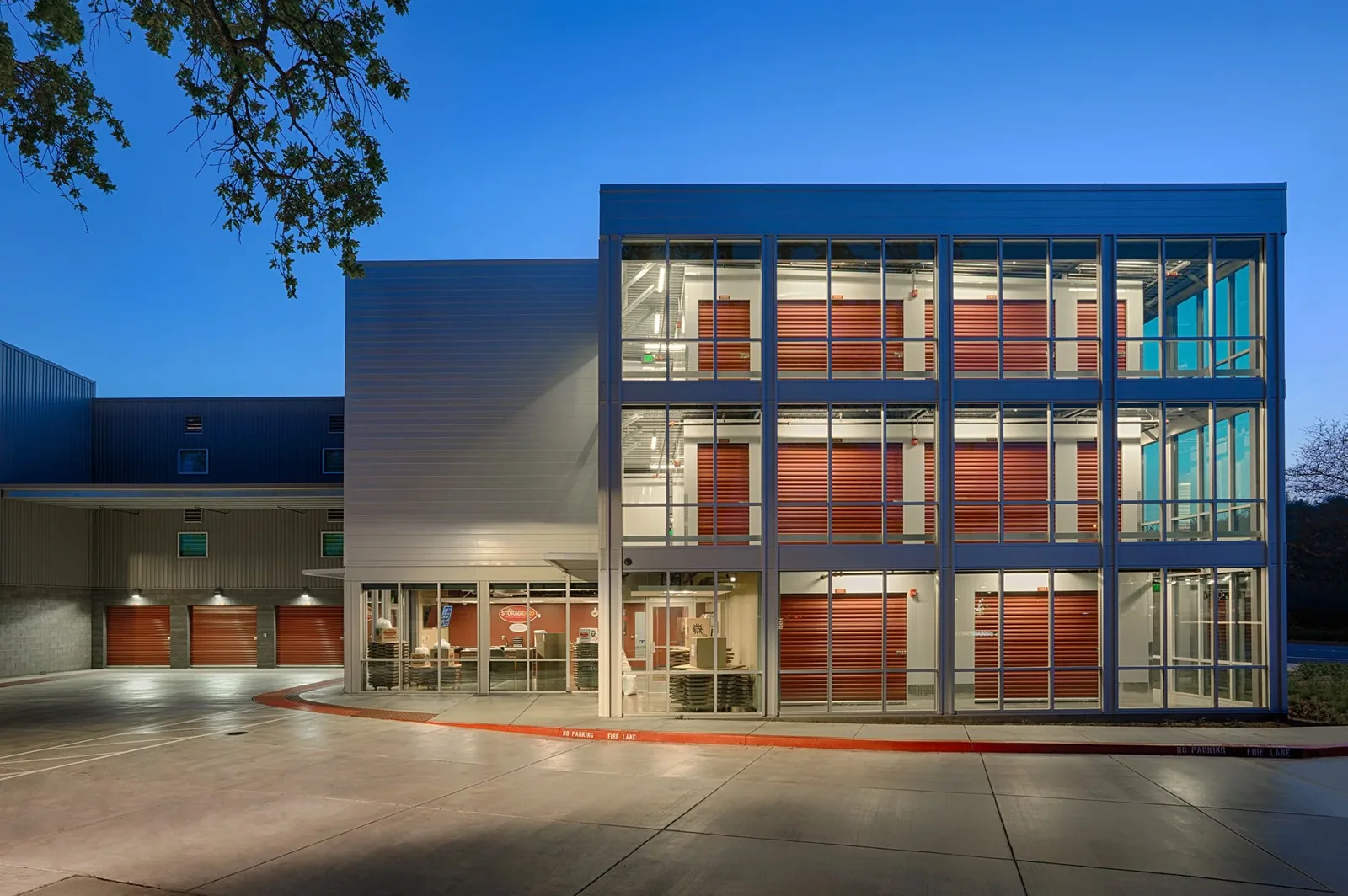
A fitness center makes its money in early mornings, evenings and weekends, which is when a roofing crew would prefer not to be there either. That works in your favor. Most of the roof work can happen mid-morning and early afternoon, when the building is quiet, and the loudest steps, such as fastening and equipment lifts, can be scheduled for the slowest hours. The crew stages along the side of the building away from the entrance and parking, and keeps the member route clear.
Ask the contractor to commit in writing to the work hours, the quietest sequence, the daily dry-in and the plan for yoga rooms, childcare areas and any space where noise or vibration would be a problem. A building that stays open during the work is routine for us: occupied building reroofing means sections closed in each evening, and the same phasing works over a campus gym or rec space on a school roof.
Book the roof between the January rush and the summer lull
New-year membership drives and summer outdoor seasons both change how busy a fitness center is, and roofing weather limits the calendar too. Membranes need dry decks and moderate temperatures, so full roofing runs from spring thaw into late fall. Spring is a natural fit, after the January rush and before summer. Winter work is for emergency dry-in, and for planning the real fix. Rockford’s south-side 11th Street corridor is another service area where traffic and tenant access shape the work calendar.
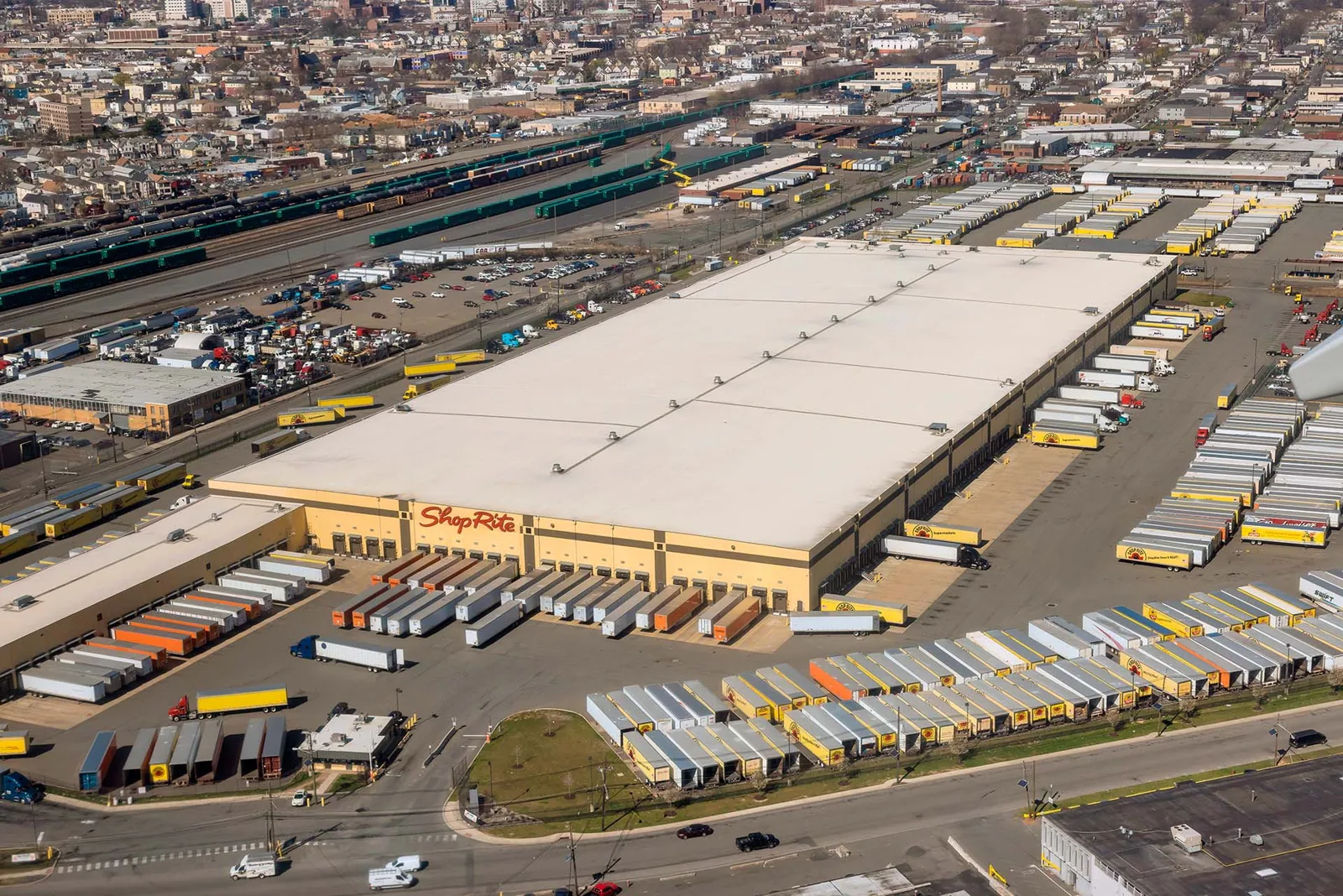
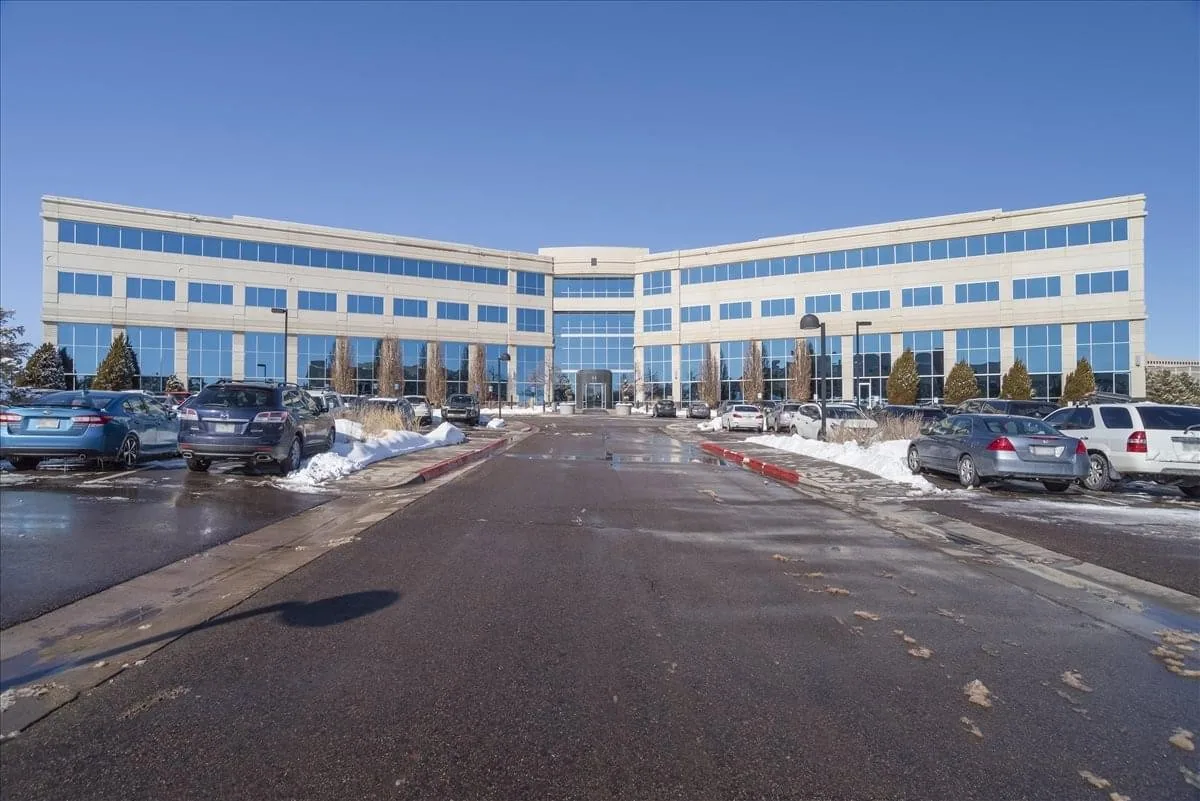
Fitness operators often take over existing buildings, which makes a roof check a part of any lease or purchase. A big box like the nearly 106,000 square foot former Kmart at State Street and Mulford Road, which closed in 2018 and is now proposed for a global market and food hall, shows how large a single roof over a former retail floor can be, and a roof survey tells a new operator what that roof will ask of them. The same applies to retail space along East State Street, and to Machesney Park Mall, an open-air plaza left without major tenants after Burlington moved out in January 2025. The Rock Valley College campus, VA outpatient clinic, and former Kmart along North Mulford and East State illustrate why a roof report should identify the exact building before a lease or renovation. A clean roof report gives you a firm number to bring to lease talks, and it protects your investment. If water gets in at night or on a holiday, the emergency line answers at any hour. An office-building roof can share rooftop equipment concerns, but its operating schedule still needs a separate plan.
Questions Owners Ask
How do I know whether my gym ceiling stain is a roof leak or condensation?
Timing is a clue. Stains that grow after rain or snowmelt suggest a leak, while stains that show up in cold, dry weather point to condensation. A moisture scan and core cuts confirm which one you have.
Does a pool room need a different roof?
It needs a different assembly. The vapor retarder, insulation and ventilation matter more than the membrane brand. PVC is often chosen for its chemical resistance, and the design has to keep moist air out of the layers.
Can the gym stay open during a reroof?
Usually, with planning. We work in sections, close each one in by evening and schedule loud steps for slower hours. Tell us when classes and peak traffic run, and the plan follows.
Should I put spray foam on a roof with condensation trouble?
Sometimes. Foam adds insulation and seals air leaks, which helps. It only works over dry material, and any wet insulation has to come out first. A scan tells us whether foam makes sense.
What should a new tenant check before leasing a roof-heavy building?
Ask for the roof's age, its repair history and a recent moisture scan. If the landlord cannot provide those, have the roof walked before you sign. The findings go straight into your lease terms.