Apartment and Multifamily Roofing in Rockford, IL
Roof repair and replacement for apartment and multifamily buildings in Rockford, IL, from factory conversions to townhome blocks, with resident notice planned.
Apartment and Multifamily Roofing
Apartment and Multifamily Roofing
Rockford, IL
A February thaw that drips through an apartment ceiling is never only a roofing problem. It becomes a resident on the phone, a damaged unit, a rent credit and a mold question, all from a leak that a small repair would have stopped in November. Rockford, IL spends roughly 134 days a year at or under 32 degrees and takes about 36 inches of snowfall, and the flat and low-slope roofs on mid-rise and townhome buildings carry that load for months. Water that gets in during a thaw soaks insulation, runs along the deck and drops into a unit that may be two or three walls away from the hole.
If you own or manage apartments, the roof is the one component that can damage every unit below it at once. Find out what condition it is in before the next freeze, and put the repair and replacement prices side by side before you decide.
Follow thaw water into the units below
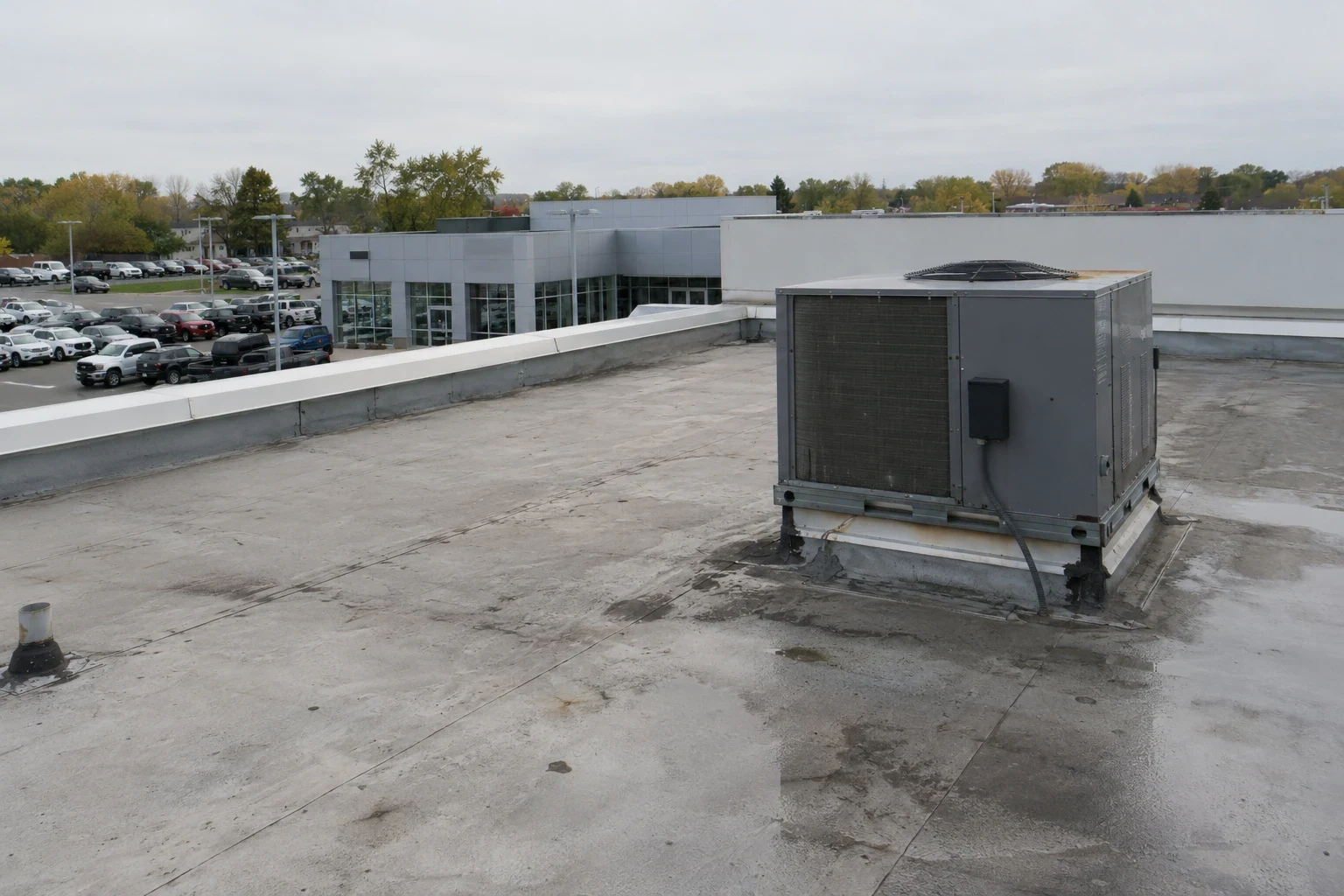
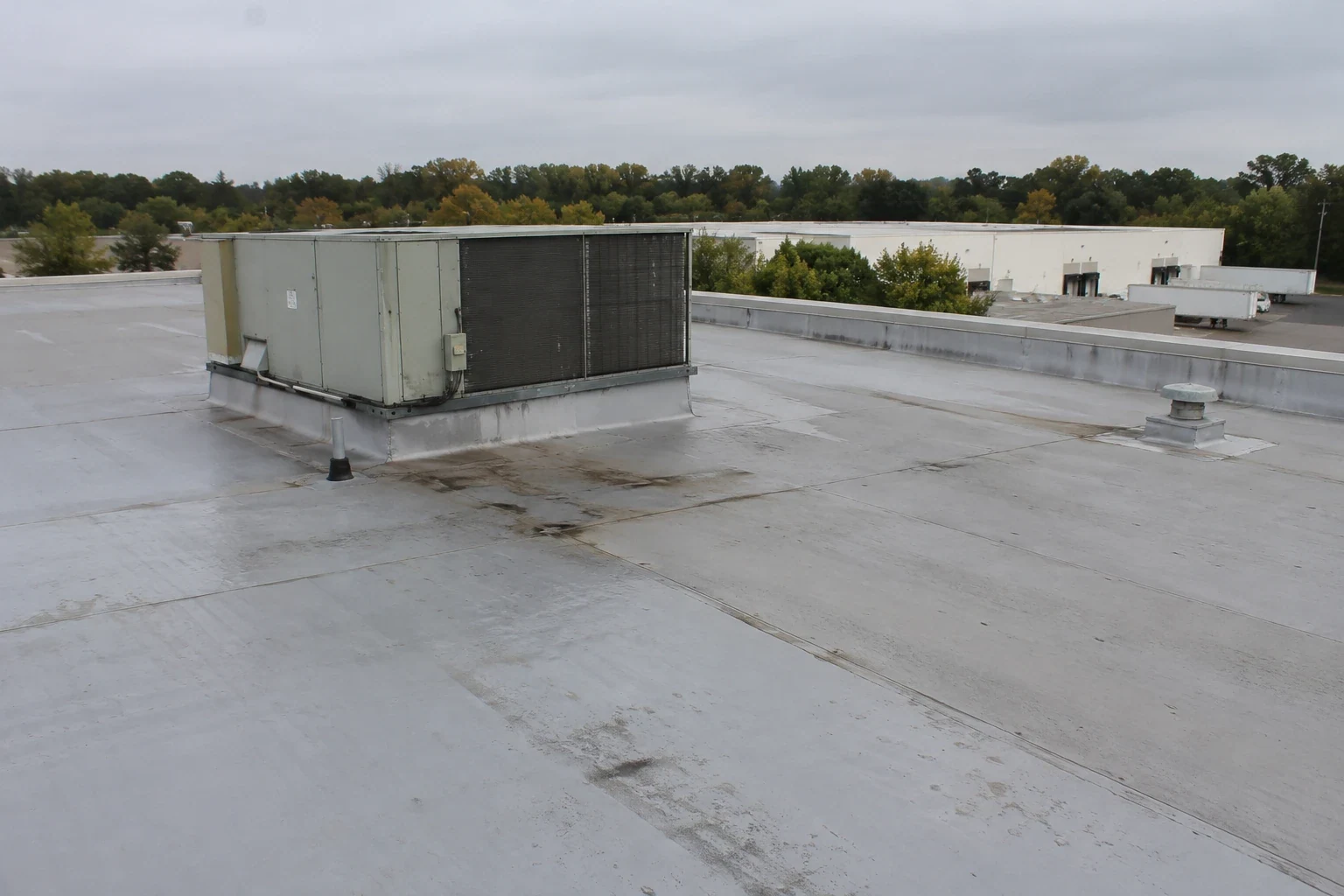
Apartment buildings have more of the details that fail first. Plumbing vents, bath and dryer exhausts, parapet walls around the full perimeter and interior roof drains that run down through the building all give water a way in. Ice forms in a partly clogged drain, the pond grows around it, and the weight of snow adds to the strain. In a thaw, that pond finds the seam next to the drain and starts working into the insulation. The first sign is usually a stained ceiling in the top-floor corner unit, and by then the insulation above is already wet.
Roof-to-wall flashing is the next weak point. Where a taller stair tower or a parapet meets the roof, snow drifts deep and melts slowly, and a failed flashing there sends water down the inside of the wall. We trace leaks from the inside stain back to the opening, not the other way around, and that is how a commercial roof leak gets repaired once instead of twice. We also check roof drains and scuppers before every winter.
Read an old factory roof before you convert it
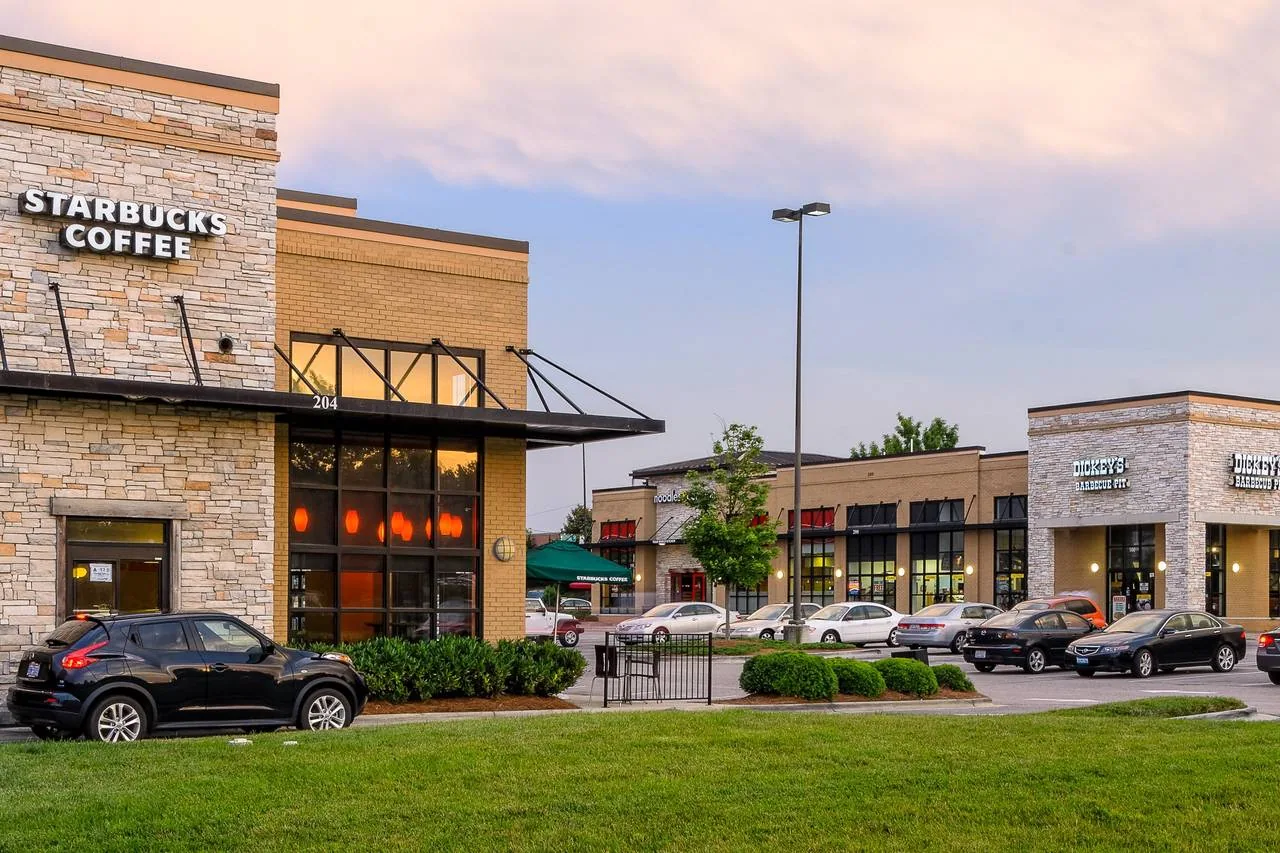
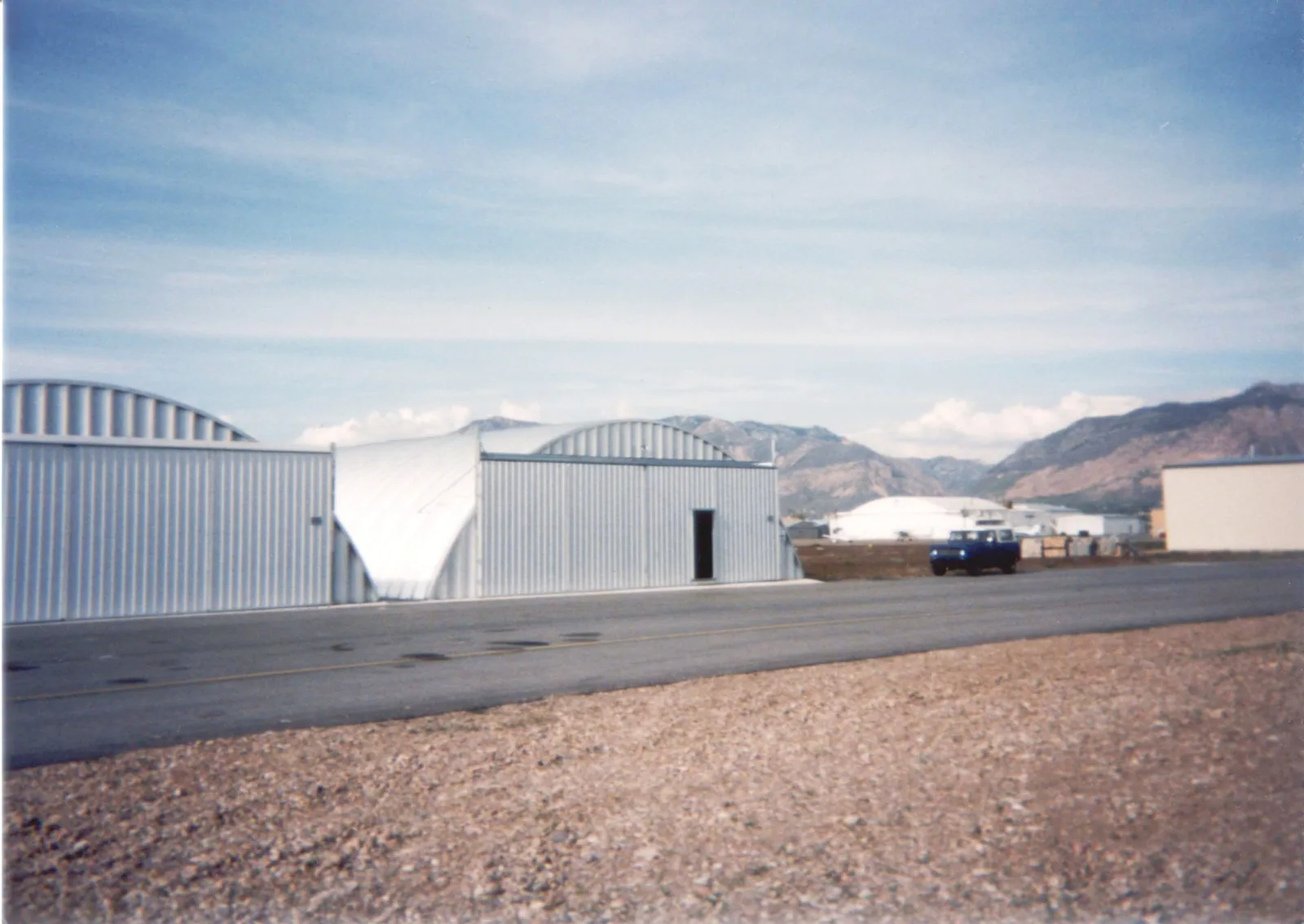
Colman Yards is turning a factory complex into apartments, and an old factory roof is a different animal. Colman Yards, the 26 acre former Barber-Colman manufacturing complex on South Main Street, was vacant from 2001, and the plan calls for more than 970 apartments and townhomes with five renovated manufacturing buildings in Phase 1B. Work stalled in December 2024 and is expected to restart in fall 2026, so those roofs have been through winters since the stall, and a survey should tell you what they look like today. An old factory roof can have a heavy timber or concrete deck, roofing from several eras and parapets that need rebuilding, and none of it is known until someone cores it.
When historic tax credits are among the financing, the roof may also be reviewed for how it looks and what it is made of. Plan for that before you price a membrane. Downtown conversions raise the same questions. Urban Equity Properties plans 94 apartments and 15 retail units in the former Rockford Register Star News Tower in downtown Rockford, and the Chicago Northwestern freight station in downtown Rockford, built in 1902, is planned for apartments and storefronts. If you are buying or financing a building like these, whether on the Colman Yards and South Main side of town or downtown, a roof survey before closing keeps you from inheriting a hidden bill.
Plan roof spending before you set the rents
A roof is the largest repair a multifamily owner faces, and surprises show up on the books as damaged units and lost rent. The best protection is a plan: record each roof's age and condition, estimate the remaining life, and set aside money before the roof fails. Roof capital planning turns that into a schedule, so a lender or investor can see what is coming. Owners and real estate investors use it to price acquisitions, and managers use it to time work across several properties.
On the bid itself, ask for the unit price on wet insulation, a separate line for the code upgrade and the price of a repair next to a replacement. Illinois moved to a 2021 IECC based energy code in January 2024, so a replacement is priced against current insulation requirements, which can mean more insulation than the old roof carried. A contractor who pushes tear-off without testing the insulation is selling an upsell, and a second opinion is cheap by comparison.

Warn residents and work in the right weeks
Residents live under the roof you are working on, so notice matters as much as the weather. Tell residents in writing when work starts, which hours are loud and where parking, walkways and balconies will be off limits. We stage the roof in sections, keep debris chutes and hoists away from entrances, and dry in every section before the crew leaves for the night. Hot work and adhesives are scheduled and managed so fumes stay away from open windows and air intakes.
The window runs from spring thaw to late fall, because membranes need dry decks and mild temperatures. For a downtown building near Downtown Rockford, add time for street access and crane placement. On occupied building reroofing, resident communication is part of the scope, not an afterthought.
Press bidders on residents, access and records
Before you sign, ask each contractor the following in writing.
- How and when will residents be notified, and who answers their calls?
- Where will the hoist, dumpsters and material trucks sit, and how will walkways stay safe?
- What is the dry-in plan at the end of every day?
- Who tests the old roofing for asbestos before tear-off on an older building?
- What records will you get for the lender, the investor and the next owner?
A building with hotel-style rooms for rent carries the same worry as a hotel roof, a leak that reaches a paying guest the same night, and a manager with several buildings can put them all on one schedule, as property management companies do. A senior-living roof also needs resident access and protection included in the phase plan.
Before bids arrive, make one roof-and-interior map for each building. Mark recurring leaks, occupied units, drains and equipment, then ask bidders to identify which conditions they verified and which remain concealed. That gives an owner a fair comparison across properties without treating every roof as identical. Keep the closeout photos with the unit and work-order history so a future manager can see what was repaired and what should be inspected next spring.
Questions Owners Ask
A top-floor resident has a ceiling stain. Is the whole roof bad?
Not necessarily. The stain often traces to a drain, a vent or a flashing near the unit. We find the opening first and cut cores before anyone prices a full replacement.
How do we reroof a building full of residents?
In sections, with written notice and set quiet hours. We keep entrances and balconies clear, and each section is dried in before the crew leaves so nobody wakes to a wet ceiling.
What should we ask before buying an older apartment building?
Ask for the roof's age, its leak history and a scan with cores. A survey before closing puts a number on deferred roof work, which gives you something solid to negotiate with.
Do converted factory buildings need a different roof approach?
Often, yes. The deck, the parapets and the older layers may need specific repairs, and historic financing can add review steps. Test the roof and check the financing terms early.
Can we save money by patching every winter?
Only up to a point. Patches over wet insulation fail and spread, and each leak damages a unit. Compare the cumulative patch cost against a recover or replacement before you commit again.