Church Roofing in Rockford, IL
Church and house of worship roofing in Rockford, IL: steeples, steep slopes and fellowship hall roofs, repaired on honest findings and a fair price.
Church Roofing
Church Roofing
Rockford, IL
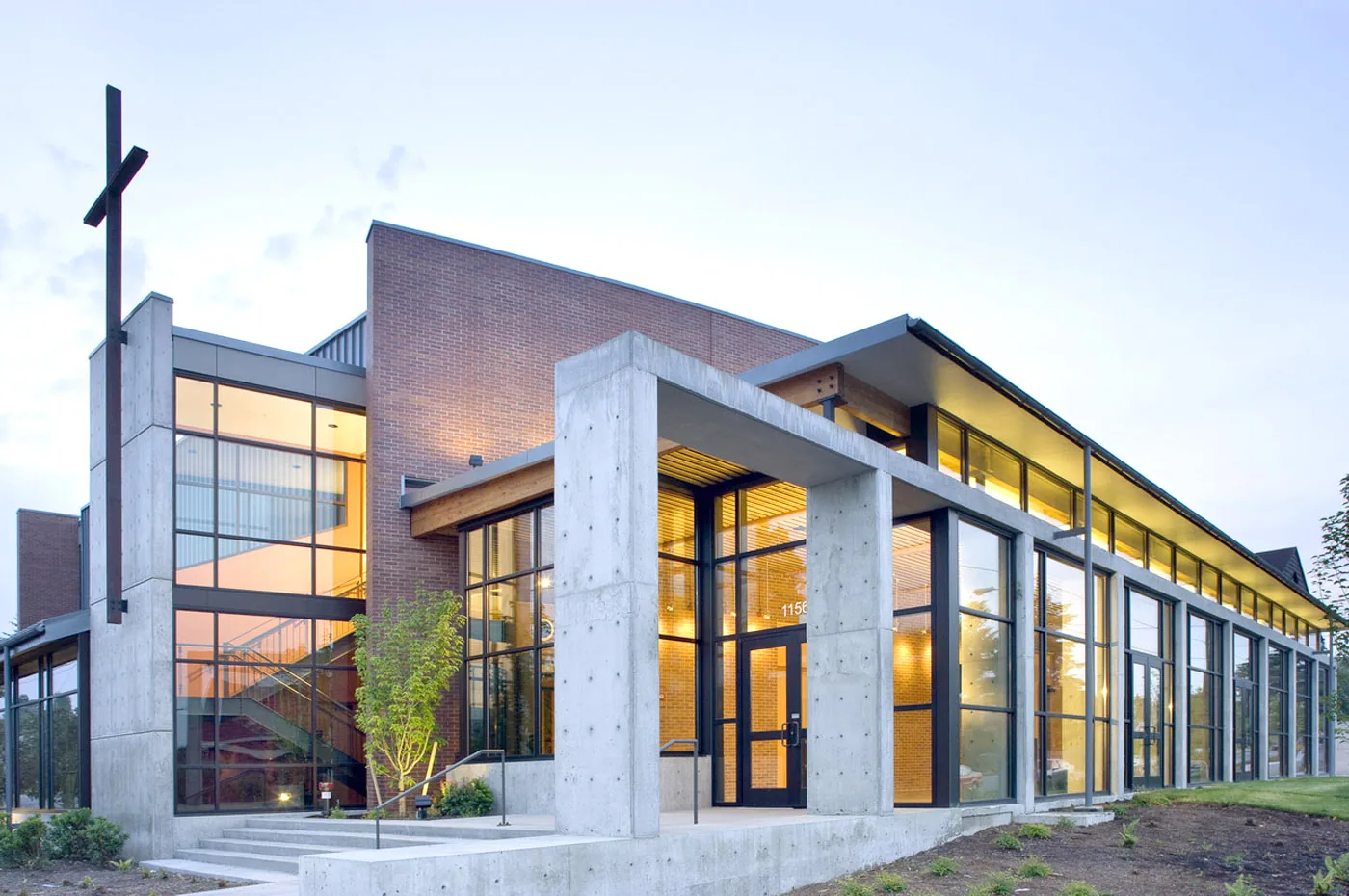
A steep church roof sheds snow all at once, and that is the first thing a Rockford winter teaches a congregation. Slate, shingle or metal, the pitch lets a heavy load slide in one sheet when the sun hits it, and it lands on the front steps, on a lower fellowship hall roof, or on a gutter that was never built for the weight. The valleys between the sanctuary, the transepts and the tower collect the rest, then freeze, thaw and freeze again about 134 days a year. By March the valley flashing and the roof edge have been pried loose a little at a time, and the first sign is a damp patch on a plaster ceiling above the pews. In Rockford, IL a congregation's roof money comes from members, and none of it should go to the wrong repair.
Before the board votes on anything, get the roof looked at by someone with nothing to sell you. Then you will know if you are buying a repair, a restoration or a replacement.
Trace the ice, the valleys and the steeple joints
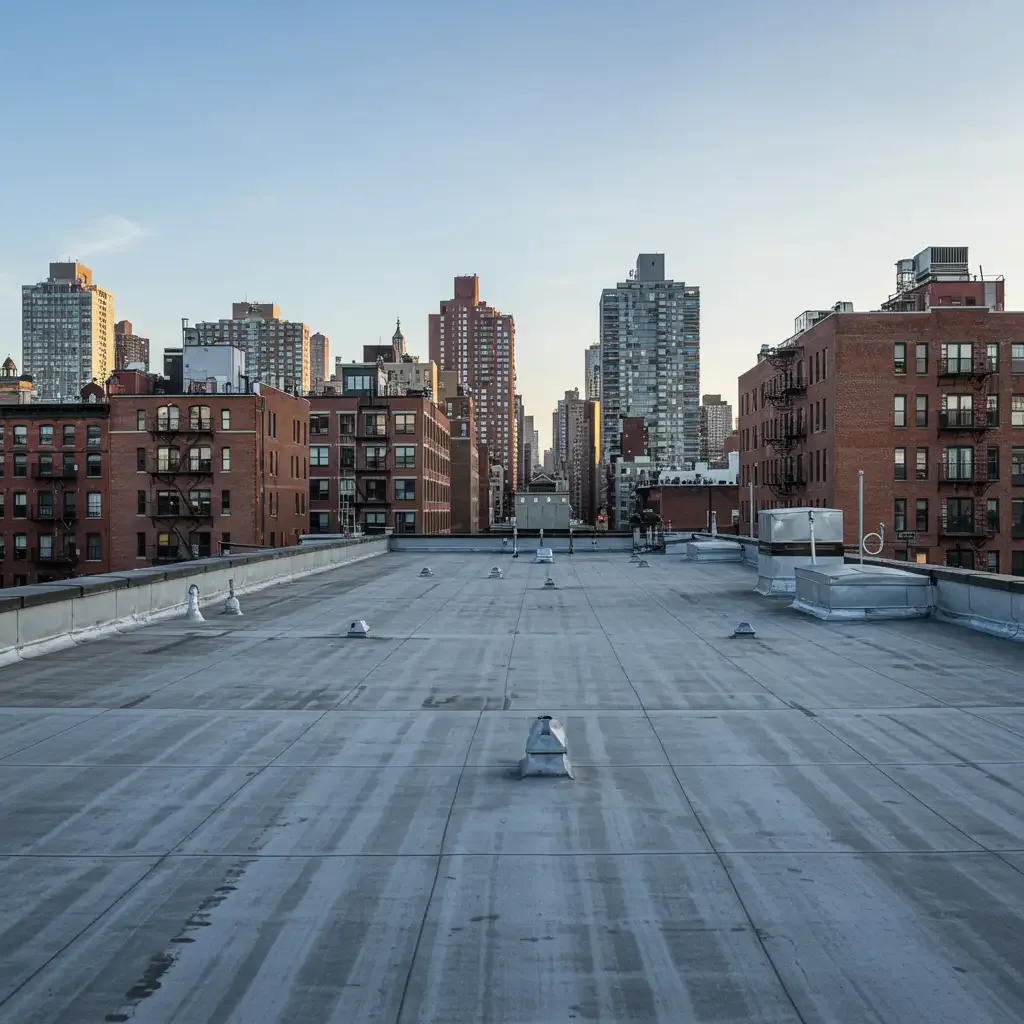
A church is really three or four roofs stitched together. The main nave is usually steep and covered in asphalt shingles, slate, tile or metal. A tower or steeple has its own flashing and often its own copper or lead. The education wing and the fellowship hall frequently sit under a low-slope membrane with a parapet, and older buildings have built-in box gutters that run along the eaves inside the masonry. Each part fails differently. Box gutters rust through and overflow into the wall. Slate loses its fasteners and slips. Low-slope sections hold meltwater at the parapet, and tower flashings crack where the metal expands and shrinks with the weather.
We check every joint where one of these roofs meets another, because that is where nearly every church leak starts. Edge metal, copings and gutters deserve a close look before the first thaw, and the tower penetrations need the same attention as the main field.
Spend the congregation's money on the right repair
A building committee often meets once a month and has to answer to a whole membership, which means the roof decision has to be explained in plain language and on paper. Costs move with a few things: the height and slope of the roof, how much scaffolding or lift access is required, the material being repaired, the amount of flashing and gutter work, and whether the damage has already reached the plaster, the wiring or the organ. Steep, tall work takes more labor and safety planning than a flat roof of the same size, and a steeple adds its own line.
Ask every bidder for the repair price next to the replacement price, and for a written scope that names each roof section. If the sanctuary roof is sound and the leak comes from a tower joint or a failed valley, the right call may be a few days of targeted flashing work, not a new roof. If a contractor pushes you to sign quickly after a storm, treat it as an upsell until proven otherwise. A free-standing commercial roof inspection with photos gives your board a neutral record to compare bids against.
Choose between repair, restoration and a new covering
Not every church roof needs the same answer. A sound slate roof with a few slipped tiles is worth repairing, and reslating the whole thing would waste money. A shingle roof with cracked, curling tabs and failed flashings has little life left. A tired low-slope roof over the fellowship hall may suit a recover or a new membrane such as modified bitumen, which tolerates foot traffic from mechanical contractors and holds up well around detail-heavy buildings. A worn steeple or main roof may be a candidate for standing seam metal, which sheds snow fast, though it needs snow guards over doors and walkways.
We lay out the options with what each costs to install, to maintain and to own over time. Where the building is historic, we match the visual look and keep the original material where it is still serviceable. You decide how much of the original character matters, and we price it either way.
Protect the sanctuary while the roof is open
The inside of a church deserves more protection than most buildings. Stained glass, plaster, painted ceilings, pews, the organ and the sound system are all expensive and slow to replace, and some pieces cannot be replaced at all. A good roofing plan treats them as a protected zone. That means tarps and temporary dry-in at the end of every workday, wet-weather stops written into the schedule and a crew leader who watches the radar. It also means debris chutes that miss the windows, and ladders and lifts staged away from walkways and doors.
Put these questions to every contractor in writing:
- How is stained glass protected from scaffolding and falling debris?
- Who is on site when rain shows up unexpectedly?
- What happens to the schedule on a Sunday, a funeral or a wedding?
- How are snow guards and gutter changes priced?
A straight answer on paper is a fair price. A promise that it will all work out is a change order waiting to happen.
Time the work around services and storm season
Services, weddings and funerals set the calendar for a congregation, so schedule loud work between public events. In northern Illinois, plan permanent repairs from spring thaw through late fall and reserve winter for temporary protection.
Local tornado history supports an early inspection after severe weather. The 2023 Rockford EF-1 and the 2008 Poplar Grove EF3 affected older buildings and commercial properties. After a storm, begin with a safe dry-in and structural review, then record damage with photos and a written scope. Roof insurance claim assistance can organize the documentation for the owner.
Lena and Poplar Grove have each experienced tornado damage; inspect church towers, valleys and masonry transitions after a nearby event. If a congregation shares space with a school, review the classroom wing and gym as separate assemblies using the same care as a school roof. A government building roof can share assembly questions, though access and approval rules differ. Keep every section watertight before the crew leaves and verify temporary protection before weekend services.
Older worship buildings may combine a steep sanctuary roof, a low-slope education wing and later additions. Inspect each assembly separately, with attention to valleys, masonry intersections, towers and gutters. Explain which repairs protect occupied rooms now and which can wait for the next season.
Questions Owners Ask
How can I tell whether a slate or shingle roof is worth repairing?
Look at the pattern. A few slipped or cracked pieces near a valley can be replaced. Widespread brittle shingles or nails that have rusted through mean the covering is near the end. We photograph each section so the board can see it.
Will a new roof change how the church looks?
Only if you want it to. Many materials come in styles that match older slate, tile or shingle, and metal can be finished to suit the building. We show you the options before any order is placed.
Why does the leak show up inside only after a thaw?
Meltwater is working its way into valleys, box gutters and tower joints that rain alone does not reach. Ice holds water against the flashing until it finds a gap. The leak is often well away from the stain.
Can our volunteers do some of the work?
Gutter cleaning at ground level and a visual check from a safe spot are reasonable. Roof access is another matter, because falls and damaged membranes cost far more than the savings. Leave steep and tall work to trained crews.
Does a small church building need a maintenance plan?
It pays for itself on any building with box gutters, a steeple or a flat roof behind it. Two visits a year and a check after storms catch the loose flashing early, and the written records help when the insurer asks about condition.