Commercial Roofing in Poplar Grove, IL
Roofs rebuilt after the 2008 EF3 tornado now face freeze-thaw and wind in Poplar Grove, IL. Plain advice on repair, recover and replacement for owners.
Poplar Grove

Poplar Grove
Rockford, IL
A tornado in January is a cruel kind of storm, because the roof it tears open is repaired in the worst weather of the year. The EF3 tornado that hit Poplar Grove, IL in January 2008 prompted rebuilding, and any roof put on after that storm has since lived through well over a hundred freezing days a year, roughly three feet of snowfall every winter by Rockford's measure, and summer afternoons hot enough to stretch a dark membrane. A roof that has been through that many seasons is where seams loosen, flashings pull back from walls and insulation starts holding water that nobody can see from above.
If you own or manage a commercial building that was repaired or rebuilt after that storm, have the roof looked at before the next thaw. We will say in plain words what the roof looks like, and if the answer is that you have plenty of life left, you will hear that from us too.
Inspect the roofs that went up after the tornado
A roof that was repaired or rebuilt after a storm can carry an old risk. Storm repairs often leave mixed ages on a single roof: a new section tied into an older one, a patched flashing at the joint, and edge metal sized to the budget instead of to the wind. Every winter the freeze-thaw swing works on those joints, because new and old materials expand and contract at different rates, and the seam between them is where the membrane is asked to stretch. Meltwater that gets in during a thaw travels along the deck and surfaces as a stain far from the opening. By then the insulation has taken a soaking it will not give back.
Do not rely on a walk-over alone. An infrared moisture survey finds wet insulation before it reaches the ceiling, and a hands-on inspection of the whole roof should put the findings in writing, with photographs you can keep.
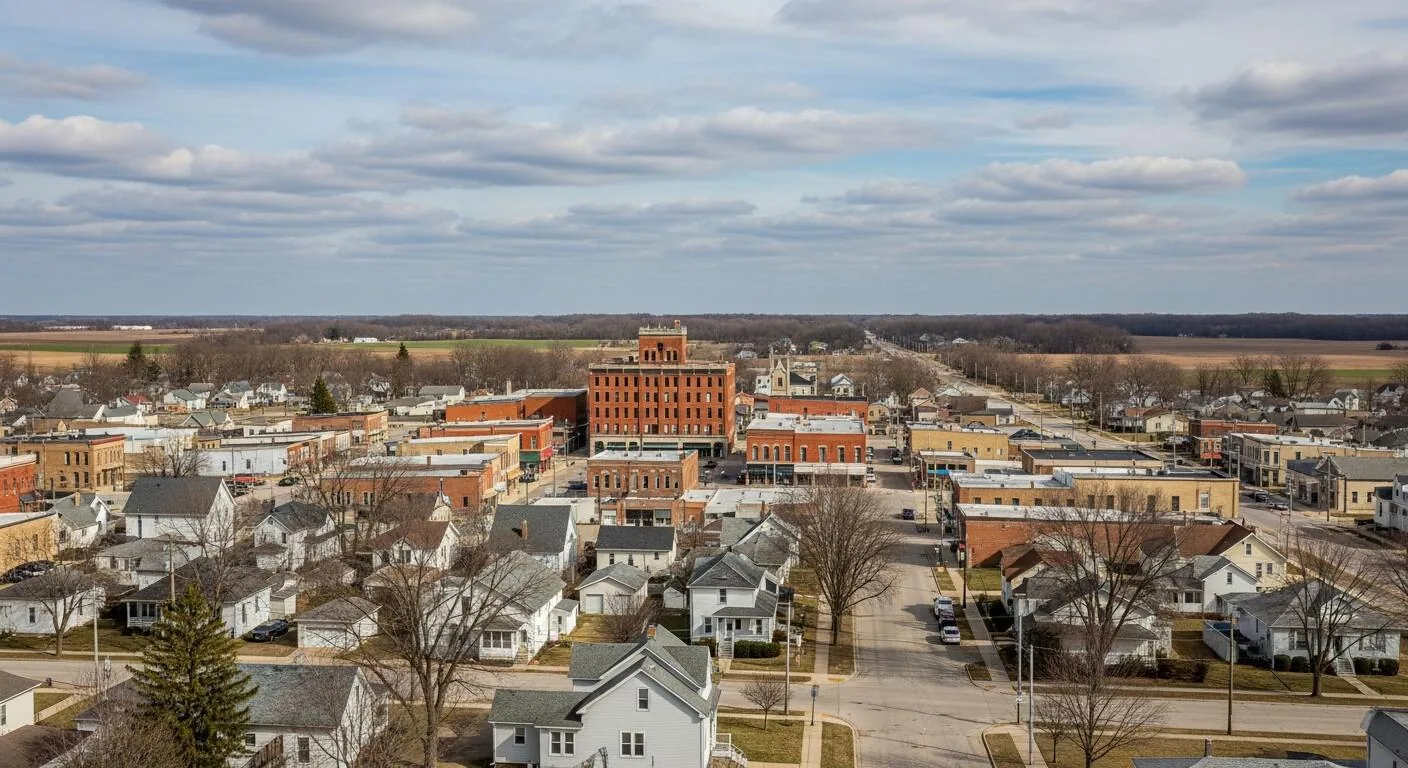
Match the fix to a roof near the end of its first life
Most owners in this position are weighing three paths. A repair is worth doing when the insulation under it is dry and the trouble is confined to one spot, such as a failed seam, a cracked pipe boot or a split at an old tie-in. A recover, which lays a new membrane over the old roof, makes sense only if the deck and insulation below are sound and the structure can take the added layer. A full replacement is the answer when moisture has spread through the insulation, because wet insulation cannot be dried in place and it keeps costing you heat every winter.
Ask for repair and replacement prices side by side, in writing. A roof recover costs less up front and a replacement buys a clean start, and a good bid shows you both. Illinois adopted a new statewide energy code that took effect in January 2024, so a replacement now brings insulation requirements with it, and you should see that line in the bid before you sign.
Protect an association budget with a written condition report
Poplar Grove borders Candlewick Lake, a gated community of 5,115 residents. Wherever a roof belongs to an association, a district or a partnership of owners, a board has to keep it dry on a fixed reserve, and the hardest part of the job is rarely the roof. It is explaining to everyone else why the money is needed now and not after the next leak. A written report with dated photographs, a remaining-life estimate and a ranked list of repairs turns an argument into a budget line, and it keeps one emergency from eating the reserve for three other buildings.
Ask for a proper roof condition report and use it to plan spending over several years. Be wary of any bid that adds a large allowance for unknowns without saying what they are.
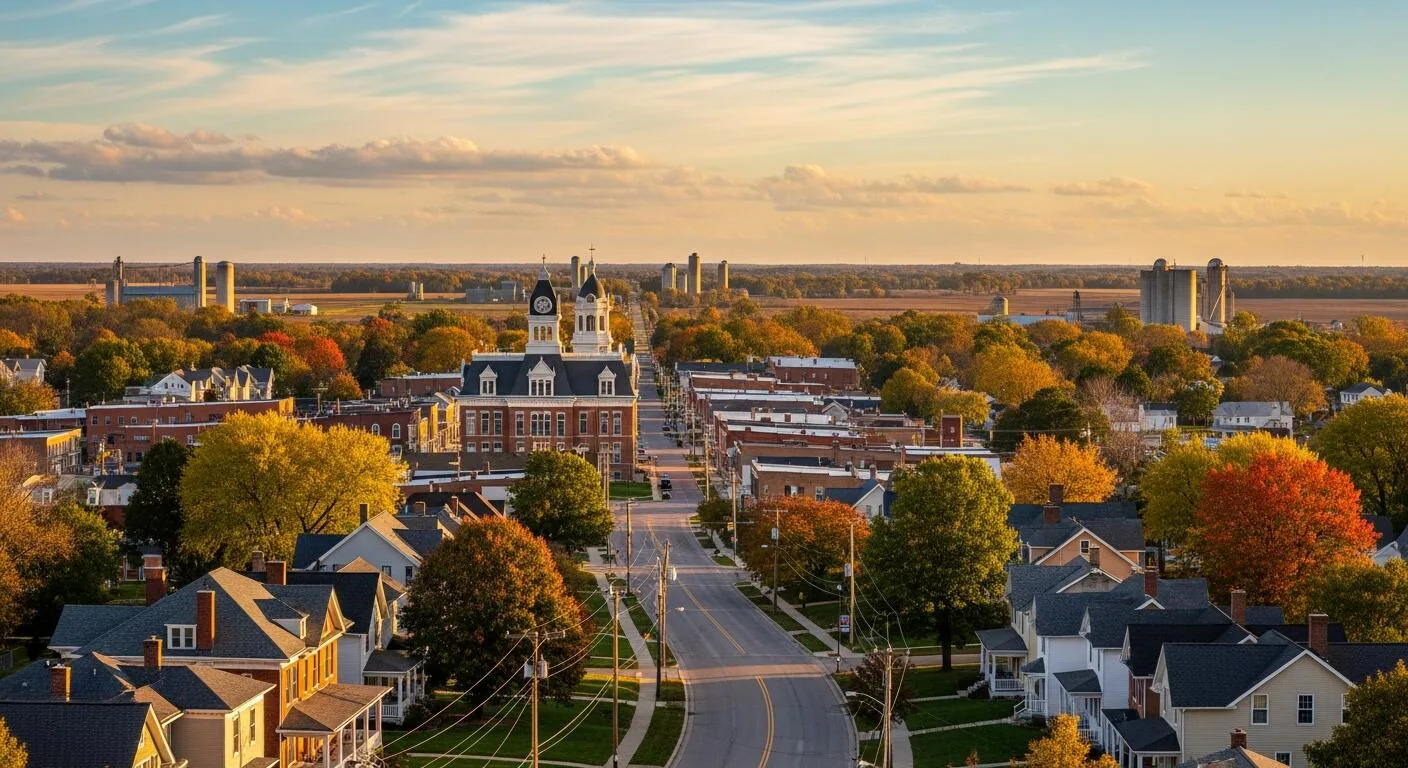
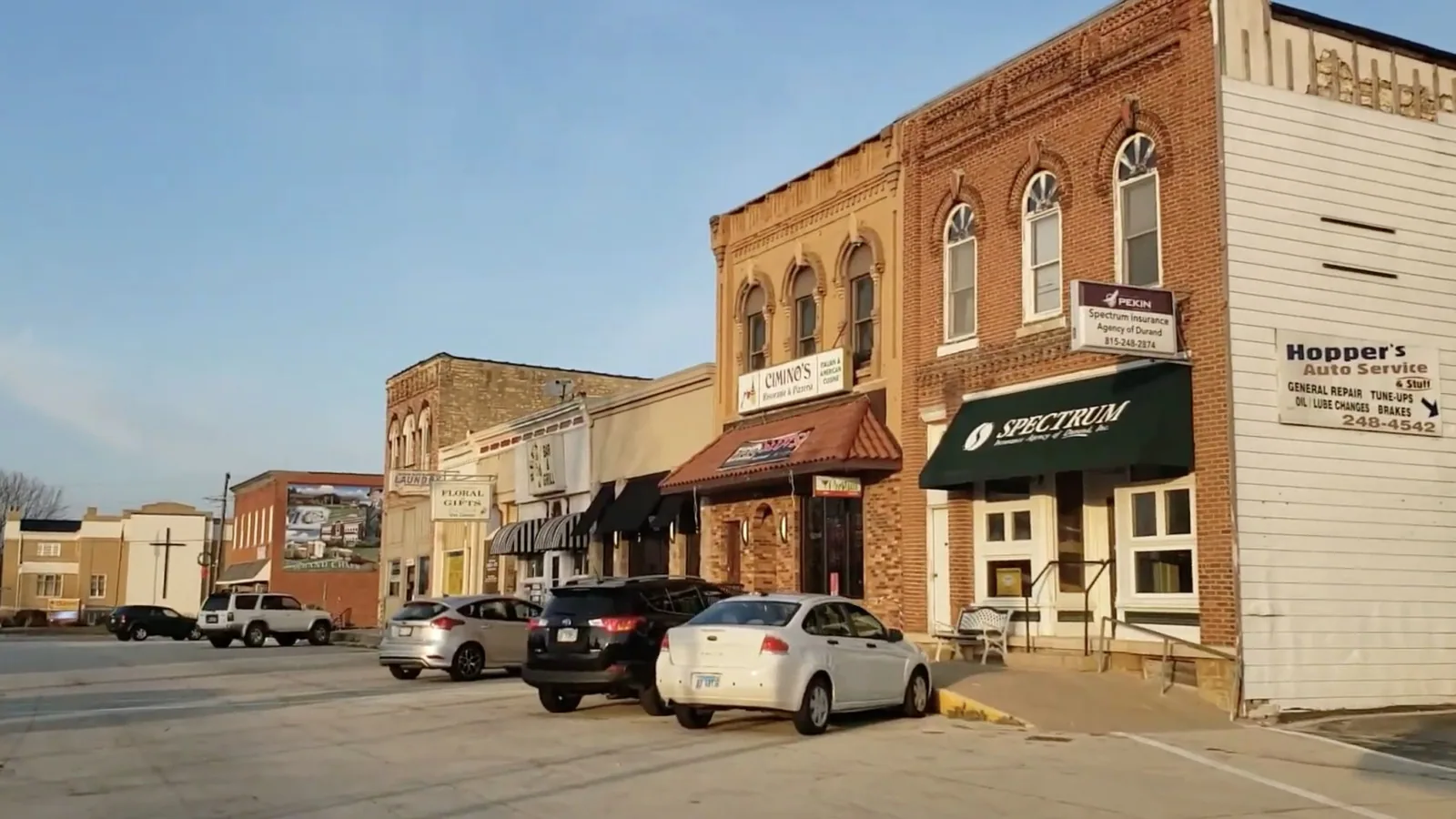
Ask every bidder what holds the edges down
Wind does its damage where a roof ends. The perimeter of a low-slope roof sees the strongest uplift in a storm, and the tornado history nearby, an EF3 in Poplar Grove in 2008 and the F4 that struck Belvidere in 1967, is a reminder of how hard wind can hit this area. A roof with weak edge metal or a thin perimeter fastening pattern can lose a corner in a storm that leaves the middle untouched, and once a corner lifts, rain follows the opening straight into the building.
So ask how the edge is secured, what metal is used at the coping or fascia, and how many fasteners go in the corner zones compared with the field. Compare the answers with how edge metal and coping should be detailed, and get them written into the proposal. The same attention matters after a storm, which is where wind damage roof repair starts.
Schedule the work around the highways and the weather
Boone County is crossed by I-90, U.S. 20 and Illinois Routes 76 and 173, which is good news for getting trucks and crews to a Poplar Grove job. Rolls of membrane, pallets of insulation and a crane or two arrive on those roads, and a snowy morning can add a day to a delivery. Membranes and adhesives want mild, dry days, so late spring through early fall is when a replacement bonds best. Installing in deep cold is a poor trade, since welds, adhesives and sealants all work worse, so save winter days for temporary dry-in and genuine emergencies.
If the building stays open during the work, plan the sequence with the tenants. Occupied building reroofing goes best in sections, with the entrances protected and the loud work scheduled away from tenants. Owners in Belvidere and Caledonia work to the same calendar, and a storm can strike without notice, which is why emergency roof repair has to be available at any hour.
Poplar Grove's January 2008 tornado history makes winter readiness practical. Before the coldest months, confirm that drains are open, temporary repairs are secure and the contact list includes someone who can authorize an emergency visit. The community's highway connections bring commercial activity alongside residential growth, so distinguish business roofs from nearby homes when planning access and staging. For properties serving seasonal customers, schedule loud work when the site can be closed or safely separated.
Questions Owners Ask
Does a roof rebuilt after a tornado hide problems?
Sometimes. Fast rebuilds can leave mismatched ages, thin flashing work at the tie-ins and fasteners chosen for speed. A moisture survey locates wet spots without cutting the roof open, and a few core samples confirm what the survey suggests.
Can an association roof wait one more winter?
A dry roof with sound seams often can, and a condition report will say so. A roof with wet insulation cannot, because a freeze turns trapped water into ice and widens every gap. Get the report before the budget meeting, not after the leak.
Which wind rating should a Poplar Grove roof carry?
Ask the designer for the rating the code requires for your building height and exposure, and have it written on the proposal. We add the manufacturer's fastening pattern to the bid so you can see where the extra fasteners go at corners and edges.
Is a recover cheaper than a tear-off for a small retail building?
The bill at the start is usually smaller, since nothing is hauled away. It only suits a dry roof on a sound deck, and the old layer stays for the next owner to deal with. Core the roof before you decide.
Who answers if a storm opens the roof at night?
We do, at any hour and on holidays. We seal or tarp the opening first, photograph everything for your carrier, and talk about the permanent fix once the building is dry.