Roofing for Retail and Restaurant Chains in Rockford, IL
Roof repair, replacement and maintenance for multi-location retail and restaurant brands with stores in Rockford, IL, planned around sales and weather.
Retail and Restaurant Chains
Retail and Restaurant Chains
Rockford, IL
A restaurant roof in Rockford takes grease from its own exhaust fan and freeze-thaw from the sky, and the two do more damage together than either one does alone. Freezing weather covers better than a third of the year here, so freeze-thaw movement repeatedly stresses seams and flashing around a kitchen vent, while hot, fatty air from the hood softens the membrane right at the curb. Retail roofs face a quieter version of the same problem: rooftop units added over the years, drains that clog with leaves and snow, and tenant improvements that cut new holes without telling anyone. A chain with locations across Rockford, IL needs a roof plan that works store by store and also adds up for the people who sign the budget. A single unexplained leak at the wrong store in the wrong week turns into lost sales and an angry district manager.
Do not treat each leak as a surprise. Test the roofs, rate them, and decide in advance what the money will do.
Keep kitchen grease and heat off the membrane
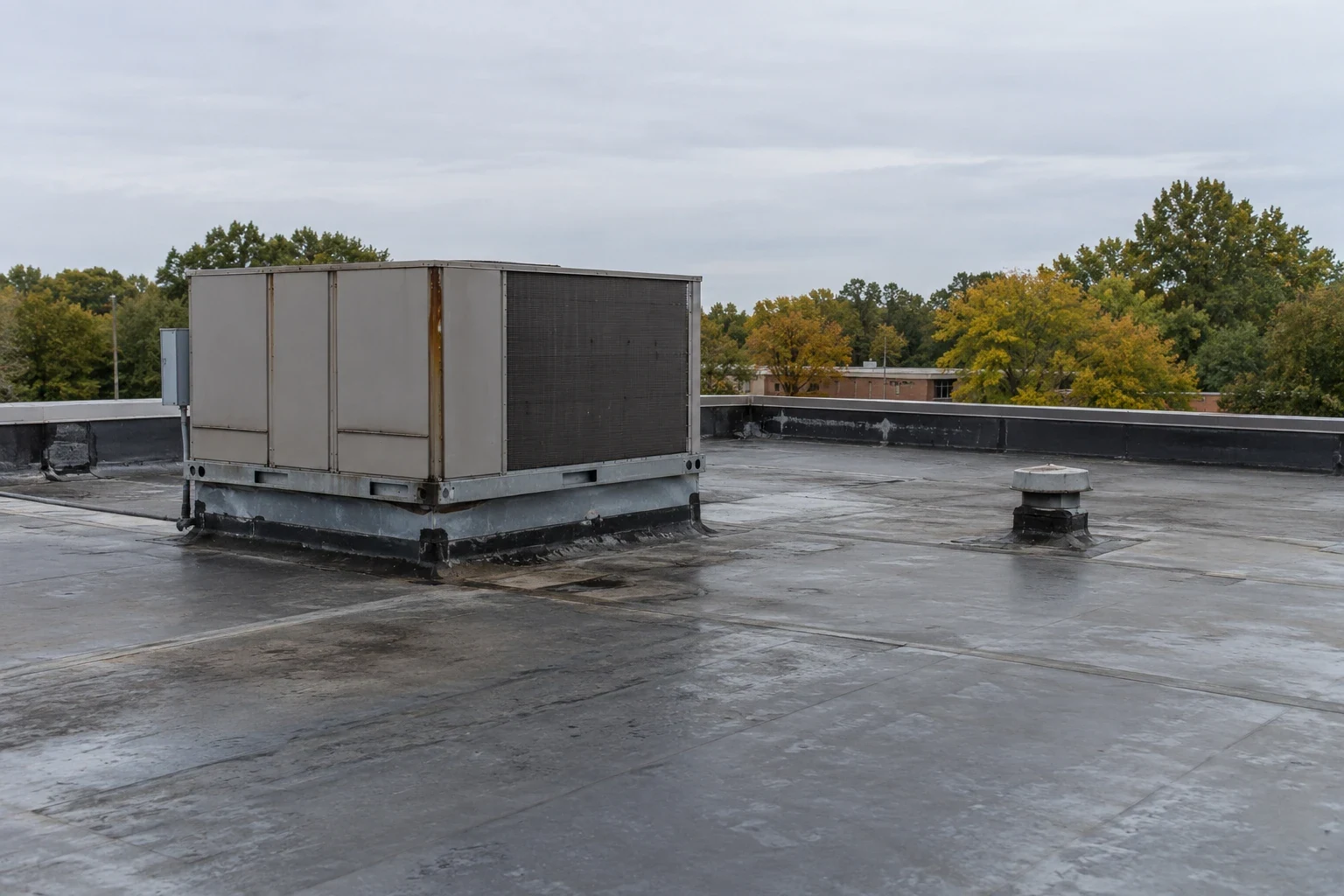
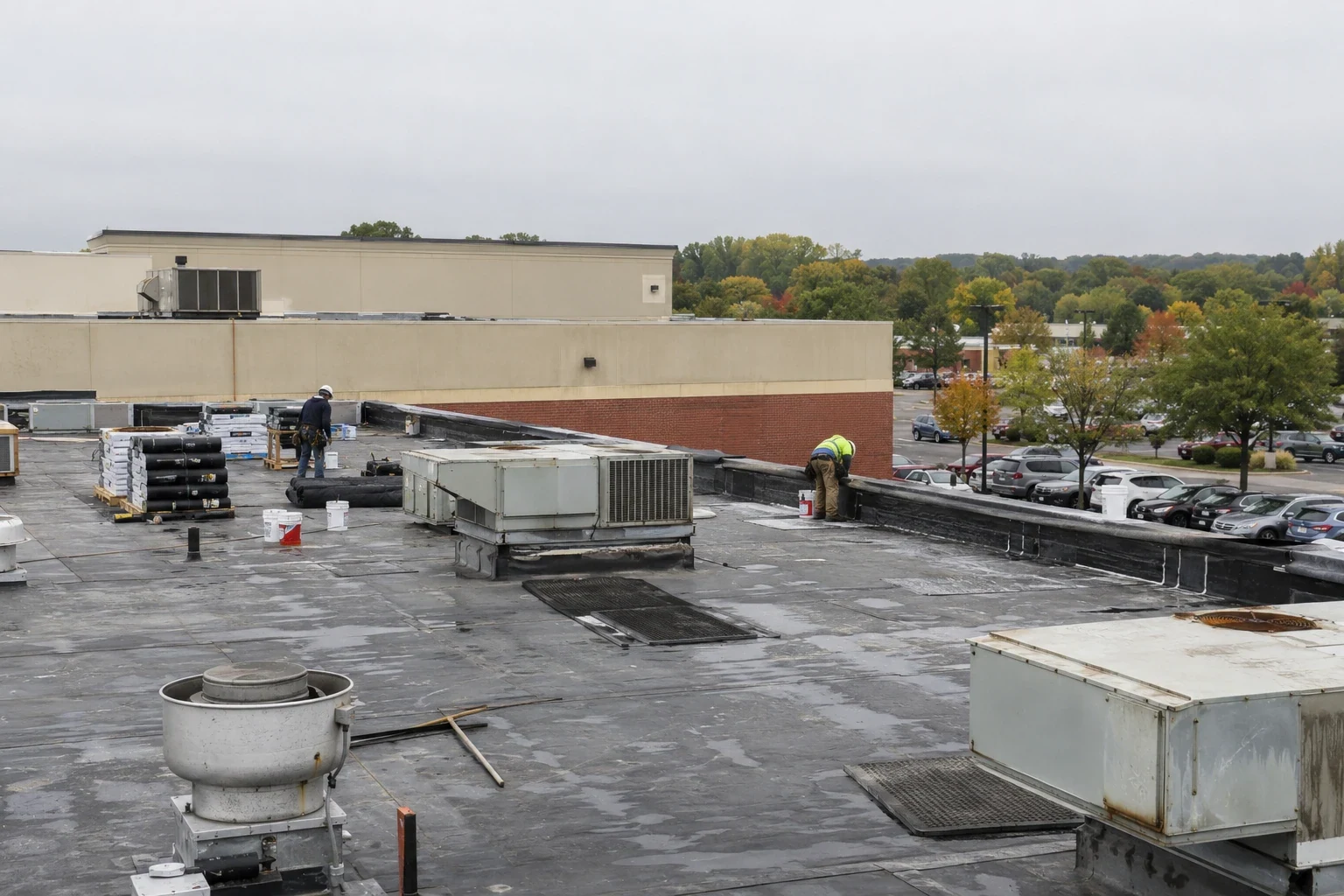
Fats and oils attack some single-ply sheets, which is why restaurants and food courts are often roofed differently from the shop next door. A membrane such as KEE is designed to resist those oils, while ordinary systems may soften, swell or lose seam strength near the exhaust. Look at the roof around every hood and grease trap discharge. Slick, dark or wrinkled membrane is a warning sign. Walkway pads under the service route keep technicians from tearing the surface, and a grease containment tray under each exhaust fan catches what the filter misses. Heavy snow around rooftop units adds weight and hides problems until the thaw, so check these areas after storms. For stores that sell food but do not cook it, the roof exposure is smaller, but the cold-case condenser and refrigeration lines still need clean, well-flashed curbs. Restaurant roofing starts at the exhaust fan, so settle the membrane choice there before you price the rest of the roof.
Ask any bidder what the roof near your exhaust is made of today, and what it will be in five years.

Set one standard and still read each building
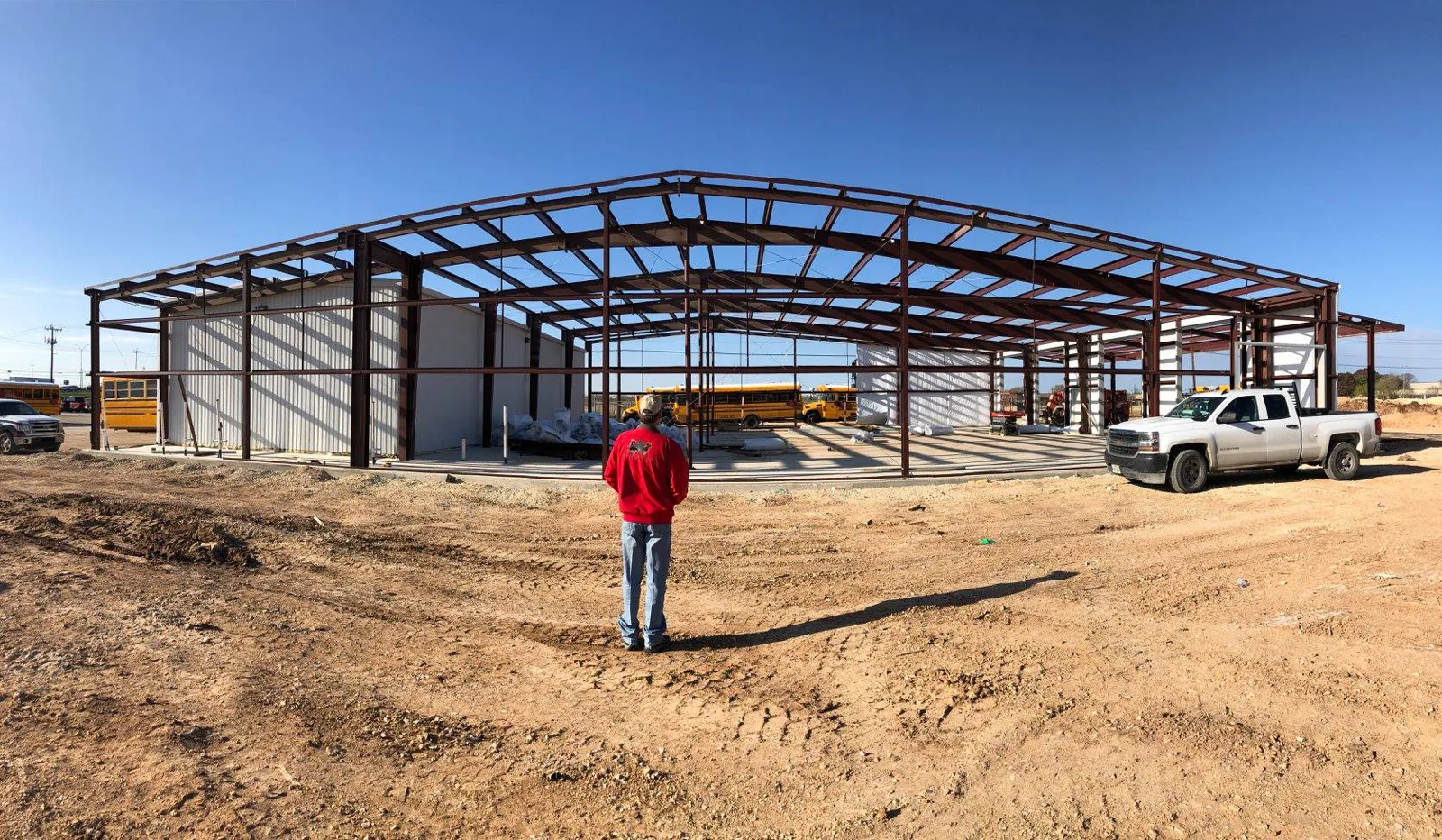
Chains like a standard spec: the same membrane, the same details, the same warranty paperwork. That is a good instinct, as long as it does not blind anyone to the actual roof. A freestanding pad site on East State Street, a unit in a plaza and a store inside an older enclosed mall have different decks, different slopes and different landlords. A full replacement at any store now answers to the 2024 Illinois energy code, so insulation thickness is part of every replacement price, and the total will vary with whatever roof is already up there. Use a multi-site roof program to standardize the reporting, the photos and the warranty file, then price each store on its own evidence. A chain-wide contract should not stop you from getting a second opinion on a single large job.
Standardize the paperwork, not the diagnosis.
Schedule roof work around the sales calendar
Retailers know that the weeks before the holidays are the worst time for anyone to be on the roof, and restaurants know their own rush periods. Membranes need dry decks and mild temperatures to bond or weld, so the working season here stretches from the spring thaw into late autumn, and the sensible window is late spring through early autumn, well before the holiday rush. Winter is for planning, testing and emergency stabilization. Store hours also matter. Hot work, fumes and loud tear-off should be kept away from open dining rooms and sales floors, and crews should arrive when the store does not need them to be quiet. A preventive maintenance program with a spring visit and a fall visit catches clogged drains and failing seams before the first heavy storm, and it keeps repair calls from landing on your best sales weekend.
Book the work early and put the dates on the store calendar.
Plan for dark stores, conversions and landlord roofs
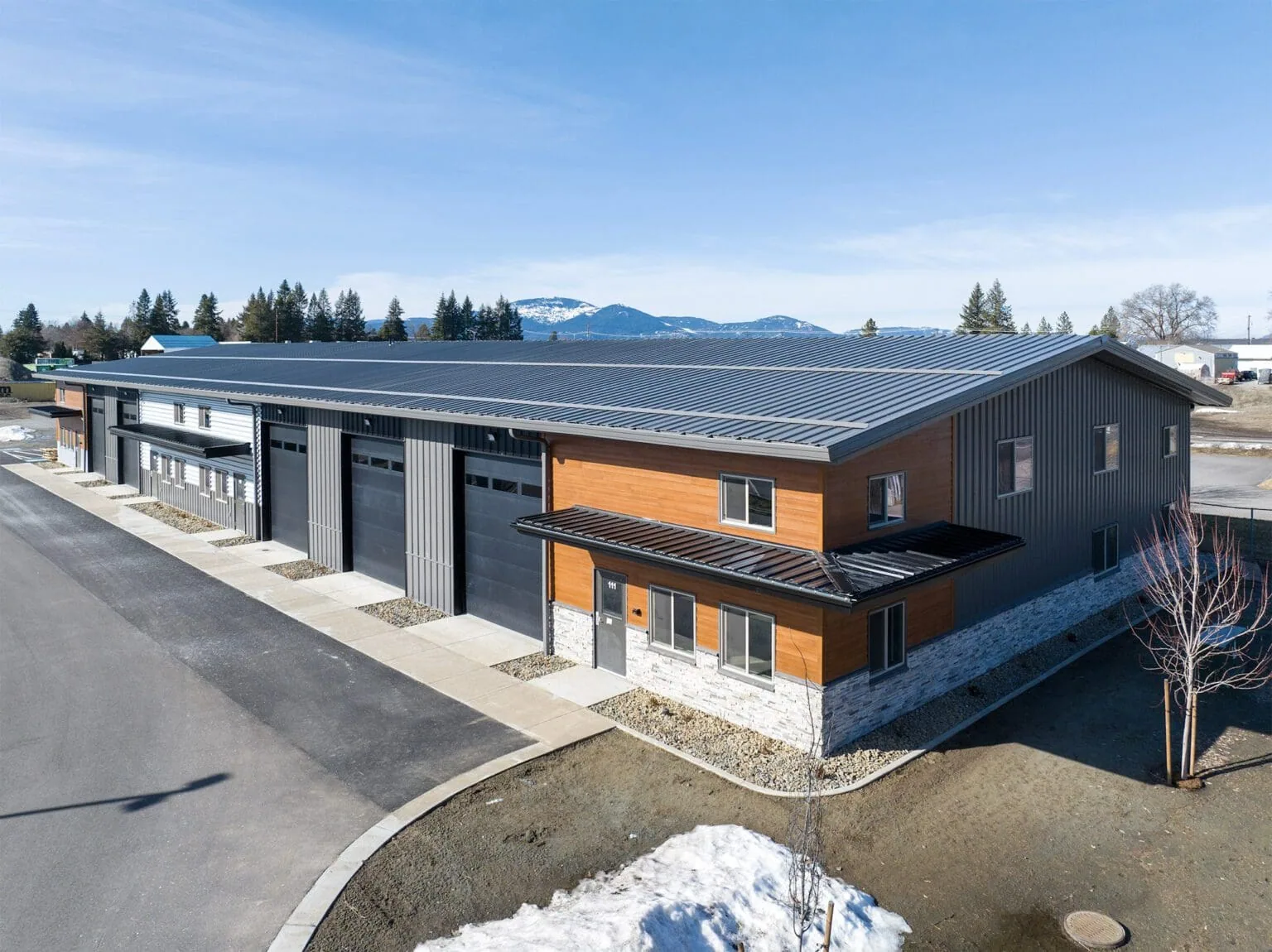
Chains open, close and move, and roofs outlast every one of those decisions. The old Kmart on East State Street, a big box of roughly 106,000 square feet, shut its doors in 2018, and a global market and food hall is now being proposed for it. A food hall means kitchen exhaust going through the roof, and every new exhaust penetration needs a curb, a flashing and a plan for grease. At Machesney Park Mall on North Second Street, a 229,988 square foot property opened in 1978, Burlington moved out in January 2025 and the center is now an open-air plaza with its large-store spaces vacant. A vacant space is a roof risk, because nobody is inside to notice water. If you hold a lease on a dark store, find out who is responsible for the roof and ask for access to inspect it. A vacant large-store space in Machesney Park or a closed box on the East State Street retail strip is exactly where an owner should ask who is checking the roof.
Landlord roofs still affect your inventory. Keep your own photographs and notes on every location, whoever owns the building.
Ask these questions before you sign a chain-wide program
Put them to each contractor in writing, and keep the replies in your vendor file.
- How is the roof around exhaust fans and grease discharge protected?
- What is the plan for tenants, customers and parking while work is under way?
- How are leak calls prioritized when several stores call at once?
- What records do we receive for each store, and in what format?
- Which stores can wait for the next dry season, and which should go first?
A chain that leases from landlords will often deal with a property management company on roof access, and a chain with a hotel or event side faces the same guest-facing roof questions that hospitality groups do.
For each store, confirm whether the landlord or operator controls roof access and emergency repair costs before a leak happens. Keep the lease, roof warranty and latest inspection together, then name the person who can approve an after-hours visit. That prevents a small leak from stalling while the store manager, property owner and facilities team sort out responsibility.
Questions Owners Ask
Why does the roof over our kitchen fail sooner than the rest?
Grease, heat and vibration all concentrate there. Exhaust air carries oils that soften many membranes, and the curb around the fan is full of seams. A membrane built for oils and a clean, well-flashed curb slow the damage.
Can we reroof one store without closing it?
Usually, with phased work. The crew opens one section at a time, seals it before leaving, and keeps noise and fumes away from the dining room or sales floor. Schedule the loud work for hours when the store is quiet.
How should we handle a leak at a store we do not own?
Report it to the landlord in writing right away, with photos and dates. Then check your lease for who pays and who has access. If the landlord is slow, document the delay, since that record can matter later.
What does a roof report give a multi-store operator?
One page per store with photos, condition, drain status, and repair and replacement prices. Stacked together, those pages become a capital plan the finance team can approve with confidence.
Are coatings a good fit for older store roofs?
Sometimes, on sound, dry roofs. A coating can extend life at lower cost than replacement, but wet insulation or failed seams under it will keep leaking. Test the roof before choosing a coating.