Drone Roof Inspection in Rockford, IL
Drone roof inspections in Rockford, IL for large and hard-to-reach commercial roofs, with labeled images, defect maps and honest next steps.
Drone Roof Inspection
Drone Roof Inspection
Rockford, IL
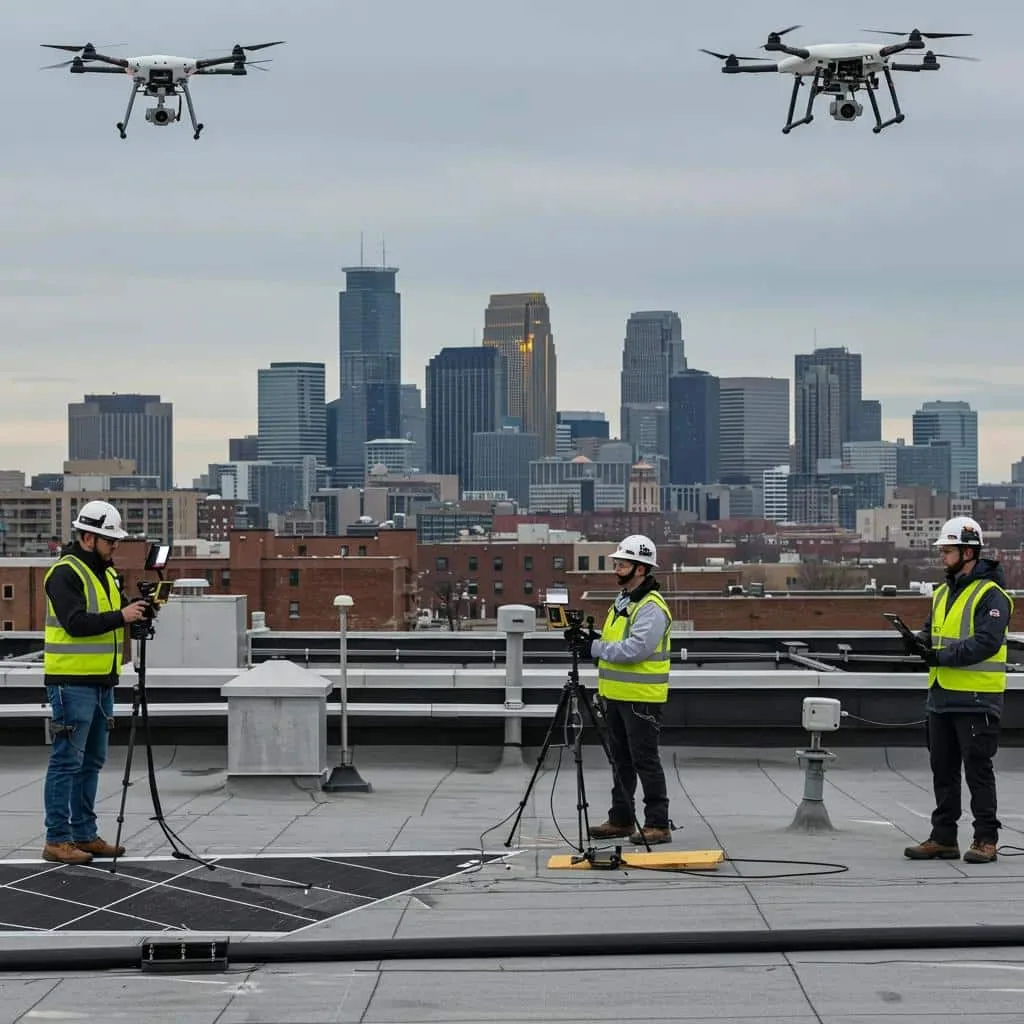
Snow sits on a big Rockford roof for weeks, and once it clears nobody wants to walk acre after acre of wet membrane to find out what happened underneath. That is the job for a drone. A camera that flies over the roof can cover a huge area in a fraction of the time, without putting a person on a surface that may be slick, soft or unsafe. It will not replace a hand on the seam. It will tell you where the hand needs to go. For owners of large plants, warehouses and cargo buildings in Rockford, IL, that sorting step saves money, because the crew spends its time on the parts of the roof that actually have a problem.
Use drone imaging to find the problems. Use boots on the roof to confirm and fix them.
Decide where a drone beats a ladder
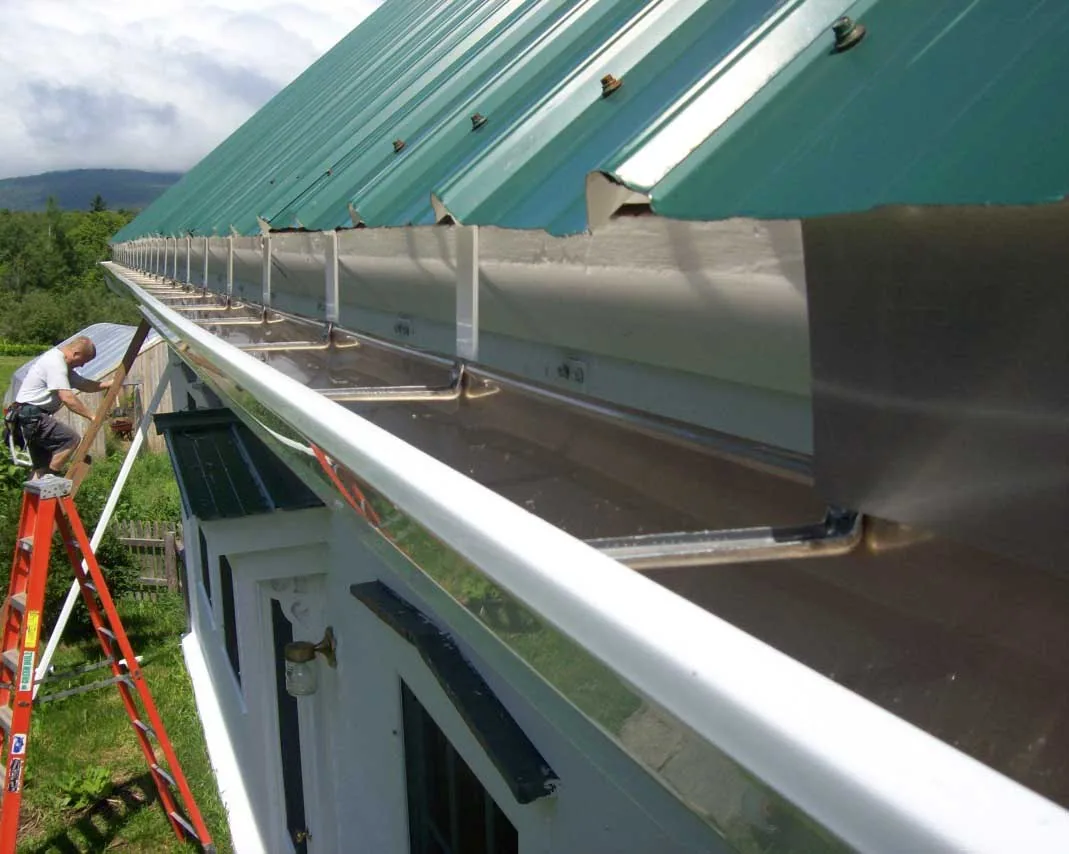
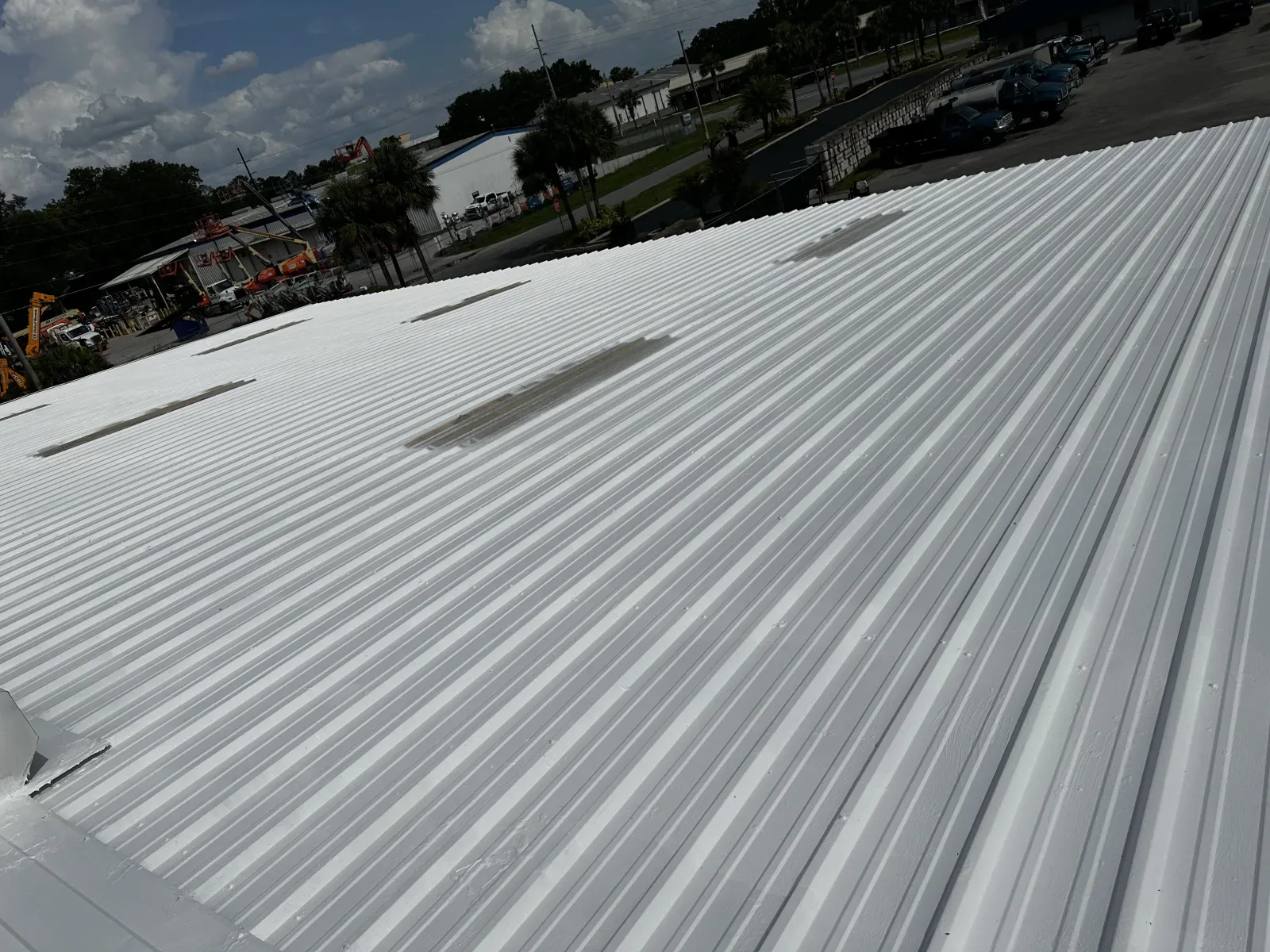
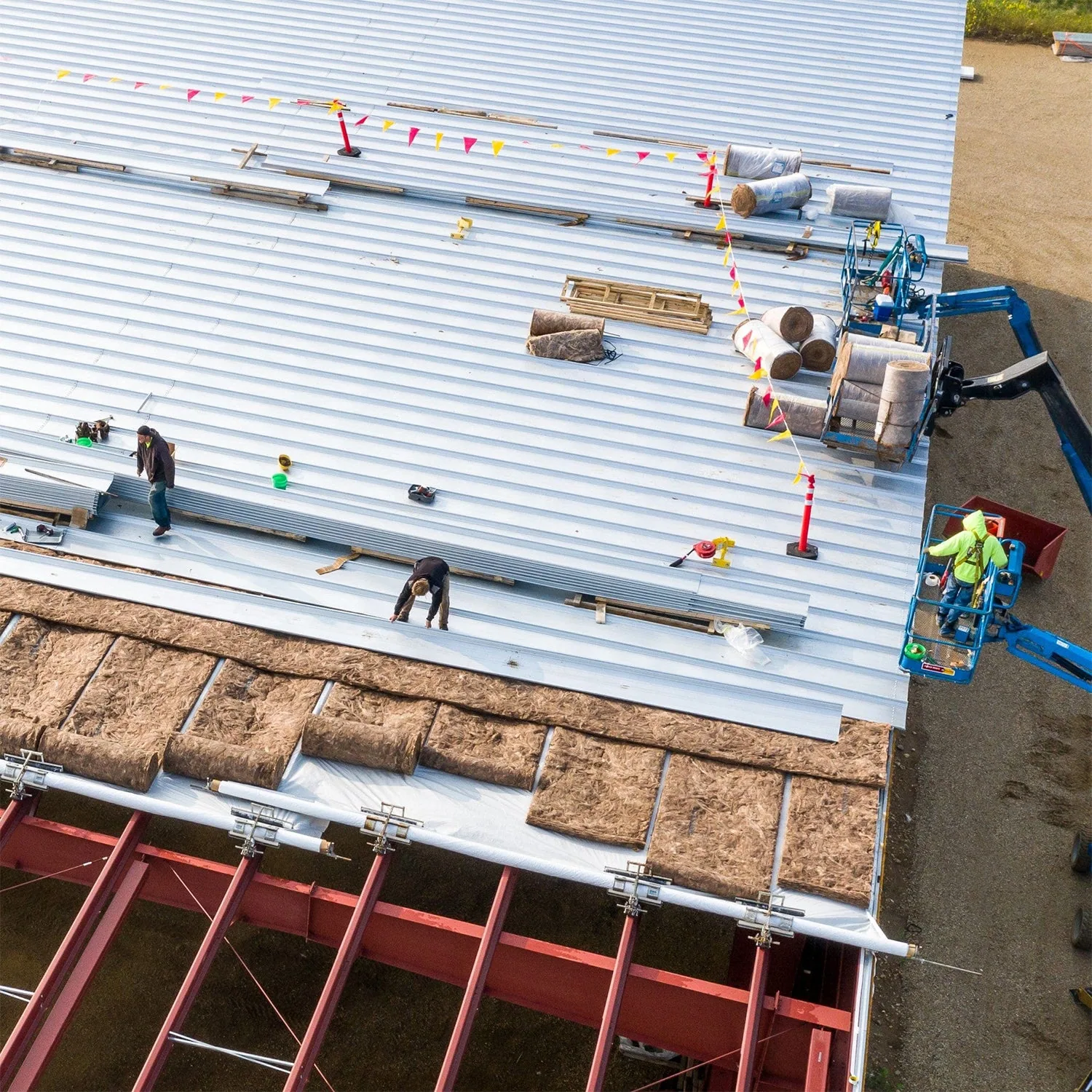
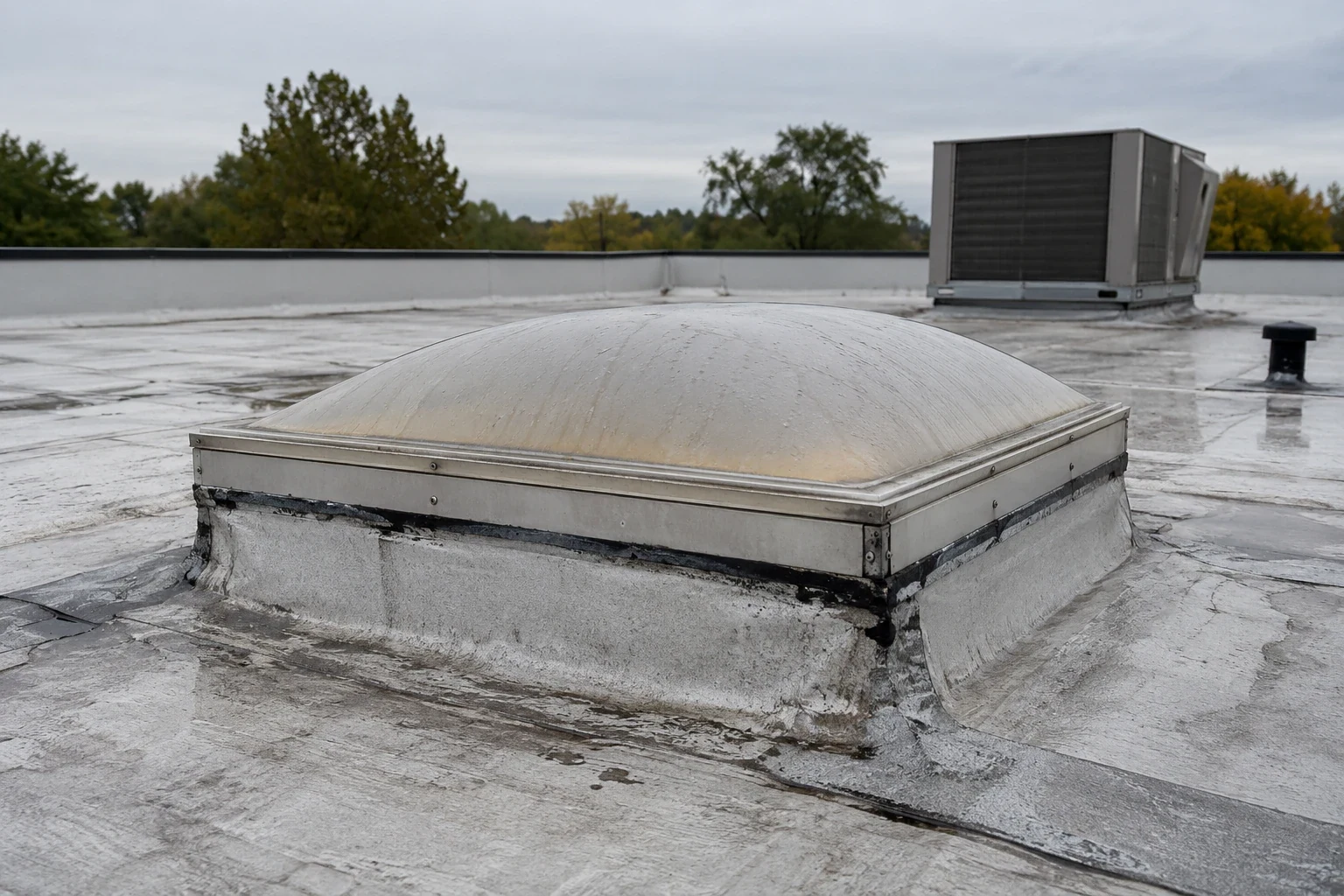
Drones make the most sense on roofs that are large, steep, fragile, crowded with equipment or hard to reach. Roofs with skylights, old fiberglass panels or deteriorated decks can be dangerous to walk, and a drone gets a look at them without anyone stepping on them. Tall buildings and parapet walls that hide the roof surface from the ground can be photographed from above. Standing seam and other metal roofs, with long runs of panel and many fasteners, are easier to survey from the air first. On small, simple, flat roofs, an ordinary walk is quicker and gives you a better answer.
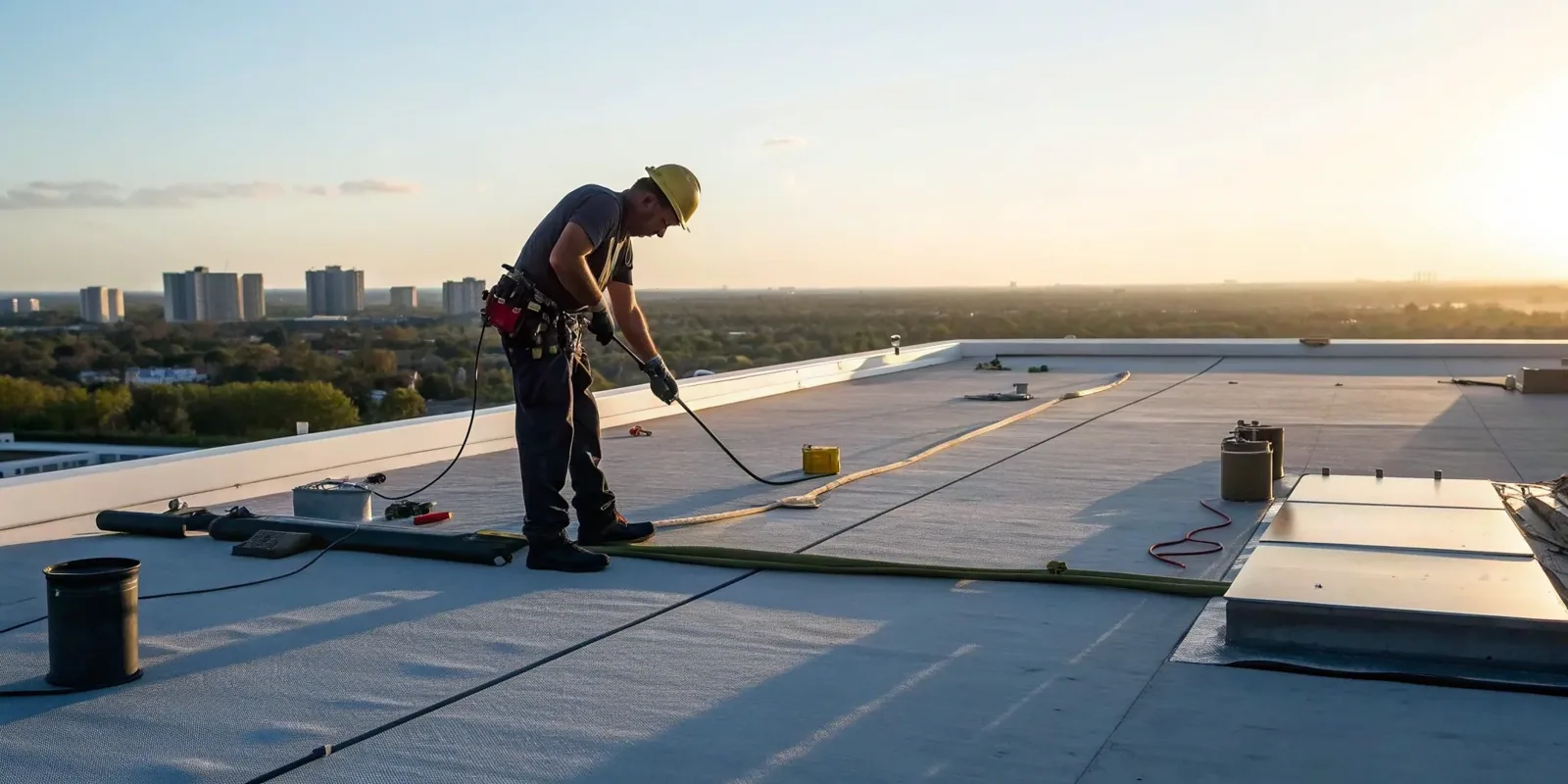
We combine methods when it helps. A hands-on commercial roof inspection is still the foundation, and the drone adds speed, reach and a full photographic record.
The record has a second use. Photographs taken from the same flight path each year let you compare the roof against itself. A seam that looked tight last spring and shows a shadow line this spring is a seam to watch. A patch that has grown, a stain that has spread or a ponding area that is wider than before tells you how fast the roof is changing, which is the information you need to budget for repair or replacement years ahead instead of in a panic.
Read what winter and storms left on the roof
The weather around Rockford leaves a recognizable pattern on a roof. Freeze-thaw cycling, with about 134 freezing days a year, opens seams and lifts flashing. Hail, such as the 1 to 1.25 inch stones near Rockton on November 10, 2020, leaves bruises and punctures. High wind lifts edge metal and peels membrane from the perimeter first. From the air, we can see ponding stains, discolored patches, lifted laps, debris and displaced equipment all at once, laid out across the roof. Overhead images also show drainage paths, which tells you where water goes when it rains and where it sits.
After a storm, a drone flight can document damage quickly for you and for your insurer, before the weather changes or the evidence is cleaned up.
Pay only for the imaging you need
Drone work should save you money, not add a line to the bill. Ask what you will get: high-resolution photographs tied to roof locations, a map of defects, and in some cases thermal images that point to wet areas. Ask whether the flight is part of a larger inspection or priced alone, and how long the report takes. An infrared moisture survey can be done from the air or on the roof, but a core cut is still the proof. Do not accept a pile of unlabeled pictures. Every image should tell you where it was taken and what it shows.
- Photographs tied to a roof plan.
- A defect map ranked by urgency.
- Thermal imagery, where useful, for moisture screening.
- A recommendation for what to confirm on foot.
Ask about access, airspace and safety
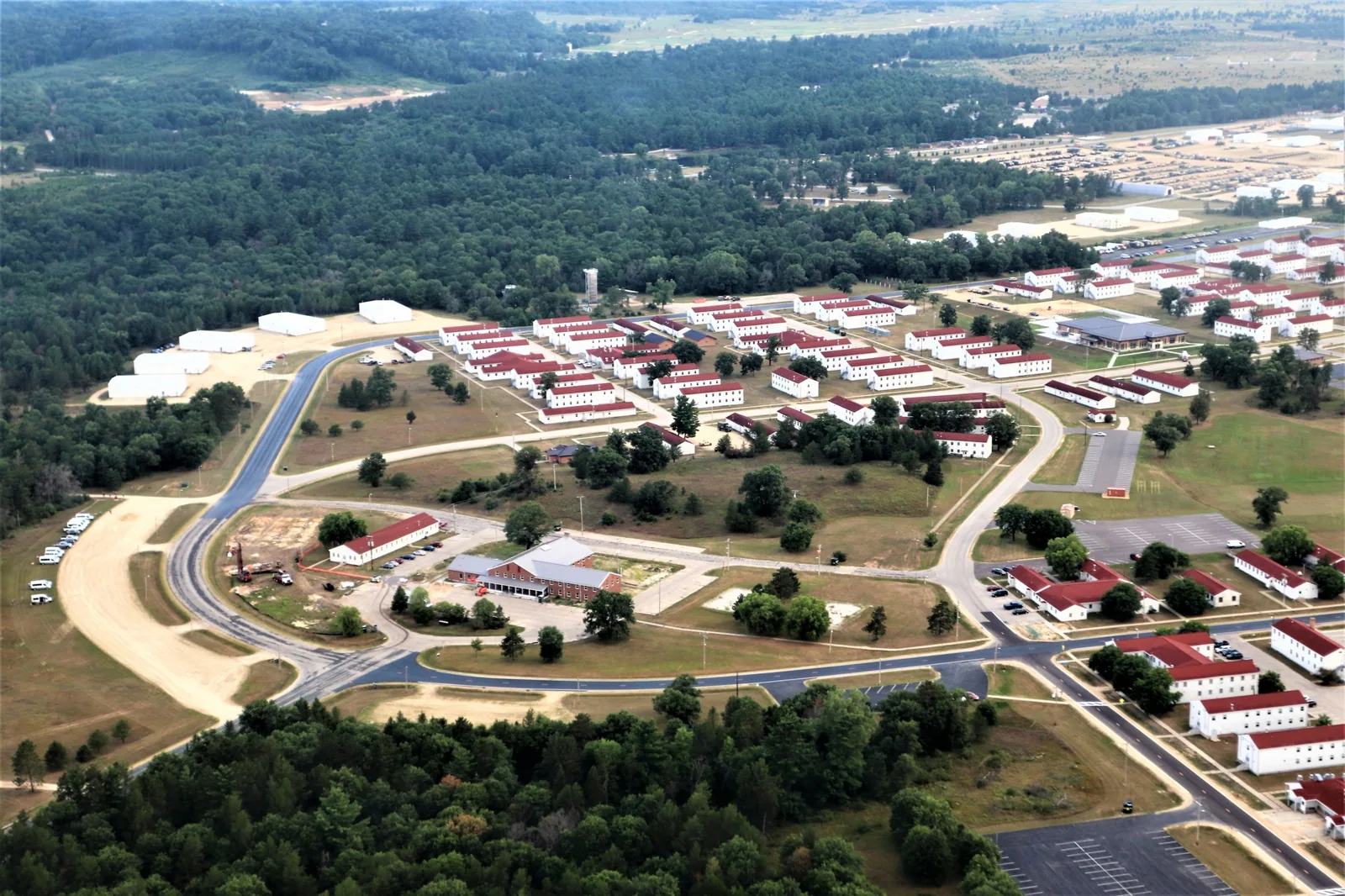
Flying over a building takes planning. Near an airport, flights may need airspace authorization, and Chicago Rockford International Airport ranks among the busiest U.S. cargo airports, with a 10,002 foot runway that handles large freighters. A roof near the airport is not a place to improvise. A large plant, such as the 5.3 million square foot Belvidere Assembly Plant in Belvidere, can add its own rules on site access, escorts and restricted areas. Ask any provider how they handle permission, insurance and safety, and ask to see how they will schedule around your operation.
We operate under the aviation rules that apply to each site, and we plan the flight with your facility team before the drone leaves the case.
Fly when the roof tells the truth
Conditions change what the camera sees. A dry, clear day gives the best photographs. Thermal imaging works best after a sunny day, when wet insulation holds heat longer than dry insulation, and the scan is often done in the evening. Snow and ice hide defects, so the best winter plan is to wait for a thaw or schedule the flight for spring. Wind limits flights, and rain stops them. If you have an active leak, do not wait for ideal conditions. Call for commercial roof leak repair, and we will use the imaging to guide the repair instead of delaying it.
Plan for the report as well as the flight. Processing the images, labeling the defects and writing the summary takes real time, and a rushed report is a weak one. Give us your decision date, whether that is a budget meeting, a lease renewal or a purchase closing, and we will work backward from it so the findings arrive when you need them.
Owners of manufacturing plants and distribution centers can plan imaging around shutdowns and shipping seasons, and we will plan with you.
A drone flight is most useful when it answers a defined question: whether a parapet cap has lifted, whether a large roof has ponding zones, or whether equipment screens hide a transition. Agree on flight boundaries and photo labels before launch. The operator should return views that can be matched to roof zones and compared with a later visit, not an unorganized gallery. Close the loop by walking any suspected defect from the roof surface and recording whether it needs repair, monitoring or a closer test.
Questions Owners Ask
Does a drone replace a roof walk?
No. A drone finds problem areas quickly and documents them. A person on the roof confirms them, probes seams and checks the details. We use both when the roof warrants it.
Can a drone find wet insulation?
A thermal camera can show temperature differences that suggest moisture. Those patterns point to places worth testing. A core cut is what proves the insulation is actually wet.
What kinds of roofs suit drone inspection?
Large, steep, fragile or crowded roofs, and anything unsafe to walk. Metal panels and big industrial roofs benefit most. Small flat roofs are often quicker on foot.
How long does a flight take?
Most roofs take a fraction of the time a walk would. Planning, processing and the written report take longer than the flight itself, and we will tell you the timeline up front.
Do you need permission to fly near an airport?
Often, yes. Airspace near RFD can require authorization, and plants and bases may have their own rules. We handle the approvals and coordinate with your facility team before any flight.
What will I get afterward?
A set of labeled photographs, a defect map and a plain summary of what to fix and in what order. The images are yours, and you can share them with an insurer or another contractor.