
Roof Asset Management in Rockford, IL
Track every commercial roof you own in Rockford, IL with one condition record, honest remaining-life ratings and repair history that guides your spending.
Roof Asset Management

Roof Asset Management
Rockford, IL
Spring is when a portfolio owner finds out which roofs lost the winter. A typical year in Rockford, IL stacks about 134 days at or below freezing and roughly a dozen days below zero on top of a snow load that sits on the deck until the thaw, and every cycle of that pries a little at seams, flashings and copings. A roof that looked sound in October can hide a wet patch of insulation by the first week of March. One building is easy to keep in your head. Eight or twelve are not, and the roof nobody wrote down is usually the one that leaks first.
Roof asset management treats each membrane as the piece of equipment it is, with one record, one condition rating, one remaining-life estimate and one repair history. It tells you where spending does the most good, and it will often tell you to leave a roof alone. We will build that record and read it back to you in plain words.
Start with one honest record for every roof
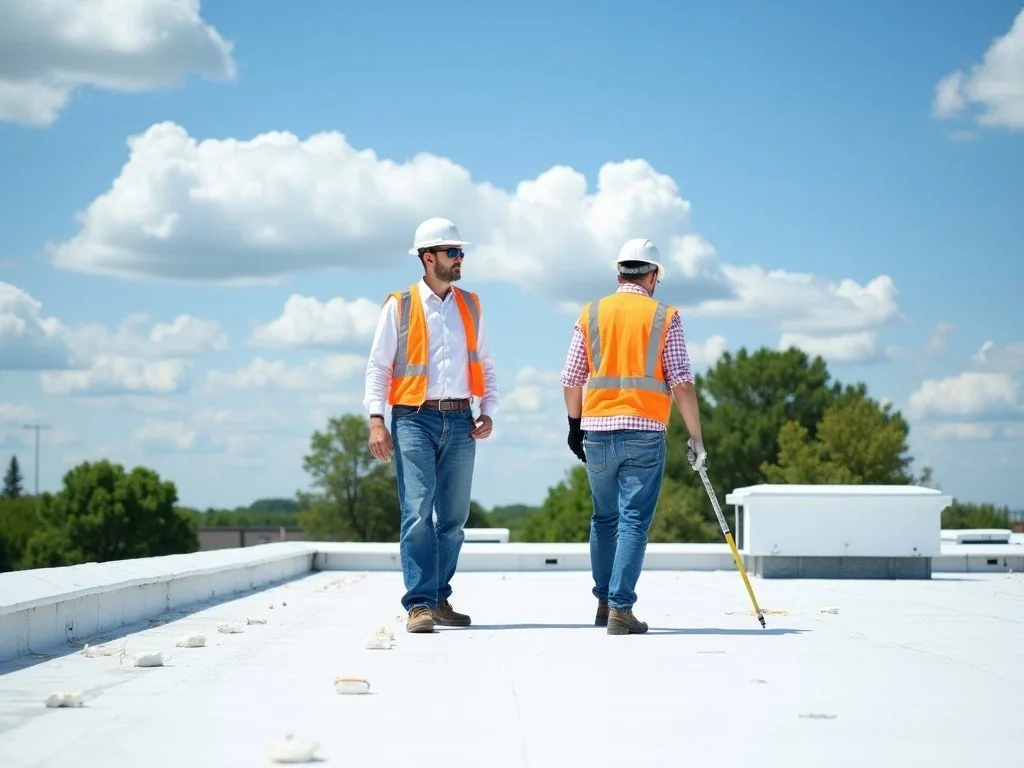
The record begins with a walk, not a spreadsheet. We record the membrane type, the approximate age, what sits under it, how many penetrations and rooftop units it carries, and how the drains and scuppers are laid out. We photograph the seams, the flashings, the edge metal and every spot where water stands more than a day after rain. Anything you already own, such as old drawings, warranty papers or invoices from past repairs, goes in the same file so the history stops living in a single person's memory.
Where a roof has leaked or is about to be priced for work, add an infrared moisture survey and a few core cuts. Those two tests show whether the insulation is dry, which decides whether a roof is worth repairing at all. Do not pay for a replacement on a rating that nobody checked.
Log every storm against the roof it hit
Damage ages quietly, so the record has to carry weather as well as repairs. The November 10, 2020 storm put hail of about an inch on Roscoe and Rockton, with estimates near 1.25 inches around Rockton, and a 73 mph gust at Winnebago. Straight-line winds of up to 70 mph rode along with the EF-1 tornado that caused damage near Sinnissippi Golf Course on March 31, 2023. A building under one of those paths needs a dated entry that says what was inspected afterward and what was found.
That entry matters later, when you argue a claim or when a buyer asks why a membrane aged faster than its neighbors. Keep it dated, photographed and boring. A clean log wins more arguments than anyone's memory of what happened.
Rank the roofs by what failure costs you
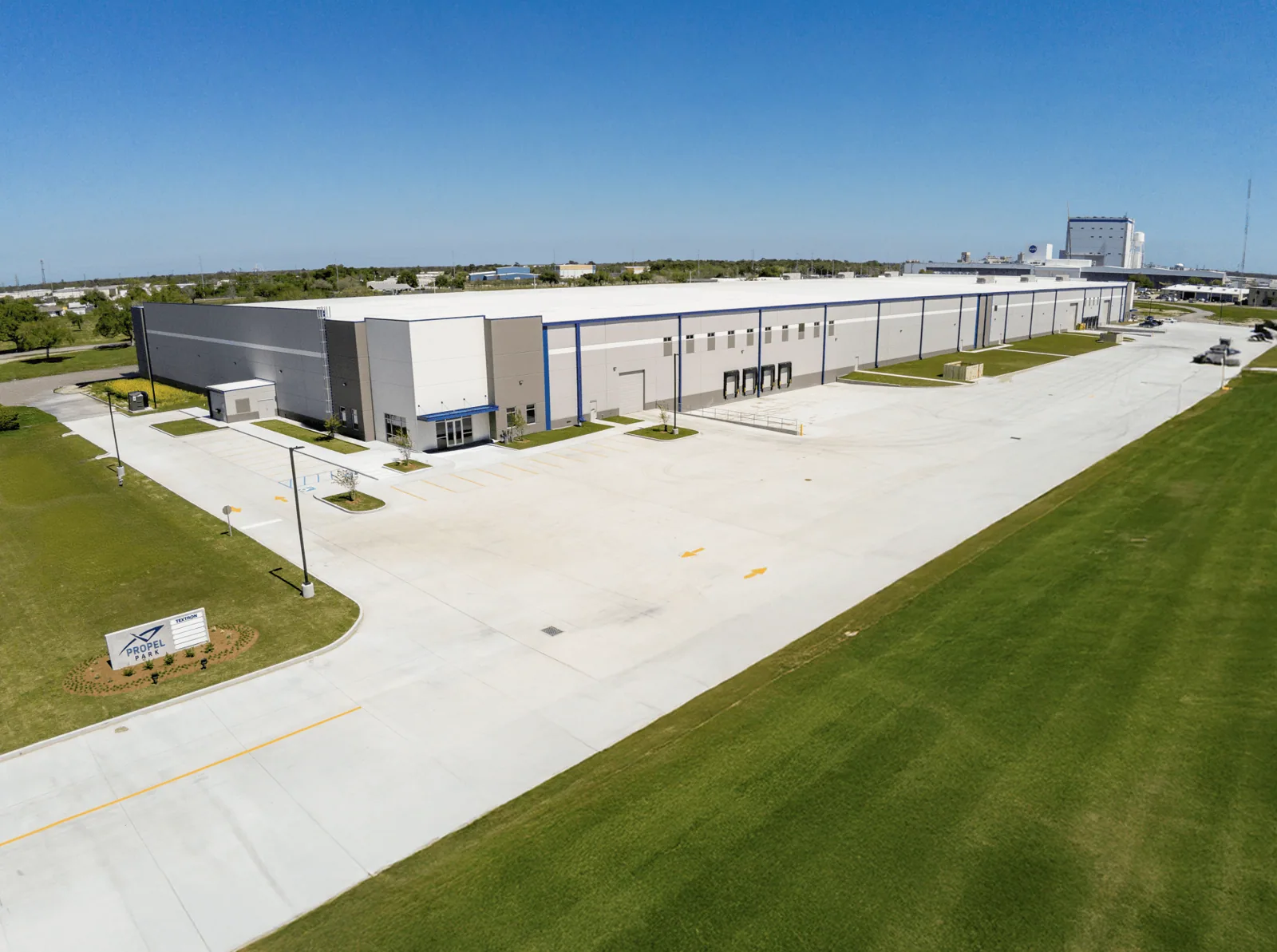
Square footage is a poor way to decide what gets attention first. The cargo terminals and the roughly 200,000 square foot AAR aircraft maintenance facility at Chicago Rockford International Airport sit over freight and aircraft work that cannot afford water, and the same goes for the Javon Bea Hospital-Riverside campus along Riverside Boulevard. A strip center on North Second Street in Machesney Park matters in a different way, because a leak there costs you a tenant relationship before it costs you a ceiling tile.
Give each roof two numbers, one for physical condition and one for the damage a leak would do inside. A tired roof over a storage bay can wait another winter. A fair roof over a server room or an operating suite cannot. Spend in that order, and you stop paying emergency rates on buildings that gave you plenty of warning.
Keep the file alive after the first walk
A record that is not updated turns into a pretty folder of old photographs. Walk each roof twice a year, once in spring after the thaw and once in fall before the first hard freeze, and add a visit after any storm that carries hail or wind into your corner of the county. Those visits are the core of a preventive maintenance program, and they keep small defects from growing into leaks. Each visit should update the file with:
- New photographs of every flagged seam, flashing and drain
- Any repair made, by whom and at what price
- A change in the condition rating, up or down, with the reason
- Any ponding, debris or foot traffic damage from other trades
Once the file is a year old, you can see which roofs are drifting and which are stable, and you can plan replacement years ahead instead of in a panic.
Ask who owns the data before you sign
Any firm can offer to track your roofs. Before you sign anything, ask whether the files, photographs and ratings belong to you and whether you can walk away with them. Ask how condition ratings are set, who walks the roof, and whether the same person returns each season. Ask how the program feeds into capital planning and whether repair prices come with a replacement price beside them, so you can judge the right call yourself.
Be wary of a program that rates every roof as urgent, and equally wary of one that never recommends anything. A fair record gives you a short list of roofs to act on, a longer list to watch, and the reasoning behind each choice written where you can check it. A dated condition report connects each rating to photos, tests, and the next decision.
When ownership changes or staff rotate, roof records often lose the context that makes them useful. Keep the roof plan, warranty, closeout photos, repair invoices and inspection dates together, with each document tied to a roof zone. For properties around Downtown Rockford and the North Main Corridor, that discipline can help a manager distinguish recurring water entry from a newly observed defect. A current log also makes it easier to brief a lender, buyer or contractor without relying on a former employee's memory.
Questions Owners Ask
How many roofs do I need before a formal record makes sense?
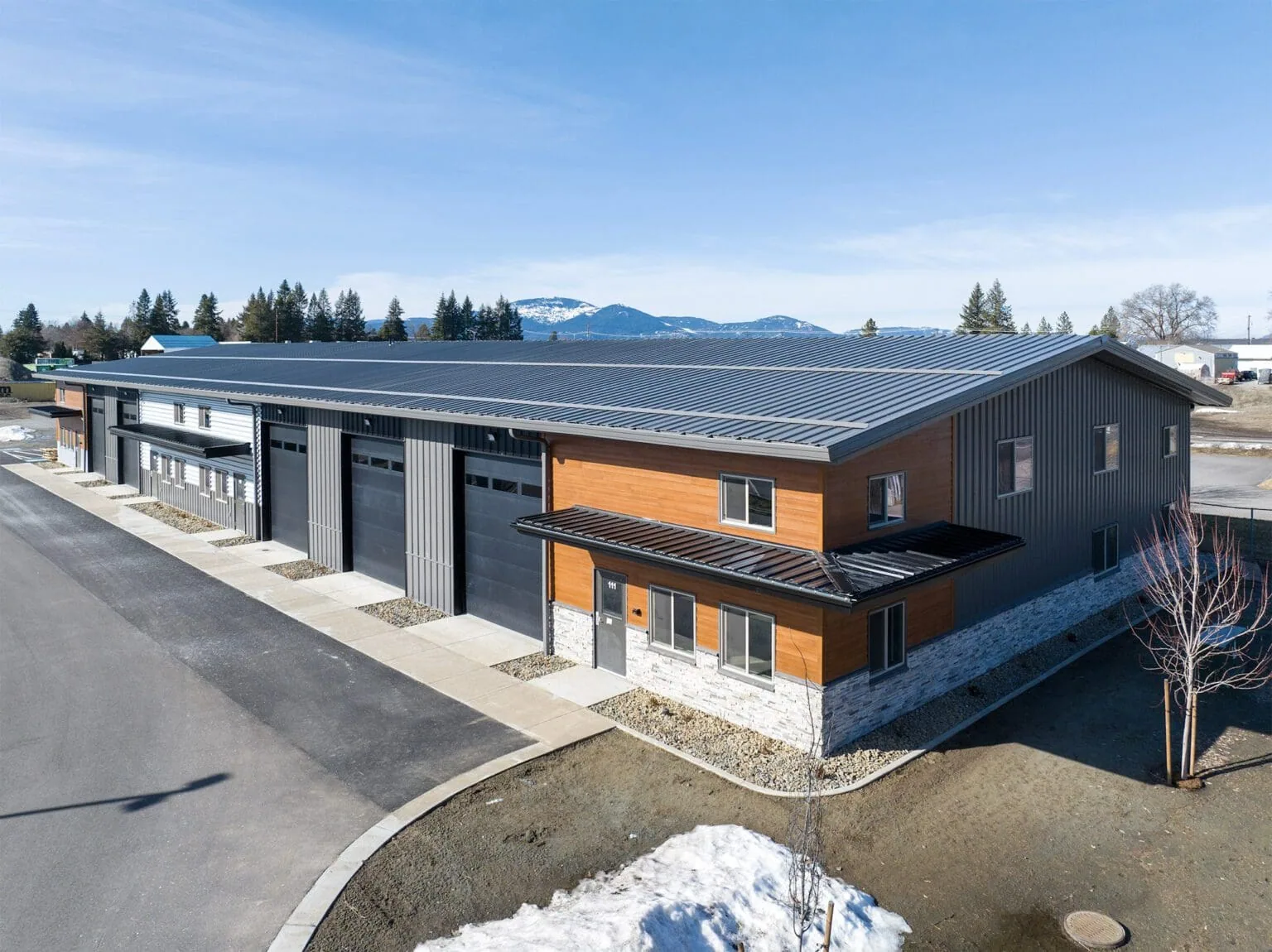
Two or three is enough if the buildings have different ages or different leak histories. The value is not in the size of the portfolio, it is in knowing which roof to fix first. Owners with a single large plant, such as a building the size of the Comer Industries hub on Windsor Road in Loves Park, benefit from tracking separate roof sections the same way.
What does the first condition survey actually include?
A full walk of every roof, photographs of each defect, a note of the membrane, insulation and drainage, and a rating with an estimate of remaining life. Where leaks or doubt exist, we add moisture imaging and core cuts. You receive the findings in writing and may use them with any contractor.
Can my in-house maintenance staff keep the record up to date?
Often they can, for photographs and drain checks. Ratings and remaining-life estimates are better set by someone who reads membranes for a living. We can train your staff on what to photograph and flag, then review the file twice a year so the numbers stay honest.
Will tracking my roofs lead to more repair bills?
It should lead to fewer surprises and better-timed ones. A record shows which defects are cosmetic and which are letting water into the insulation. Plenty of roofs end up with a note that says watch it, and a price for the repair beside the price for replacement lets you decide.
What happens to the record if I sell a building?
It becomes part of your sale package, and a documented roof history takes an easy bargaining point away from the buyer. Dated photographs, repair invoices and a recent condition report answer the questions a lender or buyer's inspector would otherwise raise at the closing table.