

Commercial Roofing in Dixon, IL
Commercial roof repair and replacement in Dixon, IL for medical, manufacturing and public buildings that cannot shut down, with fair pricing explained up front.
Dixon

Dixon
Rockford, IL
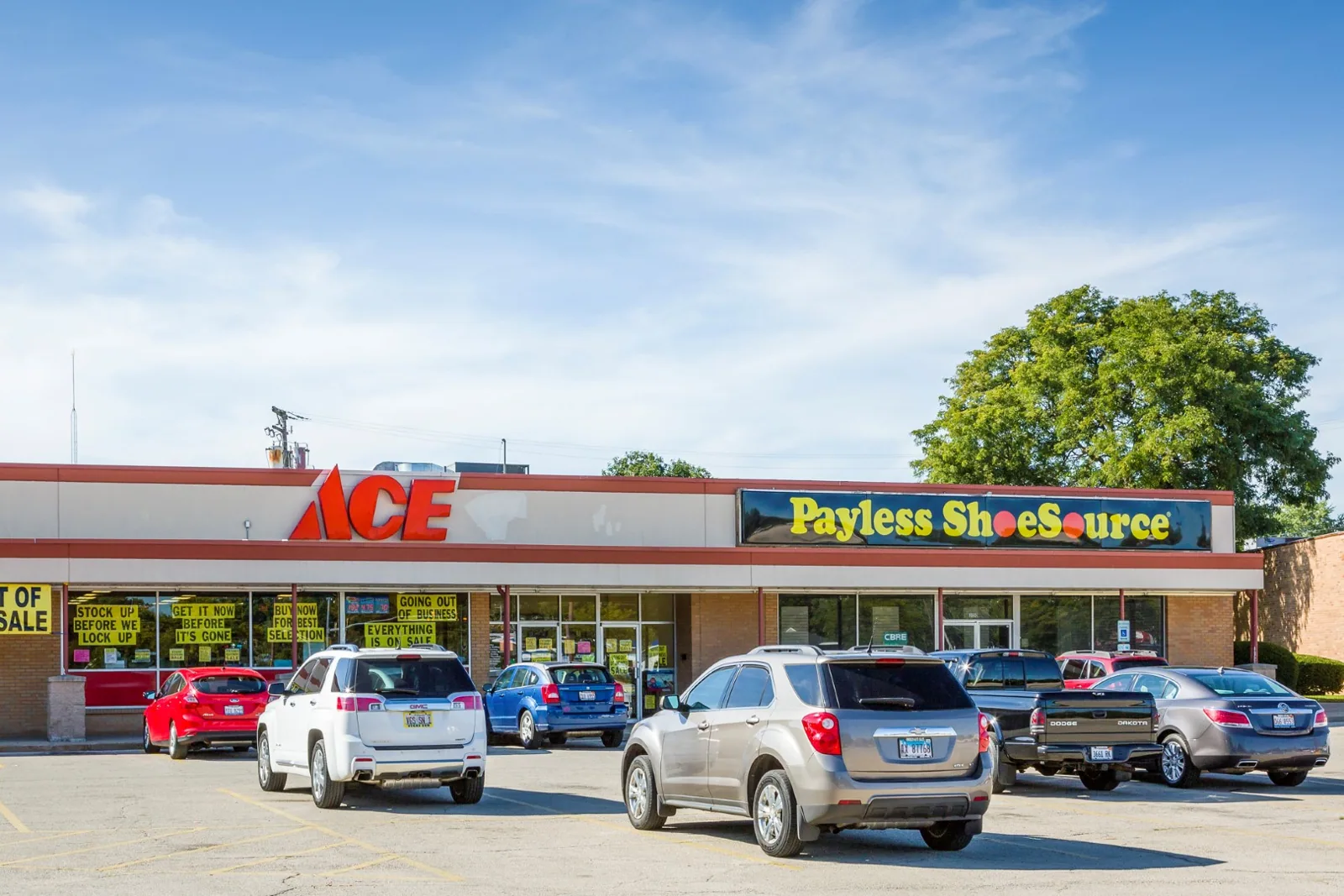
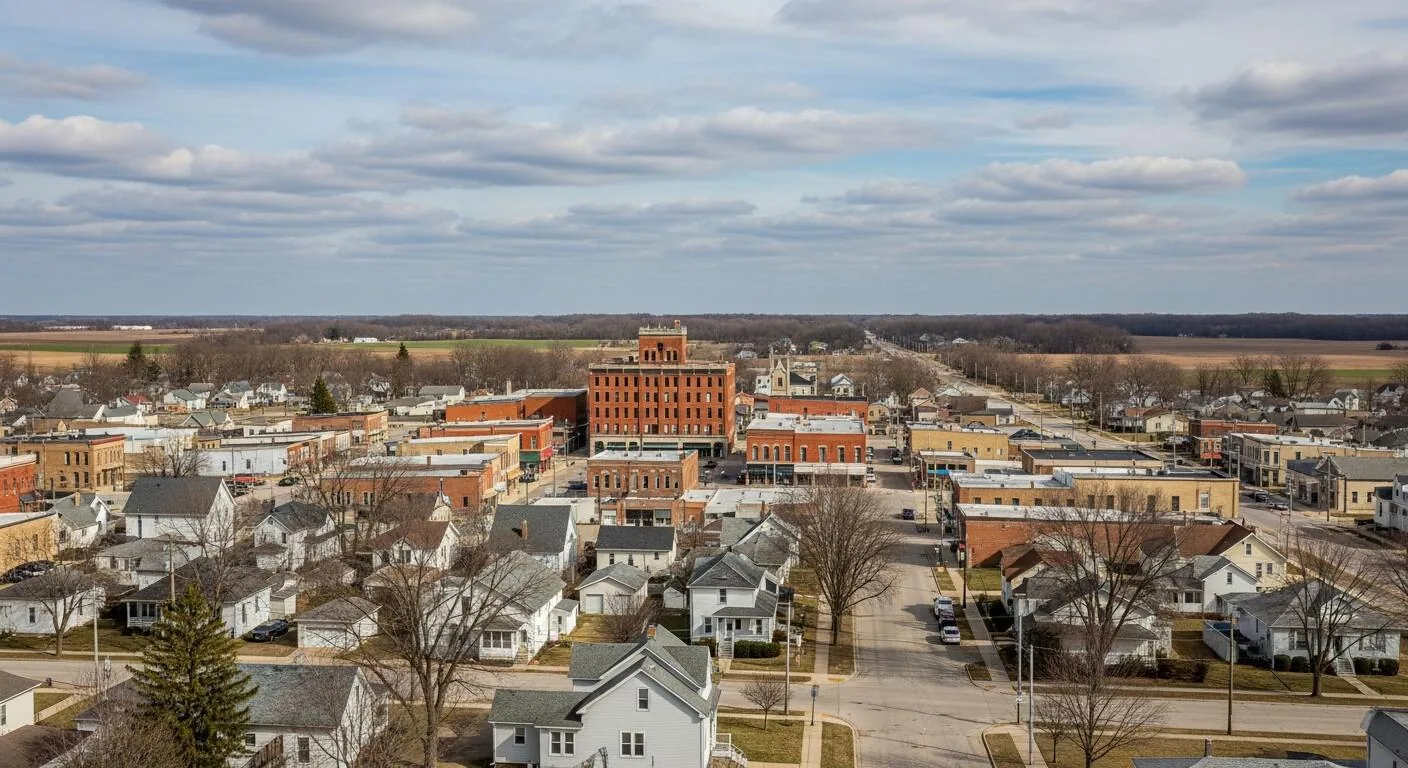
Ice does its worst work on a roof that cannot close for the night, and in Dixon, IL that describes the medical center and the correctional center. OSF Saint Katharine Medical Center employs nearly 1,000 people and Dixon Correctional Center more than 600, and manufacturers Raynor Garage Doors, Donaldson and BorgWarner are among the town's large employers too. Rockford counts about 134 days a year at or below freezing, and a northern Illinois winter like that, with the snow that piles on a flat roof, puts steady strain on membranes, seams and flashings over spaces where a leak is a real problem and not just a stain. The Rock River runs through the center of town, and spring rain follows the melt, so water tends to find any weak point in short order.
If you own or run one of these buildings, get the roof checked while it is dry and quiet, and ask what is worth repairing before anyone talks about replacing.
Ask how a crew works above a building that never closes
Roof work on a hospital or a secure facility is a different job from roof work on an empty shed. Patients, staff and operations continue below, and the roofer has to plan around noise, dust, odors, access routes and sometimes security screening. Ask each bidder to describe, in plain terms, how they will stage materials, where they will lift them, how they will keep work areas separate from the building's air intakes and what they will do if a storm arrives with a section of old roof open.
For a medical building, ask whether the crew can schedule louder tasks for times that suit the department below them. For a facility with controlled entry, ask who the crew will need to be cleared by and how long that takes. Answers should be specific. If a bidder talks in generalities, assume the plan is still unwritten. Good occupied building reroofing starts with exactly these questions, because a plan you can read in advance is a plan you can hold people to.
Follow the melt to the roof edges and the river-valley rain
A thaw on a large roof sends water to the edges and the drains, and in a river town like Dixon the spring rain that comes behind it adds to the load. Gutters, scuppers and internal drains need to be clear before the first rain on frozen ground, because a drain that is iced or packed with debris holds a pool of water over the membrane. Rockford found the limit in July 2024, when a 200-year flood overwhelmed the city's stormwater systems: a roof drain only works if the water below it has somewhere to go.
Walk the roof after the first thaw and check every drain, scupper and gutter run, along with the edge metal and the sealant at coping joints. Water that backs up behind a clogged scupper does more harm in a week than normal rain does in a year. A simple drain and scupper cleaning and repair visit before the wet season is among the cheapest ways to protect a building you cannot afford to have leak.
Match the membrane to what the plant puts on the roof
Factory roofs collect more than rain. Exhaust stacks, process vents and rooftop units can put grease, oil, heat and chemical vapors on the membrane, and some roofing materials handle that better than others. A production building may vent something the membrane does not tolerate, and a roofer who proposes the cheapest sheet without asking what comes out of the stacks is not looking out for you. Ask what the membrane is rated to resist, and ask how the roof around each exhaust will be protected.
For many industrial roofs, a heat-welded PVC membrane is worth pricing next to TPO and EPDM because of how it stands up to grease and chemical exposure. That does not make it right for every roof, and a fair contractor will say so. Request a recommendation in writing, with the reason, and with the repair option priced beside it. Then you can compare options instead of accepting the first idea.

Put the repair price next to the replacement price
Too many owners get one visit and one quote, and the quote is for a full tear-off. That may be correct. It may also be the most expensive way to solve a leak that sits in two seams and a flashing. Insist on seeing both numbers, with the evidence behind each. Ask to see the cores, the moisture readings and the photos, and ask what the roof would need in five years if you only repaired it today. A reasonable contractor can answer without flinching.
If the roof does need replacing, ask for the scope in writing: the insulation thickness, the cover board, the edge metal, the flashing details and the unit price for wet insulation found at tear-off. An infrared moisture survey before bidding usually pays for itself, since it shows where the wet insulation is and keeps every bidder pricing the same roof. Before you sign anything, make sure the price is for the work you actually need.
Schedule roof work for the dry stretch between thaw and heat
Dixon is on I-88 and Illinois Route 26, with Union Pacific freight rail through town, so material trucks have major routes in. What limits the schedule is weather and the building's own calendar. Membranes seal best in dry, mild conditions, and in northern Illinois that window runs from late spring through early fall. A hospital or plant will also have outage weeks and busy periods to plan around, and those dates should come first when a schedule is built, not last.
A manager with roofs in Mount Morris and Rochelle as well can run the same plan across all three towns. Ask for dates in writing and for a named person who calls you if the weather forces a change. When a roof fails outside any plan, our emergency roof repair response is there at any hour to stop the water.
Dixon's commercial building mix includes healthcare, manufacturing and public facilities, with I-88, Route 26 and freight rail supporting regional movement. A roof project above an operating medical center needs a written air-intake and access plan; a production roof needs a sequence that protects equipment and keeps deliveries moving. The Rock River runs through the city, but flood exposure and roof drainage are separate questions. Record the building's actual condition and route water toward working drains before planning a larger assembly change.

Questions Owners Ask
Can a hospital roof be replaced one section at a time?
Yes, and that is the usual way. Sections are opened, finished and sealed before the next begins. Ask for a map showing the order and how each area stays watertight overnight.
What does a clogged scupper actually do to a flat roof?
It holds water against the walls and seams, where flashings are weakest. In a freeze that water turns to ice and pries at the joints. Clearing it each fall and spring is cheap work.
Is PVC worth the extra cost on a manufacturing roof?
Only if grease, oils or chemicals reach the roof. Where they do, PVC often outlasts other membranes, so the price can pay back. Where they do not, TPO or EPDM may be the fairer buy.
How do I know whether I need a full tear-off or a repair?
Core the roof and test the insulation. Dry insulation and a sound deck point to repair or recover. Wet board over a large area points to replacement. Do not accept either answer without the test results.
Who should I call first when I find a leak over an occupied floor?
Call a roofer that answers at night, then protect the contents below with tarps and buckets. Take photos for your insurer before anything is moved. The permanent fix can be planned once the water is stopped.