VA Medical Center Roofing in Rockford, IL
Roof repair, recover and replacement for VA medical centers and clinics in Rockford, IL, with infection control, patient access and freeze-thaw wear in mind.
VA Medical Center Roofing
VA Medical Center Roofing
Rockford, IL
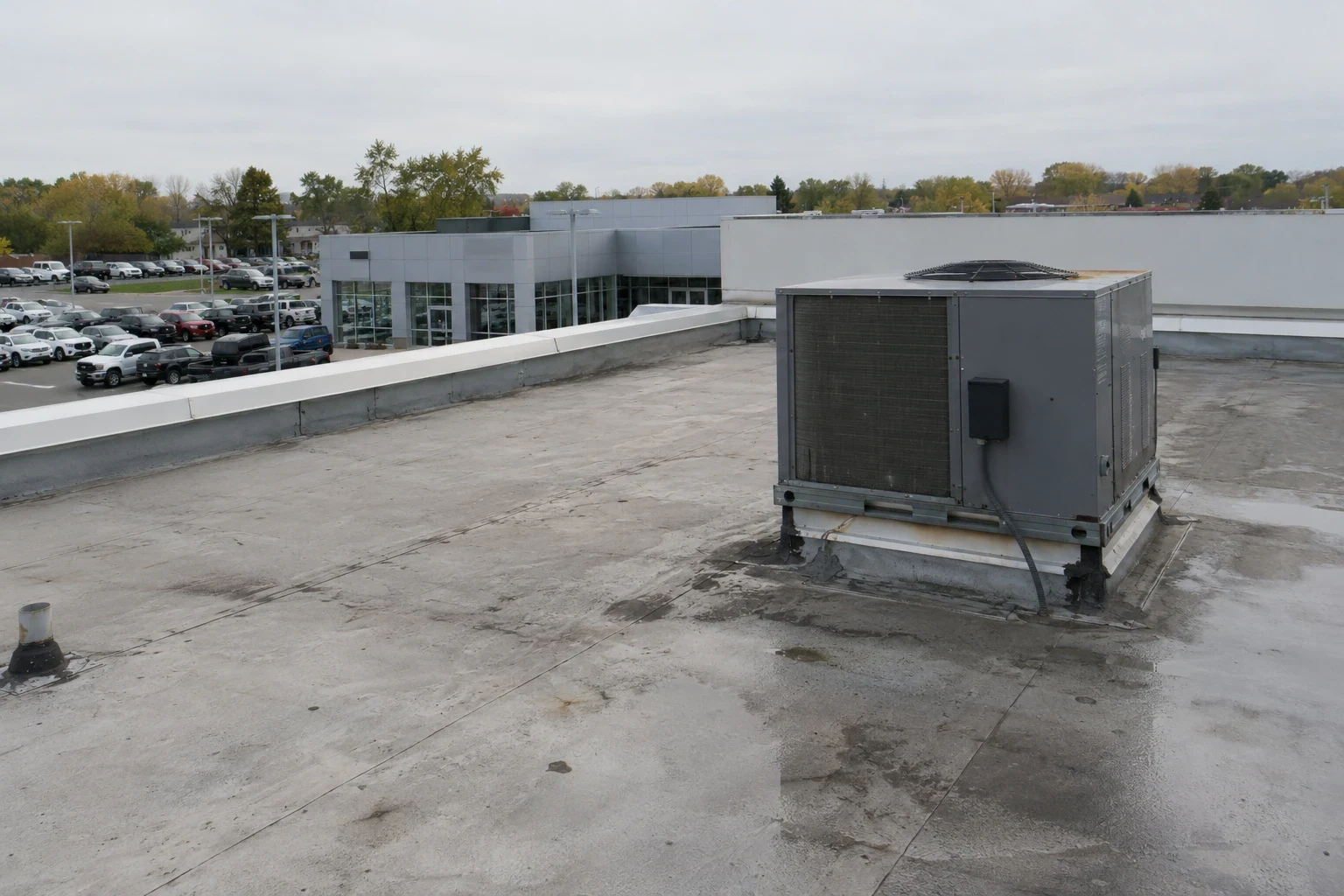
On a single-story clinic the roof is the whole ceiling, so every thaw drops meltwater straight above exam rooms, a pharmacy counter or a records office. The Rockford VA outpatient clinic in the North Mulford area is exactly that kind of building: 32,150 square feet on one level, spread over a 3.9 acre site near Mulford Avenue. In Rockford, IL the thermometer sits at or under 32 degrees on roughly 134 days of the year and the snow adds up to around three feet, so a roof that large works through a great many freeze and thaw swings, and a small failure at a seam or a wall joint can wet an area that a veteran is sitting under during an appointment. The money loss is rarely the membrane. It is the ceiling, the closed room and the rescheduled visits that follow.
If you manage a VA clinic or medical campus, get the roof read before the first wet ceiling tile makes the decision for you.
Read the roof as part of the clinical envelope
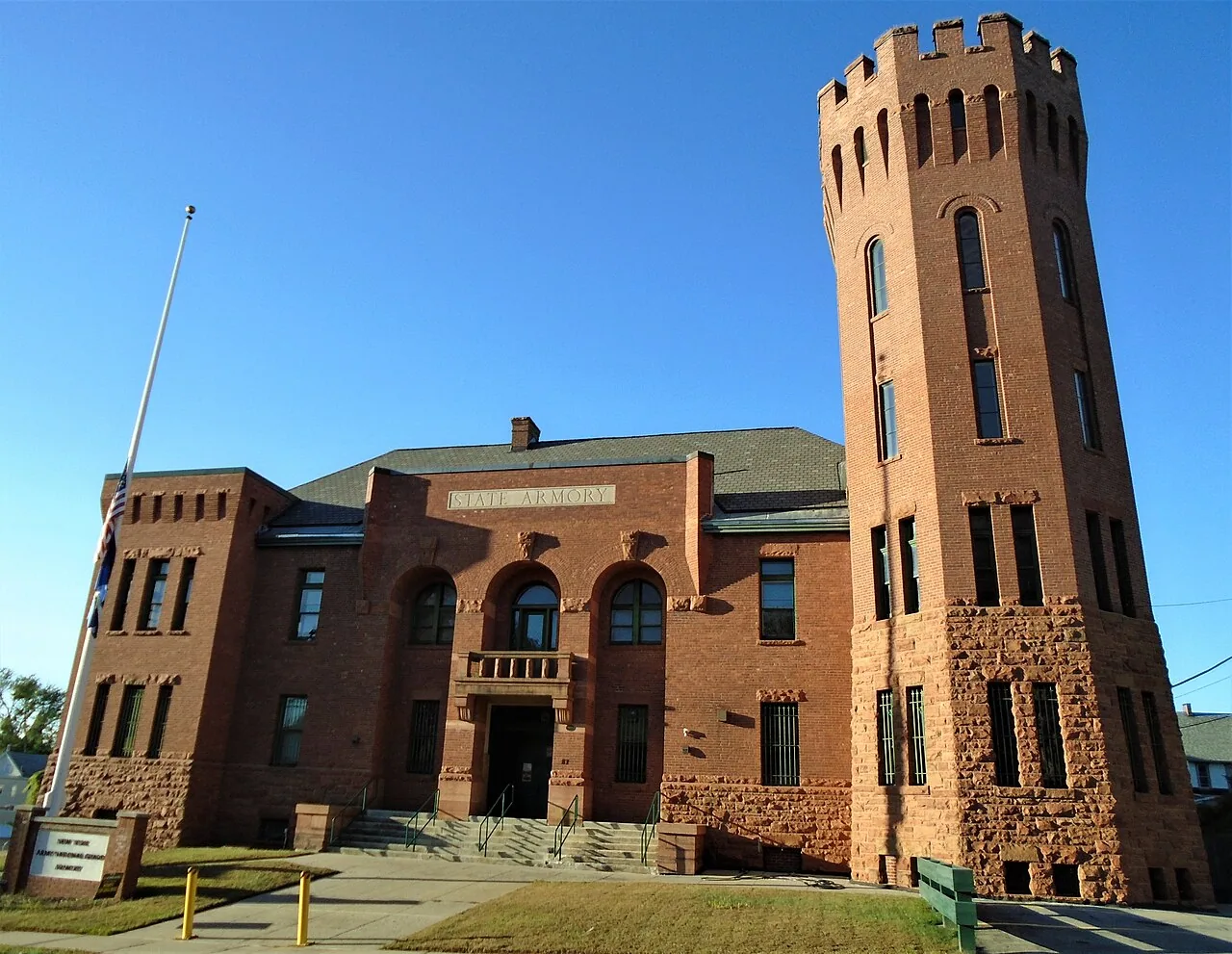
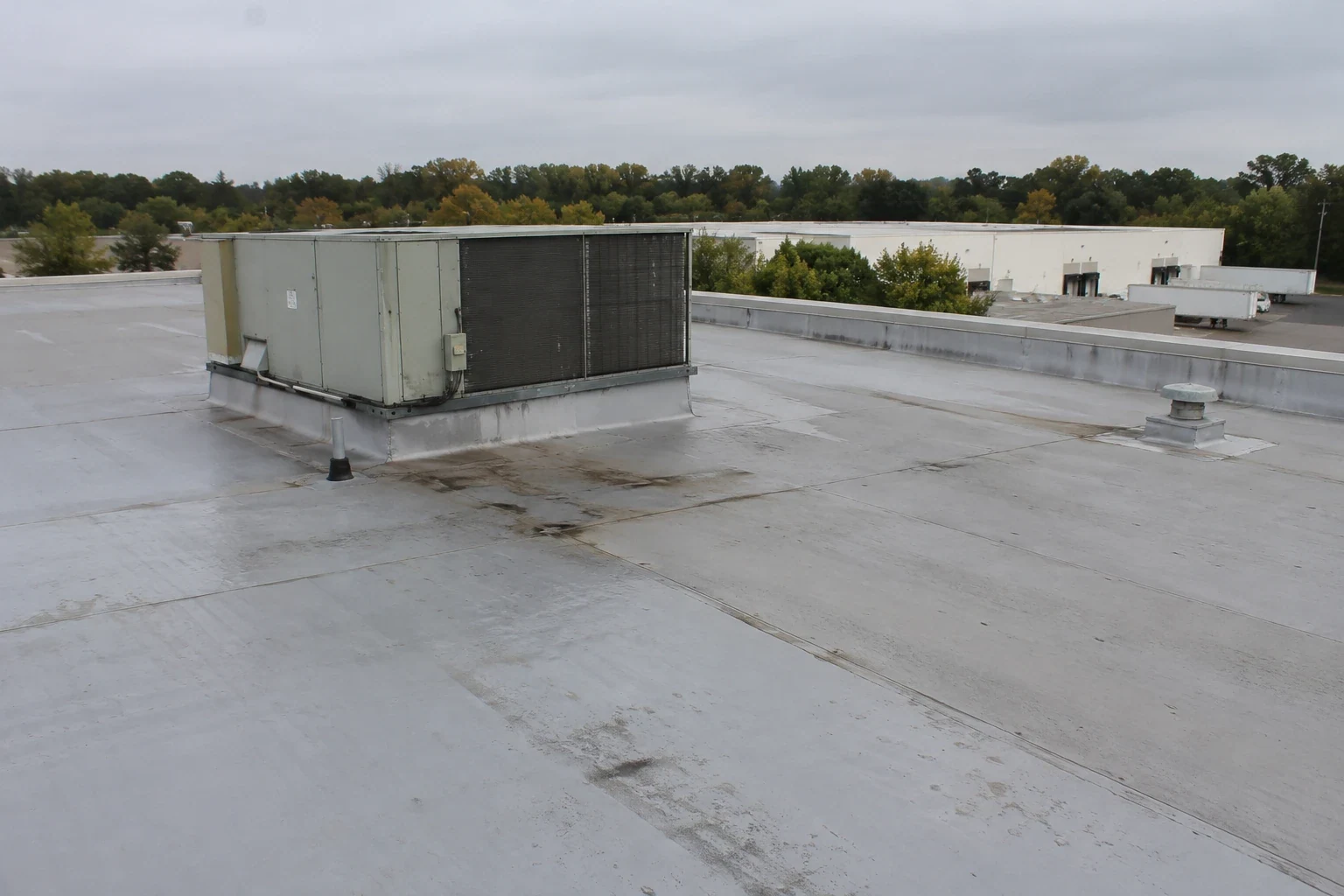
A medical building is built to keep air, moisture and noise in their place, and the roof is the first line of that defense. The Featherstone Road clinic was designed and built to LEED Silver, with geothermal heating and cooling, tinted precast panels and brick accents. Geothermal systems can move heavy equipment off the roof, which may mean fewer large rooftop units than on a clinic with conventional equipment, but ventilation, exhaust and air handling still pierce the membrane, and every pipe, vent and curb is a place where a seal can fail. Precast panels and brick meet the roof at coping and wall flashing, and those joints open and close with the weather. Rockford also logs about 15 days a year above 90 F, so dark membranes expand in July before the cold pulls them tight in January.
Walk every wall line and penetration each spring and each fall. A sealant joint that is cracked in April will be a leak by December.

Protect patients before you protect the schedule
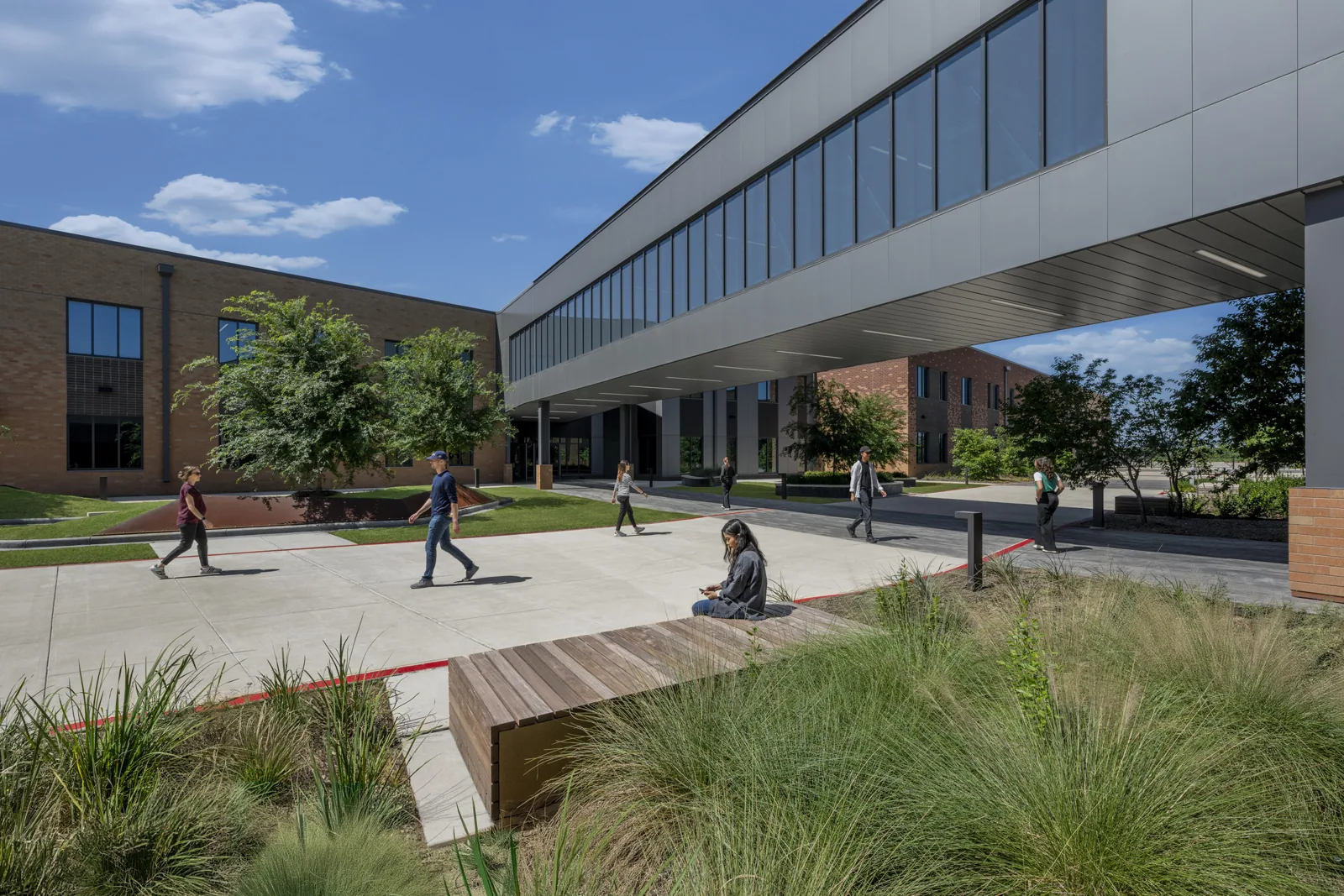
A roof crew above a clinic brings dust, odor, noise and vibration, and the work cannot be allowed to reach people who are already sick. Before any tear-off starts, infection prevention staff should review the plan, outdoor air intakes should be covered or shut down while adhesives and sealants are in use, and entrance routes should be marked so no one walks under a lift or a material hoist. Heated asphalt and strong adhesives smell from a long way off, so pick systems and methods that suit the building. A mechanically attached or welded single-ply like TPO can often be installed with less odor than a hot-applied system, though the right choice depends on the roof under it.
Mercyhealth's cancer facility on Rockton Avenue sustained serious flood damage in 2018, but a regional flood is not a measure of what a roof leak will cost. For a clinic roof, identify the rooms below the active section, protect them during the work and price repairs from the moisture actually found. Patient safety belongs in the written plan alongside the membrane and labor.
Hold the contractor to federal standards, not shop habit
The clinic was built with blast-resistant materials, so a roof job there should expect a written owner specification and not a contractor's standard details. Expect the assembly to come from a written specification, submittals are reviewed before material is ordered, and inspections are logged at set points. Windows, sensors and intakes must be shielded from debris. The state energy code that governs Rockford reroofing starts from the 2021 IECC with Illinois amendments, so a replacement should carry current insulation values and not copy the old thickness out of habit.
Ask for the repair price next to the replacement price. When cores show dry insulation and a sound deck, a repair or a recover overlay may stretch the roof and spare the clinic a long disruption. When water has spread, replacement is the better value, and we will say so. A written roof condition report gives your facility office the evidence to defend either choice to a reviewer.
Fit the work around clinic hours and the I-39 rebuild
A clinic runs on appointments, and the roof schedule has to respect them. Quiet work such as inspection, flashing detail and fastener checks can go on during the day, while the loudest and smelliest tasks belong at the start or end of the day, or on a weekend when the building is closed. Agree on the quiet hours in writing and keep a protected path for patients, staff and delivery vehicles at all times. Occupied building reroofing on a clinic means planning every section so no area stays open longer than a single dry window. On the south-side 11th Street corridor, project teams also need advance checks for access, air intakes, and daily dry-in.
Truck routes matter, too. IDOT began a three-year reconstruction of I-39 in March 2026, running to Mulford Road, so crane deliveries and dumpster pickups near the North Mulford corridor may meet slow traffic and lane changes. Book heavy deliveries for off-peak hours, and plan for the weather as well. The November 10, 2020 storm that put a 73 mph gust at Winnebago is a reminder that open roofing can be a sail.
Ask every bidder these five things first
Collect the answers in writing and compare them side by side.
- Who reviews the infection control plan, and when does that happen?
- Where will outdoor air intakes be protected, and for how long?
- What access, badging and escort steps does the facility require?
- What is the unit price for wet insulation and damaged deck?
- How will you keep patient entrances and parking lanes clear?
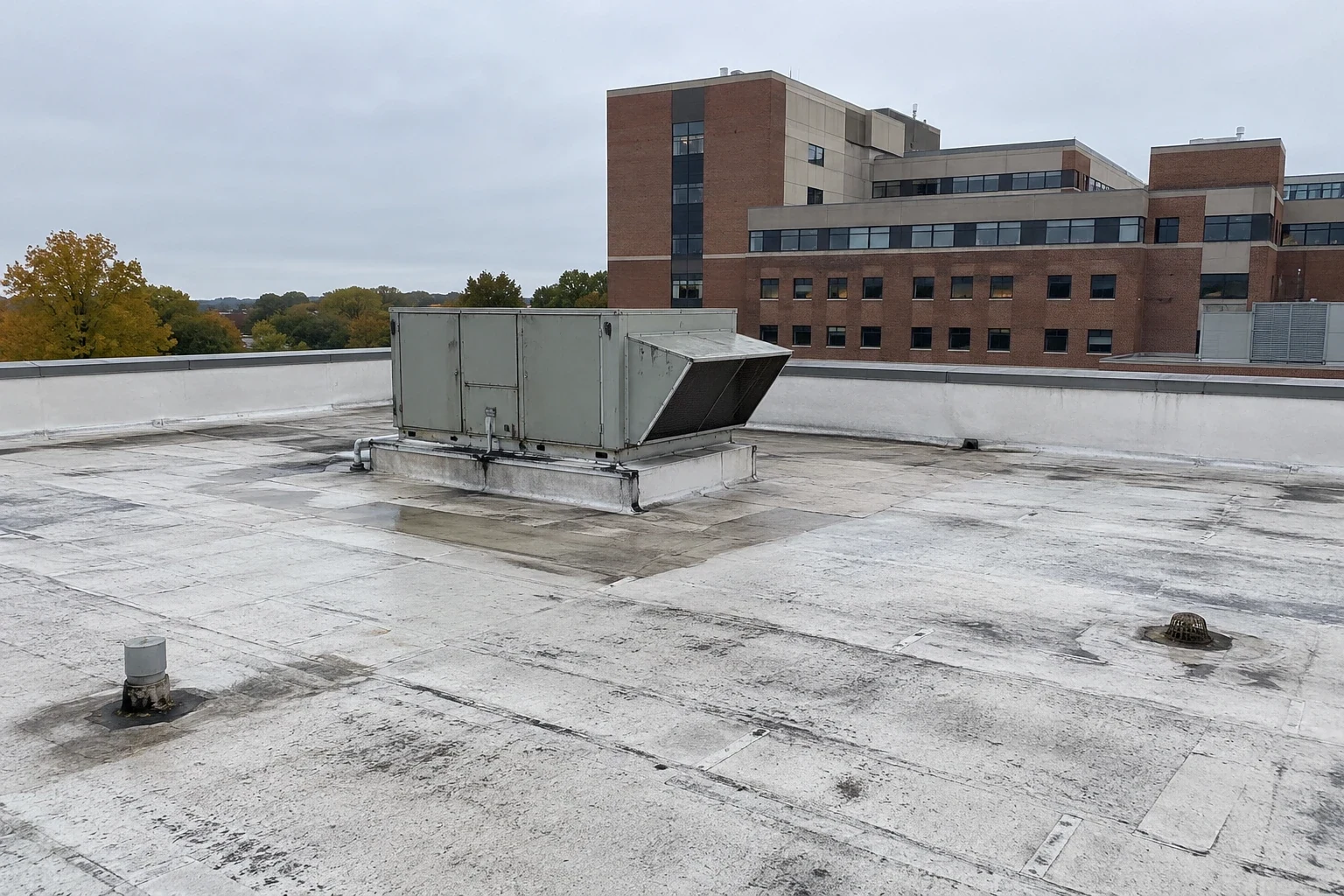
For a larger campus, the questions grow. A larger campus, such as Mercyhealth's Javon Bea Hospital-Riverside and the Cancer Institute beside it in the Rockton Avenue corridor, puts more than one roof under a single owner and needs one plan, the same way any hospital roof does. A smaller clinic raises the questions of a medical office roof, with federal rules added. Twice-yearly preventive roof maintenance visits keep small defects from becoming appointments that get cancelled.
Add an acceptance step to the scope: the facility contact should confirm each section is weather-tight, temporary protections are removed and the air-handling plan is restored before the crew leaves. Keep the daily log with roof photos, affected clinical areas and any follow-up inspection date. That closeout record helps the next facilities manager distinguish a new leak from a detail already repaired.
Questions Owners Ask
Does a geothermal clinic still need roof maintenance?
Yes. Fewer rooftop units can mean fewer curbs, but vents, exhaust fans and wall joints are still on the roof. Seams and sealants age with every freeze, so twice-a-year checks remain worth the time.
How do you keep roofing odor away from patients?
We cover the air intakes, choose low-odor methods where the roof allows, and put the smelliest steps at the edges of the day. Infection prevention staff review the plan before the first section opens.
Will roofing work delay appointments at the clinic?
Not if it is phased properly. Entrances stay open, noisy tasks move to quiet hours and only a small section of roof is exposed at a time. The schedule is agreed with your facility staff first.
Are VA roofs held to a higher standard than a private clinic?
They carry more paperwork and more rules. A federal owner usually writes the assembly, submittals and inspections into the specification, and blast-resistant features mean extra care around windows and sensors during the work.
What should happen when a ceiling tile shows a stain?
Call us the same day, at any hour. We can trace the water, make a temporary repair and record what we find, so the permanent fix is scheduled with facts and not with a guess.