Self-Storage Roofing in Rockford, IL
Metal and low-slope roof repair for self-storage facilities in Rockford, IL: loose fasteners, hail dents and drip lines fixed building by building.
Self-Storage Roofing

Self-Storage Roofing
Rockford, IL
The screws on a storage roof back out slowly, one freeze at a time. Rockford sends a metal roof through about 134 freezing days a year and about 15 days above 90 degrees, and every swing makes the panels expand and shrink against their fasteners. The washers dry out, the holes elongate, and the first sign is a drip line down a unit door or a stained box of someone's tax records. On a site with many long buildings and exposed fasteners, even a small failure rate can produce repeated leak calls. A tenant who finds a wet unit will contact the office quickly. In Rockford, IL a storage owner is selling dry space, and the roof is the product.
Do not wait for the first claim from a tenant. Ask for a roof-by-roof survey of the property, rank the buildings by condition and spend where the leaks will start next.
Count the loose fasteners before the tenants do
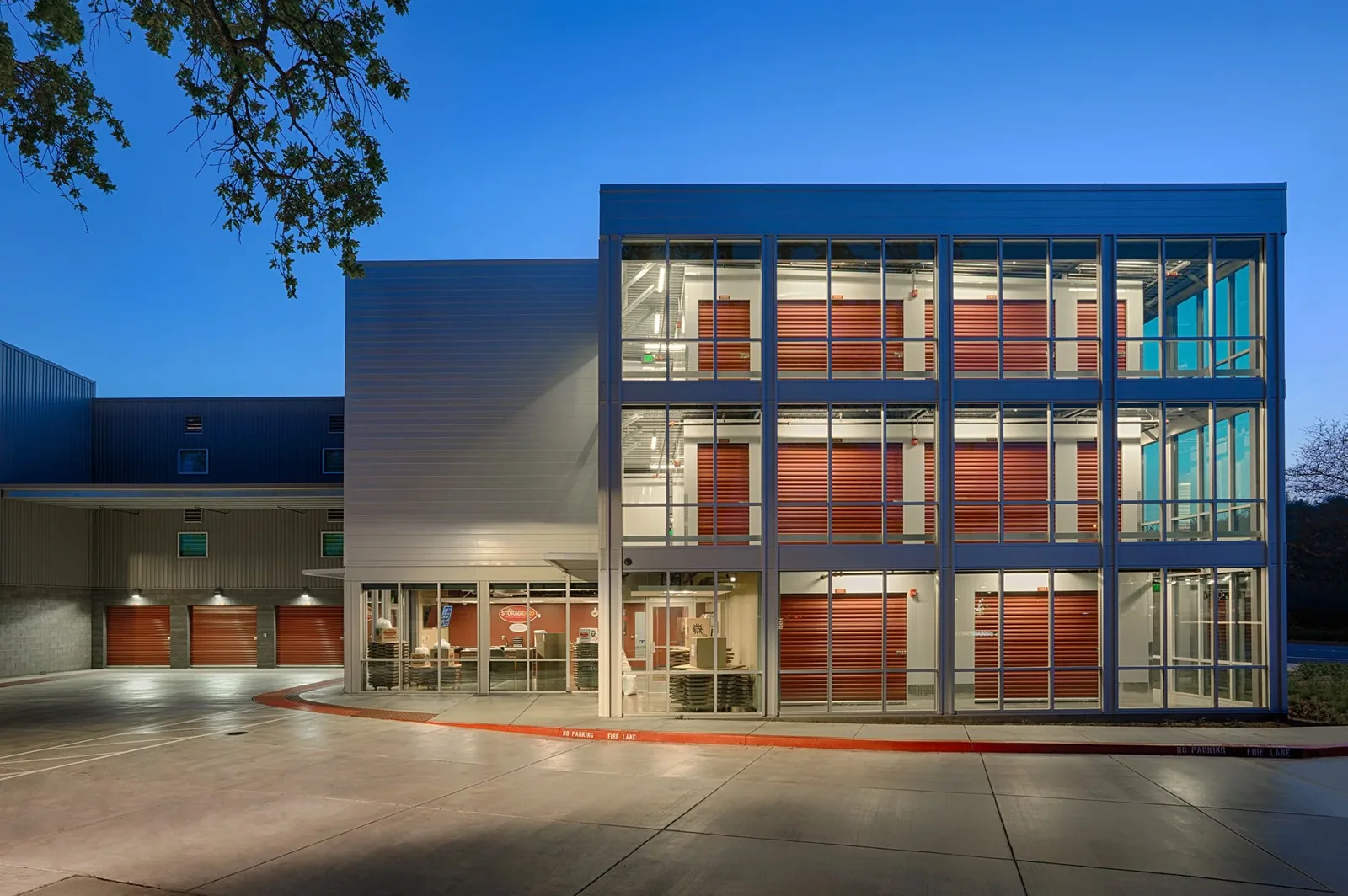
Most storage buildings are either long, low-slope structures with membrane or mod bit roofs and parapets, or single-story drive-up rows with exposed-fastener metal panels. The metal rows fail at the fasteners, at the panel laps, at the ridge cap and at the transitions to the gutters and eave trim. On the low-slope rows, the trouble starts at wall flashings, scuppers and seams. Ice builds at the downspouts, snow slides off the metal in sheets and tears at gutters, and a heavy drift on a flat roof leaves a pool when it melts.
Hail adds another layer. On November 10, 2020, a severe storm put 1 inch hail on Roscoe and Rockton, and Winnebago recorded a 73 mph gust, and the same storm damaged buildings across Winnebago County, so a metal row there deserves a look for lifted laps and loosened fasteners. Dents in metal are often cosmetic, but cracked sealant, bent ridge caps and loosened panels are real damage. We separate the two for you in a written report, and any hail damage repair starts from that distinction.
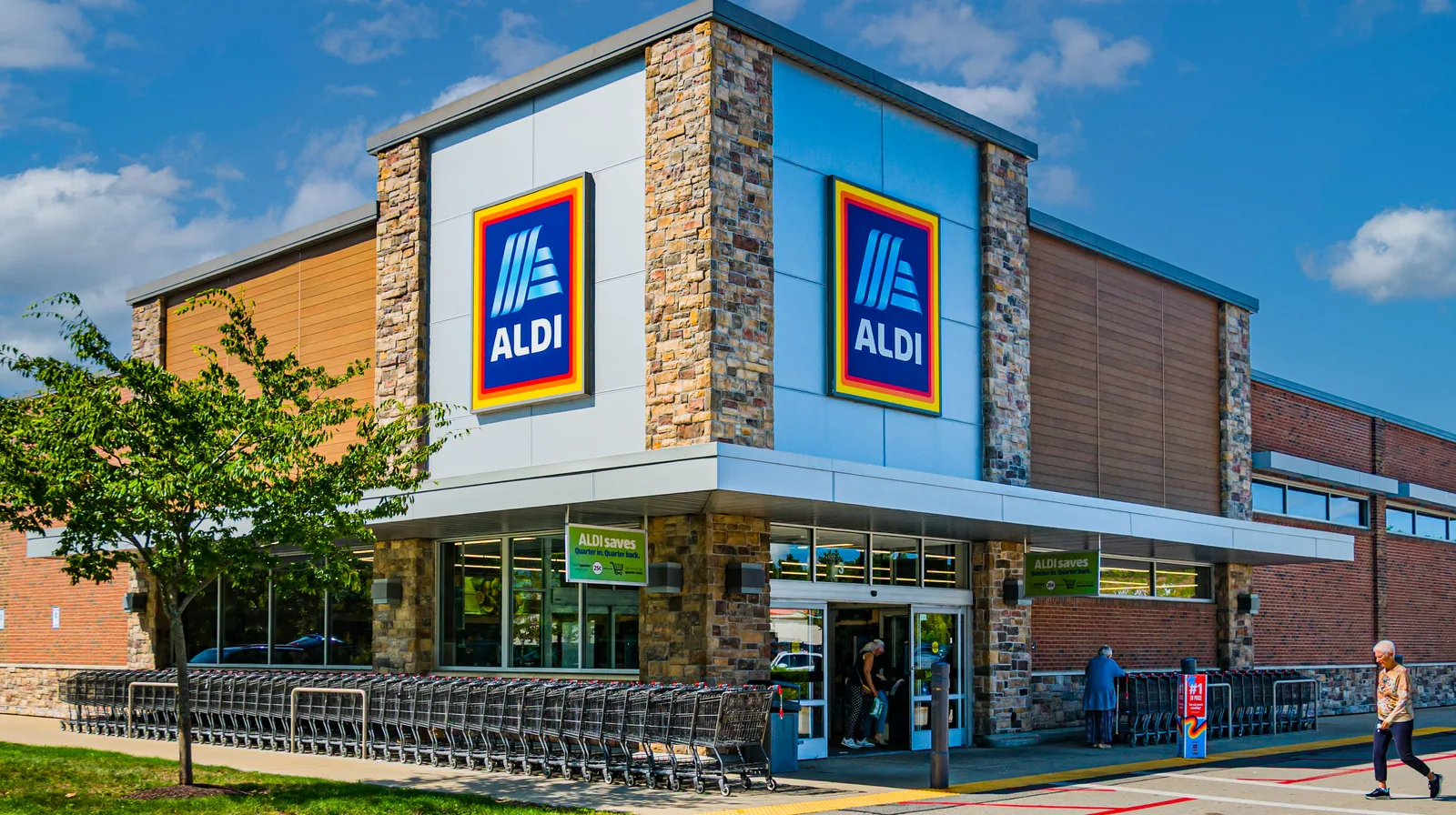
Choose between re-screwing, coating and a new panel system
A metal storage roof in decent shape often does not need replacement. If the panels are sound and the rust is minor, a program of replacing fasteners with oversize screws, adding butyl or sealant at laps and repairing the ridge and eave trim can add years. A fluid-applied silicone roof coating over prepared metal seals fasteners and seams at once, and it works on tired panels that are still structurally good. It does not fix a rusted-through panel or a failed deck.
If the roof is past that point, a metal roof retrofit goes over the existing panels without tearing them off, with framing that corrects the old shape, while a new standing seam metal roof hides the fasteners entirely and handles thermal movement better. Standing seam costs more up front. Compare each option's installed price and expected years of service, and read what each one needs in upkeep.
Price the whole site, then sequence the buildings
Storage sites multiply every number. A job that looks modest on one building becomes a large program across the whole property, and mobilization, lifts, safety setup and cleanup repeat on every roof. That makes the way work is bundled a real source of savings or waste. Ask for a total price and a building-by-building breakdown, so you can see the cost of each roof and decide which ones go first. If a contractor offers a single lump sum with no breakdown, you cannot tell where the money goes.
- A condition score for each building, with photos and a marked plan
- The price of fastener replacement, coating and replacement for each roof
- Gutter, downspout and trim work listed separately
- The cost of keeping tenants' access open during the work
Owners with several properties get the most from a planned approach across a multi-site roof program, and real estate investors checking a purchase can use the same data.
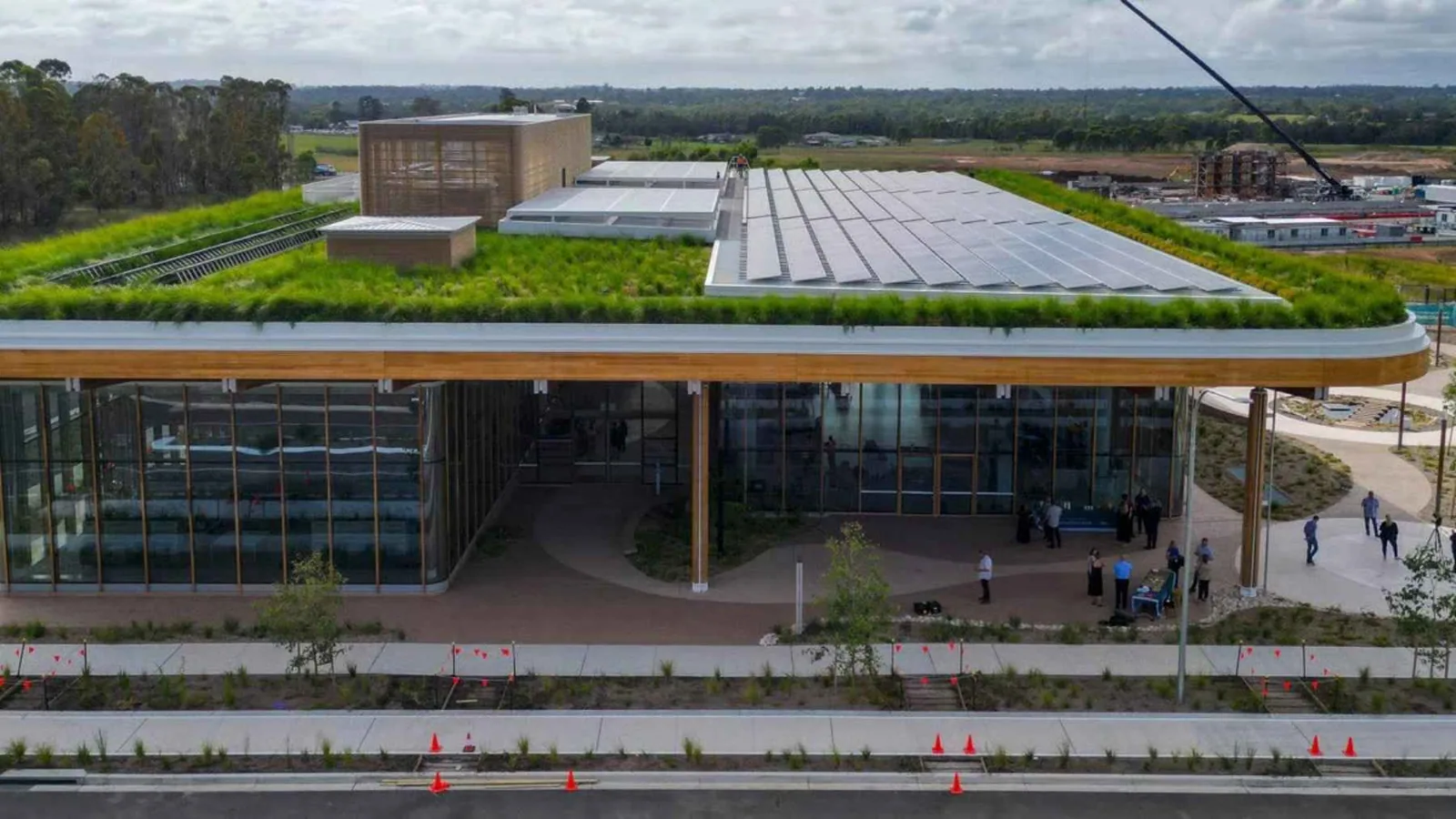
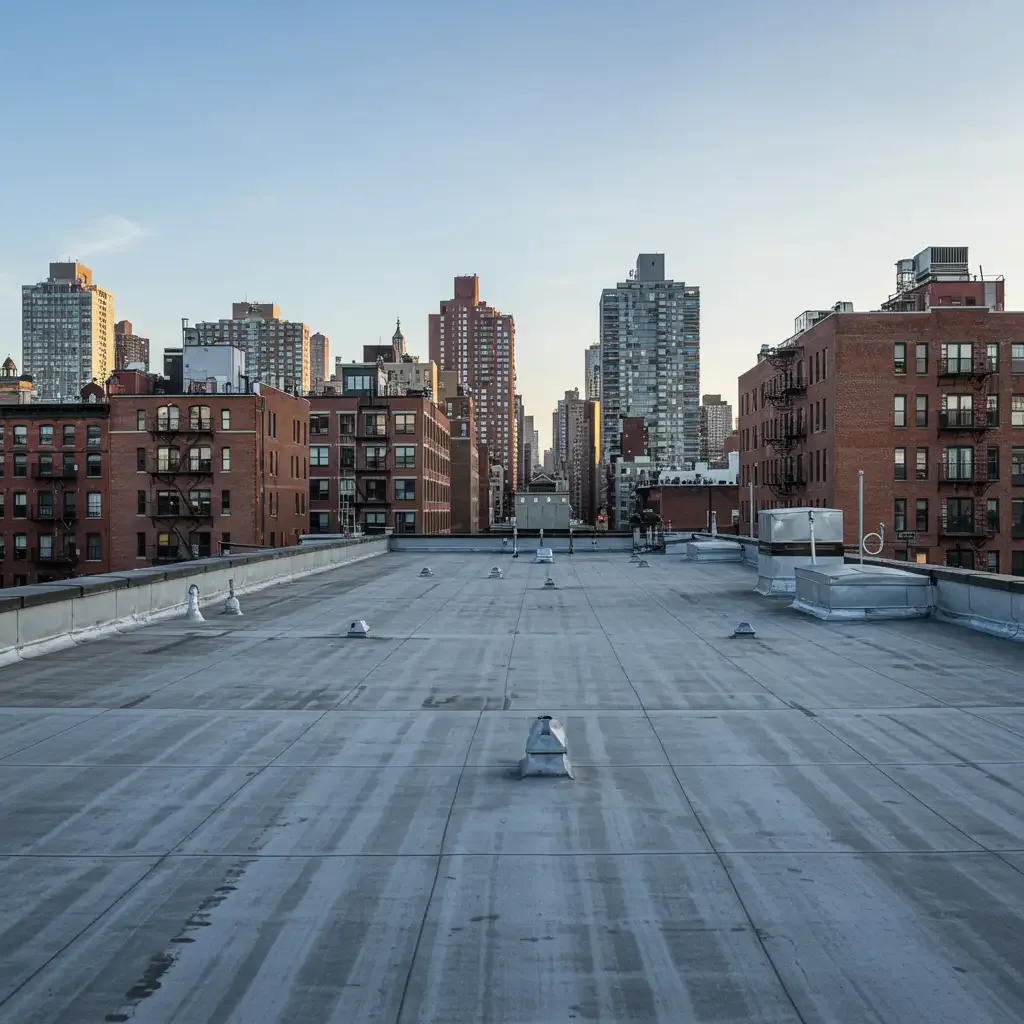
Keep gate access and tenants' goods safe during the work
Self-storage runs on access. Tenants expect to get at their units on their schedule, and they do not like a crew in the way or a forklift at the gate. A good plan keeps the aisles open, closes one row at a time and rolls the work along the property. Dust, loose screws and debris must not drop inside a unit, so we stage a tarp line over open doors and sweep magnetically along the drive aisles. We also keep tools and material off the tenants' parking and loading areas.
Put these questions to every bidder in writing: How is each row closed in at day's end? What protects the units below? Who pays if a unit gets wet during the work? How is the office staff told about each phase? A contractor who has already planned for the answers is a fair price. One who has not is a change order waiting to happen, and a tenant claim with it.
Schedule roof work before a winter of tenant claims
Metal and coatings need dry, moderate weather, so the practical window in northern Illinois runs from spring thaw to late fall. Winter is for emergency repairs and for planning. A storage owner who waits for January to fix a leaking row pays for temporary patches and watches tenant complaints pile up until spring. Plan the work in the off months, line up the material, and aim to finish before the freeze returns.
Location does not change the weather. Properties along North Second Street in Machesney Park or out toward Rockton live with the same northern Illinois winter that Rockford's 134 freezing days describe, and Rockton took hail in the November 2020 storm. Tenants in all of them expect the same dry unit. For a long-range plan on older metal, roof coating and restoration is often the cheapest way to extend a roof that is still sound. If water enters outside a planned work window, report the address, active leak, and roof access limits so response timing can be assessed. A warehouse roof may share a broad footprint; a flex-industrial roof adds different tenant and equipment access.
Questions Owners Ask
Does hail damage on a metal storage roof always need replacement?
No. Dents that leave the panel sealed are often cosmetic. Split laps, loose ridge caps, cracked sealant and displaced fasteners are the real damage. We document both so you and the insurer can see where the line falls.
How long does a fastener replacement program last?
It buys several seasons on panels that are structurally sound, and the length depends on rust and panel condition. We check a sample of fasteners and the panel edges before quoting, and tell you plainly if the panels are too far gone.
Can you coat a metal roof that is already leaking?
Coating can seal leaks at fasteners and seams if the panels are sound and dry. Wet insulation or rusted-through panels need repair first. A moisture scan and a close look at the edges tell us which situation you have.
Will tenants lose access to their units during a reroof?
Rarely for long. We work on one row at a time, keep aisles open and close in each section before we leave. If a particular row needs a short closure, we give your office the schedule in advance.
Should I fix every building at once?
Usually not. Rank them by condition and put money into the roofs that will fail first. Sequencing the work across a season or two spreads the cost and keeps the best buildings from being replaced too early.