Grocery Store Roofing in Rockford, IL
Roof repair and replacement for grocery stores in Rockford, IL, protecting coolers, produce and refrigeration equipment from leaks, snow and freeze-thaw.
Grocery Store Roofing
Grocery Store Roofing
Rockford, IL
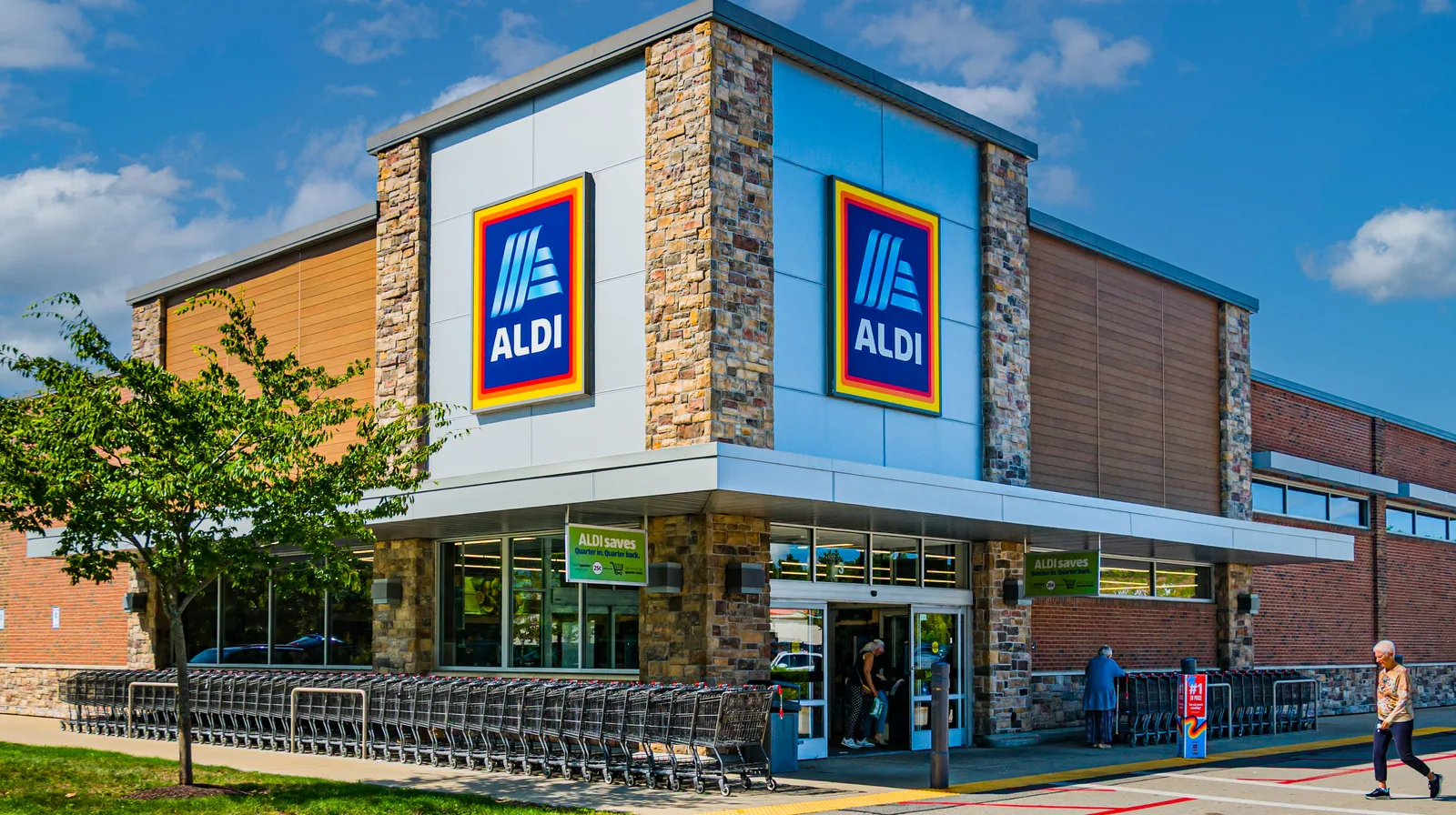
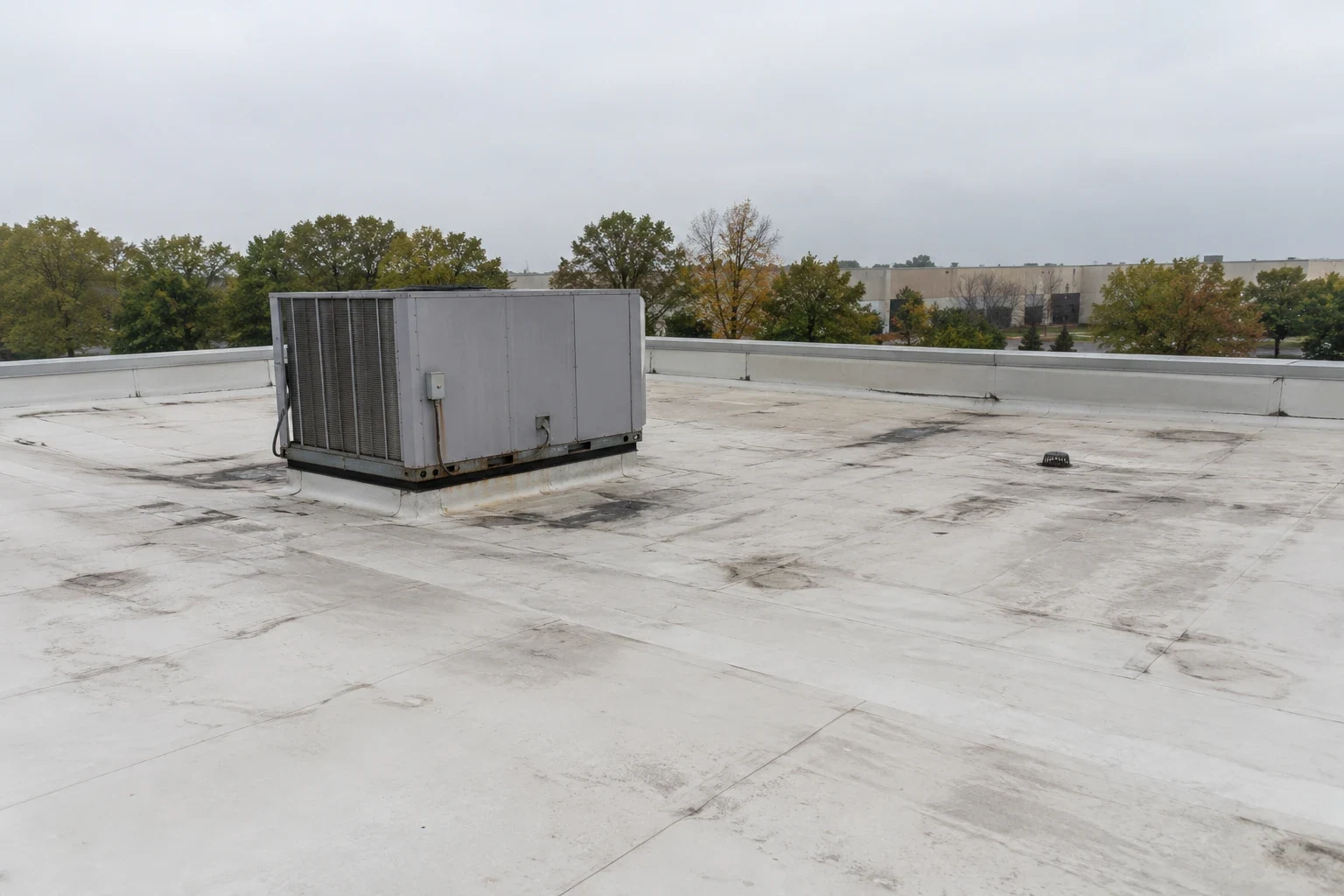
Snow melts faster around a grocery store's condensers than anywhere else on the roof, and the meltwater refreezes the moment it runs off the warm spot. That small cycle repeats on every cold night in Rockford, IL, a city that sits at 32 degrees or colder on about 134 days and collects about 36 inches of snow, and it hits the same patch of membrane around the same equipment pads again and again. A grocery roof carries refrigeration racks, condensers, makeup air units and a web of refrigerant and electrical lines, so it takes far more foot traffic and far more punctures than a typical store roof.
A leak here costs more than a stained tile. It can drip onto stock, soak a cooler ceiling or ice up a freezer coil. If you own or run a grocery store, ask what is under the roof around the equipment before the next hard freeze, not after the first shrink report.
Look at the roof around the refrigeration first
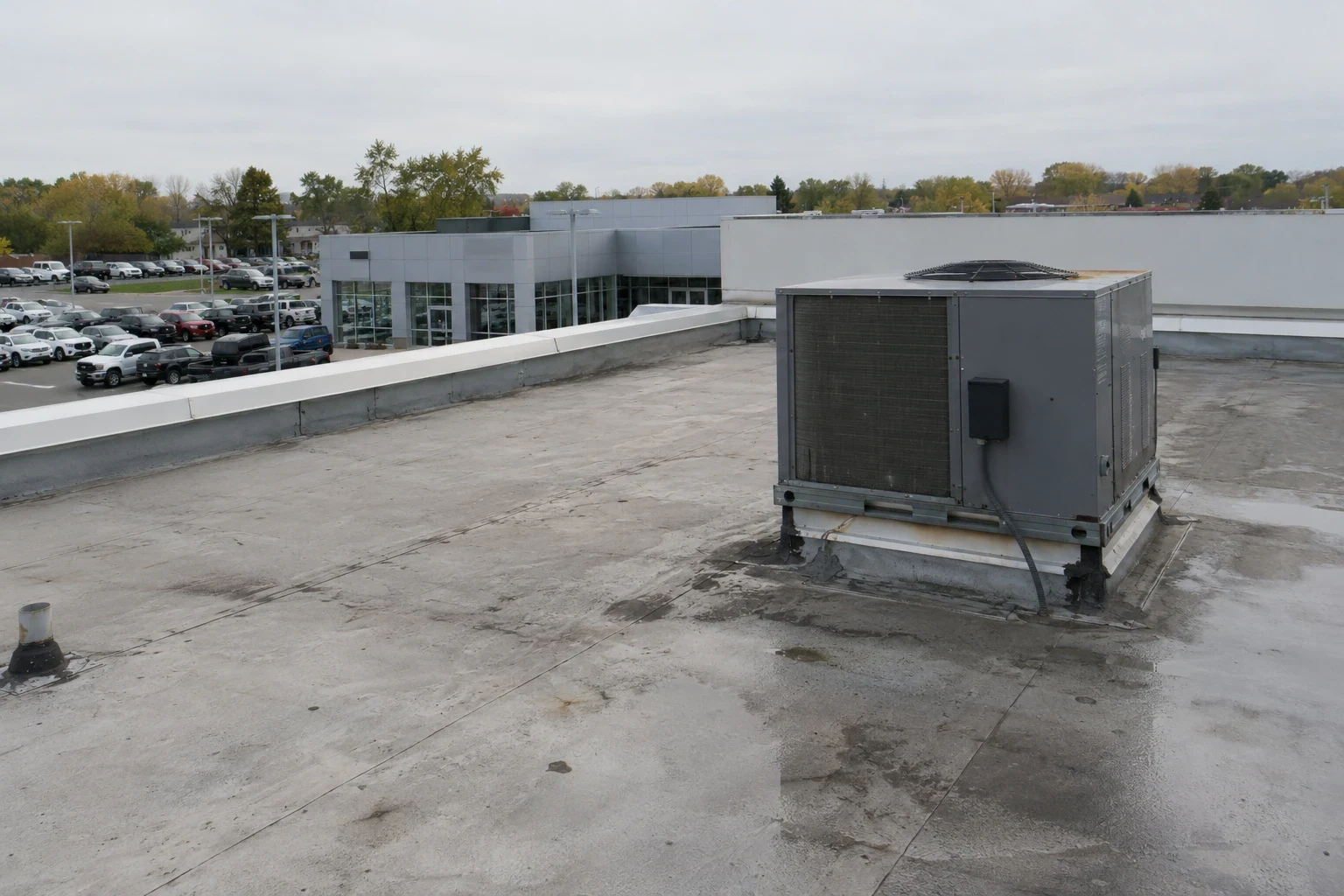
Refrigeration equipment sheds heat to the air, which means snow melts in a ring around the condensers and refreezes at the edge of that ring. Ice along a seam can lift it, and a thaw sends the water straight into whatever opening the ice has made. Technicians walk the same path to the same units all year, so the membrane along that route wears faster than the rest. Refrigerant and conduit lines run across the surface on blocks or straight on the sheet, and every point where a pipe rubs the membrane is a slow leak waiting to happen.
The roof structure matters too. Compressor and fan vibration works on fasteners and curb flashings, and the weight of racks and condensers sits on a deck designed with a specific load in mind. We inspect every rooftop equipment curb and support, check that piping is carried on proper supports and not left to rest on the membrane, and put walk pads where the technicians actually walk.

Repair around the equipment, replace when the insulation is wet
Most grocery roofs fail at the details. A pipe boot cracks, a curb flashing opens, a seam near a condenser lifts. Those problems are worth repairing, and a good leak repair goes after the entry point, not the ceiling stain. The question that decides everything is whether the insulation is wet. A roof with a few failed details and dry insulation can be repaired and maintained for years. A roof with soaked insulation over the cooler or the sales floor needs to come off in that area, because wet insulation loses its value as insulation and keeps feeding moisture into the building.
An infrared scan followed by core cuts maps the wet areas without tearing anything up, and it can run while the store is open. That map is what lets you price the repair next to the replacement and choose the right call. In a freezer or cooler section, wet insulation also adds load to your refrigeration, so the savings from fixing it do not stop at the roof.
Plan the work around deliveries, fresh air and fire
Grocery stores never really pause, so a reroof has to fit into a working building. Deliveries start before dawn, the bakery and deli run early, and the store cannot lose power to the refrigeration for more than a short window. We schedule roof work in sections and keep trucks off the receiving dock lanes. Roofing adhesives and hot-applied materials can send fumes toward the fresh air intakes, so we cover or relocate them while those products are in use and keep the odors away from the produce and the bakery. Hot work near refrigerant lines gets a fire watch and a written plan.
Equipment shutdowns, crane lifts and lines moved for a new curb have to be coordinated with your refrigeration contractor in advance. When the work is planned that way, occupied building reroofing on a store like this runs without a lost shift. Membranes need dry decks and mild weather to be welded or bonded, so the best work window runs from spring thaw to late fall.
Spend where the heat and the weather meet your money
Rockford averages about 15 days a year above 90 degrees, and on those days a dark membrane over a refrigerated building soaks up heat the condensers have to fight. A white membrane reflects much of that sunlight, which is why cool roof installation deserves a look whenever a grocery roof is due for replacement. The savings depend on the building, the existing insulation and the membrane, so ask for the numbers on your roof rather than a general promise.
The code applies, too. The statewide energy code adopted for 2024, which starts from the 2021 International Energy Conservation Code, sets how much insulation a replacement must add. Insist on a unit price for wet insulation and a separate line for each curb and pipe support, so a change order does not appear when the crew opens the roof. If a bidder jumps to tear-off without a scan, treat that as an upsell and get a second opinion before you sign.
Ask who protects the stock and the people
Put these in writing before the crew arrives.
- How are fresh air intakes protected during adhesive or hot work?
- Who coordinates shutdowns and lifts with the refrigeration contractor?
- What happens if a leak develops over the cooler or the sales floor mid-project?
- How will the dock and customer entrances stay clear of debris and equipment?
- What is the plan for temporary dry-in at the end of each work day?
The answers show whether a contractor has worked on a building that sells food or only on buildings that store boxes. Stores near Machesney Park and its North Second Street corridor, or out toward Roscoe, where 1 inch hail fell during the November 10, 2020 storm, should add a post-storm roof check to their routine. Operators with several stores can bring them under retail and restaurant chain programs, and over a freezer wing the roof behaves like a cold storage roof, where vapor control matters as much as the membrane. Kitchen exhaust details on a restaurant roof need a separate review from refrigeration and store drains.

Questions Owners Ask
Why does the roof leak around our condensers and not elsewhere?
Heat from the equipment melts snow, the water refreezes at the edges and works at seams and flashings. Foot traffic and rubbing pipes add wear to the membrane along the same route.
Can the store stay open and keep its coolers running during a reroof?
Yes. We stage the work by section, plan every shutdown with your refrigeration contractor and keep the intakes and the dock lanes protected so the sales floor and the product are not at risk.
A leak is dripping over the cooler. What should we do first?
Move the stock, then call us. We can dry in the opening the same day, and the infrared scan afterward shows how far the water spread before a permanent repair is priced.
Does a white roof make sense for a grocery store?
Often, because the refrigeration load peaks in hot weather. It works best over dry insulation and a sound deck, so scan the roof first and price the savings for your building.
How do we keep technicians from damaging the membrane?
Mark their route and lay walk pads along it. Carry piping on supports instead of the sheet, and have the roof walked twice a year so wear shows up before it becomes a leak.