Aircraft Hangar Roofing in Rockford, IL
Hangar and aviation building roofing near Chicago Rockford International Airport in Rockford, IL: clear-span roofs, wind uplift and FOD-safe work.
Aircraft Hangar Roofing

Aircraft Hangar Roofing
Rockford, IL
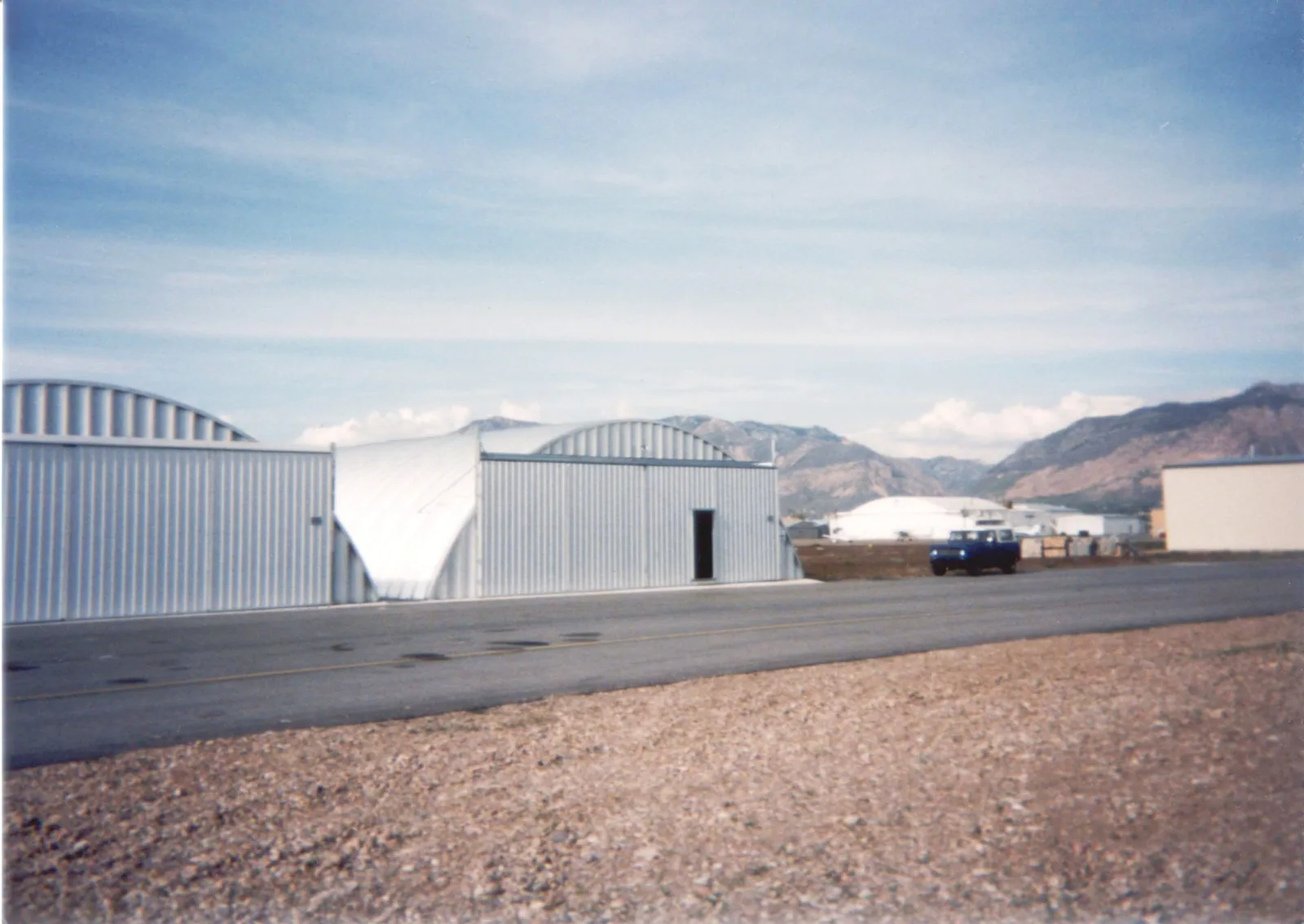
A hangar roof carries a winter that no interior wall can soften. With about 36 inches of snow a year, 134 freezing days and the wind that sweeps across open airport ground, the roof over a big aircraft bay takes load, ice and uplift on a span with almost no interior support. A hangar door that stands open under a gusty day changes the air pressure inside the building and pushes upward from below, while the same wind pulls on the outside, and the roof edge, the door header and the fastening get the worst of both. In Rockford, IL the buildings at Chicago Rockford International Airport include the roughly 200,000 square foot AAR aircraft maintenance facility and the cargo terminals, and a roof over work like that cannot sit unattended for a season.
A leak over a work bay or a fuel-handling area costs more than the repair. Get the roof checked before the freeze, and plan the work with someone who understands what an airfield will and will not allow.
Study the door headers, the edges and the long spans
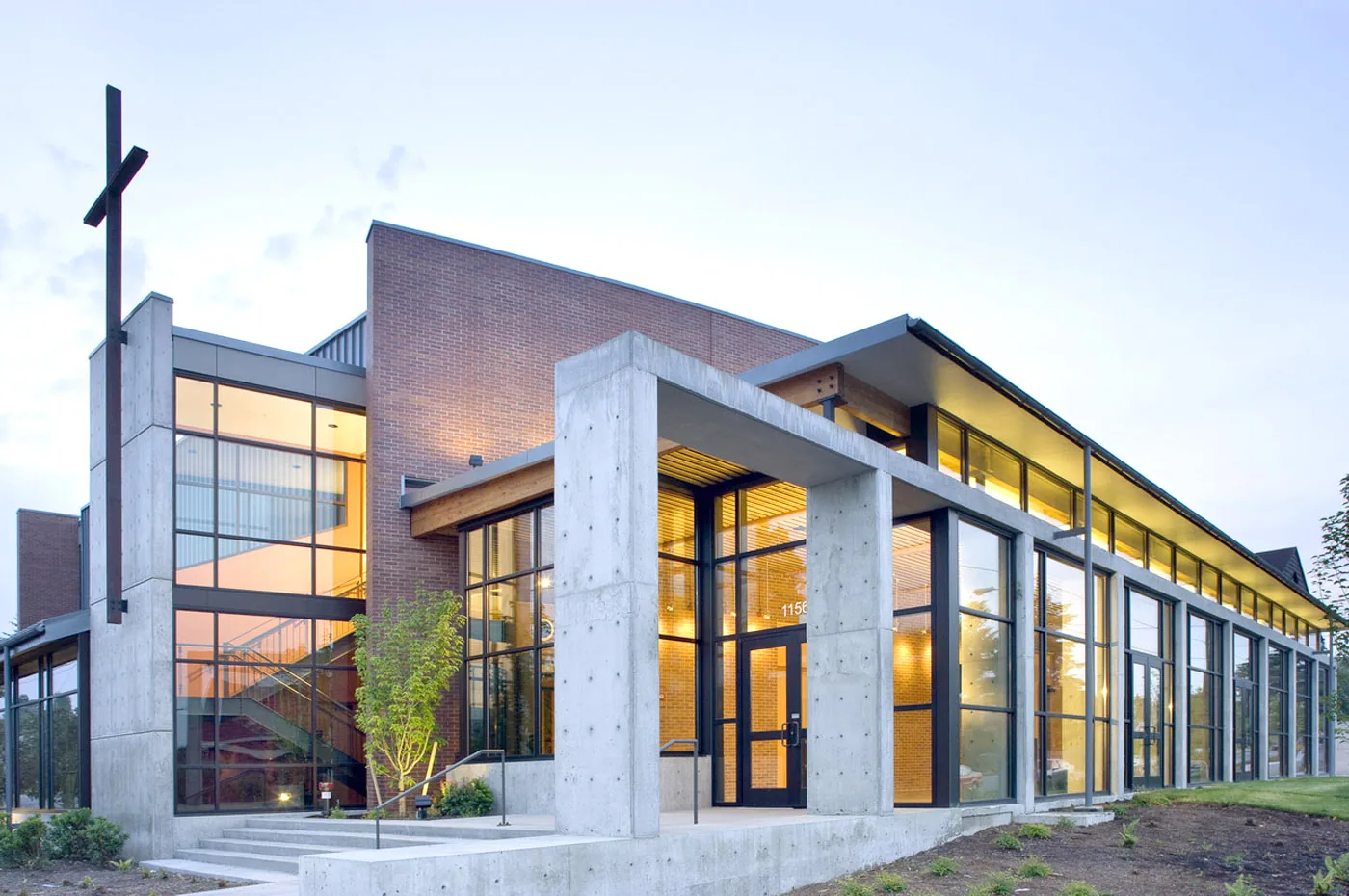
Hangars share a few structural traits, and each of them shapes the roof. The clear span is wide, often held by long steel trusses, so the deck flexes with snow and wind and the roof covering has to move with it. The big door opening is the second feature, because wind uplift peaks near that wall and the roof edge above it. The third is insulation and heat. Many hangars are heated to keep the shop usable in January, and warm moist air that rises through the deck condenses against a cold layer in the roof assembly, then drips when it thaws. That is why a roof that looks fine from above can still be wet underneath.
We look at the edge metal, the fasteners at the perimeter and the condition of the insulation, and we use a moisture survey to find the wet areas before anyone proposes tearing the roof off. Edge and corner zones need the strongest attachment, and we price them separately.
Choose a roof system that suits long spans and fire protection
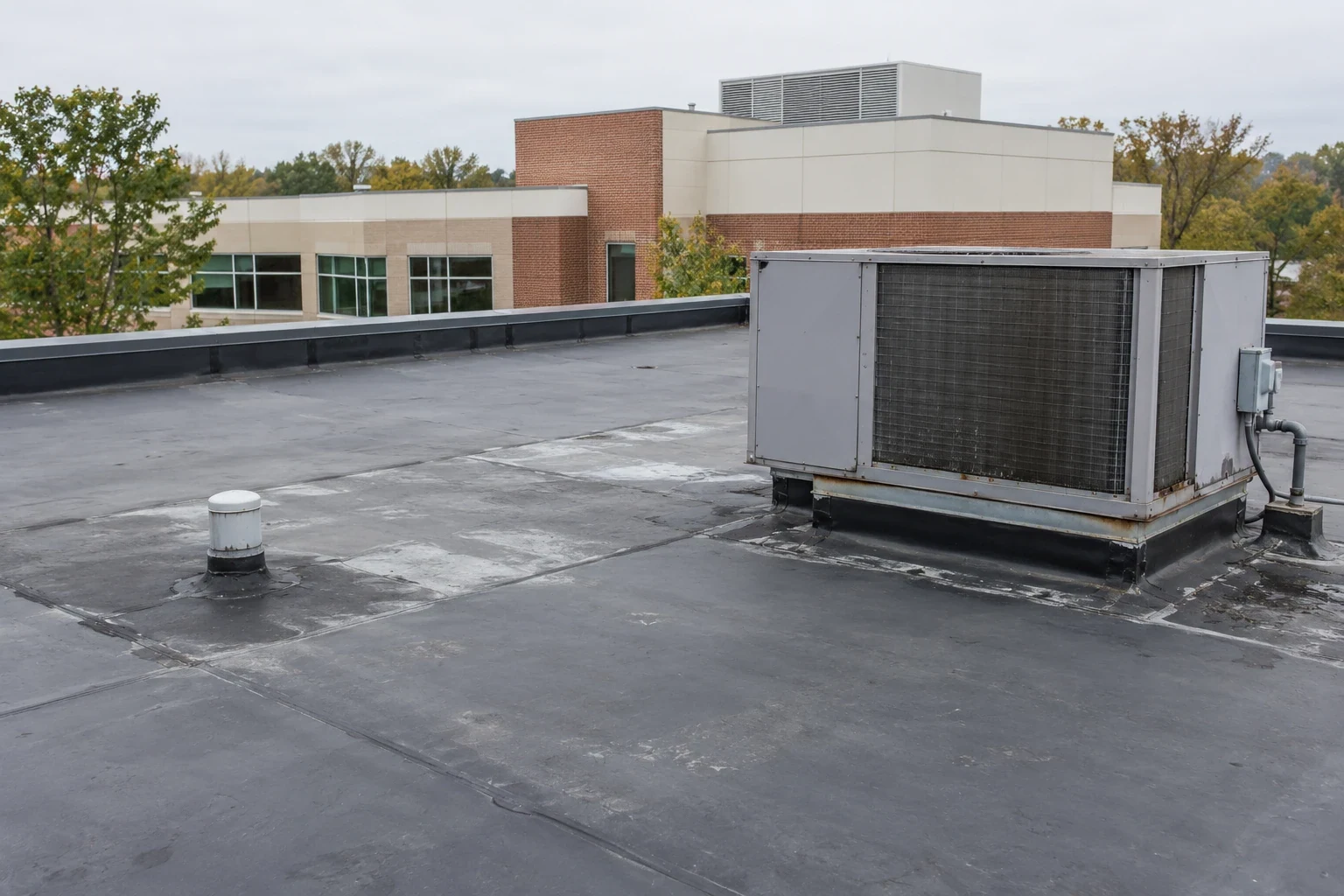
Metal is the common answer for a hangar. A standing seam metal roof sheds snow, handles thermal movement across a long span and has few penetrations to leak. When the existing roof is a tired metal deck or panel system, a metal roof retrofit can go on top without tearing the old roof off or shutting down the bay. Low-slope buildings, such as cargo terminals, offices and shop wings, suit a heat-welded membrane like TPO roofing over insulation sized for the code.
Hangars have special fire safety requirements, with foam or sprinkler piping hung from the structure and often fuel or fuel vapors in the work area. That is why torch-applied roofing is a poor idea above an aircraft, and why cold-applied and mechanically fastened systems are the usual choices. We say so up front. Tell us the fire protection design, the hours of fueling and the location of any open-flame restrictions, and we will pick the method to fit.
Count the cost of access, airspace and a stopped bay
The roofing material is only part of the price on an airport building. A crew working beside a ramp needs escorts, badging, controlled access and clear routes for vehicles. Cranes and lifts near a runway or taxiway need coordination with the airport before anyone sets up. A shop that works around the clock cannot simply close a bay, so phasing and temporary protection add cost, and so does the work window if it has to fit between aircraft arrivals and maintenance schedules. These factors matter, and a bid that skips them is incomplete.
- Who handles access, escort and badging, and what it costs per day
- Rules for cranes, lifts and drone flights near the airport
- How aircraft and tooling are protected under an open roof section
- Wind uplift design for the roof edge and door header
Drone surveys are useful on a big roof, but flights near an airport need permission, and our drone roof inspection plan accounts for that. Ask any bidder to price access and airspace as separate lines. Cheap bids that leave them out turn into change orders on the airfield.
Keep debris off the ramp and the aircraft
Aviation has its own word for the small loose items that can damage an aircraft: foreign object debris, or FOD. A dropped fastener, a strip of membrane, a handful of gravel or a scrap of insulation can be sucked into an engine or cut a tire. On a hangar roof, every piece of material, every screw and every tool has to be controlled. Crews should use closed material bins, tool lanyards, magnetic sweeps along the ground and a daily walk of the surrounding ramp. Roof covering that releases loose stone, such as ballasted systems, is a poor idea near a taxiway.
Ask for the FOD plan in writing before you sign, along with the sweep routine and the name of the person who signs off on the ground each evening. At an airport with a 10,002 foot runway and heavy cargo traffic, the airfield rules matter as much as the roof design. Our crew follows the airport's own access, escort and airfield-safety procedures on every visit.
Schedule roof work around the airfield's busiest weeks
Roofing on a hangar runs on the same weather window as any other building: spring thaw into late fall, with dry decks and moderate temperatures. Winter is for temporary repairs and planning. The aviation calendar adds its own limits. The UPS air hub, which has operated on the airport's largest ramp from 1994 onward, and Amazon Air operations alongside it keep the field busy, so ask the airport which weeks are tightest and plan any critical repair for a slower one.
The airport area has more than hangars. Cargo buildings, such as the 90,000 square foot international cargo facility with more than 20 truck docks, need the same combination of dock traffic and dry space, and our work on a distribution center roof carries over. Much of Chicago Rockford International Airport sits on the land of the former Camp Grant, and a roof on a field with that history should have its type and age confirmed on the roof rather than assumed. New space is going up about a mile away, where Hillwood's Rockford Logistics Park 20 in the south Rockford logistics corridor began in 2026 with a 335,000 square foot building, and it takes the same weather. If water gets in at night or on a holiday, our emergency roof repair line answers at any hour. A manufacturing plant roof has similar wide-span drainage questions, but a different access plan.
At hangars near the North Main Corridor and South Rockford logistics area, confirm lift routes and keep door tracks, aprons and aircraft work areas clear.
Questions Owners Ask
Why does wind attack the roof above a hangar door?
With the door open, air pressure builds inside and pushes up on the roof while wind pulls on it from outside. The edge and header zone takes both loads. Heavier fastening and tight edge metal are the usual remedies.
Can a torch-applied roof go on a hangar?
It is a poor fit. Open flame above aircraft and fuel vapors is a fire risk. Cold-applied, mechanically attached and heat-welded systems keep the fire load low, and the hangar's fire protection design guides the choice.
What is FOD, and how does a roofer prevent it?
FOD is foreign object debris, the loose items that damage aircraft. Prevention means closed bins, tool tethers, magnetic sweeps and a daily walk of the ramp. We write that plan into the scope before work starts.
Can you fly a drone over a hangar roof near an airport?
Only with the right permission. Flights near a runway need coordination with the airport and airspace rules. Where a flight is not allowed, a hands-on walk and infrared scan from the roof gives the same findings.
How do you work without shutting down an active bay?
We phase the roof in sections, close in each one by evening and protect equipment below. Share your maintenance schedule and the aircraft that cannot move, and we sequence the work around them.