
Roofing Partner for General Contractors in Rockford, IL
General contractors in Rockford, IL get a roofing partner who protects the dry-in date, prices the scope plainly and answers leaks after turnover.
General Contractors
General Contractors
Rockford, IL
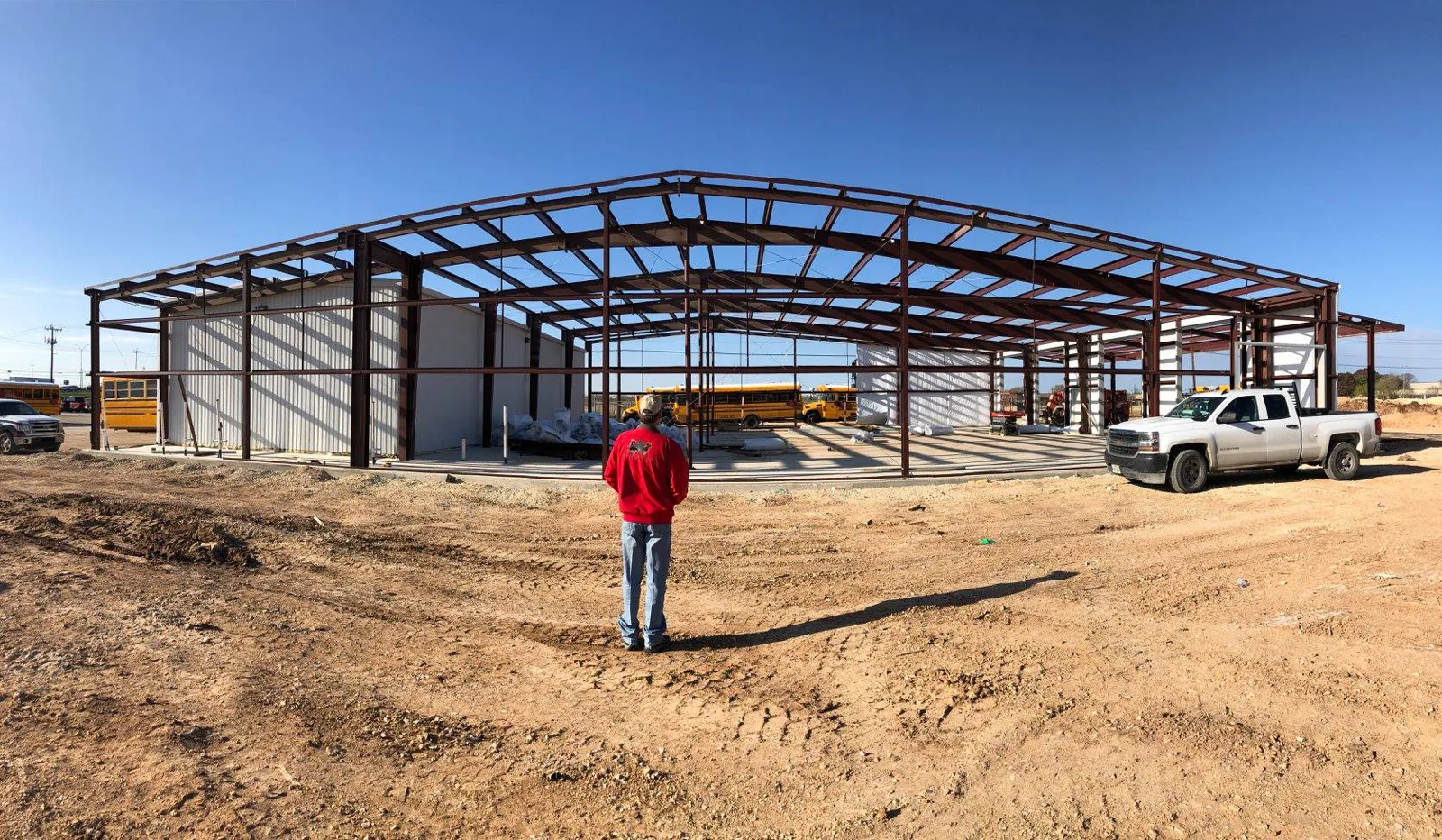
Sleet landing on an unfinished deck in November costs the general contractor far more than it costs the roofer. The schedule slips, the interior trades wait, and the owner starts asking who chose the start date. In Rockford, IL the freezing season runs about 134 days a year and brings roughly 36 inches of snow, so a roof that is not dry and closed by the time the cold settles in will take a bite out of your margin before the building is even finished. Membranes, adhesives and insulation all have temperature and moisture limits, and ignoring them is how a punch list turns into a lawsuit.
Pick your roofing partner for what they will put in writing, not for the lowest number on the bid tab. A roofer who dodges the scope questions now will send you a change order later.
Protect your dry-in date from the weather
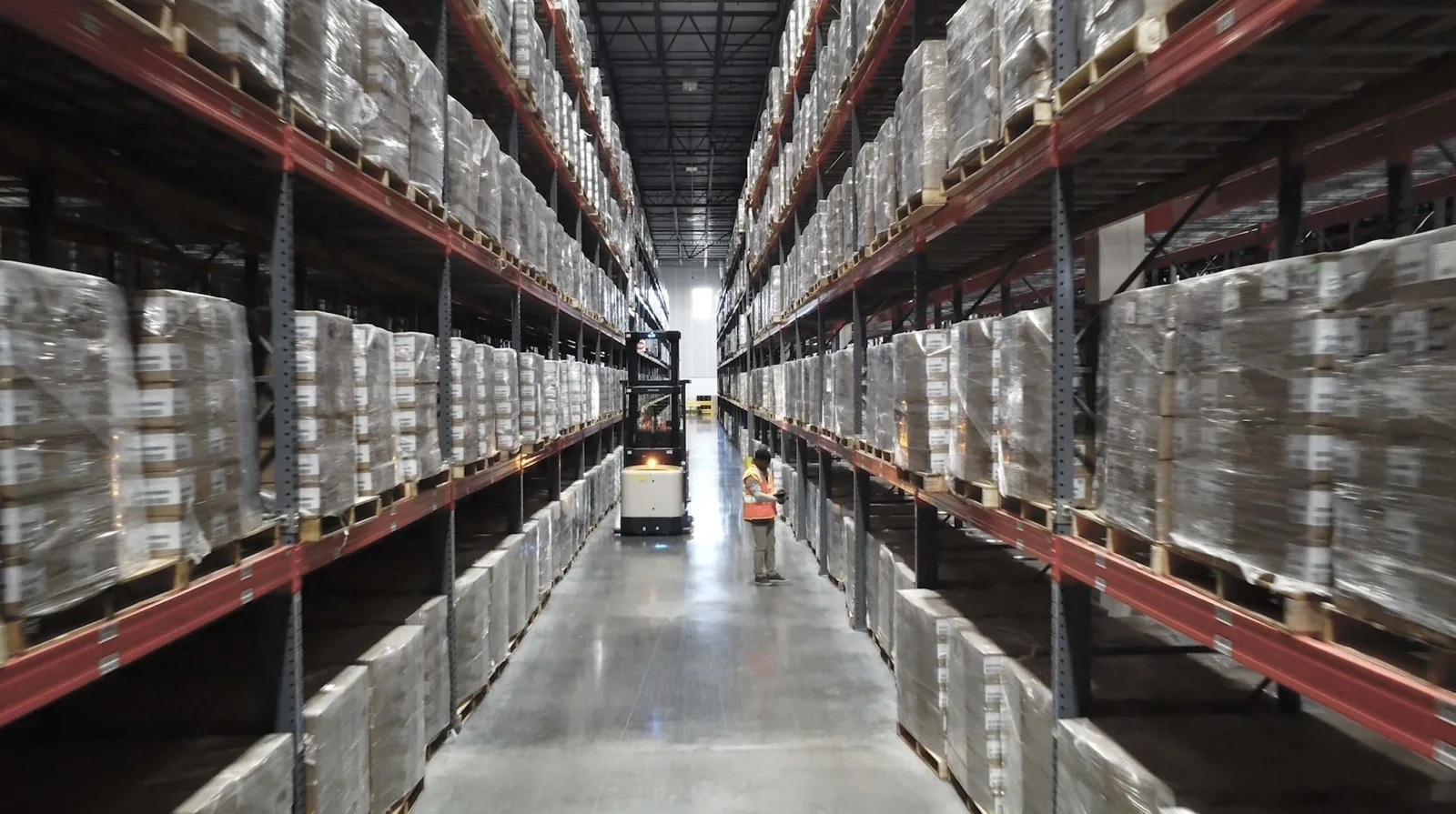
A roof is the last piece of the shell and the first thing the weather tests. Insulation boards and loose membrane rolls behave like sails in wind, and the severe weather of November 10, 2020 put a 73 mph gust at Winnebago with wind damage across Winnebago County, which is the sort of event that strips an unballasted, half-fastened roof in a single afternoon. A deck that takes on snow or rain before the membrane goes down traps that moisture inside the assembly, and wet insulation sealed under a new sheet becomes a warranty argument no one enjoys. A 335,000 square foot speculative distribution building such as the one Hillwood began in Rockford Logistics Park 20, near the South Main Street and U.S. 20 interchange, shows how much roof there is to cover and how quickly weather can get ahead of a crew.
Ask the roofer for a start window tied to forecasts and deck readiness, not to a calendar date. Then agree in advance who calls a stop when the conditions are wrong.

Price the roof scope so change orders stay small
Most roofing change orders come from three places: insulation thickness, wet or damaged existing materials, and the unpriced pieces around the field of the roof. New work in Illinois falls under the 2024 statewide energy code, which is based on the 2021 International Energy Conservation Code, and Rockford follows the 2021 International Building Code cycle, so the insulation thickness in the drawings has a real cost that should appear in the roofer's number. Tapered pieces, cover board, edge metal, drain bodies, curbs and walkway pads all belong in the bid as line items. When any of them are left to a vague allowance, you are carrying the risk.
On renovation work the surprises sit under the old roof. Cut test cores before the bid, find out what is wet, and put a per-square-foot unit price for replacing wet insulation in the contract so the number is agreed before anyone discovers the problem. Pricing insulation and cover board that way keeps the number honest from the first bid.
Keep the other trades off the new membrane
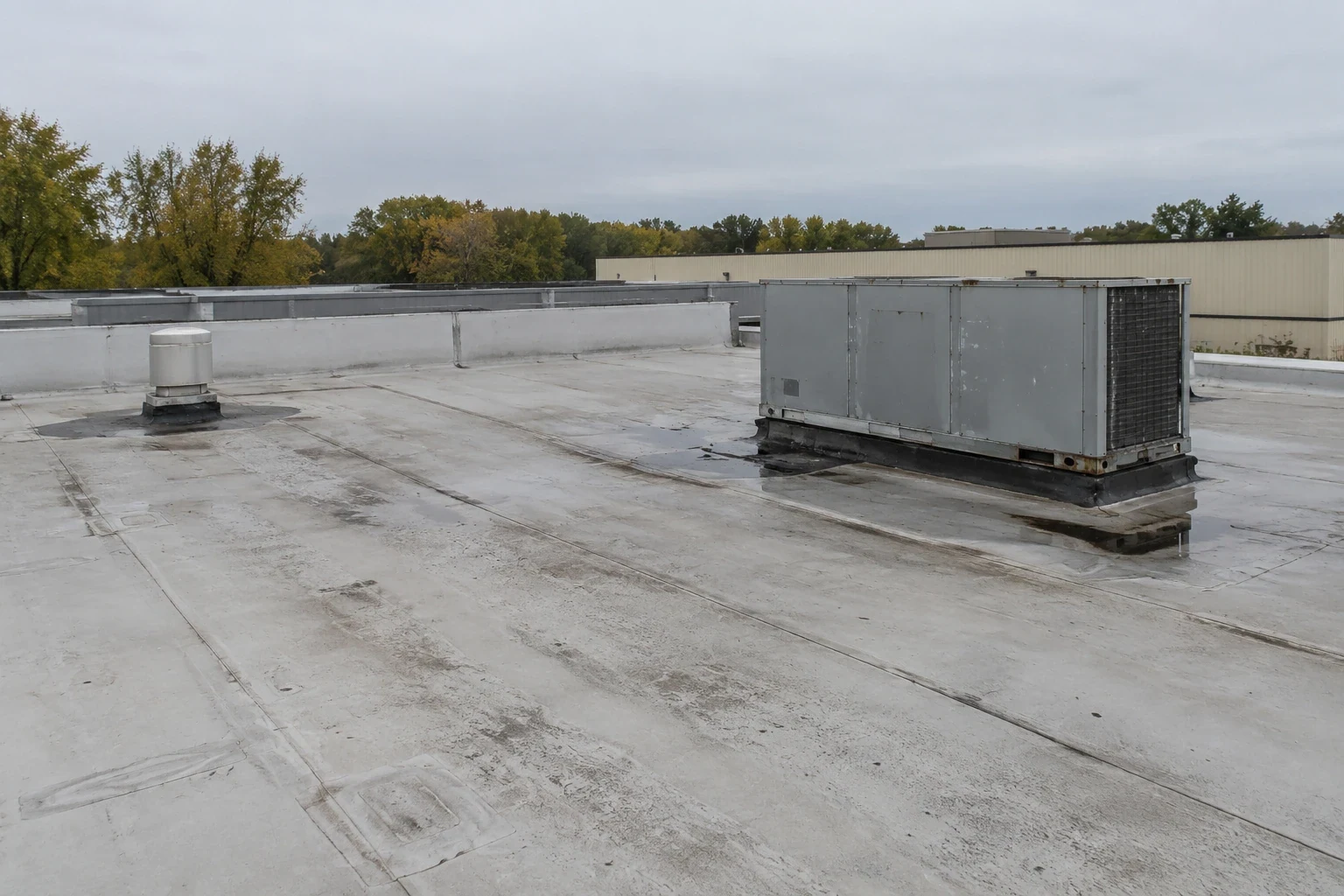
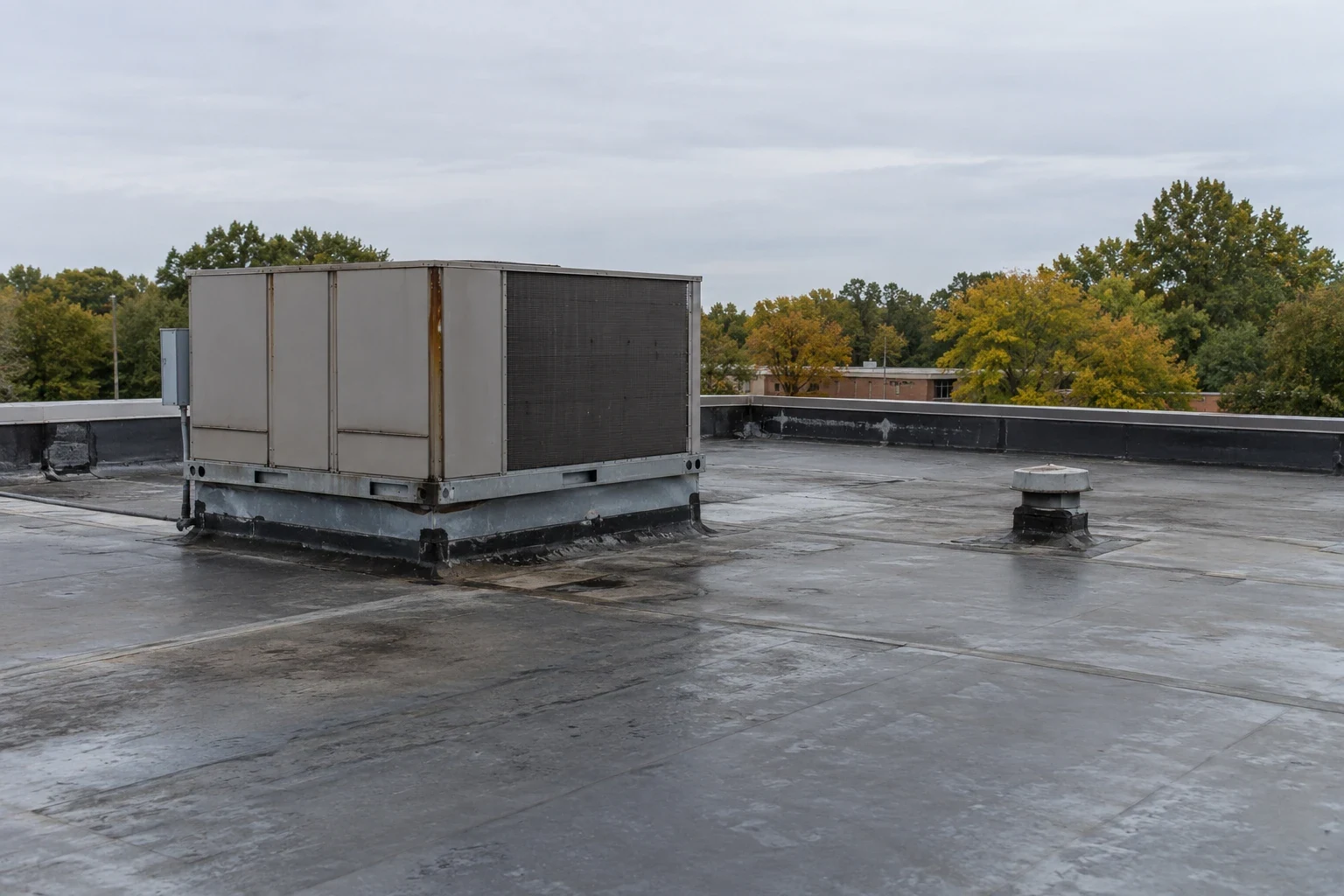
A new roof rarely gets damaged by roofers. It gets damaged by the mechanical contractor setting units, the electrician running conduit, the sign installer and the crew that comes back for a small punch item, all walking on a sheet that costs real money. Every curb, pipe and support on a roof is also a place where a trade can cut through a membrane that was just finished. Settle who sets rooftop equipment curbs and supports before the membrane goes down, require protective walkway paths, and have the roofer inspect and sign off before each trade leaves.
A TPO roof is the usual choice on big logistics and manufacturing shells because its seams are welded and its sheet comes wide, but a heavily trafficked roof needs walkway pads regardless of the system. Write the rules for trades on the roof into the subcontract before the first unit is lifted, not after the first puncture.


Handle the old buildings before they handle you
Renovation work asks different questions than new shells do. The Colman Yards redevelopment on South Main Street, a 26 acre former Barber-Colman manufacturing complex where Phase 1B calls for five renovated manufacturing buildings, shows what that looks like. Old factory buildings can bring old decks and masonry parapets, and historic tax credits among the financing can put the visible roofline and edge details under review. The roofer has to know how those decks were framed, how flat they really are, and whether the parapets can accept new flashing without damage. Any roof in Colman Yards and South Main starts from those questions.
Walk the roof with the owner, the architect and the roofer before the scope is set, and photograph everything. A condition report taken before demolition protects you from every later argument about what was already broken.
Collect the warranty paperwork before the last draw
Manufacturer warranties come from the manufacturer, on the manufacturer's terms, and they depend on inspections, approved details and complete closeout documents. We install the major membrane systems and will tell you plainly what a manufacturer requires. Put the warranty requirement in the specification before the bid, ask for the submittal early, and make the final payment depend on the closeout package, including photos, as-built details and the warranty itself. A building owner waiting for a warranty that never arrives will call you, not the roofer.
For buildings with several roofs or several manufacturers, roof warranty management records that hold the dates, terms and obligations in one place give the owner something to work from after you leave the site. That record also helps you on the next project with the same owner.
Plan for the leak call after turnover
Every general contractor eventually gets the call: a ceiling tile is stained at a new tenant's loading dock, and the owner wants someone on the roof by morning. In a region where freight moves between the airport, the logistics parks and the plants, a distribution center roof cannot wait for a convenient week, and neither can the owner. Settle in the subcontract who answers after hours, who documents the cause, and how fast someone must reach the site. Owners in logistics and 3PL and in manufacturing expect the same answer from the contractor who built their roof.
We respond around the clock, holidays included, and we photograph what we find before touching anything. That record settles who owns the problem faster than any argument on a phone call.
Questions Owners Ask
How late in the year can a new roof still go on in northern Illinois?
Later than most schedules assume, but never onto a wet or frozen deck. Cold limits adhesives and seam welding, and any moisture sealed inside the assembly stays there for years. Ask the roofer for a written weather hold policy before the start date is set.
Who owns the roof between the last roofing day and turnover?
You do, in practice, so write the protection plan into every trade's subcontract. Walkway paths, a rule for who may cut or set equipment, and a sign-off from the roofer before each trade leaves will keep damage claims from landing on your desk.
What should the roofing line in my bid actually include?
Insulation thickness and cover board, tapered pieces, edge metal, curbs, drain bodies, walkway pads and the warranty submittal. Anything left off becomes a change order later, and it usually arrives after the owner has stopped being flexible.
A client wants a recover instead of a tear-off. Who decides?
The cores and a moisture scan decide, not the schedule. If the existing insulation is wet, a recover buries the problem under new material. Get the test results into the owner's hands before the choice is made, so the call is theirs and well informed.
What do I tell an owner when a new roof leaks at a rooftop unit?
Find which trade cut or set the curb before assigning blame. Photos from before and after the unit went in tell you quickly whether the flashing failed or the opening was altered. Our crews will document it and fix the roof either way.