Johns Manville Commercial Roofing in Rockford, IL
Johns Manville built-up, modified bitumen and single-ply roofs in Rockford, IL: how layered systems handle freeze-thaw, snow and old factory decks.
Johns Manville Commercial Roofing

Johns Manville Commercial Roofing
Rockford, IL
Layers do the work on an old factory roof, and layers are exactly what freeze-thaw cycling pries at. Every time Rockford, IL swings across 32 degrees, water in a lapped seam or a blistered ply expands, shifts the sheets a hair, and leaves a bit more room for the next thaw. Johns Manville makes systems for that kind of roof. Its product lines cover built-up membranes with glass-fiber felts, modified bitumen sheets, single-ply TPO, PVC and EPDM, and polyiso insulation sold as ENRGY 3. For a building owner here, the interesting question is rarely which JM product to buy. It is whether the layered roof you already own is worth restoring, and what a fair price looks like for doing it.
Before you sign for a tear-off, get the roof cored and count the plies. You may be paying for a replacement when a focused repair would carry the building another stretch of winters.
Read the plies on an old Rockford factory roof
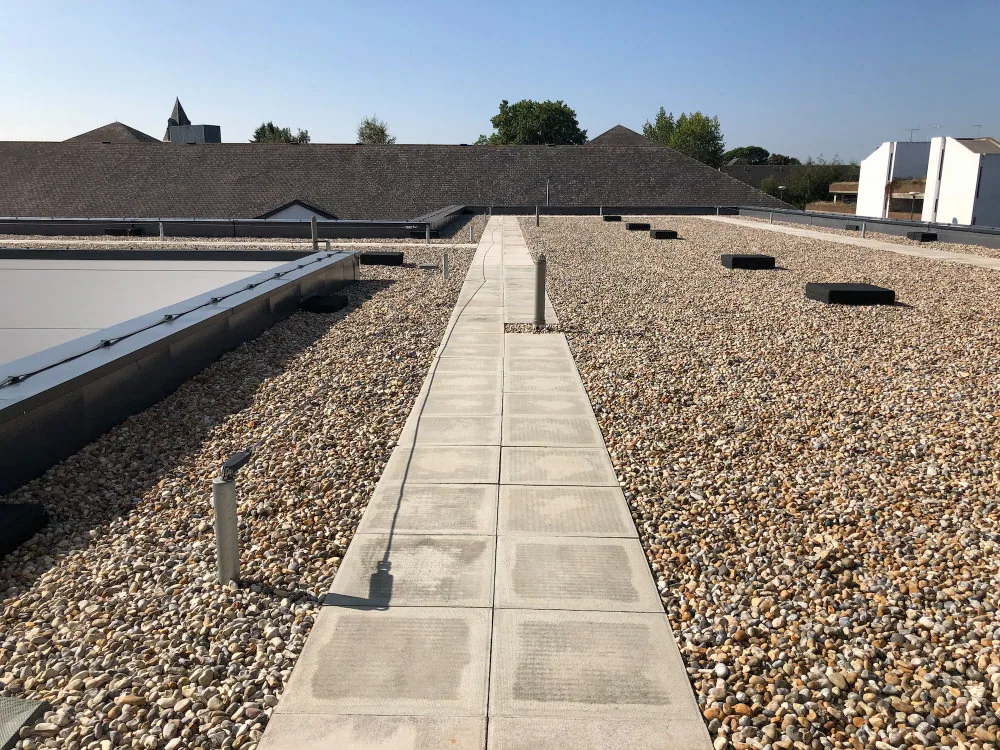
Built-up roofs are made of alternating layers of felt and bitumen, topped with gravel or a cap sheet, and that layering is why they have lasted on northern buildings for so long. It is also why they show their age in layers. Cracks appear along felt edges, blisters rise where moisture is trapped, and the gravel scatters in a hard wind until the surface is exposed to sun. The Barber-Colman complex at Colman Yards, a 26 acre former factory on South Main Street being turned into apartments and commercial space, shows how much old industrial building Rockford carries. An older factory roof rarely has one problem. It has a history, and the history is what an honest inspection reads. The 1928 tornado that cut through Rockford's factory districts is a reminder that old industrial decks deserve a structural look before anyone adds weight.
Ask for a written count of the plies, the deck type and the insulation. That tells you what you can keep.
Line up built-up, modified bitumen and single-ply side by side
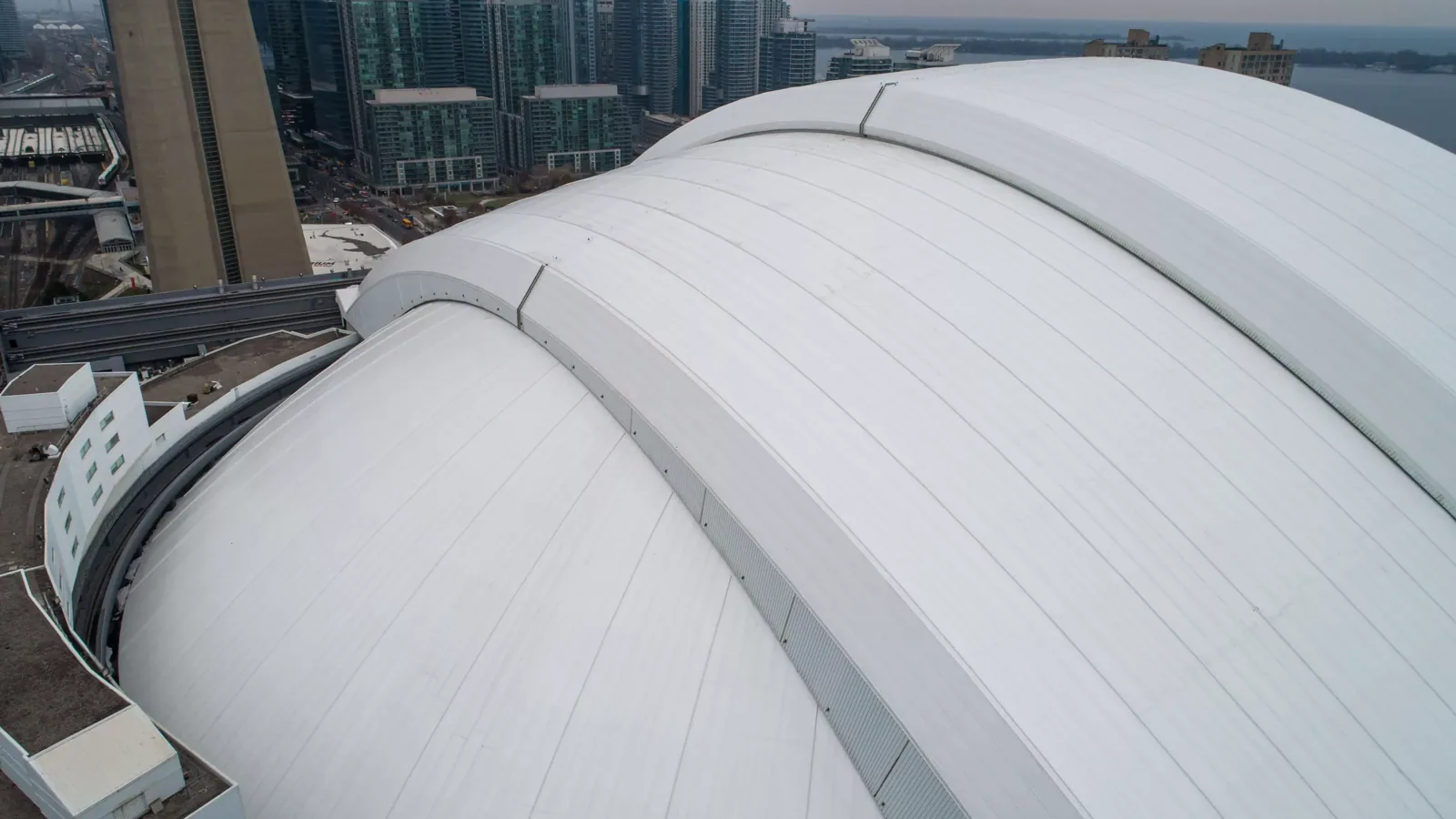
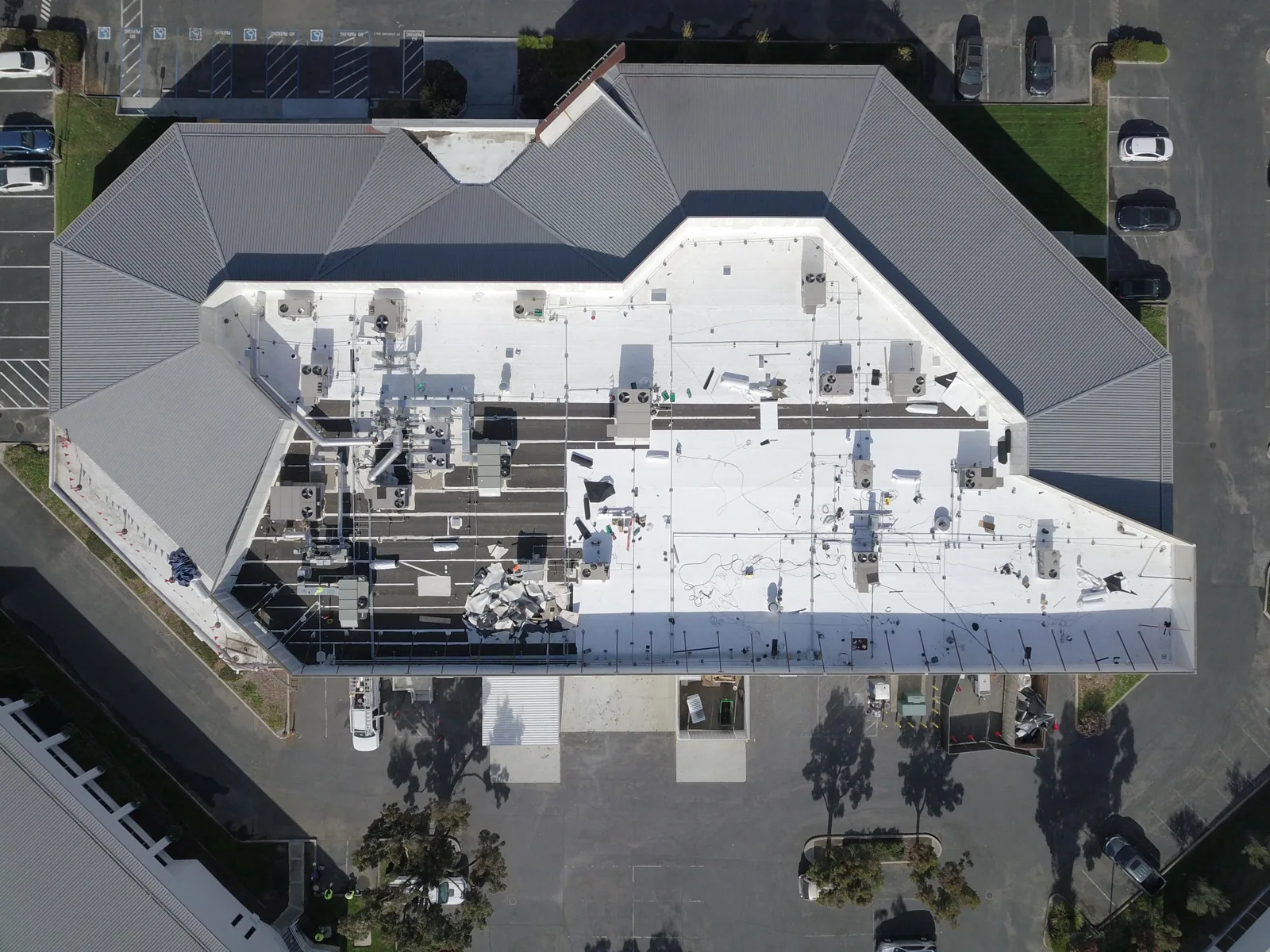
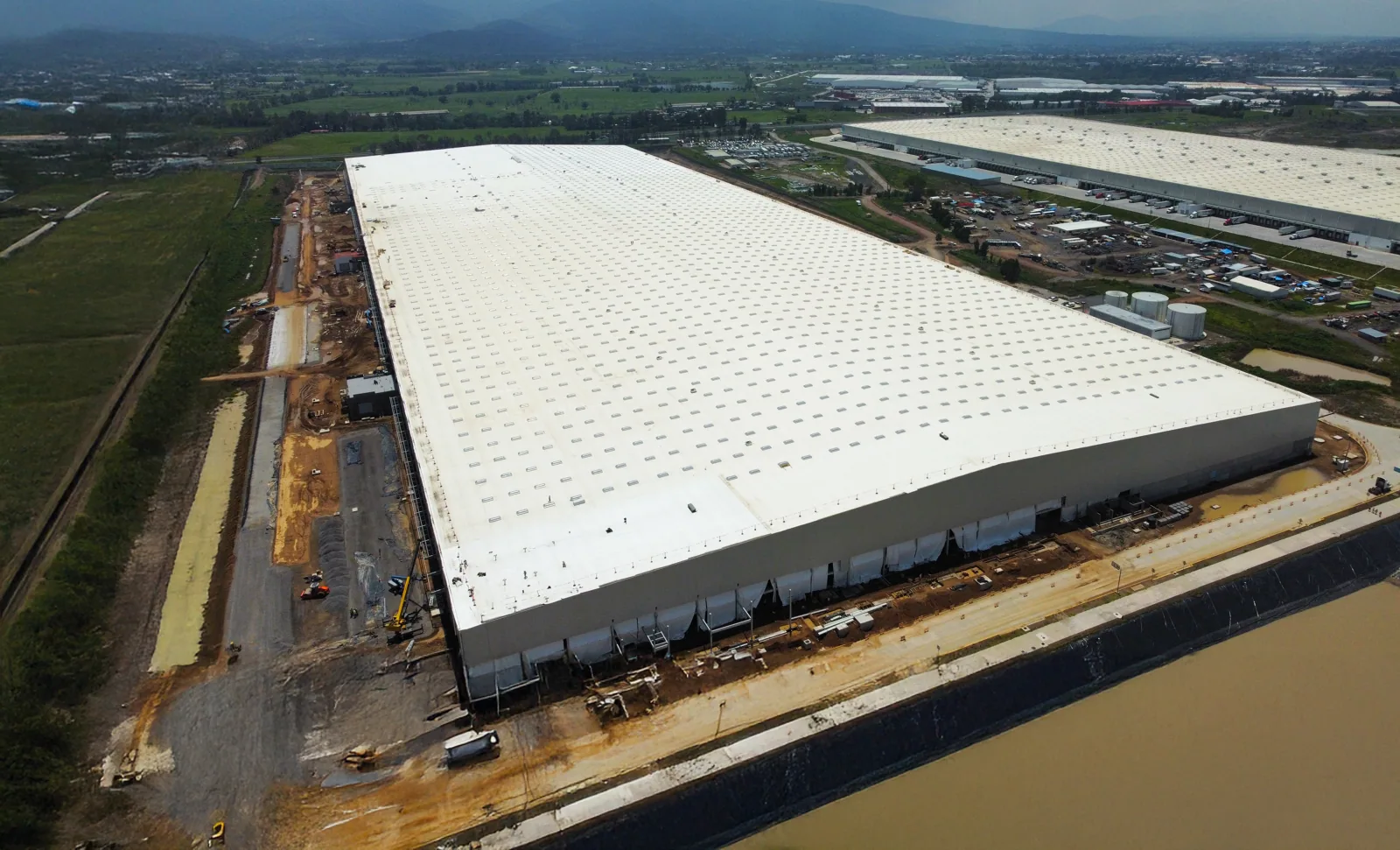
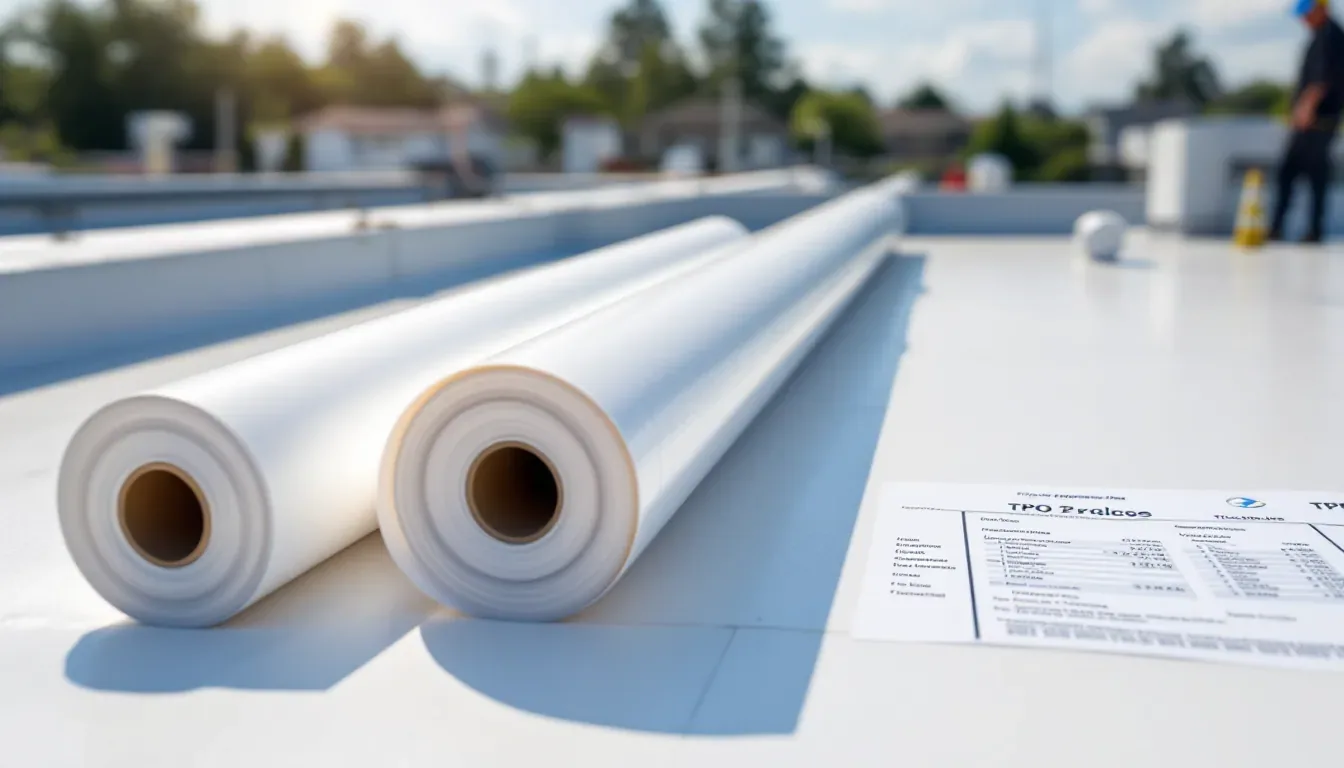
A JM bid can come in three forms, and each one carries a different price and a different risk. A new built-up roof uses hot or cold adhesive and multiple plies, and it is hard to puncture, so it earns its place under heavy rooftop traffic. Modified bitumen is a factory-made, reinforced sheet applied in one or two layers, and it brings elasticity in cold weather along with the familiar asphalt look. Single-ply membranes such as JM's TPO are lighter and faster, and they suit roofs that cannot carry extra weight. Compare them for the same building by listing what each costs to install, to repair and to remove, because the cheapest roof to put down is often the most expensive to take off. On a plant that dates to the 1960s, such as the Belvidere Assembly Plant that opened in 1965 and covers about 5.3 million square feet, the choice of system starts with what the existing deck can carry.
Ask the bidder to show the whole life cost of each option, not only the first invoice.
Check the deck and the snow load before you add weight
Every added layer is dead weight, and Rockford already puts about 36 inches of snow on its roofs in an ordinary year, with wet drifts stacking against parapets and equipment on top of that. A recover, a ballasted system or a heavy built-up assembly each adds load to a deck that may be decades old. We look at the deck type, the condition of the steel or concrete, and any sag or ponding that suggests the structure is already working hard. Rust at deck flutes, loose fasteners and standing water in the same bay every spring are all signs that the roof needs more than a new sheet. Fix the structure first, because no membrane stays flat on a deck that is moving.
If an engineer needs to weigh in, it is cheaper to ask before the crew mobilizes than after a bay has sagged.
Pay for dry insulation and fair removal
Two items grow quietly on a layered-roof bid: wet insulation and tear-off. If a core shows damp polyiso or old perlite under the felts, that material comes out, and it is cheaper to price it before work starts than to discover it with a dumpster in the lot. JM ENRGY 3 and similar boards go back in dry, with the thickness set by current energy requirements, so the new roof can pass its permit. Tear-off adds disposal cost, and an owner who has never watched a gravel roof come off may be surprised by the dust and the debris. Ask each bidder to separate the removal, the insulation and the membrane in the price, so you can see which line moves when the scope changes. A roof capital plan can spread that cost across years when several buildings are in play.
If a bidder will not itemize removal, get another bid. You are paying for your roof, not for a mystery.
Fit the work to the calendar of a working plant
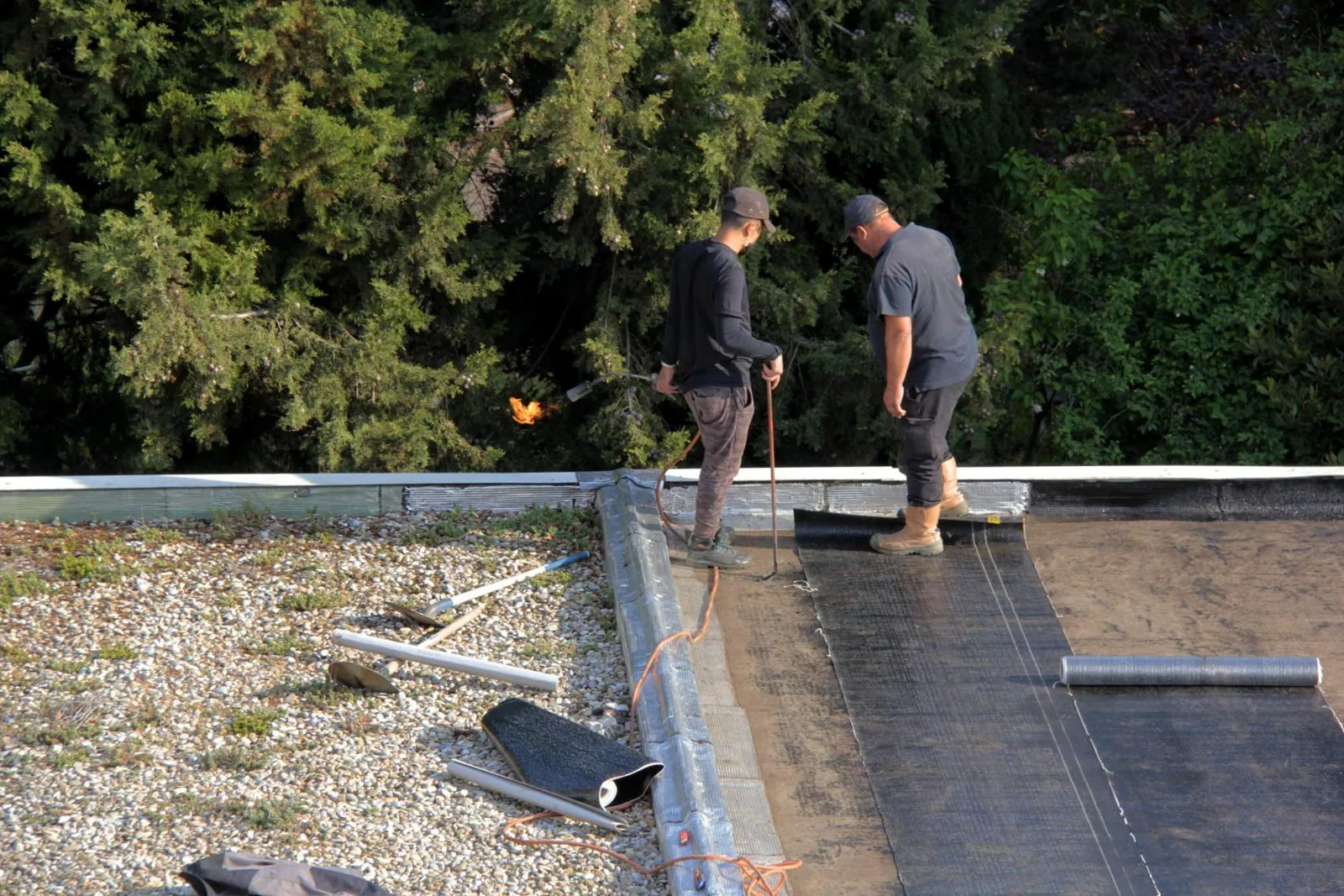
Hot work, kettles and torches need fire watch, clear access and a plan for fumes, and a plant that runs production lines does not stop for the roof. Owners of manufacturing plants in Rockford usually get the best result by scheduling roof work in sections around shutdown weeks and dry weather, with air intakes protected and roof traffic routed away from sensitive spaces. In Rockford the dependable window runs from late spring into early fall. If you are also comparing Soprema or GAF for modified bitumen, give each bidder the same plan and the same plant calendar, then compare what comes back.
If the roof is leaking before the weather turns, dry it in and put the permanent work on a schedule. A cold-weather rush on a built-up roof leaves seams that never bond. Do not pay for one.
Insulation specifications deserve the same review as the visible membrane. Confirm board type, thickness, facer, attachment pattern and tapered layout, then record how transitions are handled at drains and parapets. A replacement may also trigger energy-code requirements, which should be checked by the project designer for the exact scope. For older commercial buildings in Downtown Rockford or newer distribution roofs south of U.S. 20, the right insulation plan depends on the existing deck, roof height and drainage design rather than the property label.
Questions Owners Ask
Is a built-up roof still worth repairing in Rockford?
Often it is, if the insulation under the plies is dry and the deck is sound. Blister and crack repairs can add real service life. A core cut and a moisture scan tell you which way to go.
What does a Johns Manville roof cost compared with the others?
Prices move with the assembly, the access and the tear-off, not the brand name. Compare itemized bids for the same insulation, board and flashing scope instead of comparing logos.
Can single-ply go over my old built-up roof?
In some cases. The existing roof has to test dry, the deck has to take fasteners or adhesive, and the code has to allow one more layer. Gravel usually has to be dealt with first.
How do I know whether the insulation is wet?
Infrared scanning on a cool evening shows where moisture holds heat, and core cuts confirm it. Do this before you sign. Wet insulation left under a new membrane drives later leaks.
Should I worry about fumes from hot work on my plant?
Plan for them. Ask how fresh-air intakes will be shielded, where the kettle will sit and how tenants or operators will be warned. Cold-applied and torch-free options exist and are worth pricing.