Carlisle SynTec Roofing in Rockford, IL
Carlisle SynTec single-ply roofing in Rockford, IL: Sure-Weld TPO, Sure-Seal EPDM, FleeceBACK and PVC, plus how each holds up to snow, thaw and hail.
Carlisle SynTec Roofing
Carlisle SynTec Roofing
Rockford, IL
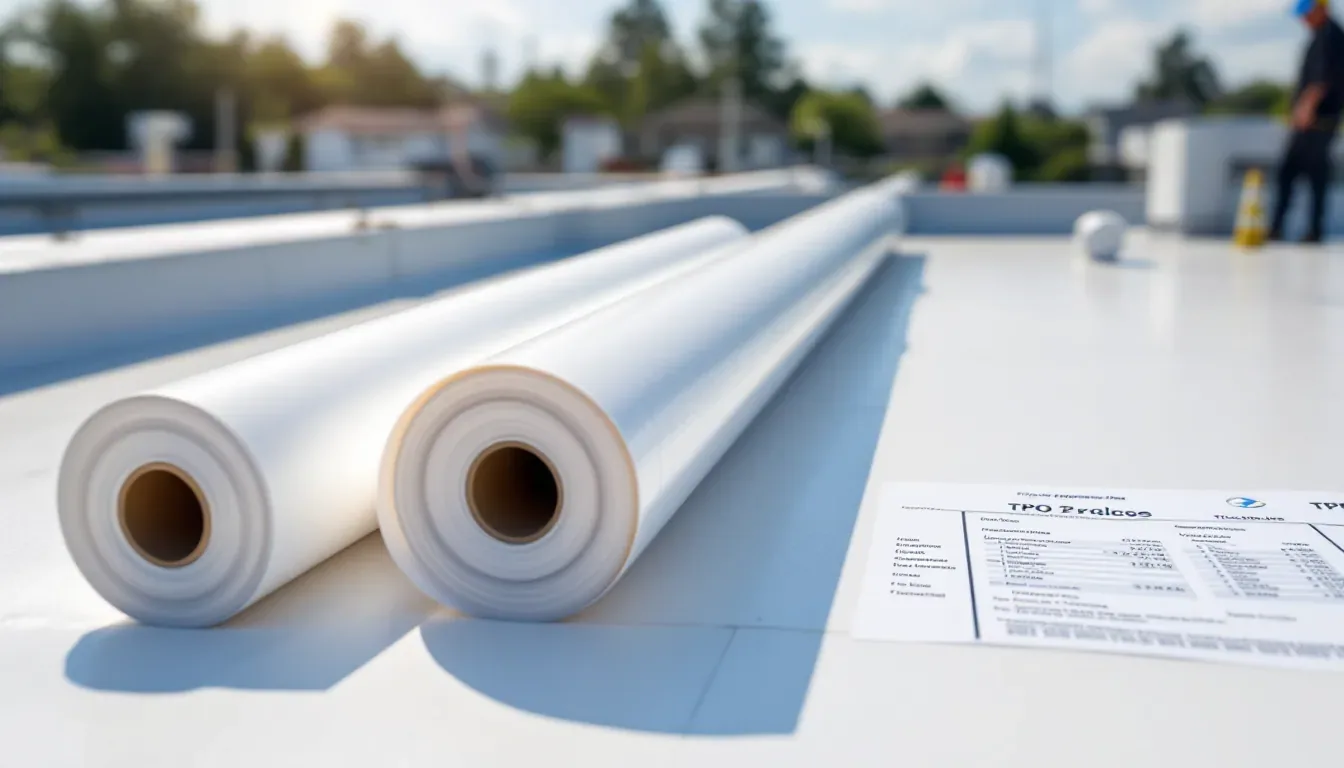
Stand on a Rockford roof a few days after a January thaw and you can tell the EPDM from the TPO by where the snow has gone. The black sheets are bare and steaming while the white ones still hold a crust, and that one difference says a lot about how each membrane lives through a northern Illinois winter. Carlisle SynTec makes both, along with PVC and fleece-backed rubber, which makes it one of the broader single-ply lineups an owner can look at in Rockford, IL. Sure-Weld is its TPO, Sure-Seal is its EPDM, Sure-Flex is its PVC, and FleeceBACK is the fleece-backed version meant for adhered installs. Each one has a place, and each one has a way of failing that a good inspector knows to look for.
Do not pick a Carlisle product by the name on the roll. Pick it by what your roof looks like today and what it has to survive for the next stretch of winters.
Sort the black sheets from the white ones before you plan
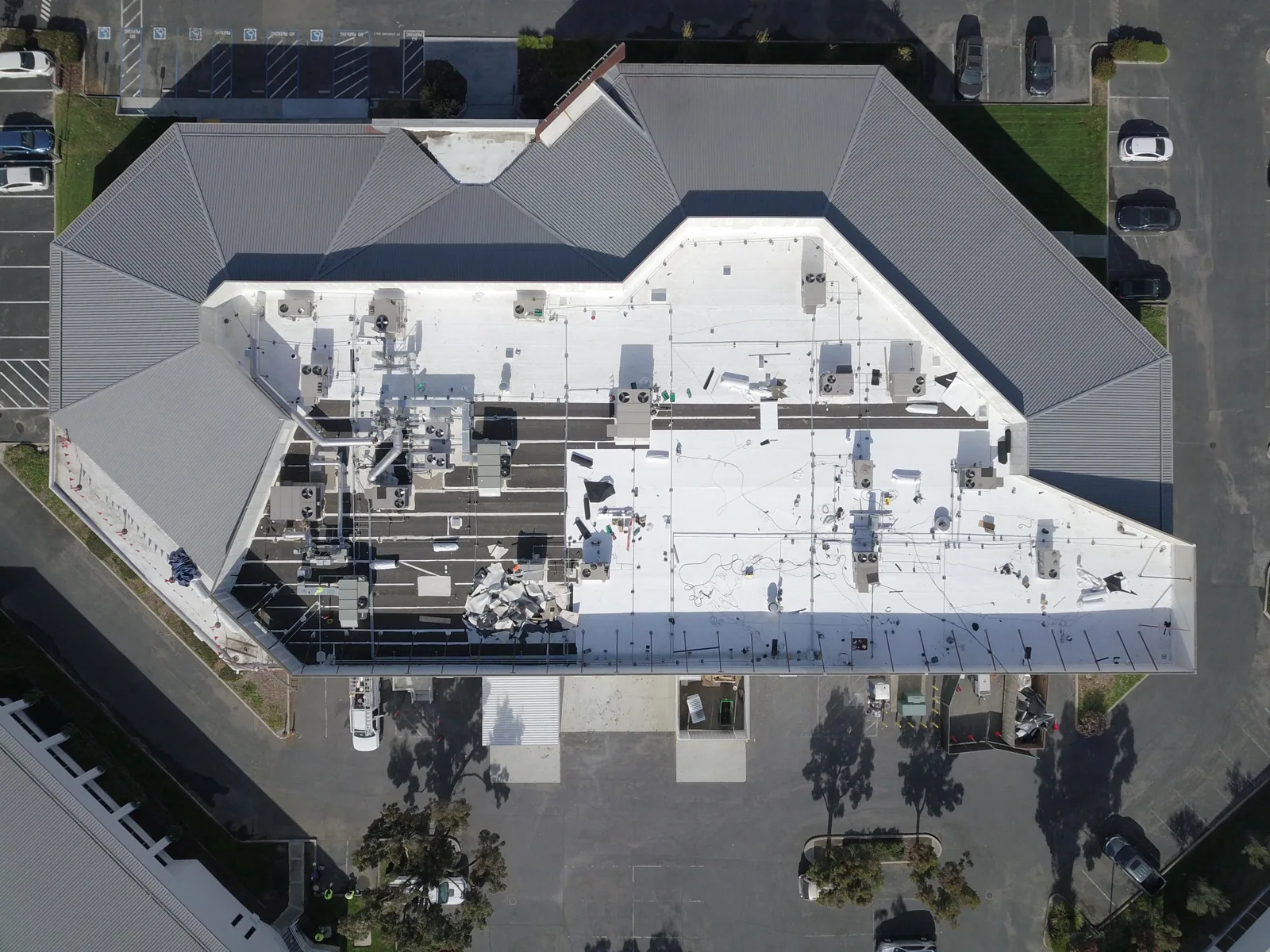
Dark EPDM absorbs heat, sheds snow early and stays flexible in a hard freeze, which is why it is a long-standing choice for low-slope roofs in cold climates. White TPO reflects sun, welds into a single sheet at the seams, and holds snow longer, so drains and scuppers on a TPO roof need to be open before the thaw. Sure-Flex PVC resists grease and chemicals better than either, which matters on a restaurant, a food plant or anything with exhaust. A roof that sees about 134 freezing days and about 15 days above 90 degrees swings hard in both directions, and every seam, flashing and fastener moves with it. The question is not which membrane is best in general. It is which one moves with your building without complaining.
If your roof has a mix of old black and new white sections, tell us. Different membranes meet at transitions, and those are the places that fail first.
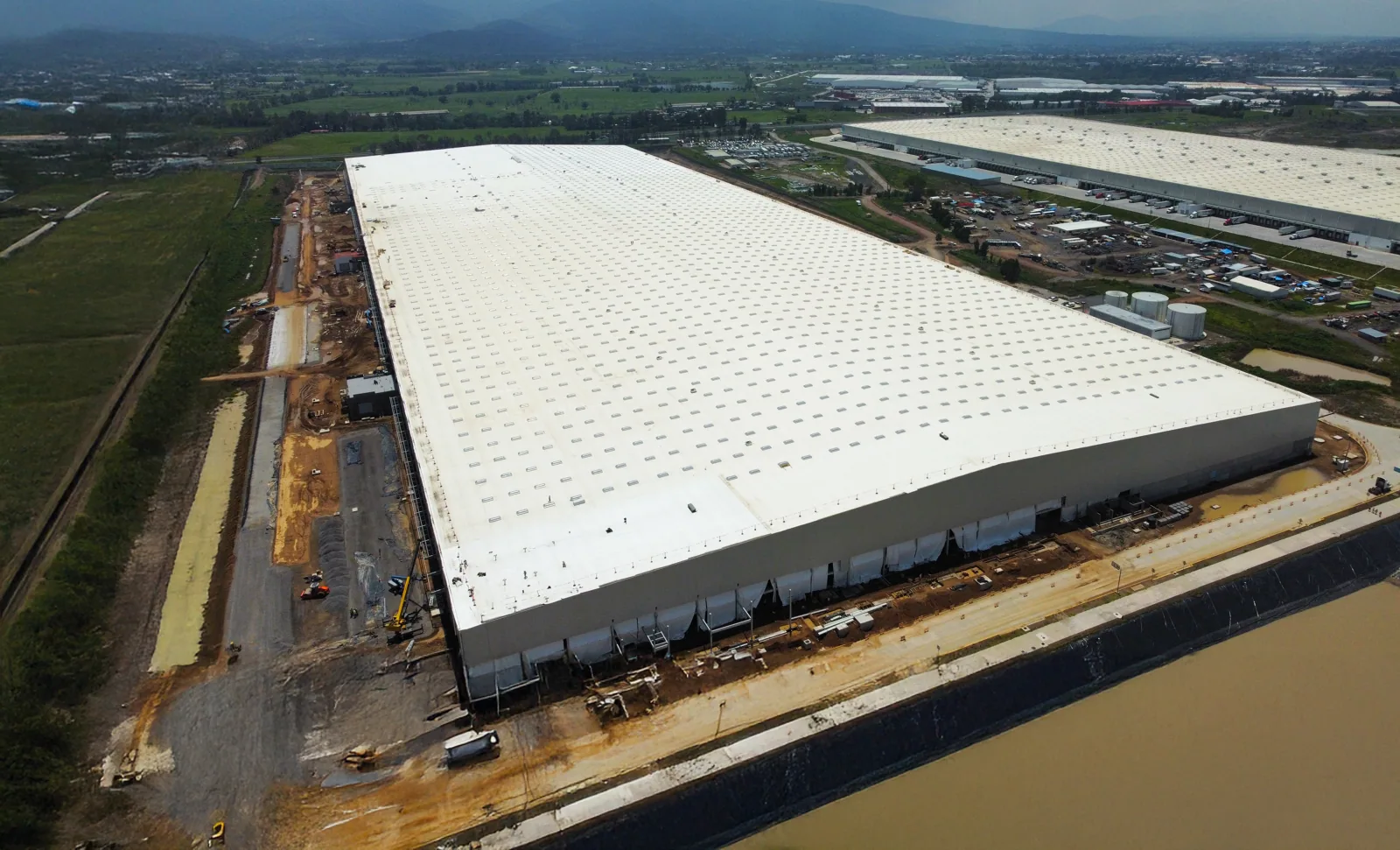
Check the splices and welds on the roof you already have
A Carlisle roof that is already up is worth a careful look before you decide anything. EPDM seams are made with splice tape or adhesive, and the usual failure is a lifted edge where the tape was installed over dirt or in cold, damp weather. TPO and PVC are welded with hot air, so the failure is a cold weld, a missed T-joint or a flashing corner that was cut instead of formed. We run a probe along the seams, look at the termination bars at walls and curbs, and photograph every penetration. Hail leaves its own signature: round dents or bruises in the sheet, especially where the insulation below is soft. Anyone who inspects only the field of the roof and skips the details has not looked at the roof.
A short repair report with photos beats a long sales pitch. Ask for one. Our roof condition reports are written to be used by whoever you hire.
Use fleece-backed rubber where an old roof needs a clean bed
FleeceBACK exists for roofs where a loose-laid or mechanically attached sheet is the wrong tool. A fleece layer on the underside bonds to adhesive, so the membrane can be fully adhered over a cover board, over old gravel built-up after the stone is dealt with, or over a smooth substrate on a building where fasteners would hit something they should not. That makes it popular on shopping center roofs, where an owner wants a smooth surface and fewer penetrations through a roof that tenants share. Take a building with decades behind it, such as the 850,253 square foot enclosed mall at CherryVale, opened in 1973: nobody should assume what lies under the surface layer, because what is underneath matters more than what goes on top. If the old layers hold water, a recover over them only hides the problem.
Core first. A scan and a handful of cuts show which layers are dry enough to keep.
Hold every bid to the same list of items
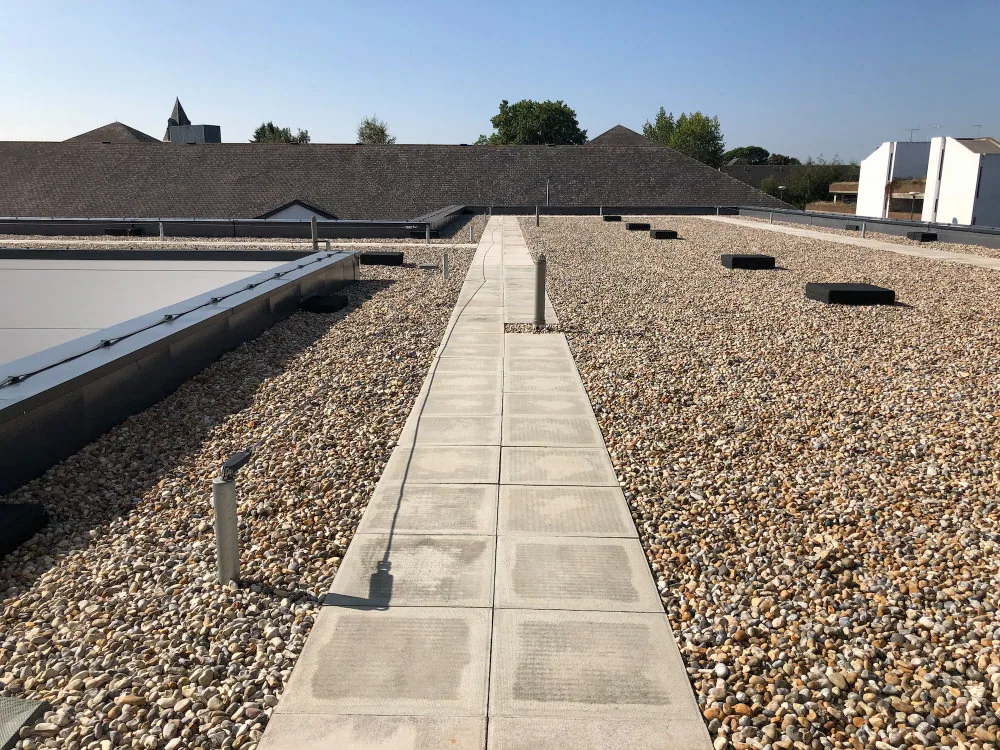
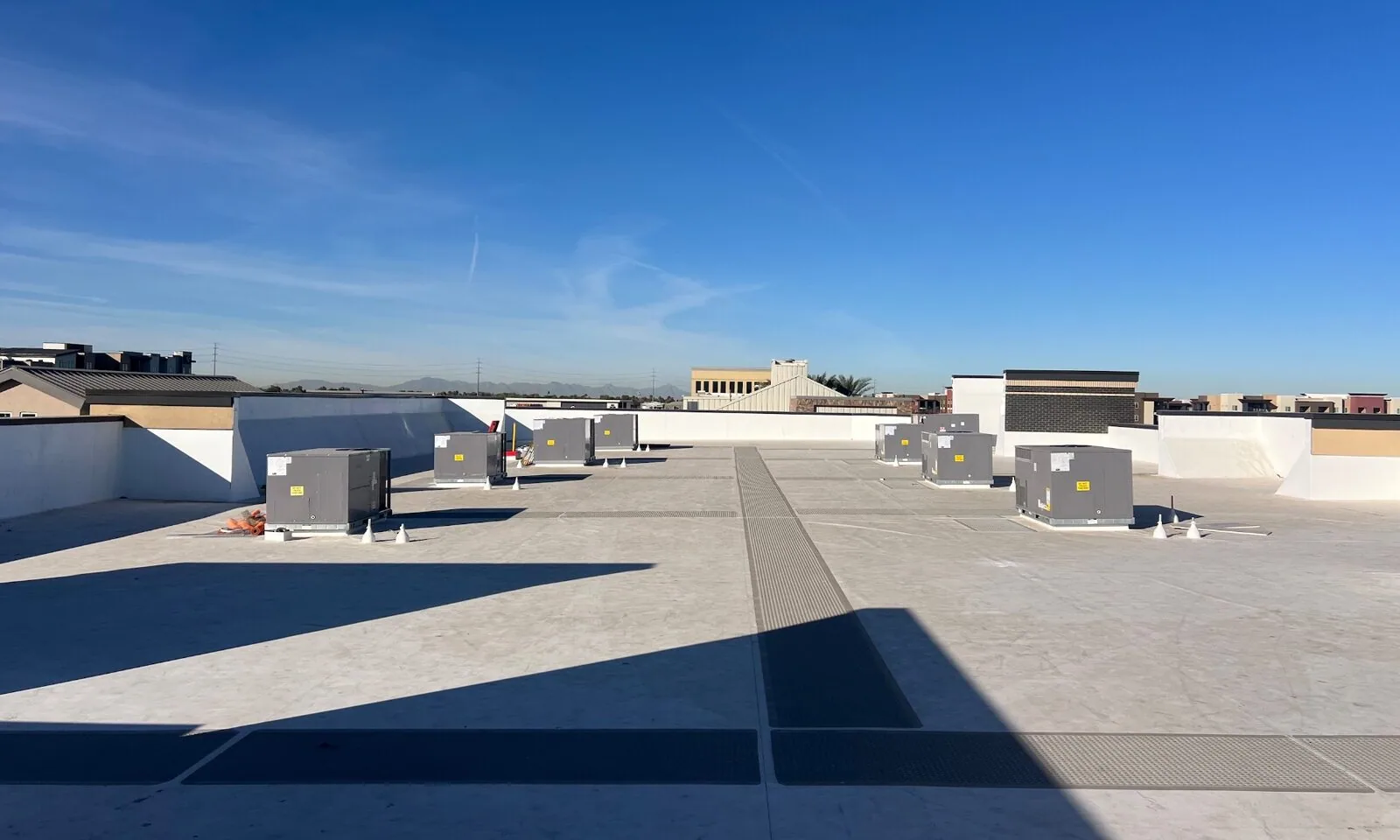
Carlisle roofs are quoted by contractors in a dozen different ways, and the price gap between bids is rarely about the membrane. It usually comes down to insulation depth, whether a cover board is included, how many drains are reworked, and what is done at the walls. Lay the proposals side by side and mark each one for the same items: tear-off or recover, insulation, cover board, edge metal, wall flashings, drains and test plan. A number that is much lower than the rest has a line missing, and finding it before you sign saves a change order later. The same discipline applies when you compare Carlisle to Johns Manville or Holcim Elevate, because every major brand sells a good sheet and the contractor still has to install it well.
Ask who is on the roof, who inspects the finished work, and what the warranty form says about ponding water and rooftop traffic.
Pick the window that suits splice tape and welds
Splice tape wants clean, dry, warm edges, and welds want a dry sheet and a crew that is not racing the weather. In Rockford the practical season runs late spring through early fall, with the best days between thunderstorms. The system that produced a confirmed tornado near Sinnissippi Golf Course on March 31, 2023 also carried straight-line winds up to 70 mph, and a front like that can strand a half-finished roof, so tear-off is staged in sections that are dried in the same day. On retail corridors such as East State Street and CherryVale, where stores keep selling, ask how deliveries, dust and fumes are managed on the ground.
If the roof is leaking now, have it dried in and book the permanent system for the right weather. A rushed cold-weather install is a repair bill waiting for February.
Submittal review should trace the specified product into the warranty and the installed details. Confirm that the proposed membrane thickness, attachment, insulation and flashing accessories appear in the same approved assembly, then check seams and perimeter work before closeout. If a future rooftop unit is planned near the North Main Corridor, reserve a detail that can be opened and restored without improvising a patch. Keep approved drawings and repair records in the building file so future contractors can match the installation.
Questions Owners Ask
Which Carlisle membrane suits a flat Rockford roof best?
It varies by building. EPDM is a long-standing performer where cost and cold flexibility matter, TPO suits wide-open roofs with lots of equipment, and PVC is the pick over kitchens and chemicals. A core and an equipment walk settle it.
Why do EPDM roofs leak at the seams?
Tape or adhesive applied to dirty, damp or cold edges lets go over time. Add flashing corners that were stretched instead of formed, and water finds its way in during a thaw. A seam probe and a few repairs often restore the roof.
Can you repair an old Carlisle roof instead of replacing it?
Often. If the insulation is dry and the sheet is not brittle, patching seams, replacing flashings and reworking drains is the reasonable path. We will price the repair next to the replacement so you can compare.
Does hail void a membrane warranty?
Read the form. Many commercial warranties exclude storm events such as hail or tornado, which makes your insurance policy the first stop after a storm. Photograph the roof as soon as it is safe.
What should I do if a bidder pushes one membrane too hard?
Get a second opinion. A contractor who only sells one sheet will find reasons for that sheet. Ask the bidder to explain, in writing, why it suits your deck, your drains and your equipment.