Commercial Roofing in Freeport, IL
Commercial roof repair, recovery and replacement in Freeport, IL, from county-seat buildings to the armory, built for cold winters and river-flood rain.
Freeport
Freeport
Rockford, IL
A typical January in Stephenson County hovers near 9 F, and the record low of minus 29 F is the number a flat roof in Freeport, IL has to be able to survive. Cold like that does more than make a building uncomfortable. It stiffens membranes, makes sealants brittle and turns every little gap at a seam or flashing into a place where water can freeze and pry the joint open wider. Add the roughly 36 inches of snow Rockford averages in a year and the repeated thaws that follow, and a commercial roof here spends most of the cold season being stretched, loaded and refrozen.
Those are the conditions that quietly age a roof ahead of schedule, and they are the conditions we plan for. If the roof is leaking, or only looks tired, we will tell you whether it needs a repair or a replacement before you spend a dollar on either.
Choose a system that holds up when the thermometer drops
Not every membrane takes deep cold the same way. A single-ply roof that is flexible in October can lose some of that give in January, and a seam that has been under tension all winter is the first place a split appears. Fully adhered and mechanically attached systems each carry their own risks in this weather, and installation in the cold is a risk of its own, since adhesives and heat-welded seams want mild, dry conditions. A roof laid in poor weather can look fine on the day and fail by the second winter.
On a replacement, ask how the system handles cold, how the seams are made and tested, and what the insulation will do for condensation. EPDM roofing has a long record in cold climates, and modified bitumen adds redundancy through multiple plies. We will lay out what each choice costs and does, and we will tell you if a repair is the right call instead.
Count the cost of a river that keeps flooding
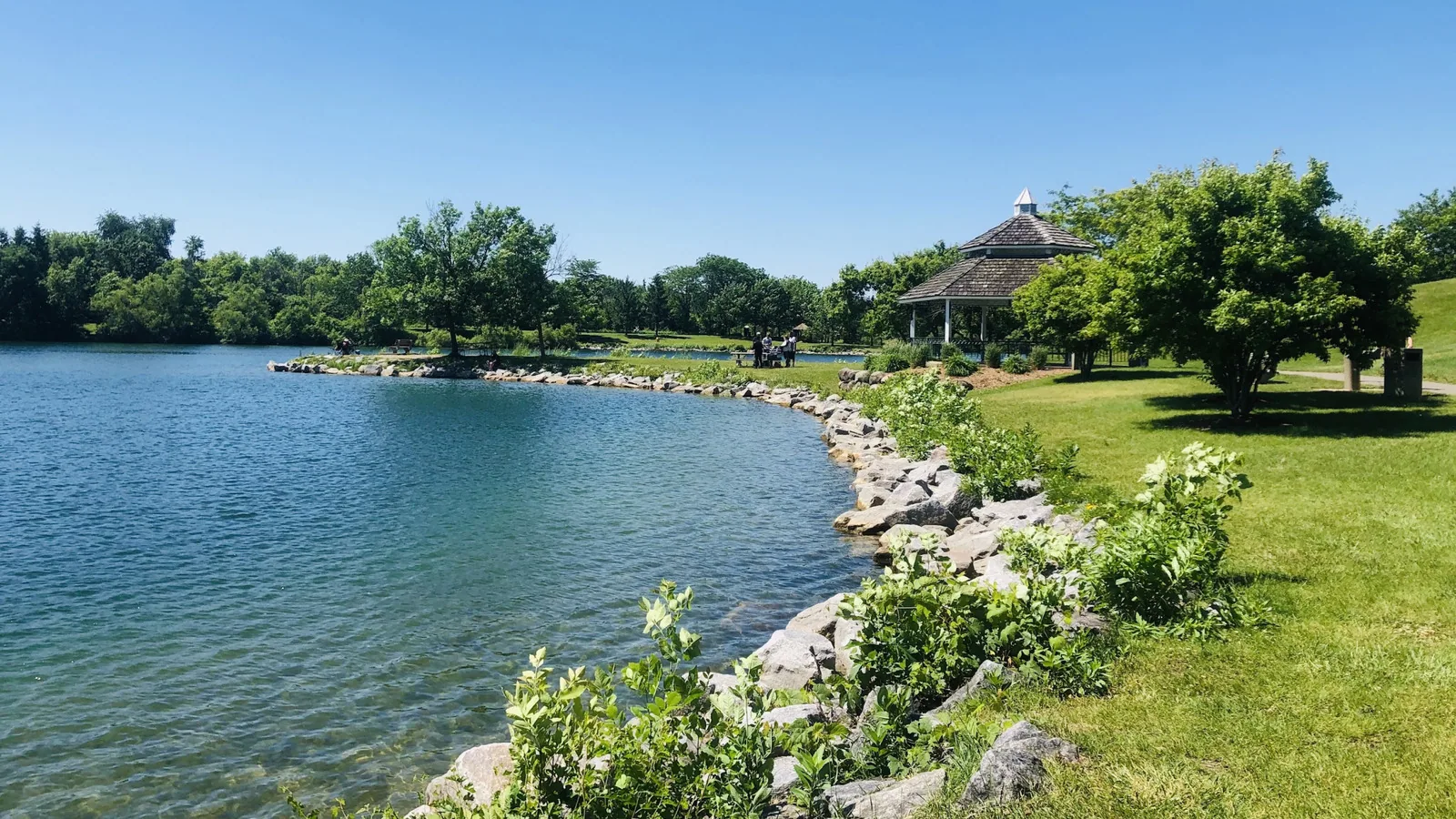
The Pecatonica River has flooded Freeport seven times since May 2017, and cleanup has cost the city more than $1.5 million. A river flood does not reach a rooftop, but the heavy rain that feeds it lands on flat roofs too. A clogged drain or a slumped sump can hold water on a roof for weeks before anyone looks.
Walk the drainage first. Clear the drain bowls, test the flow, check the scupper height and look for staining under the overflow. Water that stays on a roof longer than a day or two is worth a ponding water repair before it becomes a membrane replacement. If your building was affected by flooding, document the roof alongside the interior, and keep dated photos for your insurance carrier. A small drainage fix is the cheapest insurance an owner can buy.
Plan armory work around access, escorts and drill weekends
Freeport's armory is home to the 333rd Military Police Company, part of the Illinois Army National Guard, and roughly 120 of its soldiers returned in July 2020 from a deployment that lasted about a year. A Guard armory is a working building where a unit trains and stores gear. Roof work on a site like that follows the facility's own rules, which often means escorted access, badging, a calendar that stays off drill and training weekends, and details written to the federal roofing criteria.
Our plan for a roof like this is plain: a schedule worked out with the facility manager, a crew that expects an escort at every door and a scope matched to what the building needs. The same plan holds for any National Guard armory roofing job or military installation roofing project, with the repair price set beside the replacement price so a unit or a state facilities office can compare the two.
Budget for county-seat buildings as long-term assets
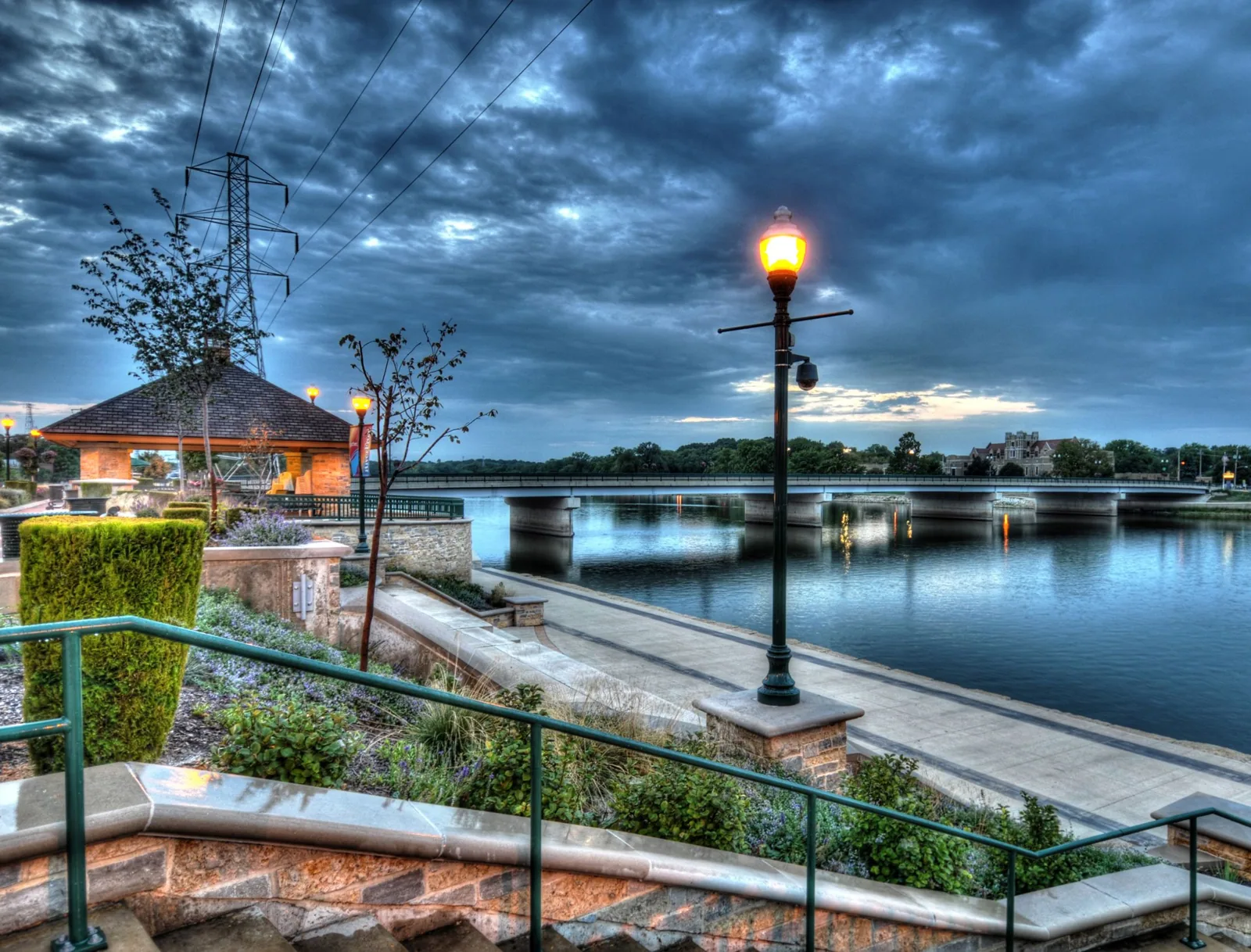
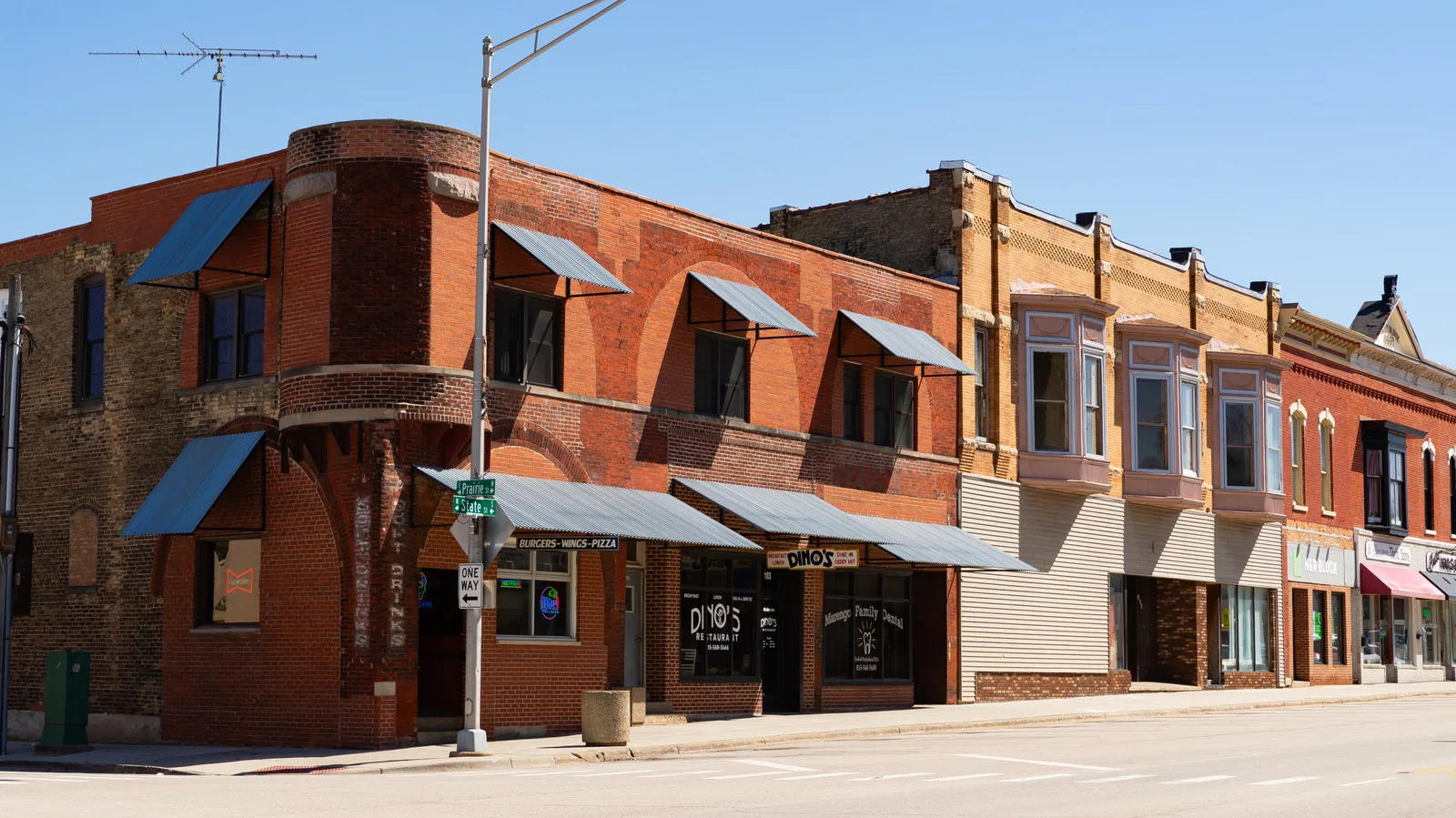
Freeport is the Stephenson County seat, so county government is part of the town's roof stock. Public owners work differently from private ones: budgets run on annual cycles, bids may need to be formal, and a surprise change order can be a real problem. A roof plan that lists each building, its age, its condition and its likely replacement year gives a board or a county office something concrete to approve.
If you manage a government building or work for a public body, ask for condition reports before you ask for prices. A short, honest report lets you rank repair projects, defend them in a budget meeting and avoid paying for work the roof does not need. For public agencies, an estimate that lists its assumptions is easier to defend at a board table.
Book the work before the 25 miles of U.S. 20 turn icy
Freeport sits about 25 miles west of Rockford on U.S. 20, and that drive is a fine one in July and a slow one in a January ice storm. Material deliveries, crane scheduling and emergency crews all depend on it, which is another reason to plan larger roof jobs for the dry months between spring and the first hard freeze. Emergency response runs around the clock, holidays included, and our first goal on an emergency call is to dry in the building and document the damage.
A building owner in Freeport who plans ahead can avoid most of the stress. Walk the roof each spring and fall, keep the drains clear and call at the first sign of staining. Owners with roofs in Pecatonica or Byron can ask for those buildings to be scheduled in the same round of visits. Permits for a replacement now fall under the 2021 IECC based energy code Illinois adopted for 2024, so insulation requirements are part of the estimate.
Freeport's position on U.S. 20 makes it a practical service center for the west side of the region, but the distance from Rockford makes planning important. Group roof inspections by property and bring the records needed to decide whether cores, lift access or a temporary repair are likely. Facilities near the Pecatonica River should check interior and roof drainage separately after flood events. Public or military sites also need access coordination before a crew or materials are dispatched.
For larger facilities, mark each drain and scupper on the roof plan and confirm that the interior leader remains clear. A rooftop repair can fail if the outlet is blocked below the membrane.
Questions Owners Ask
Does minus 29 F change how a roof should be built?
It changes the details. Seams, sealants and flexible flashings all matter more in deep cold, and installation timing matters most of all, since welds and adhesives need mild weather.
What should I check on my roof after a river flood?
Drains, sumps and scuppers first, because they carry the heavy rain that comes with a flood. Photograph everything with dates so your carrier has a record.
Can you work on an armory roof?
We can plan for it. Access, escorts, badging and training schedules come first, and the roofing is usually specified to the Unified Facilities Criteria for roofing.
How should a public body ask for roof prices?
Start with a condition report, then request repair and replacement prices for each building. That gives the board a ranked list instead of a single big number.
How fast can a crew get from Rockford to Freeport?
Usually within the same day for an emergency, since the drive on U.S. 20 is about 25 miles. Ice can slow any trip, so we plan.